

Pelvic Floor Therapy for Endometriosis & Adenomyosis
Treating pain at its source — beyond lesions alone
Understanding the hidden drivers of pelvic pain
Why Pelvic Floor Therapy Matters
Endometriosis‑related pain is often sustained by muscle tension, nerve sensitization, and altered pain processing — not just visible disease. Pelvic floor therapy targets these contributors to help reduce pain, improve function, and support long‑term recovery.
Pain is not only from lesions
Endometriosis pain often persists due to muscle hypertonicity, nerve sensitization, and central nervous system changes — even after surgery.
High overlap with pelvic floor dysfunction
The majority of patients with endometriosis experience dyspareunia, pelvic pain, or bowel and bladder symptoms linked to pelvic floor dysfunction.
Central and peripheral sensitization
Chronic pain can alter how the nervous system processes signals, amplifying symptoms across the pelvis, bladder, bowel, hips, and low back.
Improves function, not just symptoms
Therapy targets movement, breathing, posture, and muscle coordination — restoring daily function and quality of life.
More than exercise — a targeted pain-focused approach
What is Pelvic Floor Therapy?
Pelvic floor therapy is a specialized form of physical therapy that focuses on the muscles, fascia, nerves, and movement patterns of the pelvis and core. Treatment is guided by a detailed assessment of how these systems interact with pain, posture, breathing, and daily movement.
It is not limited to strengthening — many patients with endometriosis have overactive or shortened pelvic floor muscles, not weak ones. In these cases, therapy prioritizes relaxation, lengthening, coordination, and nervous system regulation rather than forceful exercise.
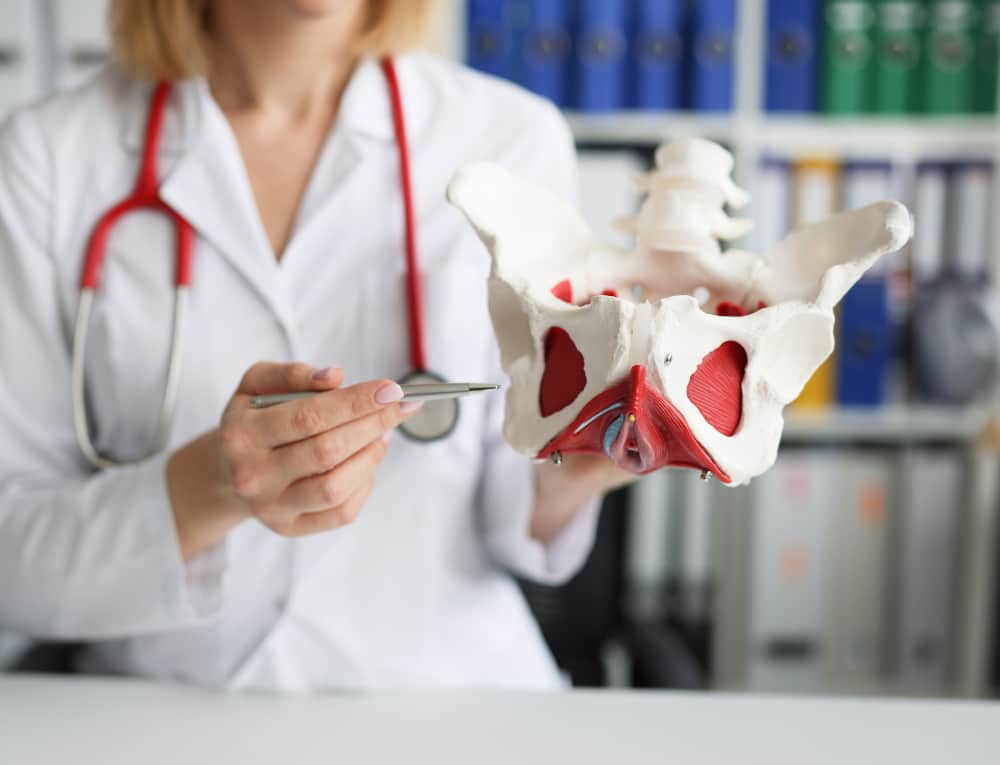
Symptoms that often share a muscular and nervous system origin
Common Symptoms It Addresses
Endometriosis-related pelvic floor dysfunction can present in many ways, often overlapping with bladder, bowel, sexual, and musculoskeletal symptoms. Pelvic floor therapy helps identify and address these interconnected pain patterns rather than treating each symptom in isolation.

Why pelvic pain often persists even when disease is treated
How Endometriosis Affects the Pelvic Floor
Endometriosis can change how muscles, nerves, and connective tissue behave over time. Ongoing inflammation and pain signaling may lead to protective muscle patterns and nervous system sensitization that continue to drive symptoms, even when lesions are removed.
Inflammation & guarding
Persistent inflammation leads to protective muscle tightening. Over time, this guarding can limit mobility, reduce blood flow, and perpetuate pain even outside of menstrual cycles.
Myofascial trigger points
Localized muscle knots can reproduce pelvic, vaginal, rectal, or bladder pain. These points often refer pain to other areas, making symptoms feel widespread or difficult to localize.
Viscerosomatic cross‑talk
Pain signals from organs (uterus, bowel, bladder) can sensitize nearby muscles and nerves. This cross‑communication explains why organ pain is frequently felt in muscles, joints, or surrounding tissues.

Central sensitization
The brain and spinal cord become more reactive, lowering pain thresholds across the pelvis. As a result, even normal movement, touch, or pressure may be perceived as painful.
Tools used to address pain, movement, and nervous system regulation
What Pelvic Floor Therapy May Include
Treatment is tailored to each patient’s symptoms, exam findings, and pain drivers. Care often combines hands-on techniques, movement retraining, and nervous system support rather than a single intervention.
Manual Therapy
Hands-on techniques are used to reduce tissue restriction, calm pain signaling, and improve mobility of muscles and connective tissue that have become protective or sensitized over time.
- Myofascial release
- Trigger point release
- Scar tissue and connective tissue mobilization
- Visceral mobilization when appropriate
Muscle Coordination & Motor Control
This phase focuses on restoring normal muscle timing and coordination so the pelvic floor can respond appropriately to daily movement rather than remaining constantly tense.
- Down‑training overactive pelvic floor muscles
- Improving relaxation and lengthening
- Coordinating pelvic floor with breathing and movement
Nervous System Regulation
Because chronic pelvic pain often involves heightened nervous system reactivity, therapy includes strategies that help reduce pain amplification and improve tolerance to movement and touch.
- Addressing central sensitization
- Breathing strategies to calm the nervous system
- Education around pain processing
Posture & Movement
Postural and movement patterns can either offload or perpetuate pelvic pain, making whole‑body mechanics an important part of treatment.
- Rib cage and diaphragm mechanics
- Core and hip integration
- Reducing compensatory movement patterns
Clearing up a common misconception
Pelvic Floor Therapy vs. “Kegels”
Pelvic floor therapy is frequently misunderstood as strengthening alone. In endometriosis care, the goal is often to reduce muscle tension, restore coordination, and calm pain pathways — not add force.
| Pelvic Floor Therapy | Kegels |
|---|---|
Focuses on relaxation, coordination, and muscle length rather than strength alone | Focus on strengthening only, without assessing baseline muscle tone or pain sensitivity |
Addresses pain drivers such as muscle tension, guarding, and nervous system sensitization | May worsen pain when pelvic floor muscles are already tight or overactive |
Uses an individualized assessment based on symptoms, exam findings, and pain patterns | Applies a one-size-fits-all approach regardless of symptom pattern or diagnosis |
Considers nerves, fascia, posture, breathing, and overall movement mechanics | Target muscles alone, without addressing nervous system involvement or biomechanics |
Integrated care, delivered through an individualized process
How Pelvic Floor Therapy Fits Into Your Care
Pelvic floor therapy complements medical and surgical treatment by addressing muscular and nervous system pain generators that fall outside the scope of medication and excision alone. Care is delivered through a structured, consent-based process that adapts to each patient’s symptoms, exam findings, and nervous system sensitivity. Pelvic floor therapy works best when integrated with:
Expert excision surgery (when indicated)
Medical management (when appropriate)
Treatment of overlapping pain conditions
GI and bladder evaluation when symptoms overlap
Patient education and long‑term support
Care should feel safe, not overwhelming
Supporting the Whole Pain Picture
Pelvic floor therapy is not about pushing through pain. Treatment is collaborative, trauma‑aware, and adjusted in real time based on your physical responses and nervous system tolerance. If you have been experiencing pelvic pain that has continued despite treatment, pelvic floor therapy may be an important next step. Our team can help determine whether this approach fits into your overall care plan.
Common concerns we hear from patients
Frequently Asked Questions
Questions about pelvic floor therapy are common — especially for patients who have already tried multiple treatments. These answers address the most frequent concerns we encounter.
Do I need pelvic floor therapy if I’m having surgery?
Often, yes. Surgery treats endometriosis lesions, but pelvic floor therapy addresses muscle tension and pain sensitization that surgery alone does not.
Is internal work required?
Not always. Treatment is individualized, discussed in advance, and only performed with clear consent.
Can pelvic floor therapy help with pain during intercourse or pelvic exams?
Yes. Therapy can help reduce muscle guarding and pain sensitivity that contribute to discomfort with penetration or exams.
Can pelvic floor therapy help if imaging is normal?
Yes. Many drivers of pelvic pain — including muscle hypertonicity, myofascial trigger points, and nervous system sensitization — do not appear on ultrasound or MRI.
How long does it take to see improvement?
This varies. Some patients notice changes within a few sessions, while others need a longer course depending on pain duration and complexity.
What if I’ve already tried physical therapy before?
Pelvic floor therapy for endometriosis is specialized and differs from general physical therapy. Even if prior therapy was not helpful, this approach may still be appropriate.
Common Questions
Can a retroverted uterus cause pelvic pain or cramps?
A retroverted uterus (a uterus that tilts backward) is a common anatomic variation, and by itself it often doesn’t cause symptoms. Some people do notice more cramping, pelvic pressure, or deep pain with sex, especially in certain positions, but when significant pain is present, we look beyond uterine tilt alone.
In our experience, a retroverted uterus is frequently a clue to check for other causes of pain that can coexist: endometriosis, which can tether the uterus backward; adenomyosis, which can cause strong, painful uterine contractions; pelvic floor muscle overactivity; or bladder/bowel contributors. If your cramps are severe, worsening over time, occurring outside your period, or paired with deep dyspareunia, bowel/bladder symptoms, heavy bleeding, or infertility, it’s worth a full evaluation rather than stopping at the finding of a retroverted uterus. If you’d like, our team can help sort out what’s causing your symptoms and outline options, from targeted imaging and diagnostics to definitive surgical treatment when appropriate.
What are signs endometriosis has returned after surgery?
Endometriosis returning after surgery can show up as symptoms that improve for a while and then come back gradually or suddenly, months or even years later. The most common signal is the return of your familiar pattern: cyclical pelvic pain, worsening period pain, pain with intercourse, or pain that starts spreading beyond where it used to be. Some people also notice bowel or bladder symptoms re-emerge (pain with bowel movements, rectal pressure, urinary urgency, or bladder pain), especially if those organs were involved before. New or increasing fatigue and activity limitation can be part of the picture, but the key is a clear change from your post-op baseline.
It’s also important to know that recurrent pain doesn’t always mean recurrent disease. Even after complete excision, the nervous system can stay heightened, and pelvic floor dysfunction, adhesions, or central sensitization can keep pain going or make normal sensations feel painful. That’s why we look at patterns, triggers, and timing rather than a single pain score. If symptoms are returning, our team can help you sort out whether you’re experiencing a true recurrence (symptoms improved, then returned) or persistent pain that never fully settled, and decide when imaging such as ultrasound or MRI is useful, particularly for tracking ovarian endometriomas. If you’re noticing a shift back toward your old symptoms, reach out to schedule a consultation so we can build a clear, long-term follow-up plan with you.
How long does pelvic floor therapy take to help endometriosis?
Most patients don’t feel a dramatic change after one visit: pelvic floor therapy for endometriosis tends to build over time. When symptoms are being driven by pelvic floor overactivity, protective muscle guarding, and nerve sensitization, early sessions often focus on assessment, calming pain signaling, and learning strategies your body can tolerate. Many people notice the first meaningful shifts over several weeks as muscles start to relax and coordination improves, especially for pain with sex, bladder/bowel symptoms, and daily pelvic tension.
How long it takes overall depends on what’s keeping your pain “switched on”: active disease, adhesions, central sensitization, posture/movement compensations, or a mix. If endometriosis lesions are still a major pain generator, therapy can still help reduce pelvic floor spasm and improve function, but it may work best as part of a broader plan that also addresses the disease itself. In our practice, we often use pelvic floor therapy as a complement before and/or after excision (when indicated) to support recovery, improve comfort with exams or intimacy, and reduce the odds that muscle and nerve patterns keep pain going. If you’d like, our team can help you figure out whether pelvic floor dysfunction is a key driver of your symptoms and what a realistic therapy timeline could look like for you.
Is it normal to feel broken from endometriosis pain during sex?
Yes, what you’re describing is incredibly common, and it doesn’t mean you’re broken. Pain with sex (during, after, or specifically after orgasm) can be a direct symptom of endometriosis, and it can also be reinforced over time by pelvic floor guarding and the nervous system becoming more sensitive to pain signals. When your body learns to anticipate pain, it can change arousal, lubrication, and the sense of safety around intimacy, which can make the emotional impact feel just as heavy as the physical pain.
We also want you to know that sexual distress can linger even when other symptoms improve, because it’s not only about the lesions: it’s about inflammation, adhesions that restrict normal movement, muscle tension, and how long you’ve had to cope. The good news is that this is treatable in a comprehensive way: we focus on identifying and addressing the underlying pain drivers (including disease that may benefit from excision) while also supporting pelvic floor and nervous system recovery so sex can feel safe again. If this is affecting your relationship, confidence, or quality of life, reach out to schedule a consultation. Our team can help you map out why it hurts and what a realistic path forward looks like.
Will painful sex from endometriosis ever improve?
Yes, sexual pain (dyspareunia) from endometriosis can improve, and for many patients it improves meaningfully when we treat the underlying disease rather than only masking symptoms. Painful sex is often driven by deep lesions and adhesions that create mechanical pain with penetration, especially when disease involves areas like the uterosacral ligaments, rectovaginal space, bowel, or bladder. When those pain generators are thoroughly excised, the “trigger” for intercourse pain is often reduced, and many people notice gradual improvement over the months after surgery as healing progresses.
That said, painful sex doesn’t always disappear immediately, even after excellent excision, because pain can become “wired in” through pelvic floor muscle guarding, nerve sensitization, and central sensitization over time. This is why we often pair disease-directed treatment with a broader plan that addresses the pelvic floor and the nervous system, so your body can relearn safety and comfort with touch and penetration. If sex has become something you dread, reach out to schedule a consultation with our team: we’ll help you sort out what’s likely driving your pain and what a realistic path to improvement looks like for your specific case.
Is endometriosis linked to hypermobility (EDS/hEDS)?
Yes, there does appear to be meaningful overlap between endometriosis and joint hypermobility syndromes like hEDS/EDS, but the research is still evolving, and it’s not accurate to say one definitively causes the other. Clinically, we see that patients with hypermobility often have more complex pelvic pain presentations, sometimes with heightened nerve sensitivity, pelvic floor muscle overactivity, and multi-system symptoms that can make endometriosis harder to recognize and calm down.
One reason this overlap is drawing attention is the way connective tissue differences and immune inflammation can intersect with pain processing. Hypermobility is also frequently discussed alongside related patterns like dysautonomia/POTS and mast-cell-type inflammation, which may help explain flares that seem disproportionate, widespread, or triggered by stress, hormones, foods, or environmental exposures.
If you’re hypermobile (or suspect you are) and also dealing with symptoms that fit endometriosis, we take that whole picture seriously. Our team can help you sort out what’s coming from endometriosis versus overlapping drivers and build a plan that may include precise diagnosis, minimally invasive excision when appropriate, and coordinated integrative support to set your recovery and long-term symptom control up for success.