


Comprehensive Endometriosis & Adenomyosis Care
Specialized services for every stage of care.
Our services are built around a deep understanding of endometriosis and adenomyosis, combining advanced surgical expertise with thoughtful, whole-patient care. From precise diagnosis and robotic excision to integrative support and long-term management, each service is tailored to your individual needs.
Our Services, Tailored to You
Care That Works Together
Each service is designed to address a distinct part of endometriosis and adenomyosis care, from diagnosis and advanced surgery to long-term symptom management and support. Together, they form a coordinated approach focused on precision, safety, and individualized care.
Evaluation & Diagnosis
Our diagnostic process starts with a crucial step, listening deeply to your story.
Surgery & Advanced Excision
World-class robotic excision surgery by a quadruple board-certified surgeon.

Integrative Medicine
Nutrition, hormonal balance, mind-body care, and holistic therapies—all designed to support your healing journey.
Hormonal Therapies
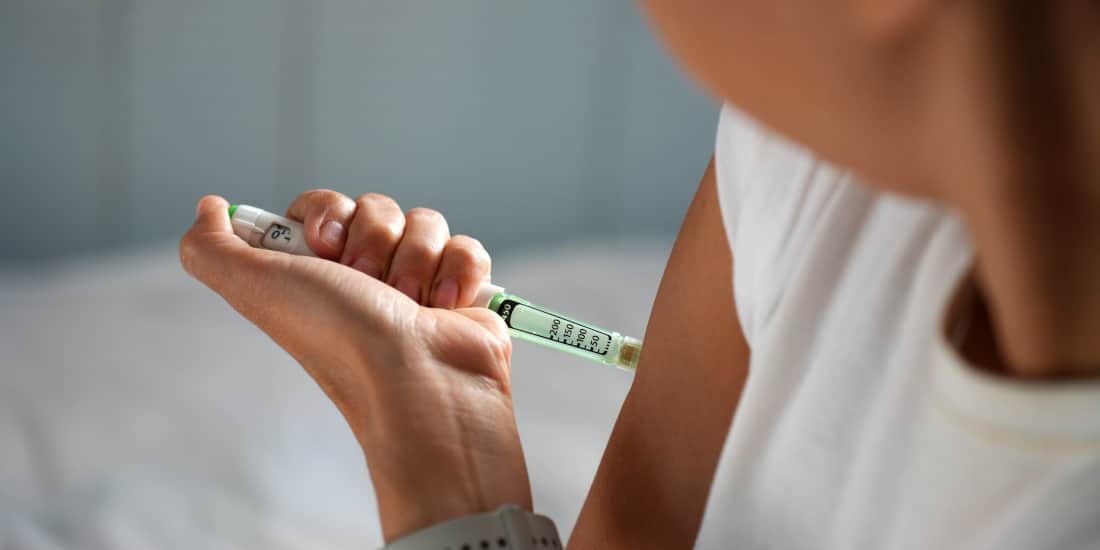
Understand how hormonal therapy fits into our endometriosis and adenomyosis care plan.
Pain Management
Mitigate pain while working toward lasting, root-cause treatment and healing.
Pelvic Floor Therapy
Address the muscle, nerve, and connective tissue drivers of pelvic pain.
Common Questions
How is multi-organ endometriosis treated without organ removal?
In many multi-organ cases, the goal is conservative surgery: removing endometriosis while preserving the organs themselves. That typically means meticulous excision of disease from surfaces and deeper planes around the bowel, bladder, ureters, ovaries, and pelvic sidewalls, freeing organs from scar tissue and restoring normal anatomy without taking the organ out. Because endometriosis can hide in distorted or “frozen” anatomy, the safest way to preserve organs is often a highly precise approach that can dissect around vital structures.
In our practice, we use robotic excision to improve visualization and fine-control dissection, which is especially helpful when disease involves multiple compartments or has been operated on before. When endometriosis is close to structures like the ureters, bowel, diaphragm, or certain nerves, treatment planning may include coordinated work with other surgical specialists so the disease can be fully addressed in one operation while still prioritizing organ-sparing techniques.
Organ removal is usually considered only when an organ is severely damaged, there are multiple large endometriomas that can’t be safely managed with tissue-sparing techniques, fertility-safety concerns arise (like a badly damaged tube), or there’s concern for tumor or malignant change. If you’re trying to avoid organ removal, we can help map likely disease sites, clarify your priorities (pain relief, function, fertility), and outline what organ-preserving excision could realistically look like in your specific case, then build a surgical plan around that.
When is hysterectomy recommended for adenomyosis?
A hysterectomy is typically considered for adenomyosis when symptoms are severe and clearly uterus-driven, most often heavy bleeding (sometimes with anemia), intense cramping, pelvic pressure, and daily quality-of-life disruption, and you’re not planning future pregnancy. It’s the most definitive option because adenomyosis lives within the uterine muscle, so removing the uterus removes the source of the problem.
In practice, we usually weigh hysterectomy most strongly when conservative options haven’t brought acceptable relief, aren’t tolerated, or don’t fit your goals. The decision also depends on the pattern and extent of disease (diffuse adenomyosis versus a more focal adenomyoma that may be removable while preserving the uterus) and whether endometriosis may also be present. If endometriosis is part of the picture, it’s important to know that hysterectomy alone doesn’t treat disease outside the uterus. Durable symptom relief depends on addressing all pain generators.
If you’re wondering whether you’re at the point where hysterectomy makes sense, our team can help clarify what’s most likely driving your symptoms, review imaging, and walk you through uterus-preserving versus definitive surgical paths so you can choose the option that best matches your relief and fertility priorities.
Can endometriosis cause infertility and pelvic pain in your 20s?
Yes. Endometriosis can absolutely show up in your late 20s and it can be a driver of both chronic pelvic pain and fertility challenges. Pain can include severe or worsening period cramps, pain with sex, bowel or bladder pain, and “flare” patterns that track with your cycle, although symptom severity doesn’t always match how much disease is present.
Endometriosis can affect fertility in several ways, including adhesions that distort tubo‑ovarian anatomy, inflammation and immune signaling that interferes with fertilization or embryo development, and ovarian factors, especially when endometriomas are involved. For some patients, the uterine environment also matters, particularly when adenomyosis is present alongside endometriosis. In our practice, we focus on listening to your full symptom and fertility story and then building an evaluation that looks for endometriosis while also checking for common look‑alikes or coexisting issues, so we can tailor a plan to your goals, whether that’s pain relief, preserving fertility, or both.
What is deep infiltrating endometriosis (DIE) and how is it treated?
Deep infiltrating endometriosis (DIE) is endometriosis that grows deeper into tissue, often described as more than ~5 mm below the surface, and it commonly involves structures like the uterosacral ligaments, rectovaginal space, bowel, bladder, or ureters. Because it can inflame, scar, tether, or even narrow/obstruct nearby organs, DIE may show up as “non-gynecologic” symptoms such as bowel or urinary pain, painful sex, nerve-type pelvic pain, or symptoms that don’t match a routine pelvic exam.
Treatment depends on where the disease is and what it’s affecting, but DIE is the subtype most likely to require specialized surgical planning. When surgery is appropriate, meticulous excision (removing disease at its roots rather than burning the surface) is the gold-standard approach for durable symptom relief and for addressing organ involvement; in complex cases this can include careful work around the bowel, bladder, and ureters. Our team focuses on advanced, precision excision (often using robotic technology) with a tailored plan that prioritizes safety, completeness, and your goals, whether that’s pain relief, fertility, or protecting organ function.
Because DIE can be missed on basic exams and even “normal” imaging, evaluation often requires a higher index of suspicion and the right strategy for mapping disease before any procedure. If DIE sounds like it could explain your symptoms, explore our detailed resources on deep disease and excision, or reach out to schedule a consultation so we can review your history, imaging, and next steps together.
Why are bowel movements painful and bloating worse during my period?
Painful bowel movements and bloating that flare during your cycle are common in endometriosis, especially when disease is deep in the pelvis near the rectum/rectosigmoid, or when inflammation and scarring tether the bowel to nearby structures. Even without endometriosis growing “inside” the bowel, pelvic lesions can irritate surrounding tissue and nerves, creating cramping, pressure, and the deep, sharp pain some people feel with passing stool. Hormonal cycling can amplify inflammation and swelling, which is why symptoms often peak around bleeding and then ease. Many patients also notice alternating constipation/diarrhea or an “endo belly” pattern that tracks with their period.
These symptoms are often confusing because standard GI workups (including colonoscopy) can be normal: bowel endometriosis frequently affects the outside of the bowel wall or deeper layers rather than the inner lining that a colonoscopy evaluates. What matters most is mapping where symptoms point anatomically and whether there are red flags like cyclical rectal bleeding, escalating severity, or signs of narrowing/obstruction. Our team focuses on a whole-pelvis evaluation and, when appropriate, targeted imaging and surgical planning to confirm what’s driving your bowel pain and bloating and treat it effectively. If you’d like, you can reach out to schedule a consultation so we can review your symptom pattern and discuss next steps.
Is uterine artery embolization (UAE) right for adenomyosis?
Uterine artery embolization (UAE), sometimes called adenomyosis embolization, can be a good fit when your main goal is symptom relief while preserving the uterus, especially if heavy bleeding and uterine “bulk” symptoms are a big part of your day-to-day. It’s a radiology procedure that reduces blood flow to targeted uterine tissue with the aim of shrinking or calming adenomyosis-related changes. Many patients do report meaningful improvement in quality of life after UAE, and the recovery is typically shorter than major surgery.
Whether it’s “right” depends on what you’re trying to solve (bleeding, pain, fertility, or all three) and whether adenomyosis is the primary driver of your symptoms, or if endometriosis is also part of the picture. In head-to-head research in people with MRI-confirmed, therapy-resistant adenomyosis who were eligible for hysterectomy and not trying to conceive, both UAE and hysterectomy improved quality of life at 1 year, but hysterectomy tended to have an advantage for pain relief and satisfaction. If you want the most definitive option for uterus-driven symptoms, hysterectomy is the clearest “source removal” treatment, while UAE is better viewed as a uterus-preserving option that may help substantially but isn’t guaranteed to be as durable.
If you’re weighing UAE, our team can help you clarify your diagnosis (including whether endometriosis may be contributing), review your imaging and goals, and map out a plan that matches the level of relief you need, now and long-term. Explore our adenomyosis care resources, and reach out to schedule a consultation if you want a personalized decision pathway.