


Cytoreduction
Cytoreduction is the highest-complexity form of abdominal-pelvic surgery, usually reserved for ovarian and intestinal malignancies. However it can be used when endometriosis is extensive and acting like an invasive pan-abdominopelvic process (aggressive but not yet cancer) or clear cell cancer endometriosis degeneration has occurred or coexisting ovarian cancer is encountered, usually with anatomy almost unrecognizably distorted. At this point a cancer surgeon level of expertise is absolutely required. The goal shifts in most of these cases beyond improving quality of life to preserving life itself. Such is the crossover to malignant behavior that is very uncommon but a definite consequence of family history, genetic anomalies or just chance occurrence, especially in women over forty.
Overview
Cytoreduction (sometimes called “debulking”) means surgically reducing a very large burden of disease when endometriosis starts acting aggressively like cancer or cancer is actually present. This type of quaternary surgery is most commonly associated with ovarian cancer and malignancies of other types, including degeneration of endometriosis. The goal shifts from excision of endometriosis lesions and groups of lesions to more aggressive removal of as much tumor growth as possible in order for molecular or chemotherapy to be able to offer a chance for cure. In terms of advanced techniques, multi-organ resection and surgeon skill, you can think of this as endometriosis excision's big brother of procedures.
In many cases, when this situation is encountered, it may be a surprise finding. In some cases the surgeon is inadequately trained to even recognize what is going on and intraoperative pathology can be inaccurate. So quaternary surgeon judgement is required to determine the best course of action, especially when there is a balance of diagnosis accuracy, pain, and fertility wishes that need to be considered. Further, often a specialist that can do this is not available and, if they are, most would convert the procedure immediately to a big incision (laparotomy) type of surgery even if started as a MIGS procedure. This is because even good tertiary surgeons, usually gynecologic oncologists called in emergently during the surgery, are not commonly adept at this level of MIGS cytoreduction.
Lastly, but very importantly, if the findings are a surprise and informed preoperative consent did not cover this possibility, there is only so much that can be done, other than biopsies. Then there is a probability that the surgery would be terminated early and a second surgery with a higher level surgeon scheduled, exposing the patient to additional risk from two surgeries rather than one well planned one.
When Is It Recommended?
Cytoreduction is most often indicated when malignant transformation is discovered during surgery. However, cytoreduction may also be recommended when imaging and symptoms suggest a high volume of complex disease—for example, large ugly looking complex endometriomas, extensive adhesions (“sticky scar tissue”), involvement of multiple pelvic compartments, or disease that is causing organ tethering or obstruction-like symptoms. It can also be considered when prior surgeries did not resolve symptoms or when there is a need for a more comprehensive, definitive surgical plan rather than repeated “spot treatments.”
If you (based on family history) or your team is worried about cancer risk, the surgical planning should be elevated a level to a quaternary capable surgeon and endo expert. The right next step is an expert consult to review your history, imaging, prior operative reports, and goals—pain relief, fertility preservation, or both—within a plan that may involve further testing (e.g. genetics) and prioritizes safety. If you’re in this position and weighing options, start with our services and consider scheduling a consultation.
In many cases, even if possible cancer or malignant degeneration is a concern but not found to be present, big endometriosis disease can still behave in a very aggressive fashion. That is because we know that there are molecular driver overlaps between cancer and endometriosis in certain cases. The goal here should be to take all evaluation and diagnostic steps possible before surgery to help make the best contingency plan for surgery, no matter what is found.
What to Expect
Because cytoreduction is reserved for the most complex disease patterns involving the whole abdomen and pelvis and possibly multiple organs, expectations should be individualized. For extremely advanced bulky multi-focal but not cancerous aggressive endometriosis it is one thing. For malignant degeneration it is quite another. Also, it is best to consider these things before surgery, especially if you are at higher risk based on genetics, family history or imaging finding. This helps a lot in making surgeon choices. It is important, or even critical, to avoid ending up in a situation where unexpected intraoperative emergency measures need to be taken. This unfortunate situation will most often yield poor results. Expectations are best set after proper testing that sometimes go well beyond standard endometriosis preoperative workups. At least a consult with a quaternary surgeon is prudent if there is reason to believe that you are at higher risk for highly advanced endometriosis with possible malignant degeneration.
About the Surgery
Cytoreduction for very advanced endometriosis or malignant degeneration is a comprehensive surgical approach focused on removing as much visible disease and scar tissue as is safely possible while protecting organ function. At Lotus Endometriosis Institute, complex endometriosis surgery is typically approached with minimally invasive MIGS robotically assisted methods when feasible, within our surgery and advanced excision program.
Rather than describing step-by-step technique, what matters most for patients is the scope: cytoreduction often involves addressing bulky disease across multiple pelvic and abdominal areas in one coordinated operation, sometimes alongside other surgical specialists depending on where disease is located. If there is any concern for malignant transformation, the plan may include additional safety steps such as comprehensive pathology review. Your surgeon should review what organs may be affected, what can reasonably be removed, and how your priorities—pain relief, fertility, avoiding repeat surgery—shape the surgical plan.
Recovery Expectations
Recovery after cytoreduction varies widely, depending on what is actually done and what organs were involved or removed or reconstructed. But in general, MIGS is still possible in many cases if a qualified and experienced quaternary gynecologic surgeon is available. Worldwide, relative to the total number of fellowship trained gynecologic oncologists, there are only a handful of surgeons at this level. If MIGS capable, most are trained in and focused on pelvic disease only.
If MIGS is possible, many patients can walk the same day, possibly go home the same day or the next morning, and gradually increase activity over 1–2 weeks. But fatigue and deeper pelvic soreness can last longer than with less complex procedures. It’s common to need a staged return to work and exercise; your team should provide clear milestones and individualized restrictions. If a big laparotomy incision is required, then the hospital stay can be up to ten days, possibly with an ICU admission during the stay, and much longer rehab with higher complication rates.
Why Expertise Matters
Cytoreduction sits at the highest end of complexity in abdominal-pelvic surgery. Outcomes depend heavily on judgment, training, and the ability to manage unexpected findings. Extensive pan-abdominopelvic endometriosis or malignant degeneration can be socked into multiple very difficult to access anatomic areas; incomplete removal can contribute to persistent symptoms and diminished chance for survival if cancer is present, while overly aggressive surgery can risk organ injury and higher complication rates during recovery. Choosing a surgeon with advanced expertise in complex abdomino-pelvic disease and MIGS can make a meaningful difference in both safety and long-term relief.
This is one reason Lotus emphasizes specialized surgical leadership. Dr. Steven Vasilev has extensive decades-long experience in complex pelvic surgery and oncologic-level decision-making. This is particularly relevant when anatomy is severely distorted due to advanced endo and fibrosis, or there is concern for uncommon malignant transformation. A quaternary specialist is also more likely to coordinate the right multidisciplinary team when required, optimize minimally invasive MIGS options, and integrate post-op rehabilitation to support durable recovery. To explore whether your case might fit the scenarios described above (or whether advanced Endometriosis Excision Surgery is the mostly likely need), consider us and schedule a consultation.
Patients Often Ask
Is uterine artery embolization (UAE) right for adenomyosis?
Uterine artery embolization (UAE), sometimes called adenomyosis embolization, can be a good fit when your main goal is symptom relief while preserving the uterus, especially if heavy bleeding and uterine “bulk” symptoms are a big part of your day-to-day. It’s a radiology procedure that reduces blood flow to targeted uterine tissue with the aim of shrinking or calming adenomyosis-related changes. Many patients do report meaningful improvement in quality of life after UAE, and the recovery is typically shorter than major surgery.
Whether it’s “right” depends on what you’re trying to solve (bleeding, pain, fertility, or all three) and whether adenomyosis is the primary driver of your symptoms, or if endometriosis is also part of the picture. In head-to-head research in people with MRI-confirmed, therapy-resistant adenomyosis who were eligible for hysterectomy and not trying to conceive, both UAE and hysterectomy improved quality of life at 1 year, but hysterectomy tended to have an advantage for pain relief and satisfaction. If you want the most definitive option for uterus-driven symptoms, hysterectomy is the clearest “source removal” treatment, while UAE is better viewed as a uterus-preserving option that may help substantially but isn’t guaranteed to be as durable.
If you’re weighing UAE, our team can help you clarify your diagnosis (including whether endometriosis may be contributing), review your imaging and goals, and map out a plan that matches the level of relief you need, now and long-term. Explore our adenomyosis care resources, and reach out to schedule a consultation if you want a personalized decision pathway.
What uterine-sparing options treat adenomyosis?
If you want to avoid hysterectomy, several uterine-sparing options may help reduce adenomyosis symptoms, although results can vary and symptoms can return over time. These approaches aim to decrease bleeding and pain or reduce the adenomyosis burden while preserving the uterus.
Depending on your goals and anatomy, options may include adenomyomectomy in select cases, uterine artery embolization, or high-intensity focused ultrasound. Hormonal management, such as a progestin-releasing IUD, may also meaningfully reduce heavy bleeding and cramping for some patients. Our team can help confirm whether adenomyosis is the main pain driver and talk through which uterus-preserving strategy best matches your fertility plans, symptom pattern, and imaging findings.
Can diffuse adenomyosis be managed without hysterectomy?
Yes, diffuse adenomyosis can often be managed without hysterectomy, especially when the goal is symptom control and preserving the uterus. Many patients feel meaningful improvement with hormone-based therapies such as a levonorgestrel (progesterone) IUD, continuous progestins, or GnRH antagonists paired with add-back therapy to reduce side effects.
For pain flares, anti-inflammatory medications may help with cramping, but they don’t treat the underlying disease. In carefully selected cases, uterus-sparing procedures may also be considered, including targeted surgery or uterine artery embolization, each with specific trade-offs, particularly around future fertility and symptom recurrence. Our team can review your symptoms, imaging, and goals to help you understand which non-hysterectomy options are most appropriate and what results you can realistically expect.
Why can pain persist after endometriosis surgery or normal imaging?
Pain can persist after surgery or even when imaging looks “normal” because pain isn’t always a direct measure of visible disease. For some patients, the nervous system stays on high alert (central sensitization), and pain signals continue even after the original trigger has been treated. Imaging also has limits: many pain generators, including subtle inflammation, scar tissue, or nerve irritation, may not show up clearly.
Ongoing symptoms can also come from pelvic floor muscle guarding, myofascial trigger points, or overlapping bladder and bowel pain conditions that coexist with endometriosis or adenomyosis. In these situations, relief often comes from a plan that addresses muscles, nerves, and co-conditions, not just lesions alone. Our team can help you sort out the most likely pain drivers and build a targeted recovery plan; if you’re struggling with persistent pain, reach out to schedule a consultation.
Can cytoreduction improve fertility?
Cytoreduction can improve fertility for some patients, especially when endometriosis, fibrosis, or adhesions have distorted pelvic anatomy or interfered with ovarian or tubal function. By carefully removing disease and freeing scarred or tethered structures, surgery may restore more normal pelvic relationships and, in select situations, still prioritize organ preservation.
That said, fertility outcomes are highly individual and depend on factors like age, ovarian reserve, prior pelvic surgeries, overall disease severity, and whether conditions like adenomyosis are also present. In a consultation, our team focuses on your fertility goals and helps you understand the potential benefits and trade-offs of cytoreduction in your specific case, including coordination with reproductive endocrinology when appropriate.
What type of surgeon performs gynecologic cytoreduction?
For gynecologic cytoreduction, the minimum appropriate lead surgeon is typically a gynecologic oncologist, because this surgery can involve complex disease patterns and oncologic-level decision-making. In many cases, cytoreduction goes beyond what a general gynecologist, or even many endometriosis-focused surgeons, regularly performs, especially when disease extends outside the pelvis or when findings are concerning for (or overlap with) malignancy.
Depending on what needs to be removed, cytoreduction may require a coordinated surgical team that can include an expert minimally invasive gynecologic surgeon alongside gynecologic oncology, and sometimes additional specialists such as general surgery or urology. While many gynecologic oncologists are highly experienced with open (laparotomy) cytoreduction, advanced minimally invasive cytoreduction, particularly when upper abdominal work is needed, is less widely available. Our team can help you understand what level of surgical expertise your case requires and whether a minimally invasive approach is realistic based on your imaging, prior surgeries, and symptoms.
Will cytoreduction cure endometriosis?
Endometriosis is a chronic inflammatory disease, so no surgery, including cytoreduction, can promise a lifetime “cure.” When cytoreduction is needed, it typically reflects extensive, aggressive disease where the priority is to remove as much disease as safely possible and address the drivers of pain and organ dysfunction.
Our goal with cytoreduction is meaningful improvement in quality of life: restoring anatomy, improving function, and reducing symptoms as much as we can. Recovery and next steps depend on what we find at surgery and what final pathology shows, and some patients benefit from a longer-term rehab and support plan afterward. If cancer is identified, additional treatments are often needed alongside surgery, and our team will help guide you through what that plan looks like and what outcomes are realistic in your specific case.
Is cytoreduction the same as endometriosis excision?
They overlap, but they’re not the same. Endometriosis excision surgery is focused on identifying and removing endometriosis lesions, often in a targeted way, even when multiple areas are involved.
Cytoreduction describes a broader, higher-complexity surgical approach used when disease is widespread and anatomy is significantly distorted, with the goal of safely reducing the overall disease burden while preserving organ function. In cytoreduction, peritoneal excision may be part of the operation, but the scope is more comprehensive than typical excision alone. If you’ve been told you may need cytoreduction, our team can help clarify what that means for your specific anatomy, symptoms, and surgical plan during a consultation.
Related Symptoms
This procedure may help address the following symptoms:
Related Procedures
You may also want to learn about these related procedures:
Related Articles

Should You Try Hormone Therapy Before Endometriosis Surgery?
Explore the benefits of hormone therapy before endometriosis surgery. Learn about GnRH agonists and their impact on pain and recovery.

Can You Trust TikTok for Endometriosis Surgery Advice?
Explore what TikTok reveals about endometriosis surgery. Get reliable insights and navigate your options safely. Find out more!

Do You Need Two Ultrasounds Before Bowel Endometriosis Surgery?
How TVS (transvaginal) and ERUS (endorectal) map rectal endometriosis, guide bowel surgery planning, flag stenosis and risks, and who benefits.
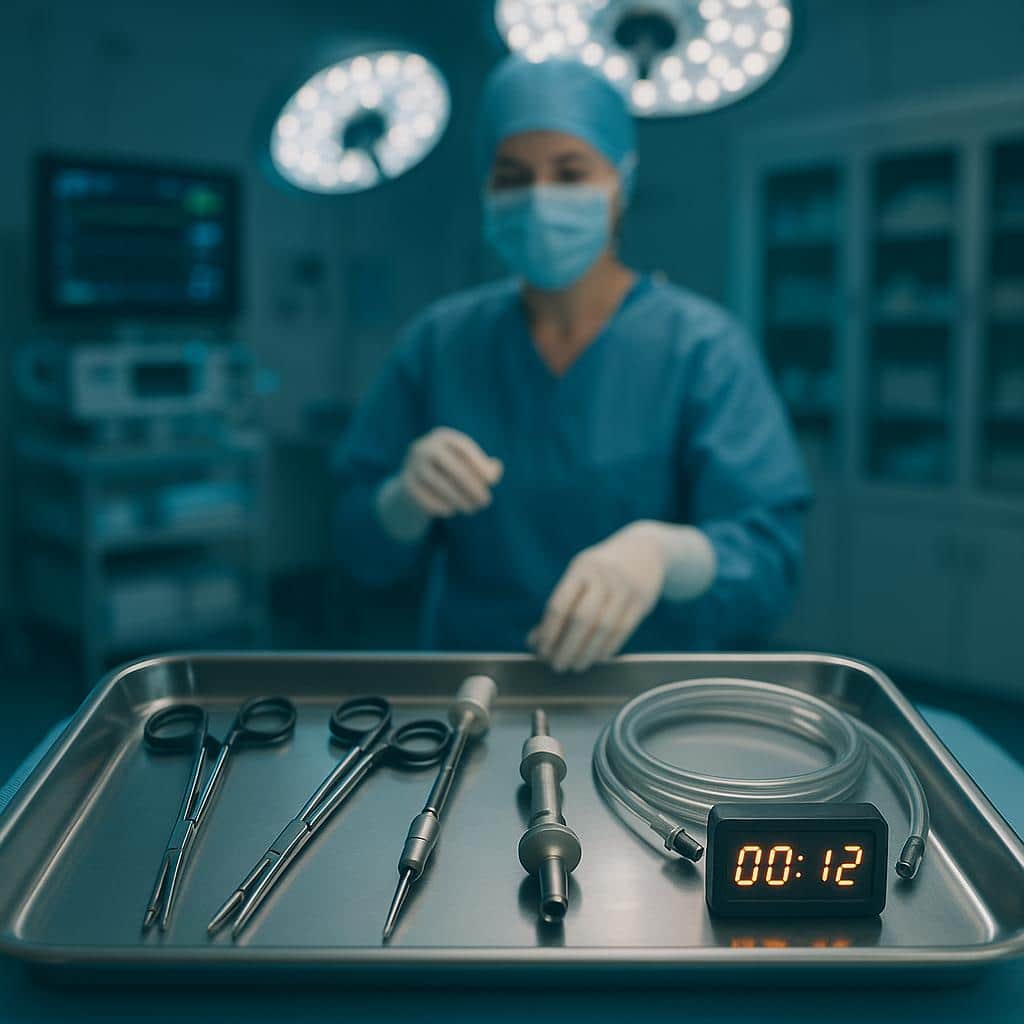
Does a Longer Endometriosis Surgery Mean More Complications? What a 2025 Study Found.
2025 study in stage III–IV minimally invasive endometriosis surgery: longer cases didn’t raise short-term complications but increased overnight-stay risk.

Gynecologic Oncologists - Safest Choice for Complex Endometriosis Surgery?
For deep or advanced endometriosis, oncology-trained surgeons often provide safer, more complete excision. Learn what this means for you at the Lotus Endometriosis Institute.
Considering Cytoreduction?
If you're exploring this procedure as a treatment option, our specialists can help you understand if it's right for your situation and answer any questions you may have.
Schedule a Consultation