


Painful Bowel Movements
Painful bowel movements (often called dyschezia) can be a sign of endometriosis or adenomyosis—especially when it flares during your period. It may reflect inflammation, pelvic floor spasm, or deep endometriosis affecting tissues around the bowel.
Overview
Pain during bowel movements is more than “just a GI issue” for many people with endometriosis and/or adenomyosis. You might notice sharp, crampy, or burning pain with passing stool, rectal pressure, or a deep pelvic ache that spikes right before or during your period. Some people also experience constipation, diarrhea, bloating, or nausea alongside the pain—symptoms that can make it hard to tell where the bowel ends and the pelvis begins.
In endometriosis, one common reason for painful bowel movements is disease located behind the uterus or along structures near the rectum (such as the cul-de-sac, uterosacral ligaments, rectovaginal septum), or deeper disease involving the bowel itself. These implants can swell and inflame with hormonal cycling, irritating nearby nerves and making the mechanical act of having a bowel movement feel intensely painful. In some cases, scarring (adhesions) can restrict how the bowel moves, adding traction and pressure during defecation.
Adenomyosis doesn’t grow on the bowel, but it can still contribute. When the uterine muscle is inflamed and tender, the uterus can feel “heavy,” enlarged, or exquisitely sore—especially during menstruation. Because the uterus sits directly in front of the rectum, uterine cramping, pelvic inflammation, and pressure can make bowel movements painful during periods, even without bowel endometriosis.
This symptom can overlap with conditions like irritable bowel syndrome (IBS), hemorrhoids, fissures, or inflammatory bowel disease (IBD). A key clue for endometriosis/adenomyosis is cyclicity: pain that predictably worsens around menstruation or is paired with other gynecologic symptoms (pelvic pain, painful periods, pain with sex, infertility). Still, it’s important not to self-diagnose—getting the right workup often requires a pelvic-focused evaluation such as the approach described in Evaluation & Diagnosis.
Day to day, painful bowel movements can affect what you eat, where you go, and how safe your body feels. Many patients start skipping meals, avoiding social plans, or delaying bowel movements (which can worsen constipation and pain). If you suspect your bowel pain is connected to endometriosis or adenomyosis, you deserve care that takes this seriously and looks for the root cause—not just symptom suppression.
What It Feels Like
Patients often describe painful bowel movements as “glass shards,” “knife-like pain,” “tearing,” “deep rectal cramping,” or an intense pressure low in the pelvis or rectum. For some, the pain peaks during the bowel movement; for others it lingers as an achy burn or spasms for minutes to hours afterward. You may also notice pain when passing gas, or a sensation that stool “can’t pass” even when you urgently need to go.
Many people report that symptoms are strongest during menstruation—sometimes starting a day or two before bleeding begins and improving once the period ends. Others have pain throughout the month, with a clear monthly flare. If deep endometriosis is involved, pain can be persistent and may gradually worsen over time.
Experiences vary widely. Some people have severe pain with normal-looking bowel habits, while others have constipation or diarrhea alternating with “normal” days. It’s also common for pelvic floor muscles to tighten protectively in response to pain, which can create a cycle of spasm → harder bowel movements → more pain.
If you feel dismissed because your pain is “just GI,” know that bowel-related pelvic pain is a well-recognized part of endometriosis—and adenomyosis can amplify pelvic tenderness and pressure. Tracking when the pain occurs (cycle day, foods, stool pattern, stress, sex, exercise) can help you and your clinician connect the dots.
How Common Is It?
Bowel symptoms are common in endometriosis, and painful bowel movements are one of the hallmark complaints when disease affects tissues near the rectum or causes significant inflammation in the posterior pelvis. Studies consistently show high rates of GI-type symptoms in endometriosis, though exact percentages vary depending on the population studied, how symptoms are defined, and whether deep disease is present.
Pain with bowel movements is more suggestive of deep infiltrating endometriosis (especially when it is cyclical and associated with pelvic pain, painful sex, or severe period pain). However, it’s important to know that symptom severity does not perfectly match stage—some people with superficial disease have severe symptoms, and some with extensive disease have surprisingly mild symptoms.
In adenomyosis, bowel-movement pain is less specific but still reported—often tied to heavy, painful periods and a feeling of pelvic “bulk” or pressure. Because endometriosis and adenomyosis frequently co-occur, many patients have overlapping drivers of bowel pain.
Causes & Contributing Factors
In endometriosis, painful bowel movements most often come from a combination of inflammation, scarring, and nerve sensitization in the pelvis. Endometrial-like tissue can implant on the peritoneum or ligaments behind the uterus, creating swelling and inflammatory chemicals that irritate pelvic nerves. When the rectum needs to expand and contract during a bowel movement, nearby inflamed tissue can be stretched or compressed—triggering pain.
With deep infiltrating endometriosis, lesions can extend into the bowel wall (commonly the rectosigmoid area) or tether the bowel via adhesions. This can lead to pain, constipation, changes in stool caliber, or a sense of incomplete emptying. Not everyone with bowel endometriosis has rectal bleeding, but cyclical rectal bleeding is a red flag that should be evaluated promptly.
In adenomyosis, the uterus itself is inflamed and can be enlarged, particularly around menstruation. The uterus sits close to the rectum; uterine cramping and pressure can be “felt” as rectal pain, especially when straining or when stool passes through the rectum.
Finally, pelvic floor dysfunction frequently overlaps with both conditions. When pelvic floor muscles stay clenched (often subconsciously in response to chronic pain), bowel movements can become painful even without bowel-wall disease. This is one reason a whole-person plan often includes pelvic floor therapy alongside medical or surgical treatment.
Treatment Options
Treatment depends on the cause—which is why a targeted evaluation matters. If you suspect endometriosis or adenomyosis, start with a specialist-led assessment through Evaluation & Diagnosis. Imaging may help in some cases (especially for deep disease), but endometriosis can still be present even when scans look normal.
Medical options may reduce cyclical inflammation and pain. Hormonal suppression (such as continuous combined contraceptives, progestins, or other hormone-modulating medications) can decrease period-related flares, which may ease painful bowel movements for some patients. Symptom-focused medications—NSAIDs (if safe for you), neuropathic pain agents, or antispasmodics—can be part of a broader plan; see Pain Management and Hormonal Therapy for patient-friendly overviews.
When bowel pain is driven by endometriosis, surgery can be the most definitive option, and excision surgery is considered the gold standard because it aims to remove disease at its root rather than only burning the surface. Deep disease near the bowel often requires advanced planning and, in some cases, a multidisciplinary approach. Learn more about surgical care at Surgery & Advanced Excision and about our surgeon, Dr. Steven Vasilev.
Pelvic floor physical therapy can be highly effective when muscle spasm or coordination issues contribute to painful bowel movements. Therapy may include relaxation training, down-training/biofeedback, bowel mechanics, and strategies to reduce straining—often improving pain even while other treatments are underway. You can explore related education in our Pelvic Floor Dysfunction and Pelvic Floor PT resources.
Lifestyle and self-care can help reduce flares while you pursue diagnosis and treatment: keeping stools soft (hydration, fiber titrated to tolerance, osmotic stool softeners if advised), using a footstool/squat posture, heat for pelvic relaxation, gentle movement, and pacing on high-pain days. Nutrition strategies can be individualized—especially if constipation/diarrhea cycles are present; browse GI Symptoms and Anti-Inflammatory Diet. For personalized care options, explore our services.
When to Seek Help
Seek urgent medical care if you have severe or worsening abdominal/pelvic pain, fever, persistent vomiting, fainting, black or large amounts of bloody stool, inability to pass stool or gas with significant bloating, or signs of dehydration. These symptoms can indicate bowel obstruction, significant infection, or GI bleeding—conditions that shouldn’t be attributed to endometriosis without immediate evaluation.
Schedule a specialist appointment if bowel-movement pain is cyclical, repeatedly disrupts your life, worsens over time, or occurs alongside symptoms like painful periods, pelvic pain, pain during intercourse, infertility, or urinary symptoms. Bring specifics: when the pain occurs in your cycle, stool pattern changes, whether you need to strain, any rectal bleeding, and what has/hasn’t helped. If you feel your concerns have been minimized, it’s reasonable to advocate for a deeper workup—Lotus can help guide next steps through Evaluation & Diagnosis.
If you’re ready to get answers and a clear plan, you can schedule a consultation with the Lotus Endometriosis Institute. We offer patient-centered care in Southern California, including our Office - Santa Monica, CA and Office - Arroyo Grande, CA.
Experiencing Painful Bowel Movements?
If you're dealing with this symptom, our specialists can help determine if endometriosis may be the cause and discuss your treatment options.
Schedule a ConsultationFrequently Asked Questions
How is multi-organ endometriosis treated without organ removal?
In many multi-organ cases, the goal is conservative surgery: removing endometriosis while preserving the organs themselves. That typically means meticulous excision of disease from surfaces and deeper planes around the bowel, bladder, ureters, ovaries, and pelvic sidewalls, freeing organs from scar tissue and restoring normal anatomy without removing the organ. Because endometriosis can hide in distorted or frozen anatomy, the safest way to preserve organs is often a highly precise approach that allows dissection around vital structures.
In our practice, we use robotic excision to improve visualization and fine control during dissection, which is especially helpful when disease involves multiple compartments or has been operated on before. When endometriosis is close to structures like the ureters, bowel, diaphragm, or certain nerves, treatment planning may include coordinated work with other surgical specialists so the disease can be fully addressed in one operation while still prioritizing organ-sparing techniques.
Organ removal is usually considered only when an organ is severely damaged, there are multiple large endometriomas that can’t be safely managed with tissue-sparing techniques, fertility-safety concerns arise (like a badly damaged tube), or there’s concern for tumor or malignant change. If you’re trying to avoid organ removal, we can help map likely disease sites, clarify your priorities for pain relief, function, and fertility, and outline what organ-preserving excision could realistically look like in your specific case. We can then build a surgical plan around that.
What is deep infiltrating endometriosis (DIE) and how is it treated?
Deep infiltrating endometriosis (DIE) is endometriosis that grows deeper into tissue, often described as more than ~5 mm below the surface. It commonly involves structures like the uterosacral ligaments, rectovaginal space, bowel, bladder, or ureters. Because it can inflame, scar, tether, or even narrow or obstruct nearby organs, DIE may cause non-gynecologic symptoms such as bowel or urinary pain, painful sex, nerve-type pelvic pain, or symptoms that don’t match a routine pelvic exam.
Treatment depends on where the disease is and what it’s affecting, but DIE is the subtype most likely to require specialized surgical planning. When surgery is appropriate, meticulous excision (removing disease at its roots rather than burning the surface) is the gold-standard approach for durable symptom relief and addressing organ involvement. In complex cases, this can include careful work around the bowel, bladder, and ureters. Our team focuses on advanced, precision excision, often using robotic technology, with a tailored plan that prioritizes safety, completeness, and your goals, whether that’s pain relief, fertility, or protecting organ function.
Because DIE can be missed on basic exams and even normal imaging, evaluation often requires a higher index of suspicion and the right strategy for mapping disease before any procedure. If DIE sounds like it could explain your symptoms, explore our detailed resources on deep disease and excision, or reach out to schedule a consultation so we can review your history, imaging, and next steps together.
Why are bowel movements painful and bloating worse during my period?
Painful bowel movements and bloating that flare during your cycle are common in endometriosis, especially when disease is deep in the pelvis near the rectum or rectosigmoid, or when inflammation and scarring tether the bowel to nearby structures. Even without endometriosis growing inside the bowel, pelvic lesions can irritate surrounding tissue and nerves, causing cramping, pressure, and the deep, sharp pain some people feel when passing stool. Hormonal cycling can amplify inflammation and swelling, which is why symptoms often peak around bleeding and then ease. Many patients also notice alternating constipation and diarrhea or an endo belly pattern that tracks with their period.
These symptoms are often confusing because standard GI workups (including colonoscopy) can be normal: bowel endometriosis frequently affects the outside of the bowel wall or deeper layers rather than the inner lining that a colonoscopy evaluates. What matters most is mapping the areas your symptoms point to and checking for red flags like cyclical rectal bleeding, escalating severity, or signs of narrowing or obstruction. Our team focuses on a whole-pelvis evaluation and, when appropriate, targeted imaging and surgical planning to confirm what’s driving your bowel pain and bloating and treat it effectively. If you’d like, reach out to schedule a consultation so we can review your symptom pattern and discuss next steps.
Why is my period pain so severe it disrupts my daily life?
Severe, life-disrupting period pain isn’t normal cramps, and it often points to an underlying cause that deserves a real explanation, rather than symptom masking. One common cause is endometriosis, where tissue similar to the uterine lining grows outside the uterus and can irritate pelvic structures, trigger inflammatory chemicals, and sometimes involve organs like the bowel or bladder. Pain severity doesn’t reliably match stage, so someone can have intense pain even if imaging looks normal or disease appears limited.
When period pain is severe, worsens over time, starts years after your first period, or comes with heavy bleeding, painful sex, bowel pain with periods, urinary pain, or fatigue, we look for patterns because endometriosis and related conditions can overlap with pelvic floor dysfunction, nerve pain/central sensitization, GI dysbiosis, vascular issues, or adenomyosis. We take your full timeline and flare pattern seriously, then tailor the evaluation with a careful exam and expertly interpreted imaging when helpful. If your pain is disrupting school, work, relationships, or daily functioning, reach out to schedule a consultation. Our team can help you identify what’s driving it and map out a plan aimed at lasting relief.
Can endometriosis cause a painful bump near the anus?
Yes. Endometriosis can contribute to pain and pressure around the rectum and anal area, especially when disease involves the rectum/rectosigmoid region or nearby tissues. Many patients describe deep pain with bowel movements, rectal pressure, or symptoms that flare around their cycle. Those patterns can fit bowel or deep infiltrating endometriosis.
That said, a sensitive bump on the anus itself is more often something else, such as a hemorrhoid, fissure, skin infection/abscess, or another localized anal/skin condition. In some cases, pelvic disease can coexist with these issues, which is why we don’t assume every finding is endometriosis or dismiss it as insignificant.
If you’re noticing a new, persistent, or worsening bump (especially if it’s very tender, draining, bleeding, or associated with fever), we want to evaluate the full picture. Our team can sort out whether your symptoms point to bowel endometriosis, a separate anorectal condition, or both. We can then plan next steps, such as a focused exam and, when appropriate, expertly interpreted imaging to map possible deep disease.
What is the AAGL endometriosis classification system?
The AAGL endometriosis classification system is a standardized way for surgeons to describe what they found at surgery: where endometriosis is located, how extensive it is, and how complex the disease appears. Its goal is to create a more consistent shared language than older staging alone provides, especially when symptoms and imaging don’t tell the full story.
Unlike simple stage labels, AAGL-style classification is meant to better capture surgical complexity, including deeper disease that can involve structures such as the uterosacral ligaments, rectovaginal space, bowel, bladder, or ureters. This matters because location and depth (for example, deep infiltrating disease) can drive very different symptoms and may change imaging choices and surgical planning. If you’re reading an operative report or trying to make sense of what a surgeon told you, our team can help explain what the classification likely means for your body, your symptoms, and the treatment path you’re considering.
What is pelvic dissection in endometriosis surgery?
Pelvic dissection in endometriosis surgery means carefully separating and opening tissue planes in the pelvis so we can see normal anatomy clearly and remove disease safely. Endometriosis can cause inflammation and scarring that glues organs together (sometimes called a frozen pelvis), so dissection is often the step where we free adhesions and restore normal relationships between the uterus, ovaries, bowel, bladder, and pelvic sidewalls.
In practical terms, pelvic dissection may include identifying and protecting critical structures such as the ureters, bladder, bowel, blood vessels, and pelvic nerves before excising endometriosis at its roots. Surgical precision matters here: the goal is to fully address disease while minimizing injury to healthy tissue, especially in complex or re-operative cases. If you see this term in an operative note or surgical plan, it usually reflects the complexity of the anatomy and the deliberate work needed to make excision both complete and safe. Our team can walk you through exactly what was dissected and why in your specific case.
What does a frozen pelvis mean with endometriosis?
A “frozen pelvis” isn’t a separate diagnosis: it’s a descriptive term surgeons use when the uterus is essentially stuck in place because endometriosis-related inflammation has caused dense scarring (adhesions). Rather than moving freely, the uterus may be tethered to nearby structures like the bowel, bladder, ovaries, or pelvic sidewall, sometimes pulling it into an abnormal position and making pelvic anatomy hard to distinguish. For this reason, some have also called it a “frozen uterus”.
This finding often suggests more advanced disease, such as deep infiltrating endometriosis and/or significant adhesions from prior inflammation or surgery. It can help explain symptoms like deep pelvic pain, painful sex, bowel or bladder symptoms, or pain that doesn’t match what a routine exam shows. In these cases, surgery is less about burning spots and more about carefully restoring normal anatomy: freeing organs, protecting ureters and bowel, and removing endometriosis at its roots. If you’ve been told your uterus is “frozen,” our team can help you understand what that means for imaging, surgical planning, and which adjacent organs may need to be evaluated as part of a complete excision strategy.
Related Symptoms
Related Articles
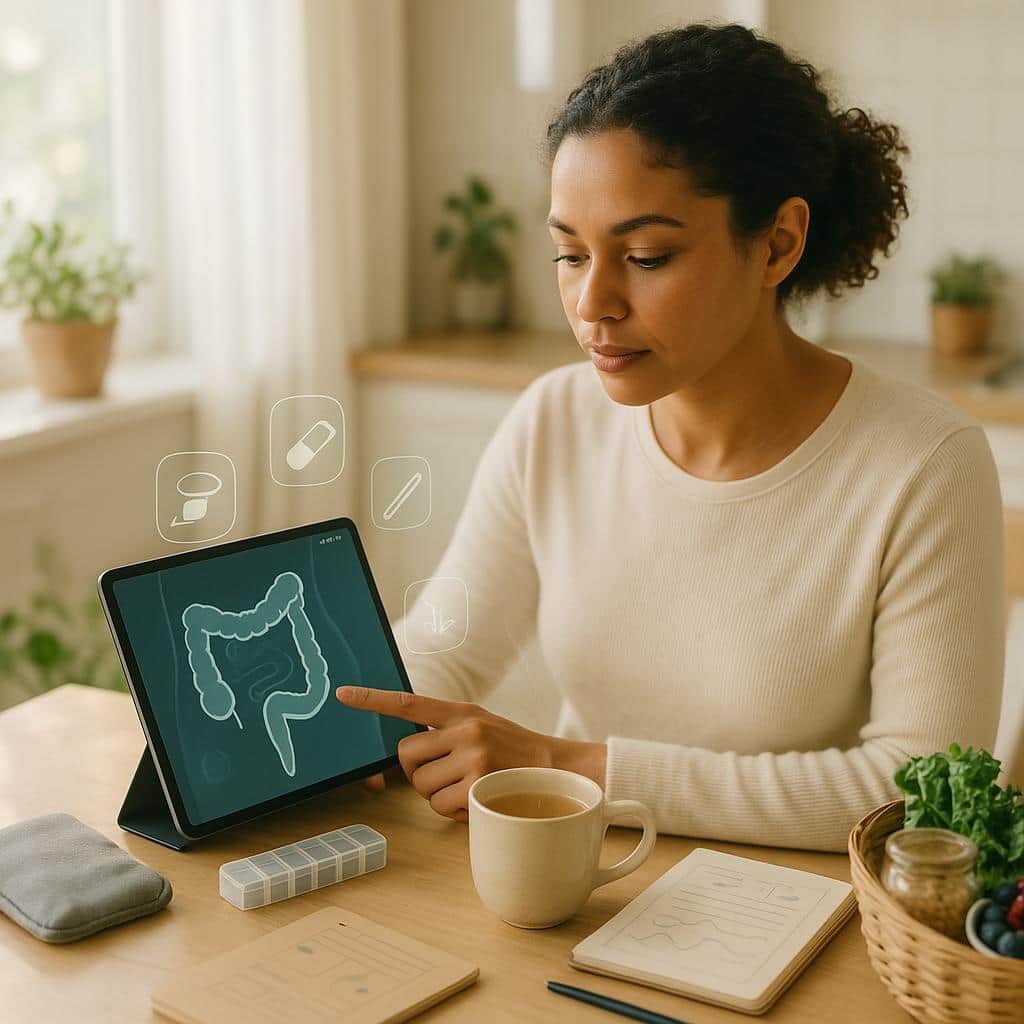
Bowel Endometriosis: Causes, Symptoms, and Treatment
Bowel endometriosis explained: locations, symptoms, causes, diagnosis and misdiagnosis, plus treatments from minimally invasive surgery to lifestyle changes.
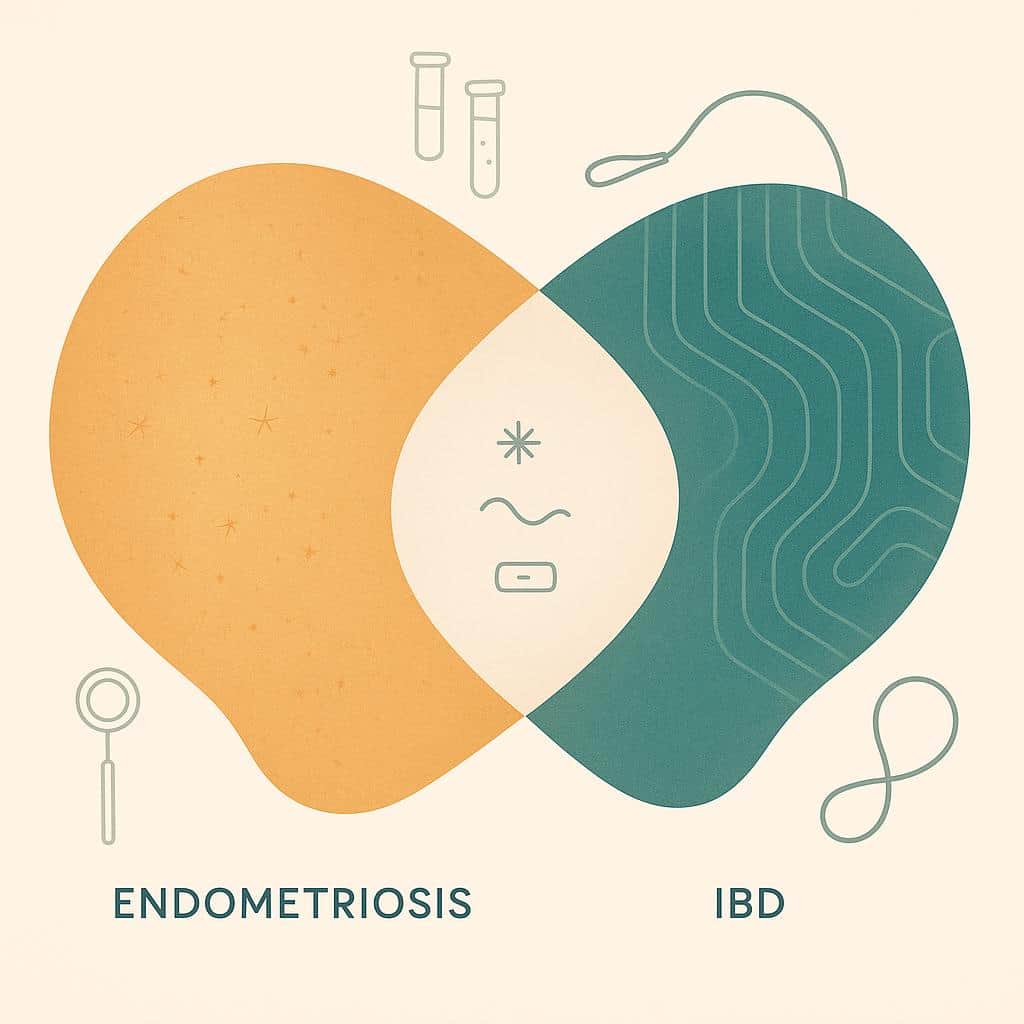
Endometriosis or Inflammatory Bowel Disease? The Key Differences
How endometriosis and inflammatory bowel disease differ and overlap. Symptoms, diagnostic challenges, epidemiology, treatment risks, and research gaps.

Relugolix for Endometriosis Pain: What a 2025 Meta-Analysis Says About Relief, Quality of Life, and Side Effects
2025 meta-analysis of relugolix for endometriosis: pain relief, QoL gains, side effects and add-back therapy, plus comparison with leuprorelin.

Dienogest vs. Combined Oral Contraceptives for Endometriosis Pain: What a 2025 Meta-Analysis Found
A 2025 meta-analysis of dienogest vs OCPs for endometriosis pain: dienogest helps generalized pain; OCPs help pelvic pain/dyspareunia. Similar side effects.
Different Types of Endometriosis Pain Explained
Explore types of endometriosis pain, evaluation, and evidence-based treatments, including triggers, pelvic floor therapy, CNS sensitization, and adenomyosis.