

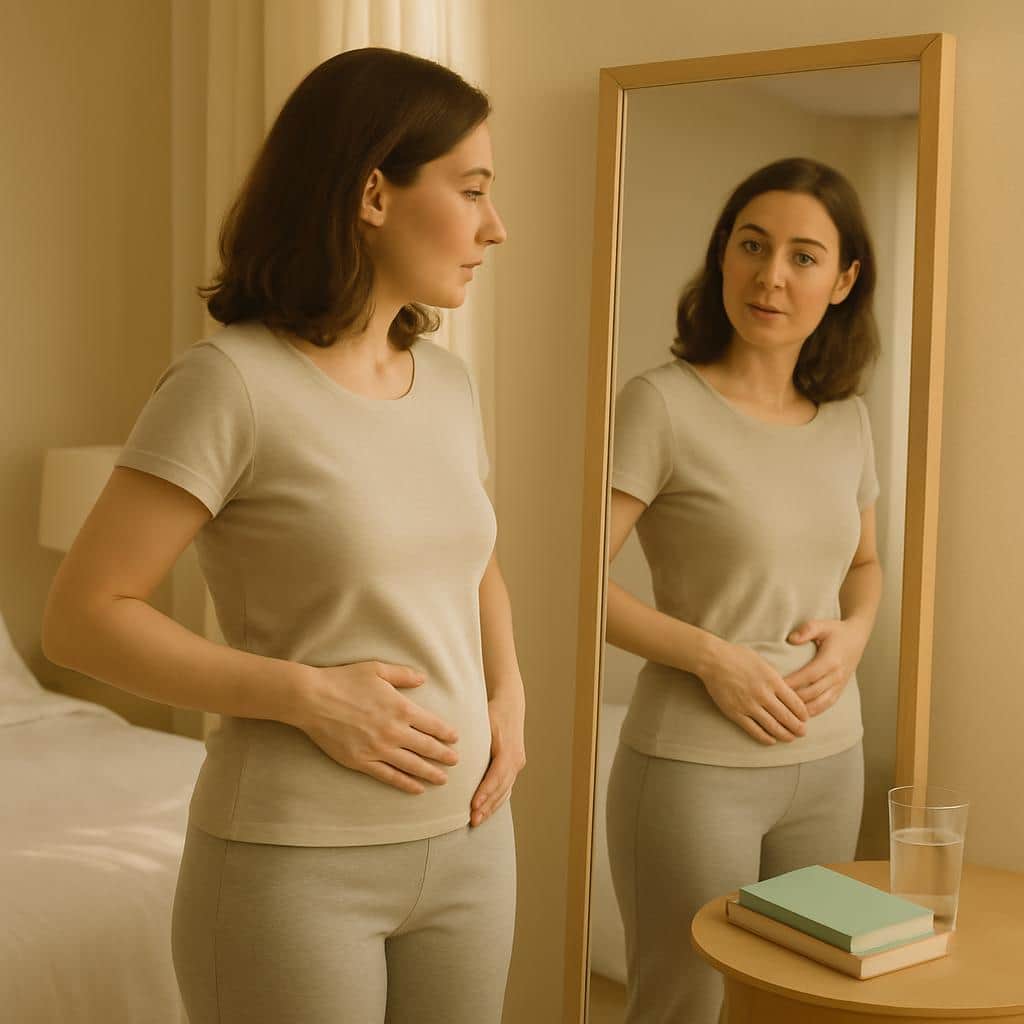
Can Endometriosis Cause Weight Gain?
Explore how endometriosis may contribute to body changes like bloating and weight gain. Learn more about the latest research and expert insights.
8 minute read
Read moreDiscover how Lotus can guide you toward lasting relief.
Explore why patients choose Lotus
Search expert-written answers, browse by topic, or find information based on where you are in your journey.
Explore All KnowledgeReach out and start your healing journey.
Schedule an AppointmentEvidence-based nutrition to calm inflammation, support the gut-immune axis, and ease pelvic pain, with practical food swaps, key nutrients, and supplement guidance to aid recovery and long-term endometriosis health.
Anti-inflammatory eating focuses on calming immune signaling, stabilizing blood sugar, and supporting estrogen metabolism through the gut-liver axis. For endometriosis and adenomyosis, patterns rich in plants, fiber, and omega‑3 fats are linked to fewer flares, less pelvic pain, and better energy, while highly processed foods, excess alcohol, and trans fats can amplify prostaglandins and cytokines that drive symptoms.
Guidance centers on practical, sustainable swaps: colorful vegetables and berries daily; legumes and intact whole grains for fiber; extra‑virgin olive oil and nuts; fatty fish or plant omega‑3 sources; lean proteins; and fermented foods as tolerated. Spices like turmeric and ginger can round out a food‑first approach without unnecessary blanket eliminations. Learn how to tailor choices to IBS‑type symptoms, iron needs, and training demands, and when short, supervised trials of exclusions make sense. Dive deeper into the microbiome in Gut Health, find recipes and menus in Meal Guides, and review targeted add‑ons in Supplements.
Yes and no. The evidence supports the idea that nutrition can influence pathways that matter in endometriosis (such as inflammation, oxidative stress, hormone metabolism, and the microbiome), so diet can be a meaningful part of symptom support. What the research does not support, at least not yet, is a single, universally proven “endometriosis diet” that reliably treats the disease or works the same way for everyone.
Most of the strongest signals come from observational research, where higher overall diet quality and Mediterranean-style, anti-inflammatory patterns are associated with better reproductive health and a lower likelihood of having endometriosis. That’s encouraging, but it isn’t proof that changing your diet will prevent endometriosis, shrink lesions, or predictably improve pain or fertility for an individual. In our experience, nutrition tends to be most helpful when it’s tailored to your symptom pattern, especially if you have significant bloating, bowel symptoms, or IBS overlap.
If you’re deciding what’s worth your time, we recommend focusing on evidence-aligned, sustainable changes rather than long lists of forbidden foods or internet protocols that promise a cure. Our team integrates nutrition and lifestyle strategies into an overall endometriosis plan, so you’re not left experimenting endlessly and can evaluate what’s actually helping you.
Yes, certain foods can make endometriosis symptoms feel worse for some people, even though there isn’t one universal endometriosis diet. Endometriosis is a chronic inflammatory condition, and eating patterns that increase inflammation (or trigger gut symptoms) can amplify pain, bloating, and fatigue. We also see that food sensitivities and overlapping GI symptoms, like IBS-type symptoms, can make endometriosis flares feel more intense, even if the underlying lesions are unchanged.
Rather than assuming you need to cut out a long list of foods, we usually recommend looking for your patterns. Keeping a simple symptom-and-food log for a few weeks can help identify whether certain meals correlate with pelvic pain, bowel symptoms, or a flare around your cycle. Many patients do best focusing on overall diet quality (think anti-inflammatory, Mediterranean-style eating) while avoiding extremes and internet forbidden foods lists. If you’d like a structured, evidence-informed approach, our team can help you integrate nutrition and lifestyle strategies into a plan that also addresses the disease itself, not just symptom management.
Yes, alcohol and caffeine may matter for some people, but they’re unlikely to be the main driver of endometriosis-related infertility on their own. Endometriosis can impair fertility through inflammation and immune signaling, effects on egg quality and ovulation (especially with endometriomas), changes in fallopian tube function and pelvic anatomy, and altered uterine receptivity. The picture is usually multifactorial.
In research, alcohol and caffeine appear more as potential contributors to hormone metabolism, inflammation, oxidative stress, and sleep/stress physiology than as clear, stand-alone causes of infertility. That means some patients notice improvement when they reduce or eliminate them, while others see no meaningful change, especially if active disease (such as deep endometriosis, tubal involvement, or endometriomas) is the dominant issue. If you’re trying to conceive and wondering what role these exposures might play in your case, our team can help you connect your symptoms, imaging, ovarian reserve considerations, and prior fertility history to a plan that targets the factors most likely to make a difference.
There isn’t one proven endometriosis fertility diet, but research most consistently points to the importance of overall diet quality, especially Mediterranean-style, anti-inflammatory patterns. In practical terms, that usually means emphasizing minimally processed foods, plenty of plants, fiber, and healthy fats, while cutting back on dietary patterns linked with higher inflammation (often those heavy in ultra-processed foods and certain fats).
Specific nutrition areas we often discuss in a fertility-focused endometriosis plan include omega-3 intake (from food first when possible), steady fiber for gut and estrogen metabolism, and support for the microbiome, because gut and immune signaling may influence the hormonal and inflammatory environment around ovulation and implantation. Diet changes won’t erase endometriosis, but they can be a meaningful tool in a broader strategy that also considers the anatomy of the tubes and ovaries, inflammation, and timing. If you’d like, our team can help you choose evidence-aligned nutrition targets based on your symptoms, labs, and fertility goals, and integrate them with a plan for endometriosis treatment.
In the first days to a couple of weeks after bowel endometriosis surgery, the best diet is one that’s gentle on your gut while you heal and get your bowels moving again. Many patients do well starting with softer, easier-to-digest meals, prioritizing hydration, and making protein a daily priority for tissue repair (eggs, fish, tofu, yogurt if tolerated). Constipation is common after pelvic surgery, especially if you’re using narcotic pain medications, so we usually focus on easing digestion first, then gradually increasing fiber as your body tolerates it.
As your appetite and bowel function normalize, we generally guide patients toward an anti-inflammatory, Mediterranean-style pattern rather than a restrictive endo diet. That typically means plenty of colorful fruits and vegetables, healthy fats like olive oil, and omega-3-rich foods, with an emphasis on overall diet quality over eliminating long lists of foods. Because bowel procedures vary (shaving, disc excision, or segmental resection) and recovery can be very individual, our team can help tailor nutrition and gut-support strategies to your specific surgery, symptoms like bloating, diarrhea, and constipation, and any food intolerances. Reach out if you’d like a personalized post-op plan.
Many people feel best with a mostly whole-food, plant-forward pattern that emphasizes colorful fruits and vegetables, beans and lentils, nuts and seeds, and minimally processed whole grains. Fatty fish and other omega-3-rich foods can also support a healthier inflammatory balance, especially when they replace more highly processed fats.
That said, anti-inflammatory eating isn’t one-size-fits-all. What helps depends on your symptoms, digestion, and any conditions such as endometriosis or adenomyosis. If you’re trying to use nutrition to support pelvic pain, bloating, or cycle-related flares, our team can help you think through a realistic plan alongside your overall treatment approach. You’re welcome to reach out to schedule a consultation.
Daily symptom control usually depends more on consistency than intensity. Many patients do best with pacing (planning your day to avoid the push-crash cycle) and using heat strategically to calm pelvic and low back pain. Gentle, regular movement can also help keep the pelvis from tightening up, especially when symptoms flare with sitting or fatigue.
Nutrition can play a role too, particularly eating patterns that reduce inflammation and steady blood sugar rather than quick fixes. For some people, ongoing pelvic floor muscle guarding is a major driver of daily pain, pressure, and urinary or bowel discomfort, so identifying and addressing pelvic floor dysfunction can be a turning point. If your symptoms are still running your life despite these basics, our team can help evaluate what’s driving them and whether a targeted treatment plan (including surgical options when appropriate) may offer more durable relief.
Diet can’t treat or cure endometriosis in the sense of removing the disease, but what you eat can influence how you feel day to day. Many patients notice that certain eating patterns help reduce bloating, digestive upset, and inflammation-driven discomfort, which can make pain and fatigue more manageable.
We often think of nutrition as a supportive tool alongside a full evaluation and a treatment plan tailored to your symptoms and goals. If you’re noticing food-related flares, our team can help you think through what might be contributing and how to make sustainable changes without over-restricting. You can reach out to schedule a consultation if you’d like personalized guidance.
Explore how endometriosis may contribute to body changes like bloating and weight gain. Learn more about the latest research and expert insights.
Learn what truly supports endometriosis symptom relief and improving your reproductive health, backed by reliable research and new evidence.
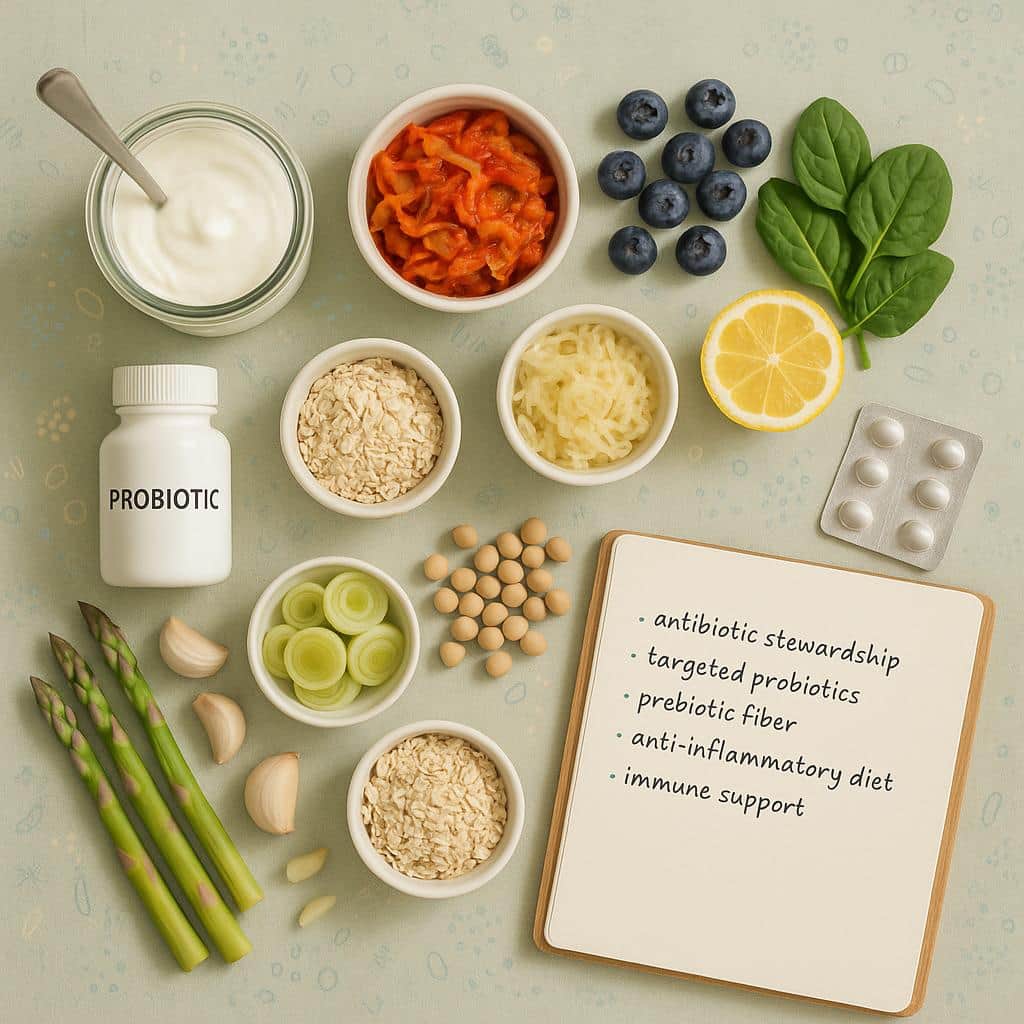
Learn how antibiotics, probiotics, prebiotics, diet and immunomodulation affect the endometriosis–gut axis, with practical, research-backed microbiome tips.
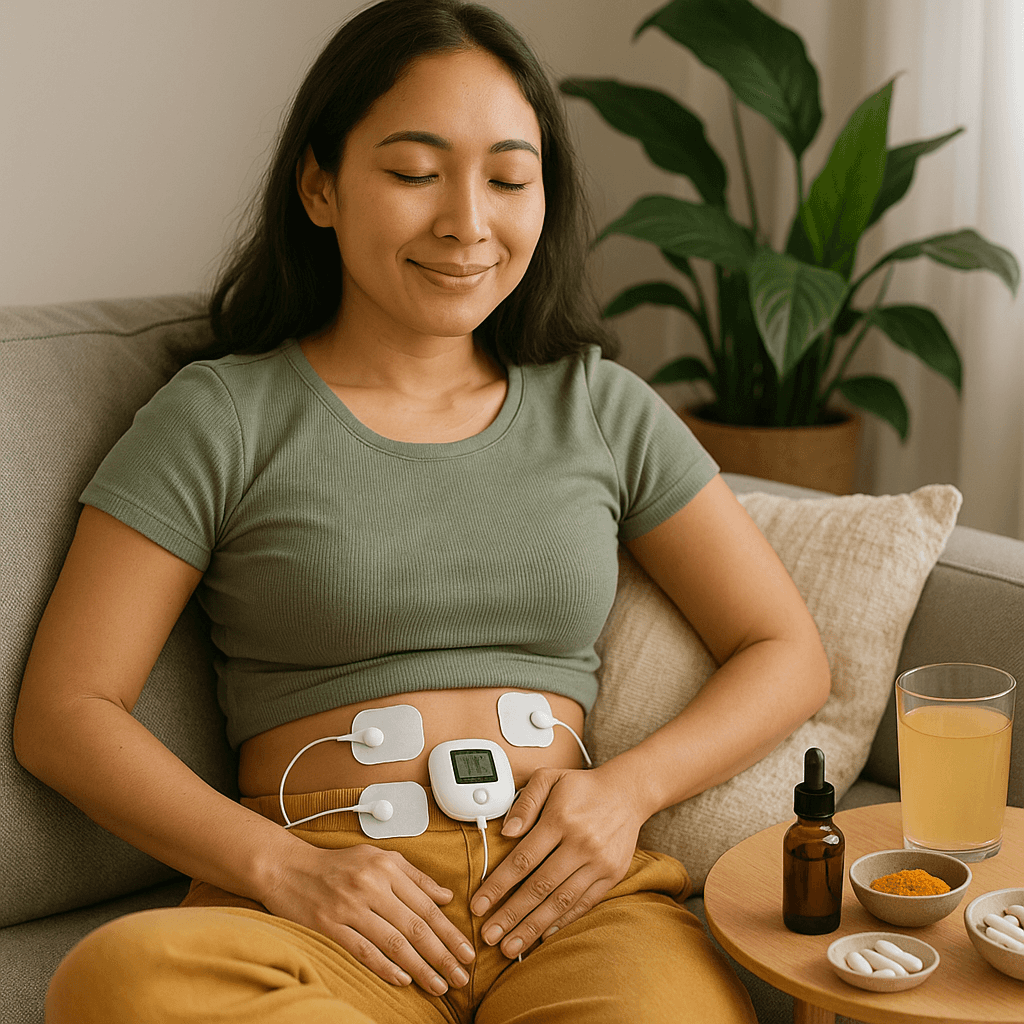
Learn how TENS, diet changes, CBD, turmeric, meditation, yoga, and acupuncture can complement care and help relieve pelvic pain from endometriosis.
Your guide to endometriosis surgery recovery: healing tips, nutrition, mental health support, recurrence prevention, and planning for long-term wellness.
Lotus Endometriosis Institute provides California-based surgical evaluation and advanced excision care for patients with suspected endometriosis, adenomyosis, complex pelvic pain, and related conditions.
Many patients contact us from outside California to learn whether traveling for in-person evaluation and possible surgery may be appropriate.
2121 Santa Monica Blvd, Santa Monica, CA 90404
8am - 5pm
Monday - Friday
154 Traffic Way, Arroyo Grande, CA 93420