General
Can foods worsen endometriosis symptoms?
The short answer
Yes, certain foods can worsen endometriosis symptoms for some people, but there is no universal endometriosis diet. Eating patterns that increase inflammation or trigger gut symptoms can amplify pain, bloating, and fatigue.
Yes, certain foods can make endometriosis symptoms feel worse for some people, even though there isn’t one universal endometriosis diet. Endometriosis is a chronic inflammatory condition, and eating patterns that increase inflammation (or trigger gut symptoms) can amplify pain, bloating, and fatigue. We also see that food sensitivities and overlapping GI symptoms, like IBS-type symptoms, can make endometriosis flares feel more intense, even if the underlying lesions are unchanged.
Rather than assuming you need to cut out a long list of foods, we usually recommend looking for your patterns. Keeping a simple symptom-and-food log for a few weeks can help identify whether certain meals correlate with pelvic pain, bowel symptoms, or a flare around your cycle. Many patients do best focusing on overall diet quality (think anti-inflammatory, Mediterranean-style eating) while avoiding extremes and internet forbidden foods lists. If you’d like a structured, evidence-informed approach, our team can help you integrate nutrition and lifestyle strategies into a plan that also addresses the disease itself, not just symptom management.
Where to go from here
Understand it, compare it with what you're feeling, then talk it through with us.
Step 1 · Understand
Understand the condition
Step 3 · Speak with Us
Pinpoint your food triggers
Some foods can fuel inflammation or gut symptoms and make endometriosis flares feel worse. Our specialists can help you identify patterns, rule out GI overlap, and build a sustainable plan for long-term symptom control.
Questions people ask next
All general questionsWhat foods help reduce inflammation with endometriosis or adenomyosis?
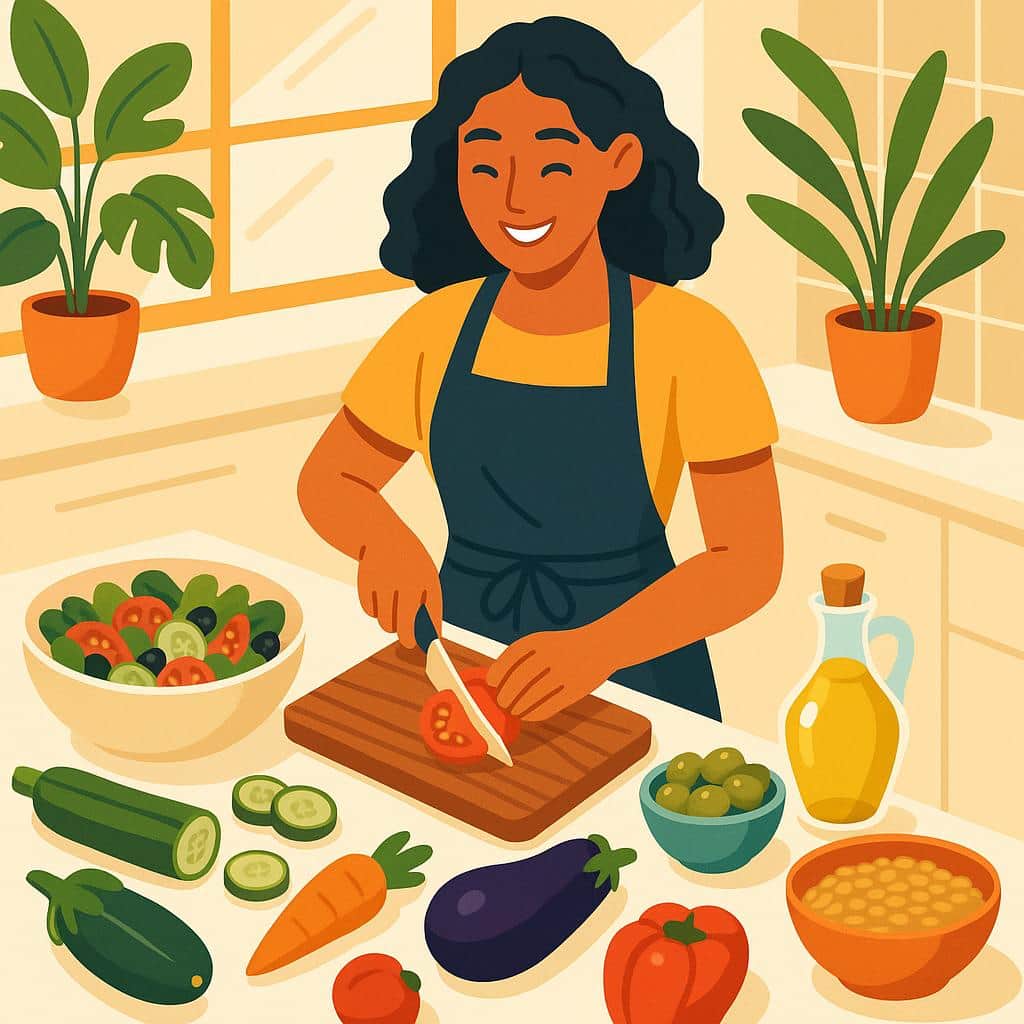
An anti-inflammatory diet for endometriosis or adenomyosis generally emphasizes vegetables, berries, legumes, intact whole grains, fish, extra-virgin olive oil, nuts, and seeds. Omega-3 sources like salmon, sardines, flax, chia, and walnuts are a helpful place to start.
What should I eat during an endometriosis flare?
During an endometriosis flare, many people feel best with gentle, easy-to-digest meals, such as warm soups, well-cooked vegetables, and simple lean proteins. Small, frequent sips and hydrating foods can be easier than trying to catch up all at once.
Are low-FODMAP or low-histamine diets helpful for endometriosis?
Low-FODMAP and low-histamine diets can be useful for a subset of patients, especially with IBS-type symptoms or a strong pattern suggesting histamine sensitivity. They don’t treat endometriosis lesions and are generally viewed as short-term trials with stepwise food reintroduction.
Can diet cure endometriosis?
Diet can’t cure endometriosis or remove the disease, but what you eat can influence how you feel day to day. Many patients notice that certain eating patterns help reduce bloating, digestive upset, and discomfort, making pain and fatigue more manageable.
Further reading
Endometriosis Diet: What Research Really Supports (and What It Doesn’t)
Learn what truly supports endometriosis symptom relief and improving your reproductive health, backed by reliable research and new evidence.
How Endometriosis Can Affect Your Bowel and Digestion
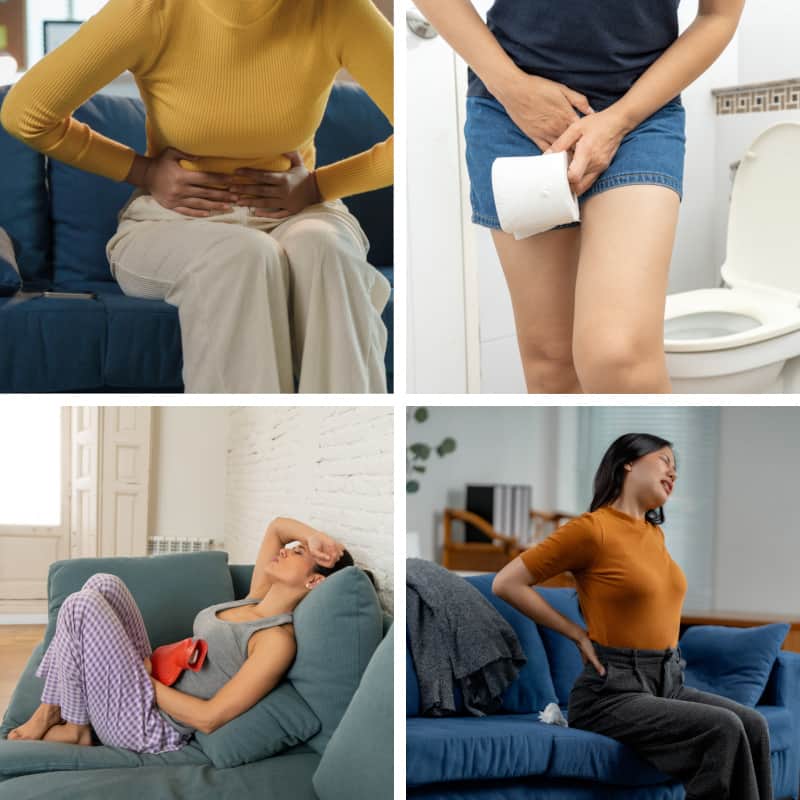
Learn how endometriosis affects bowel health and digestion. Discover symptoms, diagnosis challenges, and treatment options. Get informed today!
Optimizing the Microbiome to Support Endometriosis Care
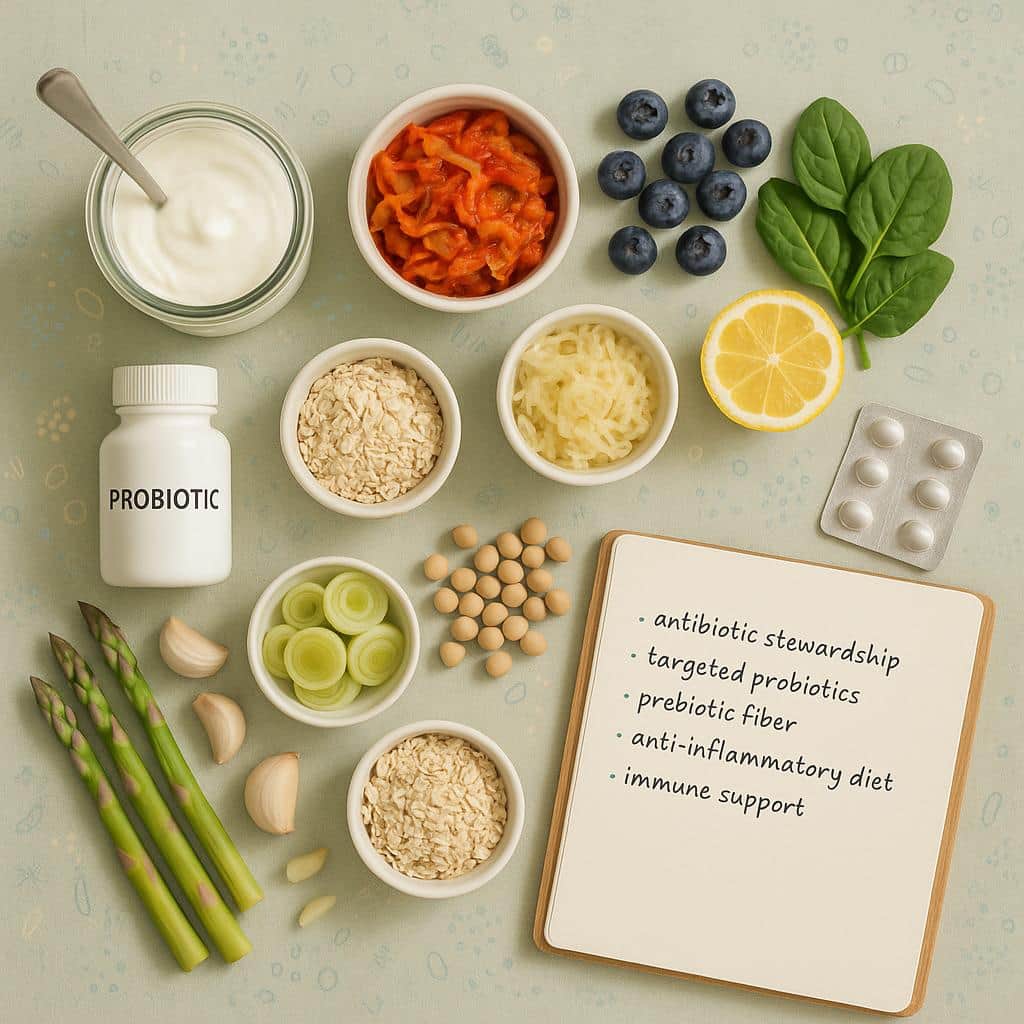
Learn how antibiotics, probiotics, prebiotics, diet and immunomodulation affect the endometriosis–gut axis, with practical, research-backed microbiome tips.