


Optimizing the Microbiome to Support Endometriosis Care
Research-backed ways to use antibiotics, probiotics, prebiotics, diet, and immune support to optimize the endometriosis–gut axis.
The Microbiome–Endometriosis Connection
Endometriosis both results from and fuels inflammation. Although the origins of this inflammatory state are likely multifactorial, recent research highlights a significant role for the human microbiome—the communities of microorganisms living in and on the body—through inflammatory pathways. Dysbiosis, an imbalance or impairment of the microbiota, is observed in endometriosis and is thought to both contribute to the condition and arise as a consequence of it.
Investigations have centered on the gut, peritoneal fluid, and female reproductive tract to identify microbiome signatures linked with endometriosis. The gut microbiome has been examined most extensively. In people with endometriosis, shifts in bacterial composition have been documented, including increased Proteobacteria and decreased Lactobacilli. Altered microbial communities have also been reported in the peritoneal fluid and female reproductive tract.
The mechanisms by which dysbiosis contributes to disease appear to be varied. One hypothesis proposes that bacterial contamination—particularly Escherichia coli—in menstrual blood triggers inflammation and immune activation in the peritoneal cavity, thereby promoting the development of endometriosis. Dysbiosis can also influence estrogen metabolism via dysfunction of the “estrobolome,” potentially elevating circulating estrogen and driving a hyper-estrogenic state that favors disease progression. In addition, dysbiosis-associated epigenetic changes and immune modulation may play direct roles in pathogenesis.
Although early, this body of research points toward diagnostic and therapeutic possibilities. Microbiome testing could emerge as a non-invasive adjunct to current imaging for detecting endometriosis, and the capability to obtain such tests already exists. However, interpreting results for an individual remains challenging and uncertain, making the current landscape complex.
Beyond testing, deliberate modulation of the microbiome through probiotics, antibiotics, or dietary strategies may open new avenues for care. Efforts to diversify and support a healthier microbiome can often be undertaken now at relatively low risk and cost. Options available today are outlined below, with an emphasis on bacterial components of the microbiome.
Future work will expand beyond bacteria to include viruses and fungi, and will leverage advanced analytical approaches such as shotgun metagenomics and metabolomics to achieve a more comprehensive understanding. These technologies are rapidly accelerating discovery. At the same time, evolving insights into the bidirectional relationship between endometriosis and the microbiome are shaping near-term treatment strategies.
Antibiotics
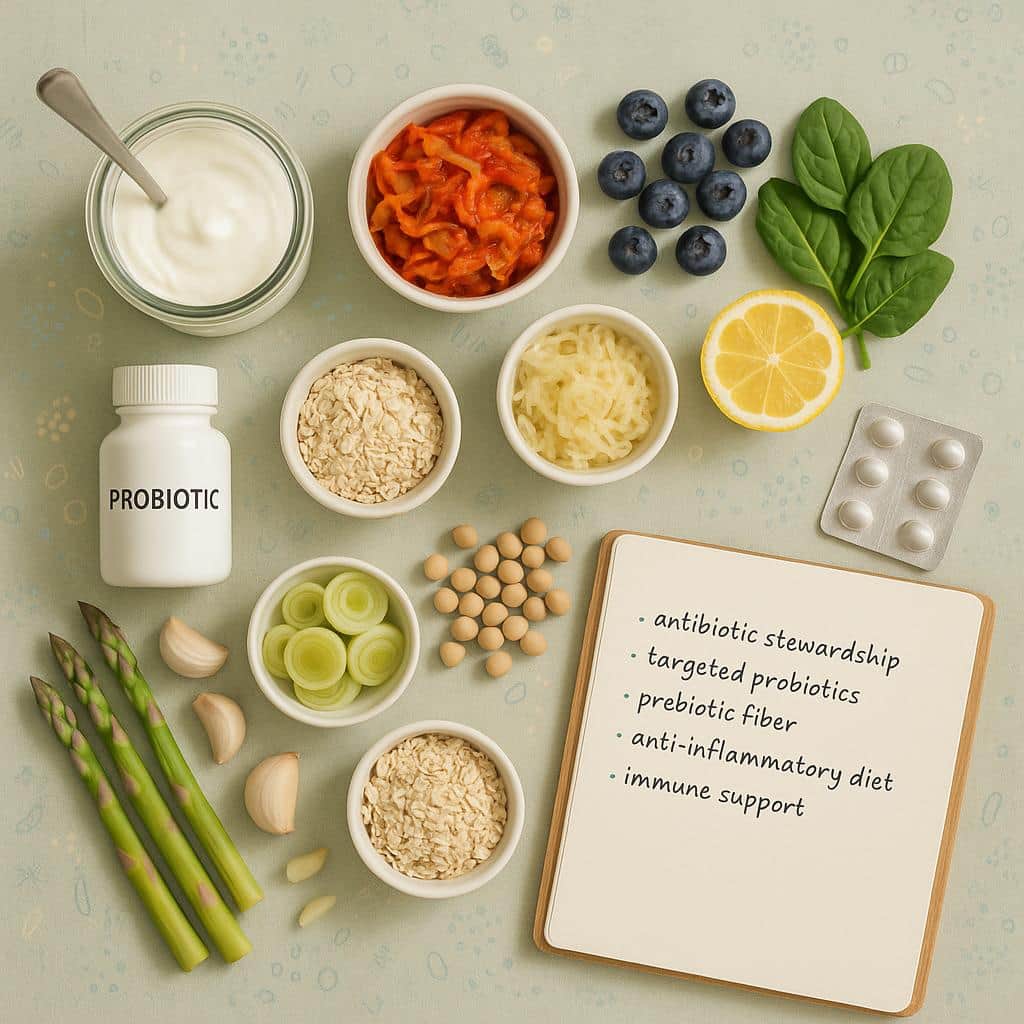
Antibiotics may be used to target specific microbial contributors to dysbiosis in endometriosis, particularly when small intestinal bacterial overgrowth (SIBO) is diagnosed. Animal studies have reported that antibiotic treatment can reduce the size of endometriotic lesions and associated inflammation. In humans, chronic endometritis—an infection of the uterine cavity—appears to play a role in the development of endometriosis. Even so, this approach requires expert guidance. Careful use is essential to avoid disrupting beneficial commensal bacteria and to minimize the risk of antimicrobial resistance, since promoting resistant organisms could create more difficult problems in the future.
Balance Your Microbiome, Ease Symptoms
Our specialists are here to help you understand your condition and explore your treatment options.
Book Your ConsultationProbiotics
Probiotics are live microorganisms that can improve microbiome health and diversity when consumed. In animal models, particular strains such as Lactobacillus gasseri have been shown to suppress the development and growth of endometriotic lesions. Potential benefits include immune modulation and restoration of a healthier microbial composition, which could mitigate inflammatory processes associated with the disease. This strategy also calls for expert guidance, especially because probiotics can be ineffective or even counterproductive in some forms of SIBO. There are at least three general SIBO types categorized by the predominant gas produced, and these distinctions matter for probiotic selection.
Prebiotics
Prebiotics are dietary substances that selectively foster the growth of beneficial gut microbes. By creating favorable conditions for these bacteria, prebiotics can help rebalance the microbiota. Partially hydrolyzed guar gum (PHGG) has shown benefits in SIBO treatment. While more research is needed to define prebiotics’ roles in endometriosis care, this approach could become a gamechanger for managing intestinal disorders, addressing leaky gut, and related issues.
Dietary Modifications
Diet exerts a powerful influence on microbiome composition and function. Patterns rich in fiber and plant-based foods, which support microbial diversity and health, may be advantageous for those with endometriosis. Low FODMAP diets that limit fermentable carbohydrates can provide relief for some individuals. Omega-3 polyunsaturated fatty acids (PUFAs), found in fatty fish, flaxseeds, and chia seeds, have anti-inflammatory properties and have been associated with a lower incidence of endometriosis. Incorporating these dietary adjustments, among others, may help modulate the microbiome and dampen inflammation.
Immunomodulation
Because the microbiome profoundly shapes immune function, targeting immune responses represents another potential approach to endometriosis treatment. Therapies that suppress or modulate immune activity may help regulate disease-related inflammation. The goal is to keep interventions as natural as possible, yet prescription medications may be necessary in certain situations.
Important Caveats and Outlook
These treatment implications are grounded in current research that is primarily derived from laboratory and animal models, and further studies are required to confirm safety and effectiveness in humans. Personalized strategies that consider an individual’s microbiota composition and disease characteristics will likely be important for optimal outcomes. This line of investigation is advancing quickly and points toward options that go beyond traditional hormonal manipulation. By addressing root causes of disease processes, future treatments may prove to be truly therapeutic rather than merely symptom-reducing.
With appropriate expert guidance, many of these approaches can be implemented today, and in most cases the associated risks and costs are relatively low.
References
Uzuner, C. Mak, J. El-Assaad, F. & Condous, G. (2023). The bidirectional relationship between endometriosis and microbiome. *Frontiers in Endocrinology*, 14, 1110824. DOI: 10.3389/fendo.2023.1110824
Moreno, I. Franasiak, J. M. & Endometrial Microbiome Consortium. (2020). Endometrial microbiota—new player in town. *Fertility and Sterility*, 113(2), 303–304. DOI: 10.1016/j.fertnstert.2017.05.034
Quick Answers
Is an “endometriosis diet” evidence-based?
Yes and no. The evidence supports the idea that nutrition can influence pathways that matter in endometriosis (such as inflammation, oxidative stress, hormone metabolism, and the microbiome), so diet can be a meaningful part of symptom support. What the research does not support, at least not yet, is a single, universally proven “endometriosis diet” that reliably treats the disease or works the same way for everyone.
Most of the strongest signals come from observational research, where higher overall diet quality and Mediterranean-style, anti-inflammatory patterns are associated with better reproductive health and a lower likelihood of having endometriosis. That’s encouraging, but it isn’t proof that changing your diet will prevent endometriosis, shrink lesions, or predictably improve pain or fertility for an individual. In our experience, nutrition tends to be most helpful when it’s tailored to your symptom pattern, especially if you have significant bloating, bowel symptoms, or IBS overlap.
If you’re deciding what’s worth your time, we recommend focusing on evidence-aligned, sustainable changes rather than long lists of forbidden foods or internet protocols that promise a cure. Our team integrates nutrition and lifestyle strategies into an overall endometriosis plan, so you’re not left experimenting endlessly and can evaluate what’s actually helping you.
Can foods worsen endometriosis symptoms?
Yes, certain foods can make endometriosis symptoms feel worse for some people, even though there isn’t one universal endometriosis diet. Endometriosis is a chronic inflammatory condition, and eating patterns that increase inflammation (or trigger gut symptoms) can amplify pain, bloating, and fatigue. We also see that food sensitivities and overlapping GI symptoms, like IBS-type symptoms, can make endometriosis flares feel more intense, even if the underlying lesions are unchanged.
Rather than assuming you need to cut out a long list of foods, we usually recommend looking for your patterns. Keeping a simple symptom-and-food log for a few weeks can help identify whether certain meals correlate with pelvic pain, bowel symptoms, or a flare around your cycle. Many patients do best focusing on overall diet quality (think anti-inflammatory, Mediterranean-style eating) while avoiding extremes and internet forbidden foods lists. If you’d like a structured, evidence-informed approach, our team can help you integrate nutrition and lifestyle strategies into a plan that also addresses the disease itself, not just symptom management.
Can endometriosis make weight loss harder?
Yes, endometriosis can make weight loss feel harder, even though it isn’t proven to directly cause fat gain in a simple, one-to-one way. Many patients deal with endo belly (cyclical abdominal bloating), constipation or GI distension, fluid shifts, and inflammation that can make the scale and your waistline look worse without reflecting true fat gain. Pelvic pain, fatigue, and sleep disruption can also reduce activity and change appetite or stress patterns, which can indirectly affect weight over time.
There’s also emerging research suggesting some people with endometriosis may show more metabolic risk markers (like central waist measures and lipid patterns), but most data can’t prove cause and effect yet. In our experience, the key is separating bloating/inflammation from actual changes in body composition, then addressing the drivers that are modifiable for you. If weight loss has felt unusually difficult alongside pelvic pain, heavy periods, bowel/bladder symptoms, or a swollen abdomen that comes and goes, explore our educational resources and reach out to schedule a consultation so our team can help you map symptoms to a personalized plan, including evaluating whether excision surgery and integrative support could reduce the underlying burden.
Can alcohol or caffeine worsen endometriosis infertility?
Yes, alcohol and caffeine may matter for some people, but they’re unlikely to be the main driver of endometriosis-related infertility on their own. Endometriosis can impair fertility through inflammation and immune signaling, effects on egg quality and ovulation (especially with endometriomas), changes in fallopian tube function and pelvic anatomy, and altered uterine receptivity. The picture is usually multifactorial.
In research, alcohol and caffeine appear more as potential contributors to hormone metabolism, inflammation, oxidative stress, and sleep/stress physiology than as clear, stand-alone causes of infertility. That means some patients notice improvement when they reduce or eliminate them, while others see no meaningful change, especially if active disease (such as deep endometriosis, tubal involvement, or endometriomas) is the dominant issue. If you’re trying to conceive and wondering what role these exposures might play in your case, our team can help you connect your symptoms, imaging, ovarian reserve considerations, and prior fertility history to a plan that targets the factors most likely to make a difference.
What diet changes may support fertility with endometriosis?
There isn’t one proven endometriosis fertility diet, but research most consistently points to the importance of overall diet quality, especially Mediterranean-style, anti-inflammatory patterns. In practical terms, that usually means emphasizing minimally processed foods, plenty of plants, fiber, and healthy fats, while cutting back on dietary patterns linked with higher inflammation (often those heavy in ultra-processed foods and certain fats).
Specific nutrition areas we often discuss in a fertility-focused endometriosis plan include omega-3 intake (from food first when possible), steady fiber for gut and estrogen metabolism, and support for the microbiome, because gut and immune signaling may influence the hormonal and inflammatory environment around ovulation and implantation. Diet changes won’t erase endometriosis, but they can be a meaningful tool in a broader strategy that also considers the anatomy of the tubes and ovaries, inflammation, and timing. If you’d like, our team can help you choose evidence-aligned nutrition targets based on your symptoms, labs, and fertility goals, and integrate them with a plan for endometriosis treatment.