


Pelvic Floor Physical Therapy After Endometriosis Surgery: When It Helps
Discover how pelvic floor physical therapy aids recovery after endometriosis surgery, addressing lingering symptoms and improving pelvic health.
9 minute read
Read moreDiscover how Lotus can guide you toward lasting relief.
Explore why patients choose Lotus
Search expert-written answers, browse by topic, or find information based on where you are in your journey.
Explore All KnowledgeReach out and start your healing journey.
Schedule an AppointmentEvidence-based insights on surgical excision: indications, advanced techniques (ICG, robotic), expected benefits for pain and fertility, pathology, risks, recovery, and strategies to lower recurrence.
Excision surgery removes endometriosis lesions at their root rather than burning the surface, aiming to clear disease from the peritoneum, ovaries, bowel, bladder, nerves, and diaphragm. It is especially useful for deep infiltrating disease and endometriomas, where complete removal can reduce pain generators, free scarred organs, and improve the pelvic environment for conception. Outcomes depend on careful mapping, surgeon expertise, and a multidisciplinary approach when bowel or urinary organs are involved, with planning supported by Imaging for Surgery, MRI, and Ultrasound.
Learn how surgeons decide when excision is preferred over ablation, what advanced techniques (nerve‑sparing dissection, ureterolysis, cystectomy, selective fluorescence like ICG) can add, and how pathology of removed tissue confirms diagnosis and guides follow‑up. Guidance also covers realistic benefits for pain and fertility, strategies to limit complications and adhesions, and ways to lower recurrence through complete excision and coordinated aftercare in concert with Medical Management, Pelvic Floor PT, and individualized nutrition. When focal adenomyosis is the pain driver, uterus‑sparing adenomyomectomy is a different operation addressed under Focal Adenomyosis and adenomyosis Surgical Options.
Most people need about 2–3 weeks off work after minimally invasive endometriosis excision, especially with a mainly desk-based job that lets you ease back in. With robotic excision, patients often go home the same day or next day and start walking comfortably within about a week. Many feel ready to gradually return to their usual daily routines in that 2–3 week window.
The exact time off depends less on incision size and more on what we need to treat during surgery: for example, ovarian endometriomas, bowel, bladder, or ureter involvement, extensive scar tissue (“frozen pelvis”), or additional procedures like appendix removal or adenomyosis-related surgery. More complex, multi-organ cases can mean more fatigue, more activity restrictions, and a higher chance of needing an overnight stay. These can extend the time you’ll want to plan away from work.
In most straightforward recoveries, many patients are back to full activity by about a month. Tell our team what your work involves (lifting, long shifts, travel, being on your feet all day, or remote or desk work), and we can help you plan a realistic time-off request and a safer, gradual return to work based on the surgical plan we’re building for you.
Choosing an adenomyosis specialist starts with matching the team’s focus to your goal: controlling heavy bleeding and anemia, reducing pain and pressure, preserving fertility, or pursuing definitive treatment. Because adenomyosis often can’t be confirmed with absolute certainty unless the uterus is examined by a pathologist after hysterectomy, the right clinician is comfortable working with a diagnosis based on imaging and symptoms and can clearly explain how that uncertainty affects your options. You should feel that your plan is individualized, rather than a one-size-fits-all default to hormones or a reflex straight to hysterectomy.
When surgery is on the table, look for a surgeon who routinely performs complex minimally invasive pelvic surgery and can describe what they do when adenomyosis overlaps with endometriosis, adhesions, fibroids, or bladder, bowel, or ureter involvement. Ask how they decide between uterus-preserving strategies and hysterectomy, how they plan to protect organs and manage bleeding risk, and what they do to reduce repeat procedures. Our team takes a coordinated approach, with careful pre-op planning, meticulous minimally invasive technique when appropriate, and clear goal-based decision-making. You can explore our approach on the site or reach out to schedule a consultation to review your symptoms, imaging, and priorities.
Pelvic dissection in endometriosis surgery means carefully separating and opening tissue planes in the pelvis so we can see normal anatomy clearly and remove disease safely. Endometriosis can cause inflammation and scarring that glues organs together (sometimes called a frozen pelvis), so dissection is often the step where we free adhesions and restore normal relationships between the uterus, ovaries, bowel, bladder, and pelvic sidewalls.
In practical terms, pelvic dissection may include identifying and protecting critical structures such as the ureters, bladder, bowel, blood vessels, and pelvic nerves before excising endometriosis at its roots. Surgical precision matters here: the goal is to fully address disease while minimizing injury to healthy tissue, especially in complex or re-operative cases. If you see this term in an operative note or surgical plan, it usually reflects the complexity of the anatomy and the deliberate work needed to make excision both complete and safe. Our team can walk you through exactly what was dissected and why in your specific case.
A “frozen pelvis” isn’t a separate diagnosis: it’s a descriptive term surgeons use when the uterus is essentially stuck in place because endometriosis-related inflammation has caused dense scarring (adhesions). Rather than moving freely, the uterus may be tethered to nearby structures like the bowel, bladder, ovaries, or pelvic sidewall, sometimes pulling it into an abnormal position and making pelvic anatomy hard to distinguish. For this reason, some have also called it a “frozen uterus”.
This finding often suggests more advanced disease, such as deep infiltrating endometriosis and/or significant adhesions from prior inflammation or surgery. It can help explain symptoms like deep pelvic pain, painful sex, bowel or bladder symptoms, or pain that doesn’t match what a routine exam shows. In these cases, surgery is less about burning spots and more about carefully restoring normal anatomy: freeing organs, protecting ureters and bowel, and removing endometriosis at its roots. If you’ve been told your uterus is “frozen,” our team can help you understand what that means for imaging, surgical planning, and which adjacent organs may need to be evaluated as part of a complete excision strategy.
Endometriosis returning after surgery can show up as symptoms that improve for a while and then come back gradually or suddenly, months or even years later. The most common signal is the return of your familiar pattern: cyclical pelvic pain, worsening period pain, pain with intercourse, or pain that starts spreading beyond where it used to be. Some people also notice bowel or bladder symptoms re-emerge (pain with bowel movements, rectal pressure, urinary urgency, or bladder pain), especially if those organs were involved before. New or increasing fatigue and activity limitation can be part of the picture, but the key is a clear change from your post-op baseline.
It’s also important to know that recurrent pain doesn’t always mean recurrent disease. Even after complete excision, the nervous system can stay heightened, and pelvic floor dysfunction, adhesions, or central sensitization can keep pain going or make normal sensations feel painful. That’s why we look at patterns, triggers, and timing rather than a single pain score. If symptoms are returning, our team can help you sort out whether you’re experiencing a true recurrence (symptoms improved, then returned) or persistent pain that never fully settled, and decide when imaging such as ultrasound or MRI is useful, particularly for tracking ovarian endometriomas. If you’re noticing a shift back toward your old symptoms, reach out to schedule a consultation so we can build a clear, long-term follow-up plan with you.
Come in focused on how your surgeon thinks and how your care will be planned. Helpful questions include: based on my symptoms and records, what diagnoses are you considering (endometriosis, adenomyosis, and common look-alikes), and what makes you lean one way or another? Ask what additional records or imaging would meaningfully change the plan, and whether your imaging will be interpreted with endometriosis mapping in mind, rather than just a “normal/abnormal” read.
If surgery is on the table, ask for specifics about technique and scope: do you primarily perform excision rather than superficial burning/ablation, and how do you confirm what was removed (photos, operative report detail, or pathology)? Ask what areas you expect could be involved in your case, such as the ovaries, bowel, bladder/ureters, or diaphragm, and whether a multidisciplinary team is planned if those organs may be affected. It’s also reasonable to ask how they define surgical success for your goals, whether pain relief, bowel/bladder function, or fertility, and how outcomes and recurrence/persistent symptoms are handled.
Finally, ask how care works from start to finish: what the pre-op workup includes, what recovery typically looks like for the anticipated complexity, and how follow-up is structured if symptoms don’t resolve fully. In our practice, we review records with purpose before meeting so the conversation is productive and realistic, and we’ll be direct about whether surgery seems likely to help or whether another path makes more sense. If you’d like, reach out to schedule a consultation, and we’ll tell you exactly what to send first so we can make your visit worth your time.
No, fertility is just one reason for endometriosis surgery. Excision surgery is often performed primarily to relieve pain and other symptoms, restore normal anatomy when disease has scarred or frozen the pelvis, and address endometriosis affecting organs like the bowel, bladder, ureters, or diaphragm. Surgery can also be the most definitive way to confirm the diagnosis because endometriosis isn’t always visible on imaging.
Fertility can be an important goal, but it’s one possible indication and isn’t always the reason to operate. For example, removing an ovarian endometrioma before IVF is no longer considered routine unless there’s a clear reason, such as severe pain, concerning imaging features, or a practical barrier to safe egg retrieval. In our practice, we tailor excision to the problem we’re trying to solve in your body (symptom relief, organ safety and function, diagnosis, fertility goals, or a combination) so you can make a decision that fits your timeline and priorities. If you’re unsure whether surgery makes sense in your situation, reach out to schedule a consultation with our team to review your symptoms, imaging, and goals and map out an individualized plan.
Yes. Endometriosis care is not limited to fertility: treatment is appropriate whether your goal is pregnancy, pain relief, protecting organs, improving daily function, or simply getting clear answers. We routinely treat patients who are not trying to conceive because endometriosis can drive ongoing inflammation, adhesions, and symptoms that affect quality of life regardless of fertility plans.
A good plan separates two goals that often get mixed together: treating the disease itself and managing symptoms. Symptom-focused options (including hormonal suppression and individualized pain management strategies) can reduce pain and bleeding for many people, but they don’t reliably remove endometriosis lesions. When endometriosis is confirmed and symptoms or organ involvement warrant it, excision surgery is the cornerstone for physically removing disease. We then tailor longer-term support to your symptoms, risks, and preferences.
If you’re not trying to get pregnant, that can expand your options for symptom control, but it doesn’t change the importance of an accurate diagnosis and a plan that matches what’s driving your symptoms. If you’d like, reach out to schedule a consultation so our team can review your history, imaging, and goals and develop a strategy focused on lasting relief, not just temporary suppression.
Discover how pelvic floor physical therapy aids recovery after endometriosis surgery, addressing lingering symptoms and improving pelvic health.

Explore when surgery or IVF is best for endometriosis. Understand the decision-making process and what to consider for fertility and health.

Feeling anxious about endometriosis surgery? Explore calming techniques and insights on managing pre-surgery nerves specific to endometriosis and adenomyosis.

Discover why pain persists after endometriosis surgery and explore next steps. Empower yourself with insights on managing symptoms effectively.

Discover what to expect before, during, and after endometriosis surgery. Insights on pain relief, preparation, recovery from reliable recent research.

Explore excision vs ablation for endometriosis. Learn about surgery options, pain relief, and making informed choices based on your fertility goals.
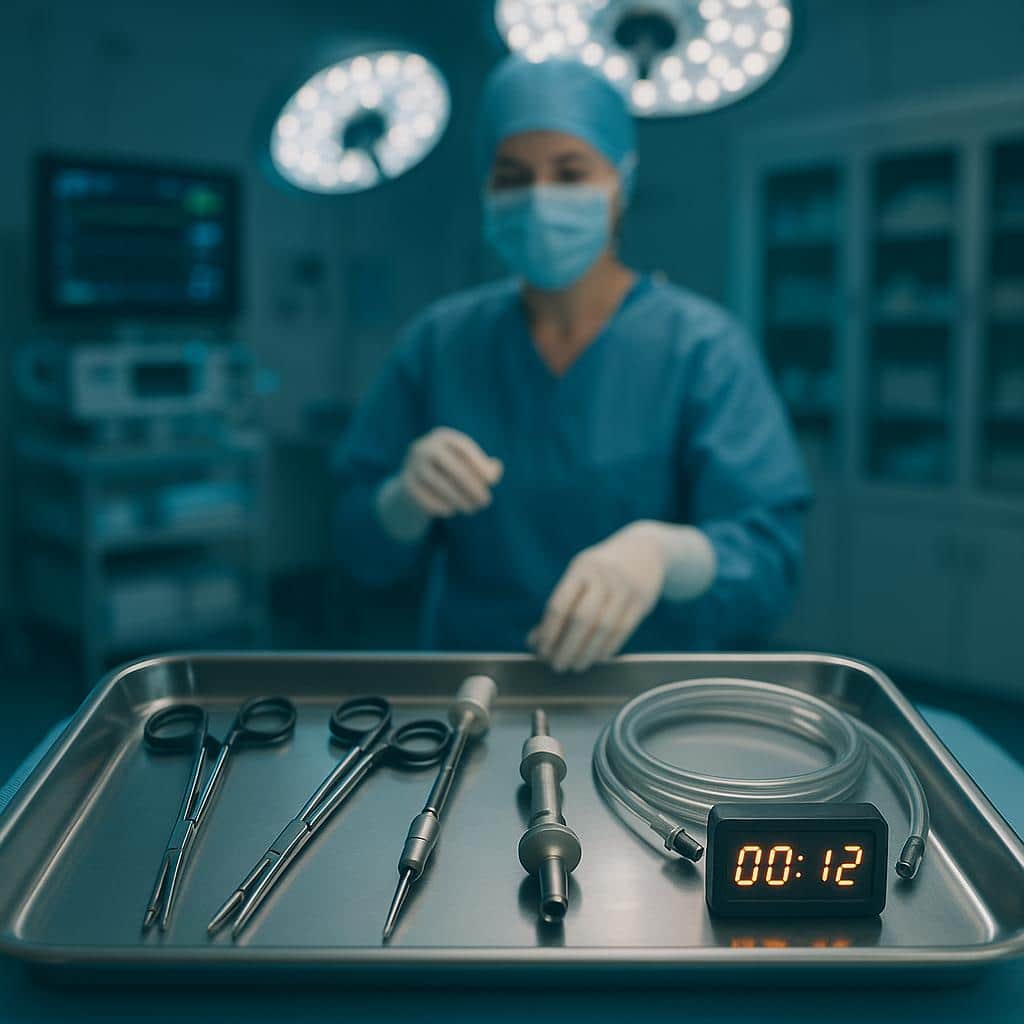
2025 study in stage III–IV minimally invasive endometriosis surgery: longer cases didn’t raise short-term complications but increased overnight-stay risk.
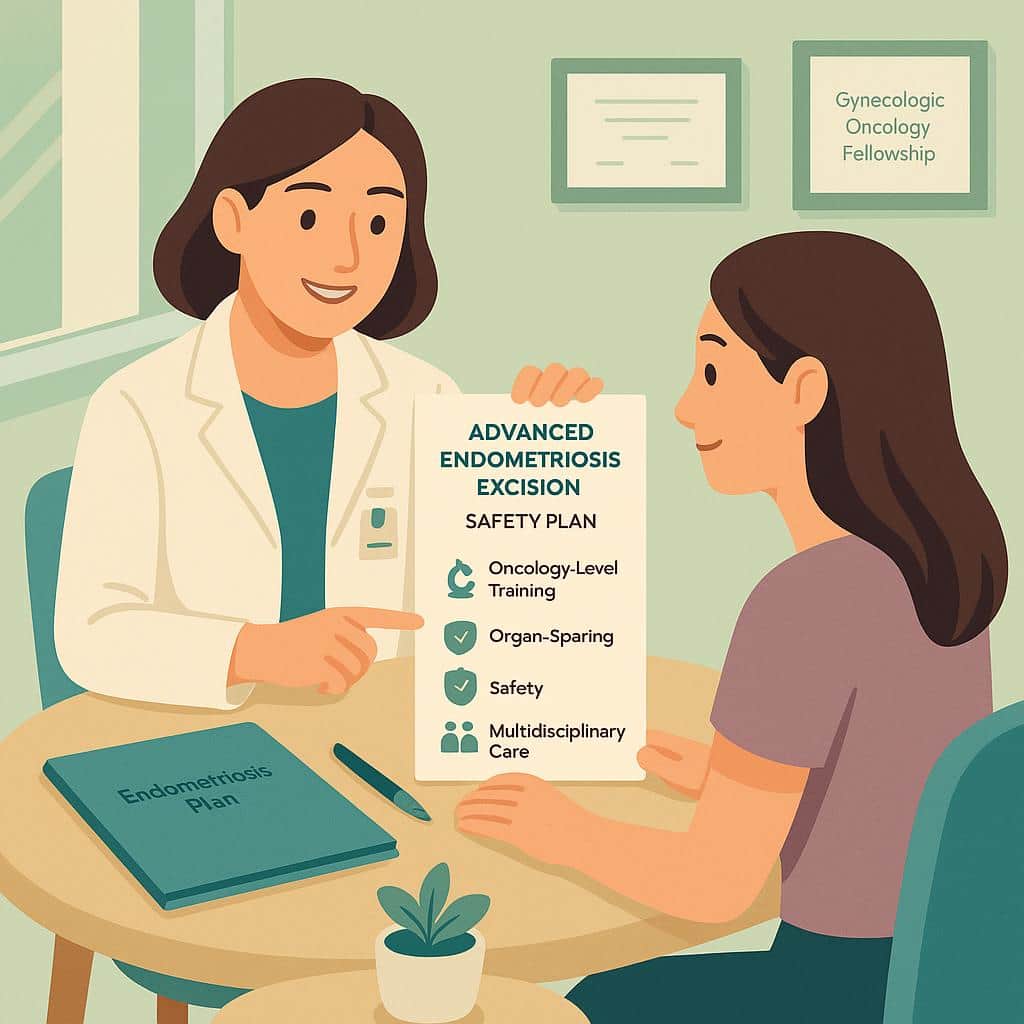
For deep or advanced endometriosis, oncology-trained surgeons often provide safer, more complete excision. Learn what this means for you at the Lotus Endometriosis Institute.
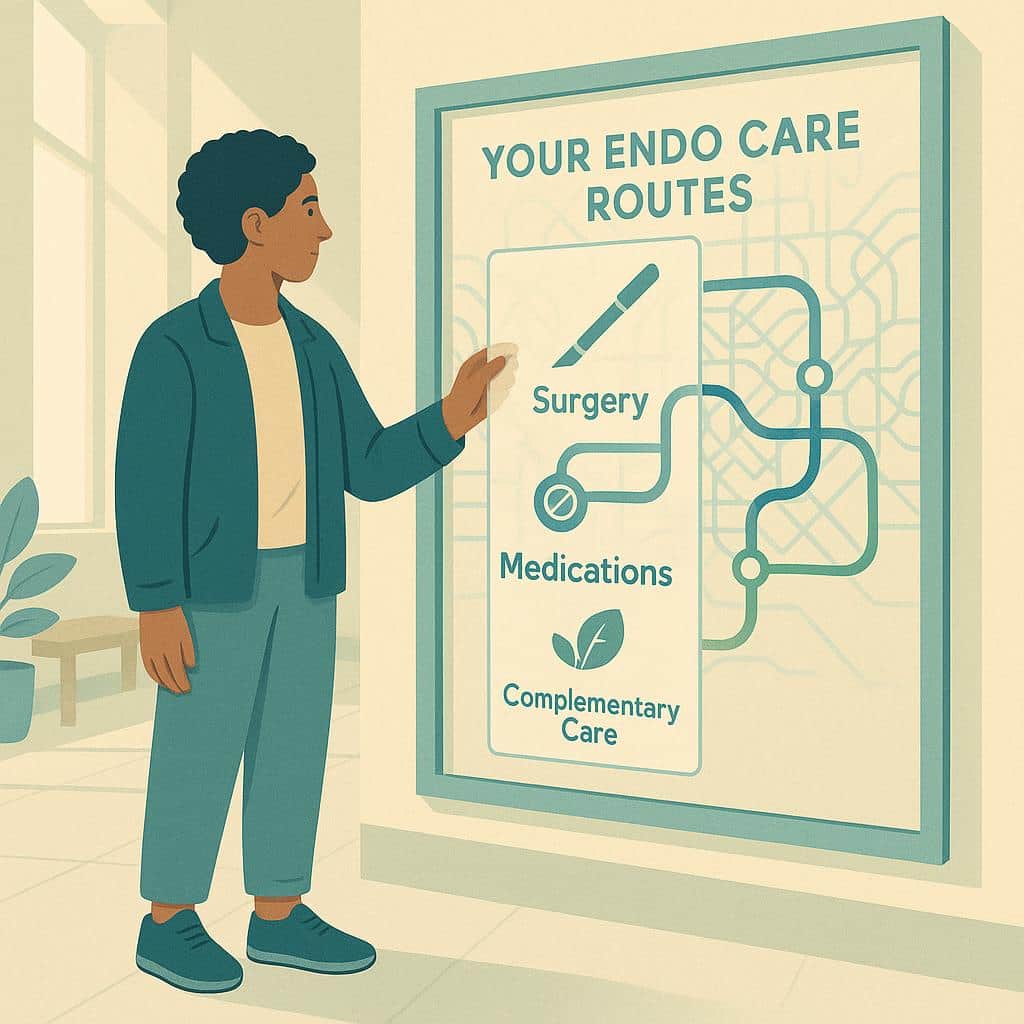
Part 1 clarifies myths in endometriosis care: where surgery helps, what medical management can and can’t do, and how complementary therapies fit into a plan.

Sciatic nerve endometriosis explained: key symptoms, how it's diagnosed (exam, MRI), and effective treatments including medication, PT, and surgical excision.
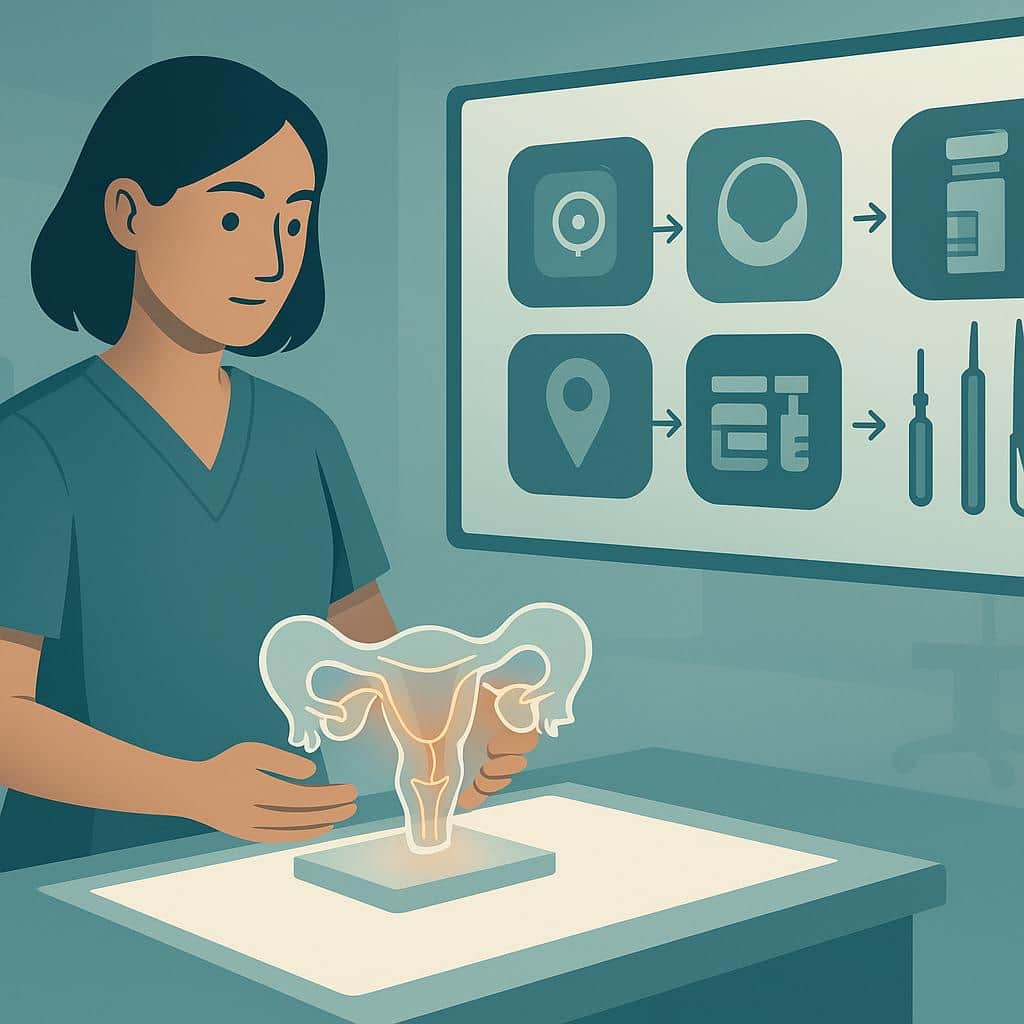
Deep infiltrating endometriosis: symptoms, causes, diagnosis and treatment. Medical therapy, ICG-guided surgery, stenting, pathology, and future outlook.
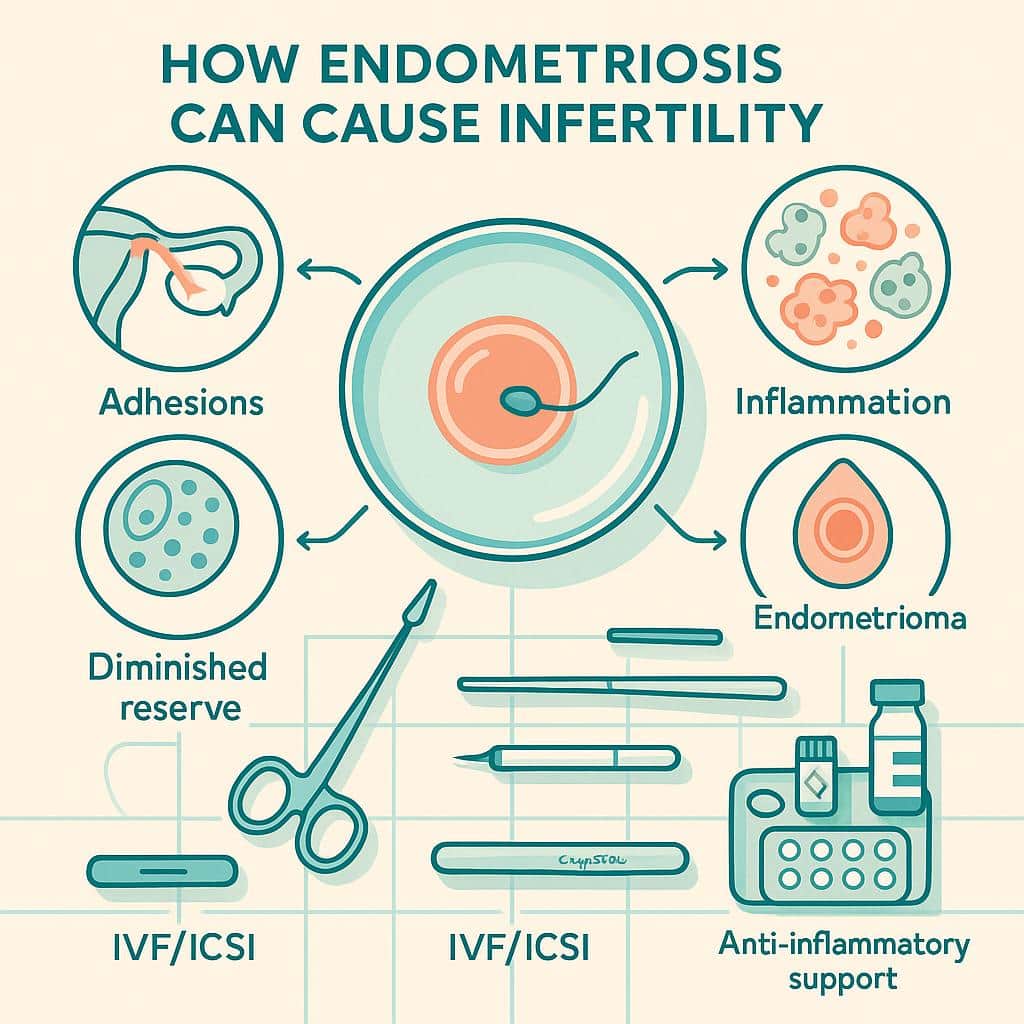
How endometriosis leads to infertility: pathogenesis; effects on gametes, tubes, and endometrium; and treatments—expectant care, surgery, and ART.
Lotus Endometriosis Institute provides California-based surgical evaluation and advanced excision care for patients with suspected endometriosis, adenomyosis, complex pelvic pain, and related conditions.
Many patients contact us from outside California to learn whether traveling for in-person evaluation and possible surgery may be appropriate.
2121 Santa Monica Blvd, Santa Monica, CA 90404
8am - 5pm
Monday - Friday
154 Traffic Way, Arroyo Grande, CA 93420