
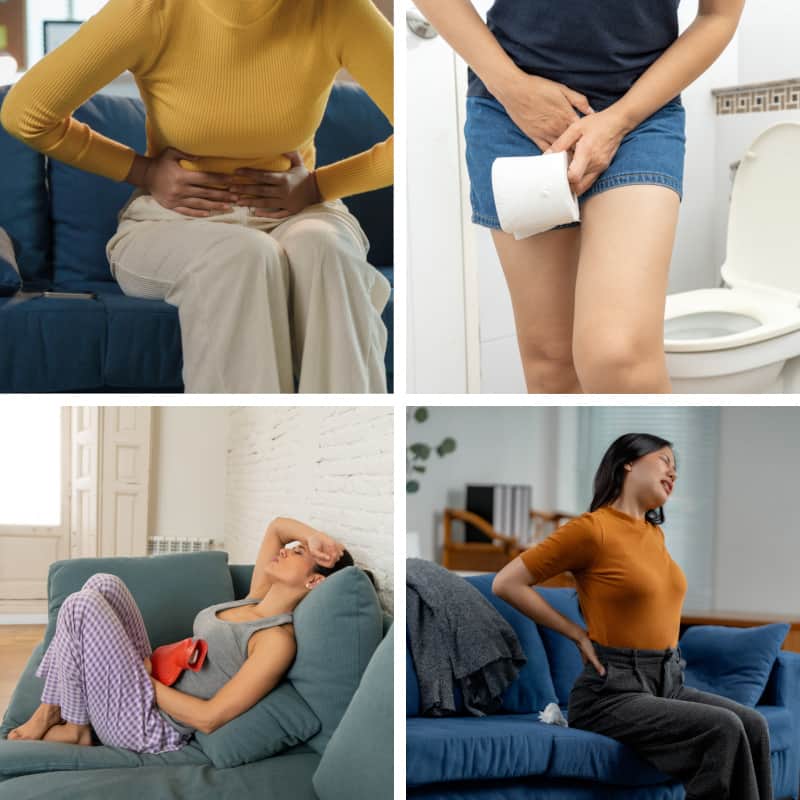

Pelvic Floor Physical Therapy After Endometriosis Surgery: When It Helps
Discover how pelvic floor physical therapy aids recovery after endometriosis surgery, addressing lingering symptoms and improving pelvic health.
9 minute read
Read moreDiscover how Lotus can guide you toward lasting relief.
Explore why patients choose Lotus
Search expert-written answers, browse by topic, or find information based on where you are in your journey.
Explore All KnowledgeReach out and start your healing journey.
Schedule an AppointmentWhole-person care for endometriosis: evidence-informed mind–body practices, stress reduction, pelvic floor therapy, acupuncture, and targeted supplements that complement medical care to ease pain and improve quality of life.
Integrative and holistic approaches address dimensions of endometriosis that medication or surgery alone may not fully resolve. Chronic pain often involves muscle tension, stress physiology, and nervous system hypersensitivity, all of which respond well to evidence-informed practices such as Mind-Body Practices, targeted Supplements, and Pelvic Floor PT. These modalities help regulate stress hormones, reduce inflammation, improve sleep, and lower pain amplification.
Integrative strategies are especially valuable when symptoms include bladder irritation, bowel discomfort, or nerve pain, which often have overlapping contributors beyond structural lesions. They also support recovery after treatment or surgery by improving circulation, mobility, and mind–body connection. Techniques such as acupuncture, breathwork, yoga, and guided relaxation help shift the body out of chronic fight-or-flight states, making other medical interventions more effective.
Holistic care does not replace evaluation for active disease but provides essential tools for daily resilience and long-term wellbeing, empowering patients to manage symptoms with greater clarity and control.
Many people with endometriosis try alternative medicine because they’ve spent years in pain without clear answers or lasting relief. When hormones cause side effects, symptoms persist after prior treatments, or surgery feels out of reach, it’s completely understandable to look for anything that offers a sense of control and helps with day-to-day functioning. Social media and anecdotal stories can also make certain approaches sound like hidden cures, especially when the medical system has been dismissive or slow to diagnose.
We also see a more practical reason: endometriosis pain is multifaceted (driven by inflammation, pelvic floor and musculoskeletal factors, nerve irritation, and sometimes central sensitization), so patients often need more than one tool. The key distinction is that integrative care is meant to work alongside mainstream medical and surgical treatment, not replace it. Our approach is to help you separate what’s promising and measurable from what’s expensive, vague, or marketed as a miracle, and build a coordinated plan that targets both the disease and the pain mechanisms that keep symptoms going. If you’re feeling pulled toward alternative options, we invite you to reach out so we can help you make a plan that protects your time, your body, and your long-term goals.
Yes, there does appear to be meaningful overlap between endometriosis and joint hypermobility syndromes like hEDS/EDS, but the research is still evolving, and it’s not accurate to say one definitively causes the other. Clinically, we see that patients with hypermobility often have more complex pelvic pain presentations, sometimes with heightened nerve sensitivity, pelvic floor muscle overactivity, and multi-system symptoms that can make endometriosis harder to recognize and calm down.
One reason this overlap is drawing attention is the way connective tissue differences and immune inflammation can intersect with pain processing. Hypermobility is also frequently discussed alongside related patterns like dysautonomia/POTS and mast-cell-type inflammation, which may help explain flares that seem disproportionate, widespread, or triggered by stress, hormones, foods, or environmental exposures.
If you’re hypermobile (or suspect you are) and also dealing with symptoms that fit endometriosis, we take that whole picture seriously. Our team can help you sort out what’s coming from endometriosis versus overlapping drivers and build a plan that may include precise diagnosis, minimally invasive excision when appropriate, and coordinated integrative support to set your recovery and long-term symptom control up for success.
Evidence for complementary therapies in endometriosis is mixed, but some patients find them helpful for symptom control, especially pain, when used alongside medical treatment. In our experience, the most common options patients ask about are nutrition-focused changes, acupuncture, and pelvic floor physical therapy.
These approaches don’t remove endometriosis or adenomyosis, but they may help reduce inflammation-driven discomfort, calm muscle guarding, and improve day-to-day function for some people. If you’re considering complementary therapies, our team can help you think through what fits your symptoms and overall treatment plan, and how these therapies may fit with options like excision surgery when appropriate.
At Lotus, we don’t follow a surgery-only model. Our care combines advanced excision surgery with board-certified integrative medicine, coordinated as one plan rather than separate, disconnected steps.
That means we support you throughout the peri-operative timeline: preparing your body before surgery, guiding recovery after surgery, and helping address the broader drivers of symptoms that can persist even when endometriosis has been removed. We want to do more than operate: our goal is to help you heal as a whole person. We tailor that plan to your history, symptoms, and long-term needs.
Not always. Whether internal work is needed in pelvic floor therapy depends on your symptoms, your exam findings, and your goals. We tailor the plan to you.
We’ll explain what internal techniques involve, why they may or may not be recommended, and what alternatives can be used instead. Nothing is performed without your clear, informed consent, and you can pause or decline any part of treatment at any time. If you’re unsure what’s appropriate for you, our team can help you understand your options and decide on a plan that feels safe and manageable.
Some supplements may help with specific endometriosis-related symptoms, but results are mixed, and they’re not a stand-alone treatment for the disease itself. In practice, we sometimes see patients use omega-3s, curcumin, magnesium, or certain probiotics as part of a broader plan to address inflammation, pain, bowel symptoms, or sleep, depending on what’s driving their day-to-day flares.
What matters most is choosing supplements based on your symptom pattern, other medical conditions, medications, and goals. One-size-fits-all stacks can backfire or simply add cost without benefit. If you’re considering supplements, our team can help you think through what’s most likely to be useful for your situation and how to integrate them safely alongside definitive endometriosis care when needed.
Acupuncture can help some people with chronic pelvic pain, particularly by reducing pain intensity and easing muscle tension. Many patients also notice better relaxation and sleep, which can make pain feel more manageable day to day.
That said, responses vary, and acupuncture tends to work best as part of a broader plan rather than on its own. If your pelvic pain is persistent or tied to symptoms like painful periods, pain with sex, bowel or bladder pain, or infertility, our team can help evaluate potential underlying causes and discuss how integrative options like acupuncture may fit alongside medical or surgical treatment.
Microbiome research is an exciting area in endometriosis, and early studies suggest links between gut bacteria, inflammation, and estrogen metabolism. But an association isn’t the same as a proven treatment. We don’t yet have strong clinical trial evidence that a specific probiotic or diet can reliably reduce endometriosis lesions or stop disease progression.
That said, nutrition and gut health can still matter for how you feel day to day, especially for bloating, bowel symptoms, energy, and systemic inflammation. We typically see diet changes and probiotics as supportive tools that may help some people with symptoms, but they’re not a substitute for a thorough evaluation and a treatment plan tailored to your anatomy, symptoms, and goals. If you’re considering probiotics or major dietary changes, our team can help you weigh what’s most evidence-informed and how it fits alongside medical and surgical options when needed.
Discover how pelvic floor physical therapy aids recovery after endometriosis surgery, addressing lingering symptoms and improving pelvic health.

Feeling anxious about endometriosis surgery? Explore calming techniques and insights on managing pre-surgery nerves specific to endometriosis and adenomyosis.
Discover effective strategies to prevent endometriosis recurrence post-surgery. Learn about management options and warning signs. Get informed today!

Explore effective holistic tools that aid in managing endometriosis pain alongside conventional treatments. Discover reliable strategies today.
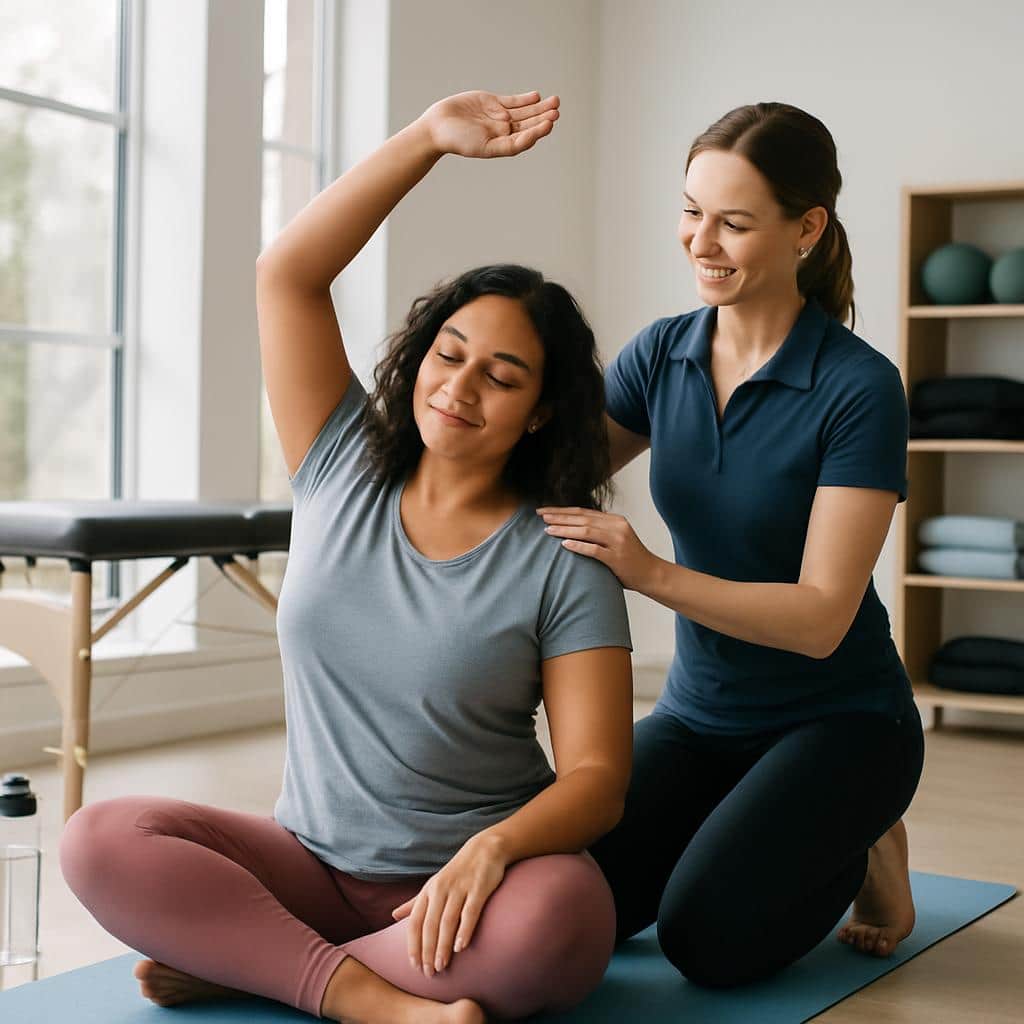
Discover how physical therapy can alleviate endometriosis pain, improve quality of life, and support pain management strategies.

Explore the effectiveness of supplements and herbal medicines for endometriosis and adenomyosis. What does the evidence say?
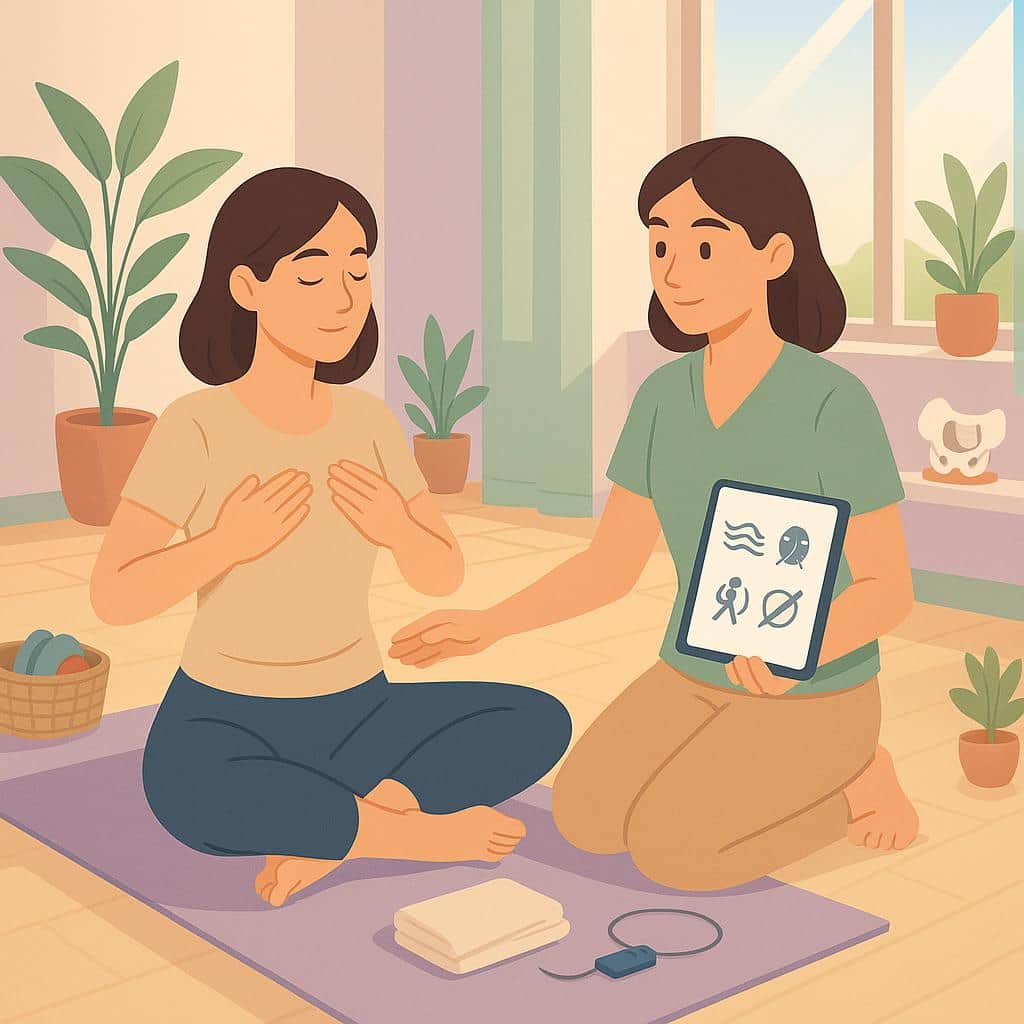
How pelvic rehab and pelvic floor PT can help endometriosis and adenomyosis pain. What it treats best, who benefits, timelines, red flags, and questions to ask.
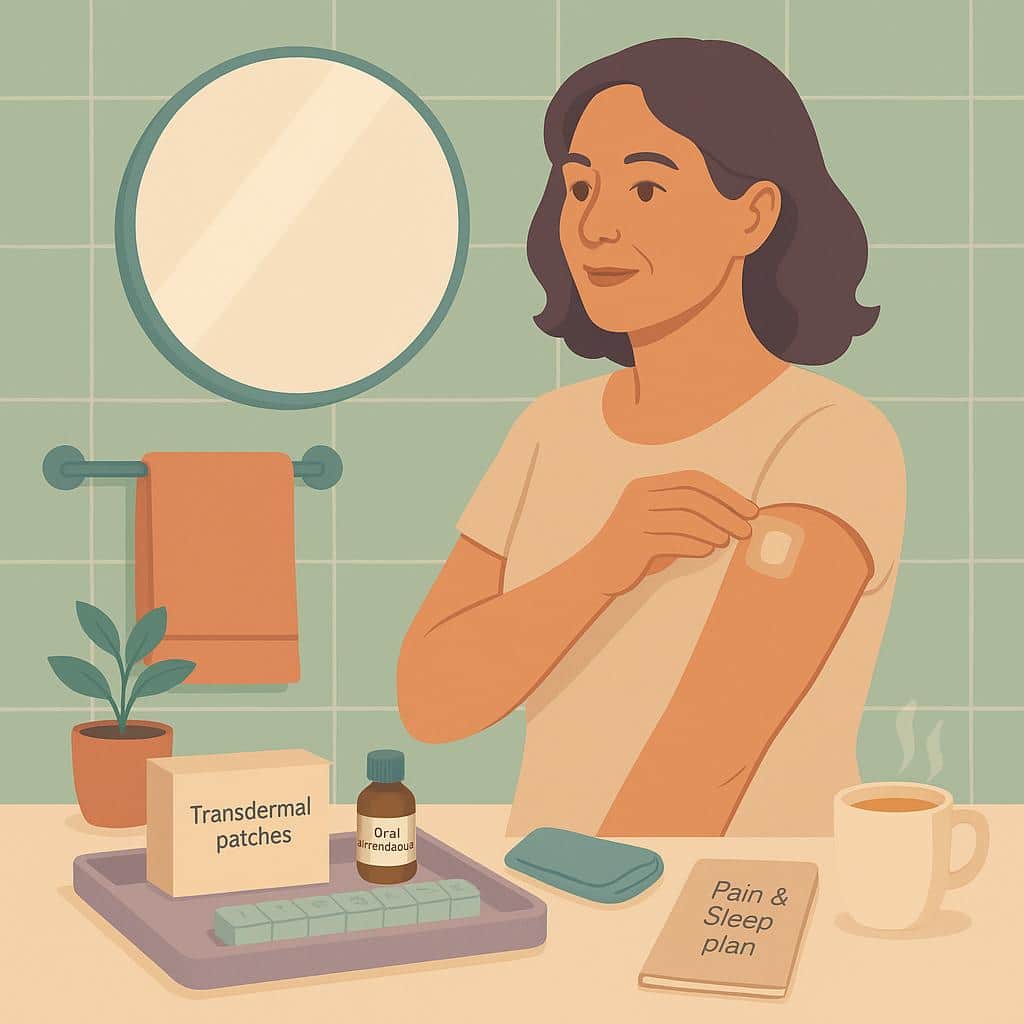
Expert guidance for endometriosis in menopause: HRT options, safe pain relievers, stress reduction, exercise, pelvic floor therapy, and when to seek care.
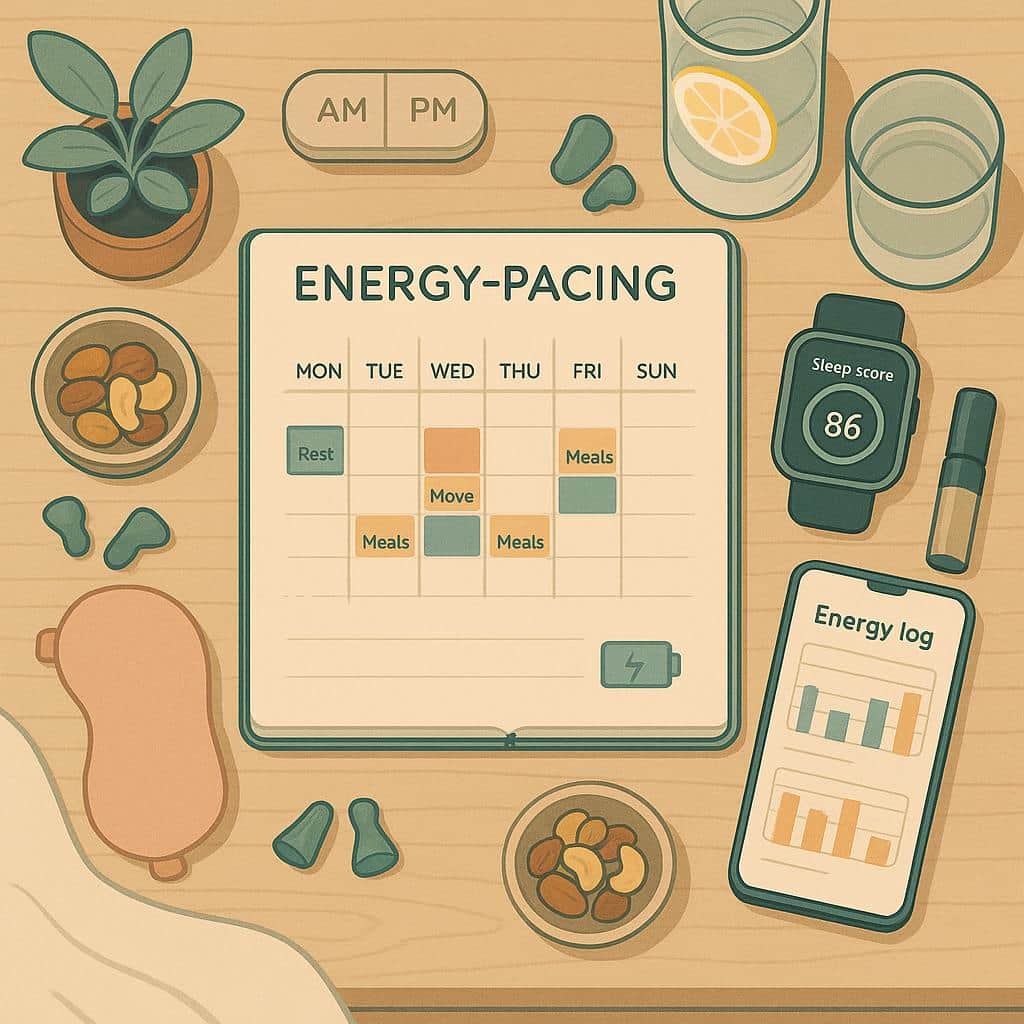
Understand why endometriosis drains energy—chronic pain, hormones, poor sleep, anemia, inflammation—and get practical tips for fatigue, pain, stress, and daily function.
Explore types of endometriosis pain, evaluation, and evidence-based treatments, including triggers, pelvic floor therapy, CNS sensitization, and adenomyosis.
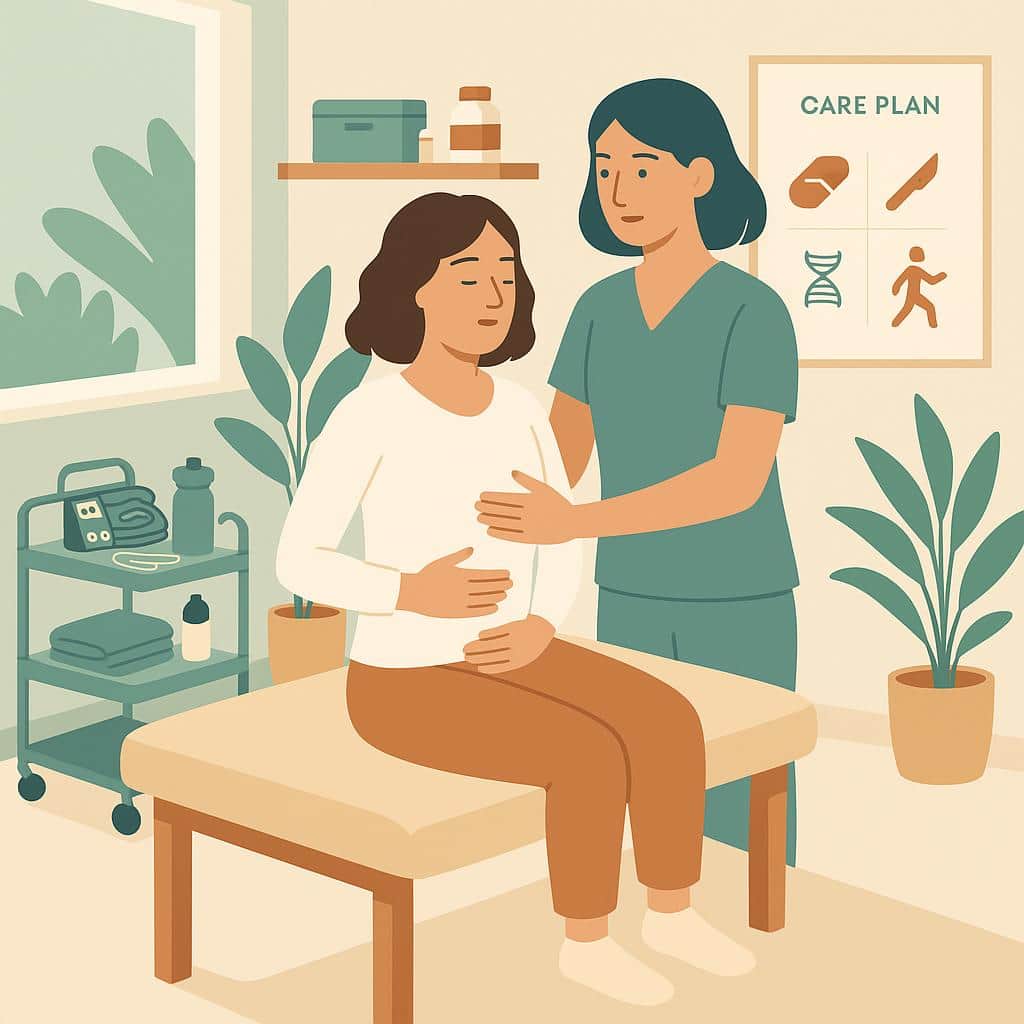
Endometriosis pain relief with supportive, integrative therapies: diagnosis, medical and hormonal care, surgery's role, nutrigenomic and epigenetic insights.
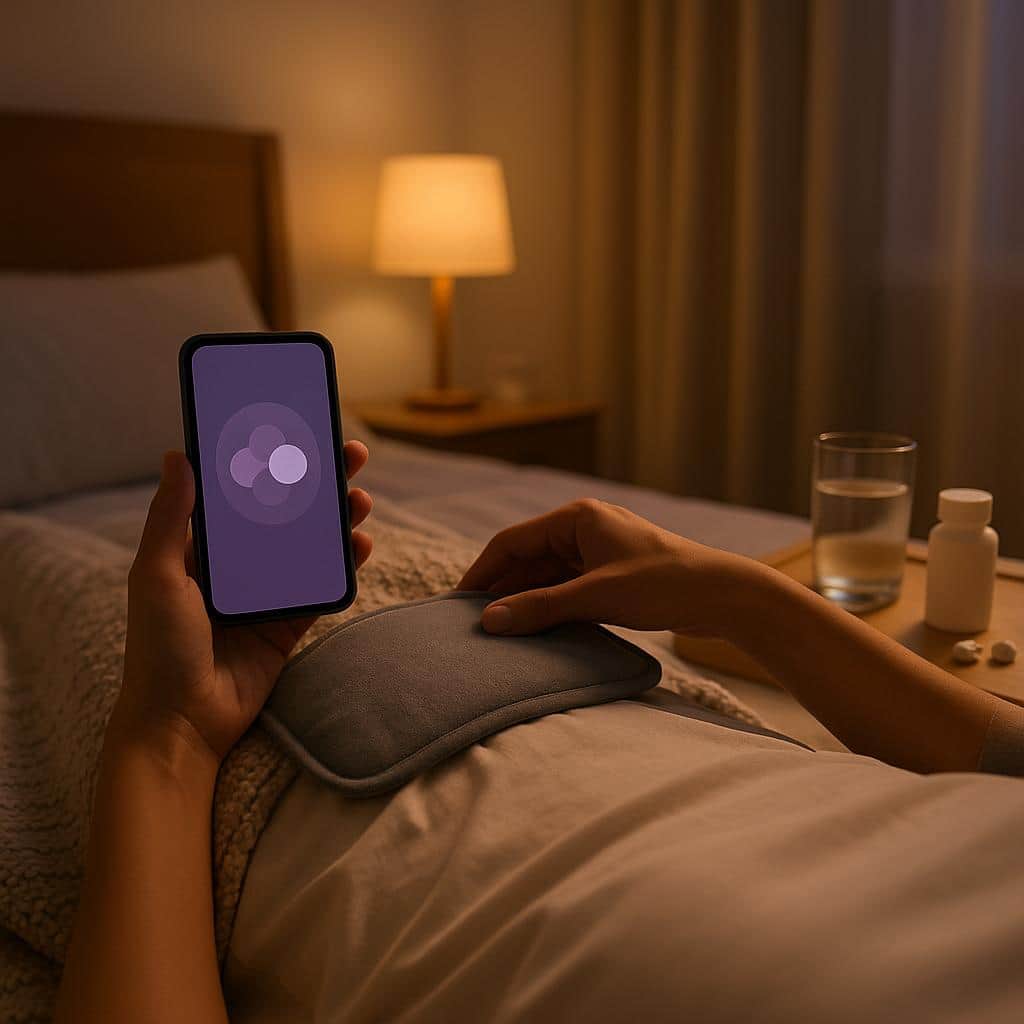
Why orgasms can trigger endometriosis pain: how to ease post-sex discomfort. Causes, symptoms, meds, pelvic floor therapy, surgical options, and sex tips.
Lotus Endometriosis Institute provides California-based surgical evaluation and advanced excision care for patients with suspected endometriosis, adenomyosis, complex pelvic pain, and related conditions.
Many patients contact us from outside California to learn whether traveling for in-person evaluation and possible surgery may be appropriate.
2121 Santa Monica Blvd, Santa Monica, CA 90404
8am - 5pm
Monday - Friday
154 Traffic Way, Arroyo Grande, CA 93420