

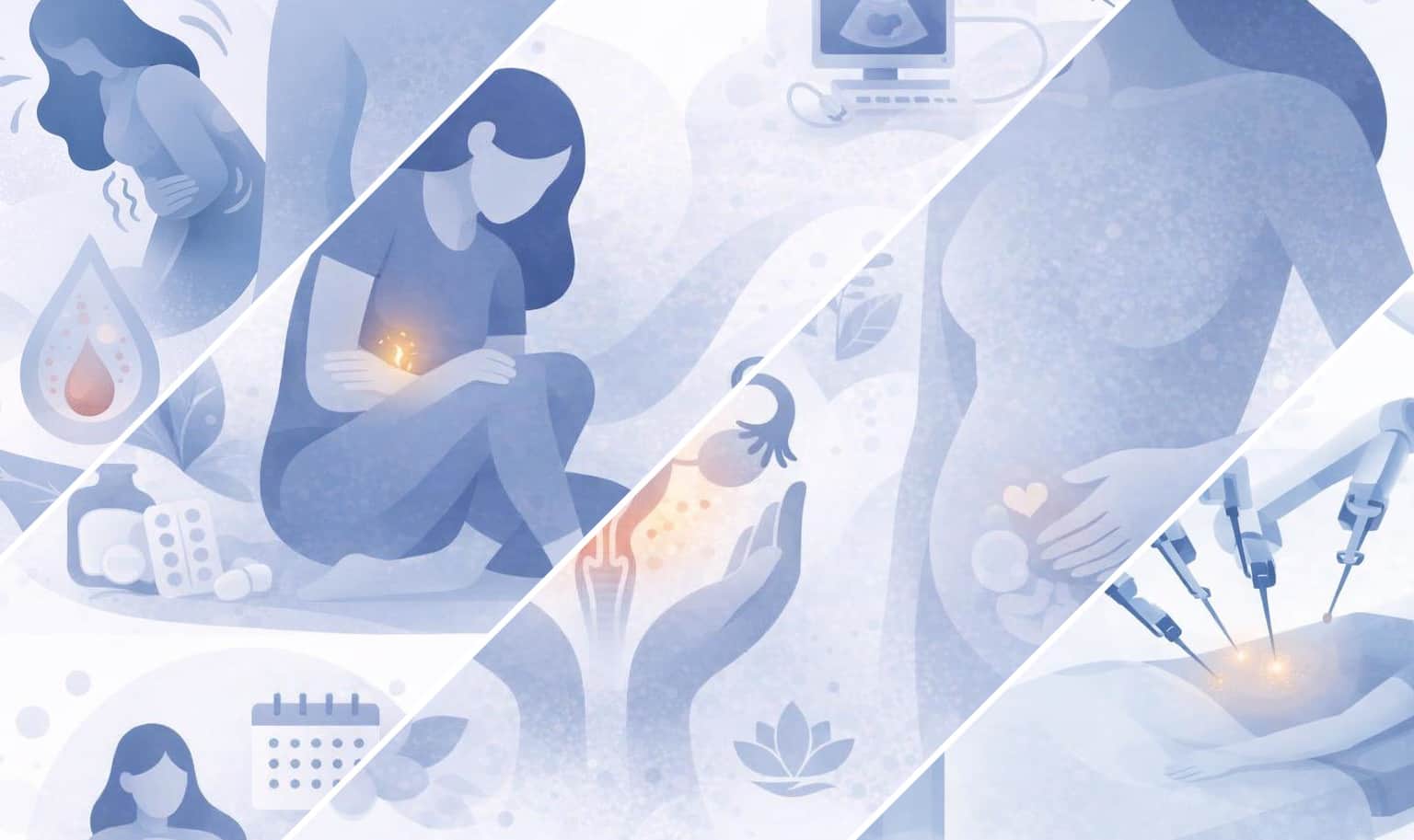

Holistic Tools That Actually Help Endometriosis Pain
Practical, evidence-based add-ons for pain, sex, bowel symptoms, and daily functioning

Living with endometriosis can feel like you’re constantly being asked to “just cope”—while you’re trying to work, parent, study, or simply get through the day in pain. And if hormones don’t agree with you, surgery didn’t bring lasting relief, or you’re still dealing with flare-ups and fatigue, it makes sense to look for other options that might not add more side effects.
The good news is: you don’t have to choose between “real medical treatment” and “holistic or integrative care.” Some self-management strategies—used alongside mainstream medical/surgical care—have enough evidence to be worth a serious conversation with your clinician. Think of these as adjuncts that can target specific symptom domains (like deep pain with sex, bowel pain, or pain days), even if they don’t “treat the disease” itself.
Below are the holistic integrative tools with the most practical, patient-relevant evidence right now—and how to use them without wasting time, money, or hope.
First: what “holistic” should mean for you
In endometriosis care, “holistic” is only helpful if it means:
- Symptom relief you can measure (pain scores, pain days, ability to have sex, bowel comfort, sleep, functioning)
- Lower-risk add-ons that you can stop if they don’t help
- Support for your nervous system and pelvic floor, not just your ovaries/uterus
- A plan and a timeline, so you’re not stuck trying things forever without knowing if they’re working
- They are not promoted as miracle "cures" that cost an arm and a leg
Reality check: endometriosis is chronic and not curable with lifestyle changes. But symptom management can still be life-changing—and you deserve options beyond “take this pill” or “wait for surgery.” Keep in mind that integrative or holistic care is not the same as "alternative" care, which is usually secret code for "it does not work." When evidence supported naturopathic options are integrated into mainstream care, this tends to treat the whole person.... hence the term, holistic care.
Nutrition: worth it when it matches your symptoms
Diet changes are often presented as a cure-all. They’re not. But if your pain flares with bowel symptoms, bloating, or IBS-like patterns, nutrition strategies can be one of the most practical places to start—especially because they can be trialed and stopped safely (ideally with a dietitian). Having said that, a solid anti-oxidant, anti-inflammatory, toxin-reduced (almost impossible to remain toxin-free these days) nutrition plan will help support you to a variable degree.
Low-FODMAP when IBS symptoms overlap
If you have endometriosis plus IBS-type symptoms (bloating, diarrhea/constipation swings, pain relieved by bowel movements), a low-FODMAP approach may be particularly relevant. Evidence is mixed in endometriosis-only studies, but the overlap group (endo + IBS symptoms) is where many people report meaningful improvement.
Important: low-FODMAP is not meant to be permanent. The goal is short-term reduction or elimination of certain foods, followed by structured reintroduction to identify triggers. This way you don’t end up with a more restricted diet that is hard to stick to than necessary.
Gluten-free, low-nickel, omega-3, plant-based/“anti-inflammatory” patterns
Some people report improvement with gluten-free or low-nickel approaches, and higher omega-3 intake is often linked with reduced inflammation-related symptoms. Plant-forward eating patterns may help some patients feel better overall.
The key is not picking the “perfect” endometriosis diet. The key is choosing one change that fits your symptoms and your life, then evaluating it honestly.
Antioxidants and vitamins
Vitamin/antioxidant supplements show potential in some reports, but effects vary. If you try supplements, treat them like a time-limited experiment and avoid stacking multiple new products at once (otherwise you’ll never know what helped—or what caused side effects). Also, keep in mind that more is not better in many cases. At some dose, many anti-oxidants become pro-oxidants and then you are shooting yourself in the foot, and you can harm yourself.
Mind–body approaches: not “in your head,” but in your nervous system
Endometriosis pain is real. It can also become amplified over time through sensitization—meaning your nervous system learns pain patterns and stays on high alert. Mind–body strategies aim to reduce pain intensity, pain unpleasantness, and the distress that comes with flares. They won’t erase lesions, but they can reduce suffering and improve daily function. We are learning more about the psycho-neuro-immunology of this approach and there is evidence to support a mind, body neuro-immune axis.
Mindfulness-based programs
Brief mindfulness-based programs have shown pain reduction in some trials, including improvements in symptoms like dyschezia (pain with bowel movements). Other trials didn’t show significant pelvic pain reductions, but still improved quality-of-life areas (like emotional wellbeing and feeling less powerless).
What that means for you: mindfulness may be especially helpful if your pain comes with anxiety, hypervigilance, sleep disruption, or you feel like your body is “always bracing.”
Progressive muscle relaxation
Progressive muscle relaxation has been linked to improvements in pain and/or quality of life in trials. This can be especially relevant if you notice clenched muscles, pelvic tension, jaw/hip tightness, or pain that worsens with stress.
Take Control of Your Pain Today
Our specialists are here to help you understand your condition and explore your treatment options.
Schedule Your VisitYoga: helpful for some, hard to sustain
Yoga programs have improved pain and quality of life in some studies, but adherence is a real barrier—one trial reported that 43% of participants did not complete the yoga program. That’s not a personal failure; it’s a signal that the program may be too demanding during real life with pain.
If you try yoga, set yourself up for success: choose endometriosis/pelvic pain–informed classes, start gentle, and avoid anything that spikes pain during or after.
Acupuncture and moxibustion: promising, but manage expectations
Acupuncture and related traditional techniques show promising short-term benefits for pain and quality of life in endometriosis. A summary of multiple small randomized trials suggests improvements compared with sham in several pain measures and QoL.
But there’s an important caveat: in at least one multicenter trial, benefits for dysmenorrhea and QoL were seen at 12 weeks, but weren’t sustained at 24 weeks, and pelvic pain/dyspareunia didn’t improve in that trial.
What this means for you:
- Acupuncture may be worth a time-limited trial, especially for period pain and overall wellbeing.
- You should plan a reassessment point (for example, after ~8–12 weeks) and decide whether the cost and time are justified.
- If you’re specifically trying to improve deep dyspareunia or non-menstrual pelvic pain, you may want to pair acupuncture with other targeted options (like pelvic floor physiotherapy or TENS).
Two non-drug tools with surprisingly practical evidence
If you want something tangible you can do at home (or with a specialist) without systemic side effects, these two options are worth discussing early—not as a last resort.
TENS (transcutaneous electrical nerve stimulation)
TENS is a small device that delivers mild electrical stimulation through skin pads. In a multicenter randomized trial, adding TENS to hormonal therapy improved:
- chronic pelvic pain
- deep dyspareunia
- number of pain days over about 8 weeks
This is one of the most actionable findings because it gives you a realistic timeline: you shouldn’t have to “try it for a year.” You can evaluate whether it’s helping within weeks if you’re using it consistently.
Practical note: placement and settings matter, and comfort matters. If you hate how it feels, you won’t use it—and it won’t help. Ask for guidance on pad placement and safe use.
Pelvic floor physiotherapy (PFPT)
Pelvic floor physiotherapy bridges mainstream and integrative care. It can help when pain is driven or amplified by pelvic floor overactivity/tension, trigger points, or protective muscle guarding. In a randomized trial, PFPT improved pelvic floor relaxation measures and reduced superficial dyspareunia pain scores.
If sex is painful—especially “at the entrance” pain—or if you have urinary urgency, constipation, or feel like you can’t relax your pelvic floor, PFPT is one of the most targeted, anatomy-meets-nervous-system interventions available.
How to decide what to try first (without doing “everything”)
Because results are mixed and individual, the best approach is to match the tool to the symptom you most want to change first.
If your top problems are:
- Deep pain with sex or frequent pain days: consider TENS (8-week trial) and/or pelvic pain–informed care
- Superficial pain with sex or pelvic tightness: prioritize pelvic floor physiotherapy
- Severe bowel symptoms / suspected IBS overlap: consider dietitian-supported low-FODMAP
- Stress-linked flares, sleep issues, feeling constantly on edge: consider mindfulness or progressive muscle relaxation
- Period pain + desire for non-drug support: consider a structured acupuncture trial with a checkpoint at 8–12 weeks
Practical takeaways: what to ask for at your next visit
Bring one clear goal (not ten). Then use questions like these:
- “My main goal is to reduce (pain days / deep dyspareunia / bowel pain / fatigue). Which adjunct options best match that?”
- “Can we set a time-limited trial (for example 8–12 weeks) and define what ‘success’ looks like?”
- “Can you refer me to a pelvic floor physiotherapist who treats endometriosis-related pain specifically?”
- “Is TENS appropriate for my type of pain, and can you advise on safe use and placement?”
- “Given my bowel symptoms, should I be evaluated for IBS overlap, and can I see a dietitian for low-FODMAP guidance?”
Reality check: what this can and can’t do
These tools are best viewed as symptom managers, not cures. There are others as well. Benefits can be domain-specific (helping sex pain more than non-menstrual pain, or improving QoL even when pain is stubborn). Some benefits may be short-term unless you keep up the practice or combine strategies thoughtfully. And none of these should be used to delay evaluation of red flags (new severe pain, unexplained weight loss, blood in stool, fainting, fever, or rapidly worsening symptoms).
Most importantly: if your current clinician dismisses all adjunct integrative options as “junk,” or tells you to only do yoga and diet instead of addressing medical care, you deserve better. Evidence-based endometriosis care can include both in a well thought out, integrative holistic plan.
References
Desai S, Strong A, Ball E, Raimondo D, Saunders P, Saunders S, Desai S, Raimondo D, Desai S. Holistic approaches to living well with endometriosis. F1000Research. 2024.. 10.12688/f1000research.142586.2
Quick Answers
When is hysterectomy recommended for adenomyosis?
A hysterectomy is typically considered for adenomyosis when you’re not planning future pregnancy and symptoms are severe and clearly uterus-driven, most often heavy bleeding (sometimes with anemia), intense cramping, pelvic pressure, and disruption to daily quality of life. It’s the most definitive option because adenomyosis is within the uterine muscle, so removing the uterus removes the source of the problem.
In practice, we usually consider hysterectomy most seriously when conservative options haven’t brought acceptable relief, aren’t tolerated, or don’t fit your goals. The decision also depends on the pattern and extent of disease (diffuse adenomyosis versus a more focal adenomyoma that may be removable while preserving the uterus) and whether endometriosis may also be present. If endometriosis is part of the picture, it’s important to know that hysterectomy alone doesn’t treat disease outside the uterus. Durable symptom relief depends on addressing all pain generators.
If you’re wondering whether hysterectomy makes sense for you at this point, our team can help clarify what’s most likely driving your symptoms, review imaging, and walk you through uterus-preserving versus definitive surgical options so you can choose the one that best matches your relief and fertility priorities.
Is uterine artery embolization (UAE) right for adenomyosis?
Uterine artery embolization (UAE), sometimes called adenomyosis embolization, can be a good fit when your main goal is symptom relief while preserving the uterus, especially if heavy bleeding and uterine bulk symptoms are a big part of your day-to-day life. It’s a radiology procedure that reduces blood flow to targeted uterine tissue to shrink or calm adenomyosis-related changes. Many patients report meaningful improvement in quality of life after UAE, and recovery is typically shorter than with major surgery.
Whether it’s right for you depends on what you’re trying to address (bleeding, pain, fertility, or all three) and whether adenomyosis is the primary cause of your symptoms or endometriosis is also part of the picture. In head-to-head research involving people with MRI-confirmed, therapy-resistant adenomyosis who were eligible for hysterectomy and not trying to conceive, both UAE and hysterectomy improved quality of life at 1 year, but hysterectomy tended to have an advantage for pain relief and satisfaction. If you want the most definitive option for uterus-driven symptoms, hysterectomy is the clearest treatment for removing the source, while UAE is better viewed as a uterus-preserving option that may help substantially but isn’t guaranteed to be as durable.
If you’re weighing UAE, our team can help you clarify your diagnosis (including whether endometriosis may be contributing), review your imaging and goals, and work out a plan that matches the level of relief you need, now and long-term. Explore our adenomyosis care resources, and reach out to schedule a consultation if you want personalized guidance for your decision.
How does estrogen affect the endometrium?
Estrogen is one of the main hormones that drive endometrial growth. In the first half of the menstrual cycle, rising estrogen signals the endometrium to thicken and rebuild after a period, preparing the uterus for a possible pregnancy. It also influences the local immune and inflammatory environment in the uterus, which is part of why hormonal shifts can change bleeding patterns and pain.
When estrogen’s growth signals are strong and progesterone’s calming effect is weaker than expected (often described as progesterone resistance), the endometrium can behave in a more persistently inflamed, reactive way. This interplay between hormones and inflammation is especially relevant in estrogen-dependent conditions like adenomyosis and endometriosis, where tissue similar to the endometrium can contribute to ongoing symptoms. If you’re trying to make sense of heavy bleeding, severe cramping, or cycle-linked pelvic pain, our team can help you connect the hormonal biology to what you’re feeling and review next steps for diagnosis and treatment.
How long do endometriosis flare-ups last?
Endometriosis flare-ups don’t have one usual length: some people feel a spike in symptoms for a few hours to a couple of days, while others have flares that last through an entire cycle window or blend into more constant pain. Many flares track with hormonal shifts (often before and during a period), but bowel, bladder, pelvic floor, or nerve-related pain can flare at different times and may not follow a predictable calendar pattern.
When flares start lasting longer or happening more often, it can be a sign that multiple sources of pain are adding up: ongoing inflammation from lesions, adhesions/fibrosis that can tether organs, and sometimes central sensitization, where the nervous system becomes more reactive over time. That’s why symptom management alone can feel like a band-aid if active disease is still present. If you’re noticing prolonged, unpredictable, or escalating flares, our team can help you map your pattern, identify what’s likely driving it, and discuss a plan that addresses both symptom control and the underlying endometriosis.
What causes estrogen dominance with endometriosis?
Producing too much estrogen overall usually doesn’t fully explain estrogen dominance in endometriosis. It’s more often about an estrogen-favoring environment in the pelvis and within the lesions themselves. Many endometriosis lesions can produce estrogen locally (for example, through higher aromatase activity), and that local estrogen can help lesions survive, inflame surrounding tissue, and stimulate nerve growth that drives pain. At the same time, endometriosis commonly behaves as a chronic inflammatory condition, and inflammation can reinforce estrogen signaling and keep the cycle going.
Another key piece is that endometriosis often responds less strongly to progesterone (progesterone resistance), so the normal hormonal braking system that should counterbalance estrogen doesn’t work as well. This can make symptoms feel very hormone-driven even when blood hormone labs look normal. Because endometriosis is multifactorial and likely includes different subtypes, the specific drivers of estrogen dominance can vary from person to person: genetics/epigenetics, immune dysfunction, and tissue-level changes can all play a role. If you’re trying to make sense of your symptoms or why hormonal suppression hasn’t brought lasting relief, our team can help you sort out what may be driving your disease and discuss options that focus on treating the endometriosis itself, not just temporarily quieting it.