General
Why do endometriosis patients try alternative medicine?
The short answer
Many people with endometriosis try alternative medicine after years of pain without clear answers or lasting relief. Side effects, persistent symptoms, or surgery feeling out of reach can lead them to seek more control and better day-to-day functioning.
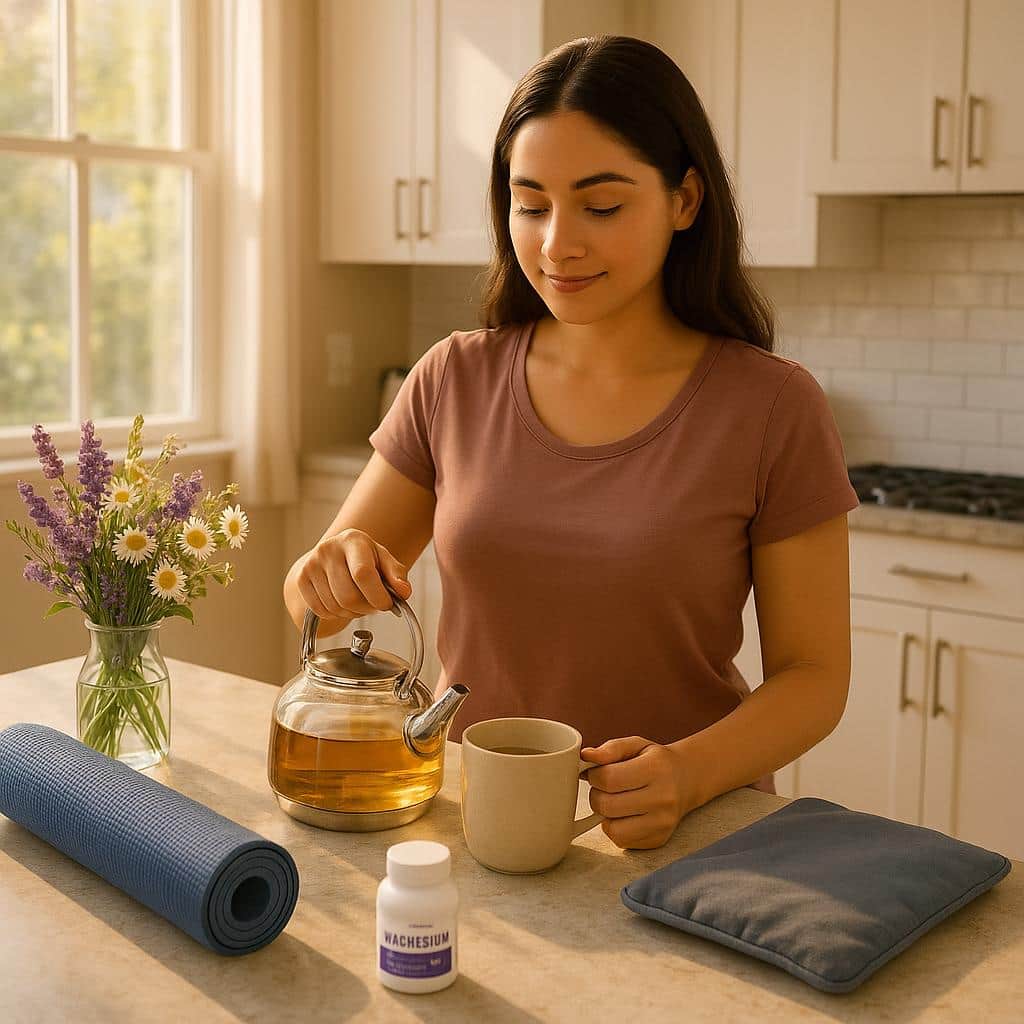
Many people with endometriosis try alternative medicine because they’ve spent years in pain without clear answers or lasting relief. When hormones cause side effects, symptoms persist after prior treatments, or surgery feels out of reach, it’s completely understandable to look for anything that offers a sense of control and helps with day-to-day functioning. Social media and anecdotal stories can also make certain approaches sound like hidden cures, especially when the medical system has been dismissive or slow to diagnose.
We also see a more practical reason: endometriosis pain is multifaceted (driven by inflammation, pelvic floor and musculoskeletal factors, nerve irritation, and sometimes central sensitization), so patients often need more than one tool. The key distinction is that integrative care is meant to work alongside mainstream medical and surgical treatment, not replace it. Our approach is to help you separate what’s promising and measurable from what’s expensive, vague, or marketed as a miracle, and build a coordinated plan that targets both the disease and the pain mechanisms that keep symptoms going. If you’re feeling pulled toward alternative options, we invite you to reach out so we can help you make a plan that protects your time, your body, and your long-term goals.
Where to go from here
Understand it, compare it with what you're feeling, then talk it through with us.
Step 1 · Understand
Understand the condition
Step 2 · Compare
Symptoms it can relate to
Step 3 · Speak with Us
Ready for care that takes you seriously?
If you’ve tried alternative options after years of pain, you’re not alone. Our endometriosis and adenomyosis specialists can help you sort what’s safe, address persistent symptoms, and build a long-term plan that actually fits your life.
Questions people ask next
All general questionsCan holistic methods replace endometriosis medical or surgical care?
No, holistic methods shouldn’t replace medical or surgical care for endometriosis or adenomyosis. They can support pain coping, sleep, stress, and daily function, but lifestyle or integrative approaches alone typically don’t reverse adhesions or lesions.
Why don’t hormones help my endometriosis pain?
Hormones may not help your endometriosis pain because they mainly reduce cycle-driven inflammation and bleeding, not every source of pain. Scarring, nerve growth, a sensitized nervous system or pelvic floor problems may keep pain going even when periods are suppressed.
Do supplements help with endometriosis?
Some supplements may help with specific endometriosis-related symptoms, but results are mixed and they are not a stand-alone treatment for the disease. The choice depends on your symptoms, other medical conditions, medications, and goals.
What helps most with daily symptom control?
Daily symptom control usually comes down to consistency: pacing your day, using heat and getting gentle, regular movement. Nutrition can play a role too, and for some people, addressing pelvic floor dysfunction can be a turning point.
Further reading
Holistic Tools That Actually Help Endometriosis Pain
Explore effective holistic tools that aid in managing endometriosis pain alongside conventional treatments. Discover reliable strategies today.
Integrative Treatment Options for Endometriosis and Adenomyosis
A whole-person approach to reducing endometriosis and adenomyosis symptoms, supporting healing, and improving quality of life.
Non-hormonal Options for Endometriosis Pain: What’s Actually Worth Trying?
Discover evidence-based nonhormonal treatments for endometriosis pain. Find options you can try now for effective symptom management.