Symptoms
What helps most with daily symptom control?
The short answer
Daily symptom control usually comes down to consistency: pacing your day, using heat and getting gentle, regular movement. Nutrition can play a role too, and for some people, addressing pelvic floor dysfunction can be a turning point.
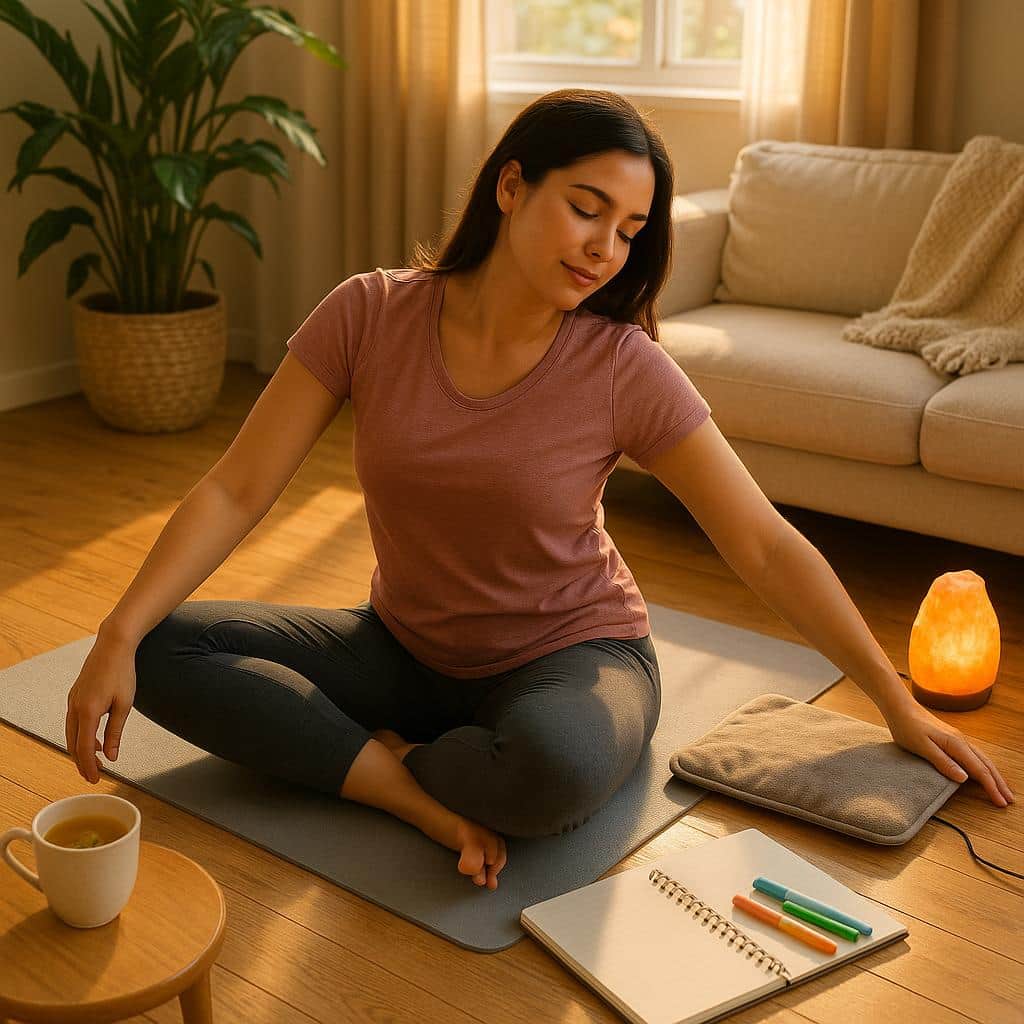
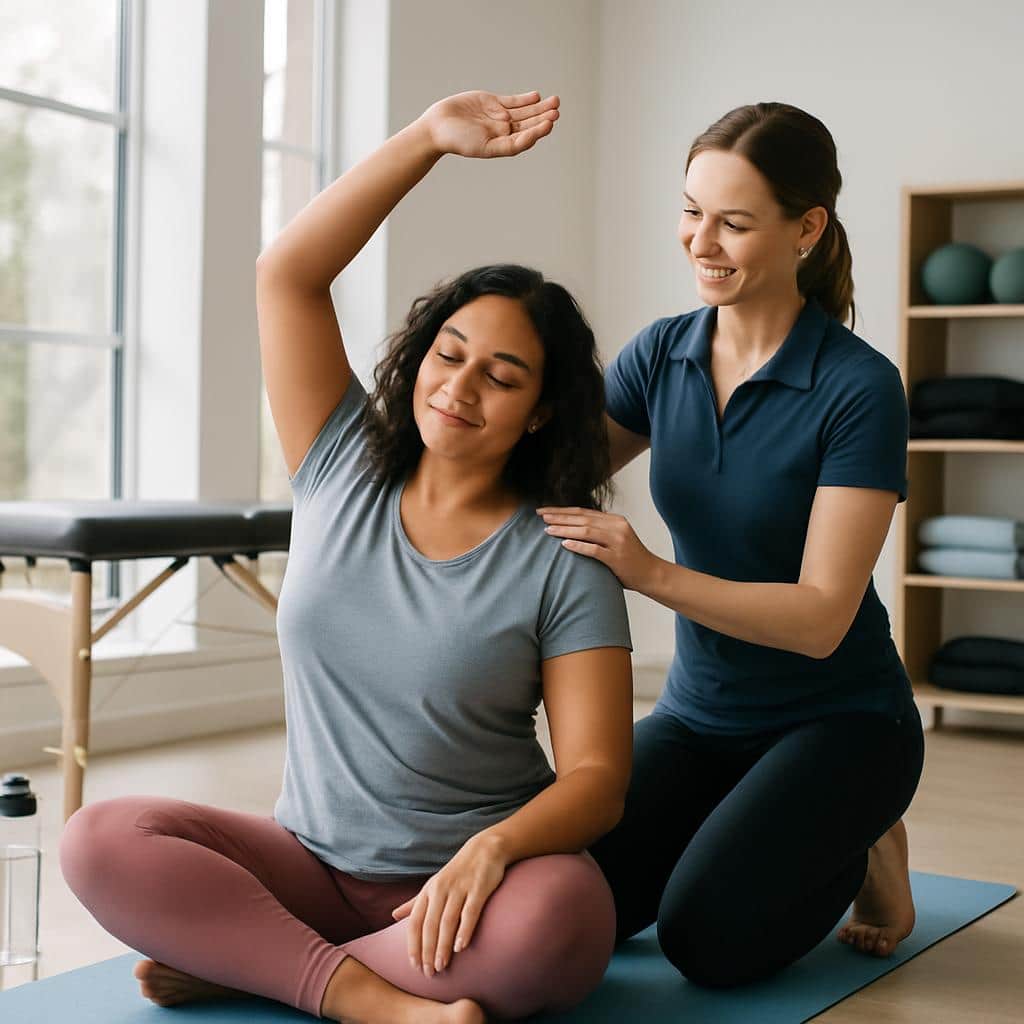
Daily symptom control usually depends more on consistency than intensity. Many patients do best with pacing (planning your day to avoid the push-crash cycle) and using heat strategically to calm pelvic and low back pain. Gentle, regular movement can also help keep the pelvis from tightening up, especially when symptoms flare with sitting or fatigue.
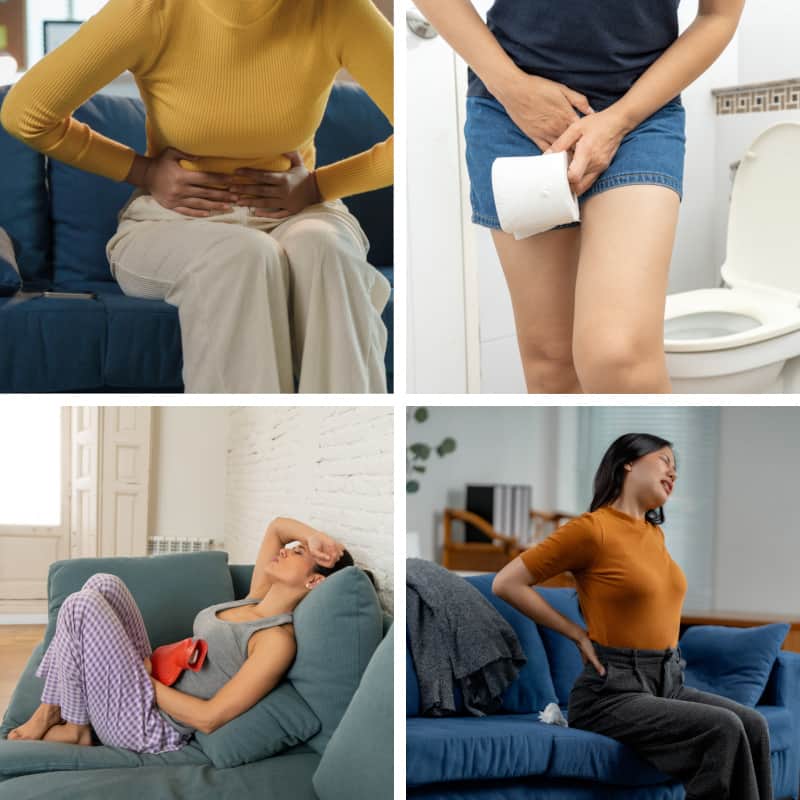
Nutrition can play a role too, particularly eating patterns that reduce inflammation and steady blood sugar rather than quick fixes. For some people, ongoing pelvic floor muscle guarding is a major driver of daily pain, pressure, and urinary or bowel discomfort, so identifying and addressing pelvic floor dysfunction can be a turning point. If your symptoms are still running your life despite these basics, our team can help evaluate what’s driving them and whether a targeted treatment plan (including surgical options when appropriate) may offer more durable relief.
Where to go from here
Understand it, compare it with what you're feeling, then talk it through with us.
Step 1 · Understand
Understand the condition
Step 3 · Speak with Us
Take Control of Daily Symptoms
Managing symptoms daily is about steady, gentle care and smart pacing. Our specialists help create personalized plans using movement, heat therapy, and nutrition to ease your pain and improve comfort.
Questions people ask next
All symptoms questionsWhat daily strategies help with low energy?
Pace your day with rest breaks before and after demanding tasks, and spread out errands, appointments, and housework. A steady sleep/wake routine and gentle movement you can recover from often support better stamina. Nutrition can play a role too.
How can I support pelvic floor dysfunction recovery at home?
You can support pelvic floor recovery at home with daily breathwork, gentle hip and pelvic movement, soothing heat, and predictable bowel and bladder routines. Recovery tends to go best when you pace activity gradually rather than push through symptoms.
Heat or cold: what’s better for cramps and pelvic pain?
For most cramping pelvic pain, gentle heat tends to help more than cold because it relaxes muscle spasm. Cold can be useful for sharp, hot or inflammatory pain, or symptoms that spike after activity. Many patients do best alternating heat and brief cold.
Are at-home remedies effective for endometriosis pain?
Yes, at-home strategies can help many people reduce endometriosis pain during day-to-day flares. Heat, a TENS unit, gentle stretching and pacing activity can help, but needing these measures constantly is often a sign that the causes of pain need deeper evaluation.
Further reading
Holistic Tools That Actually Help Endometriosis Pain
Explore effective holistic tools that aid in managing endometriosis pain alongside conventional treatments. Discover reliable strategies today.
Can Physical Therapy Help Endometriosis Pain?
Discover how physical therapy can alleviate endometriosis pain, improve quality of life, and support pain management strategies.
Endometriosis Diet: What Research Really Supports (and What It Doesn’t)
Learn what truly supports endometriosis symptom relief and improving your reproductive health, backed by reliable research and new evidence.