
General
How can I support pelvic floor dysfunction recovery at home?
The short answer
You can support pelvic floor recovery at home with daily breathwork, gentle hip and pelvic movement, soothing heat, and predictable bowel and bladder routines. Recovery tends to go best when you pace activity gradually rather than push through symptoms.
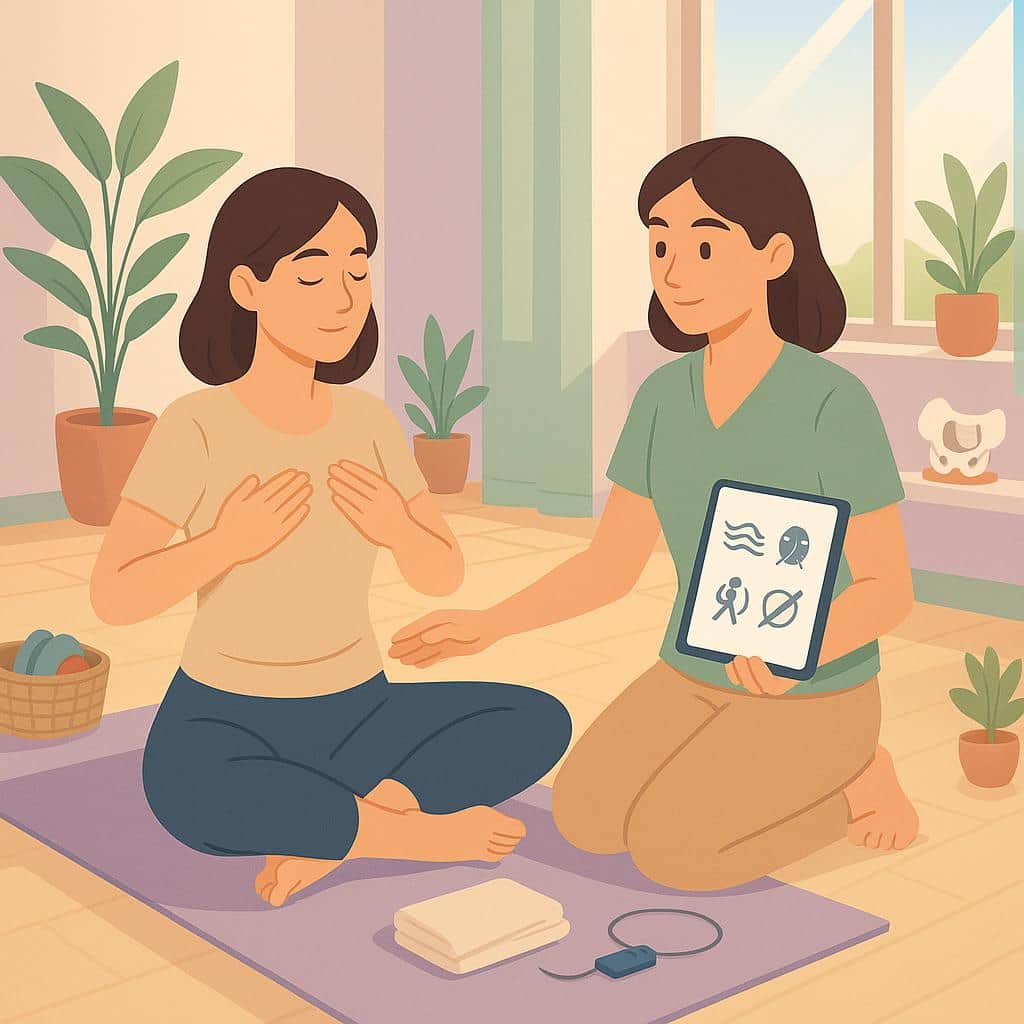
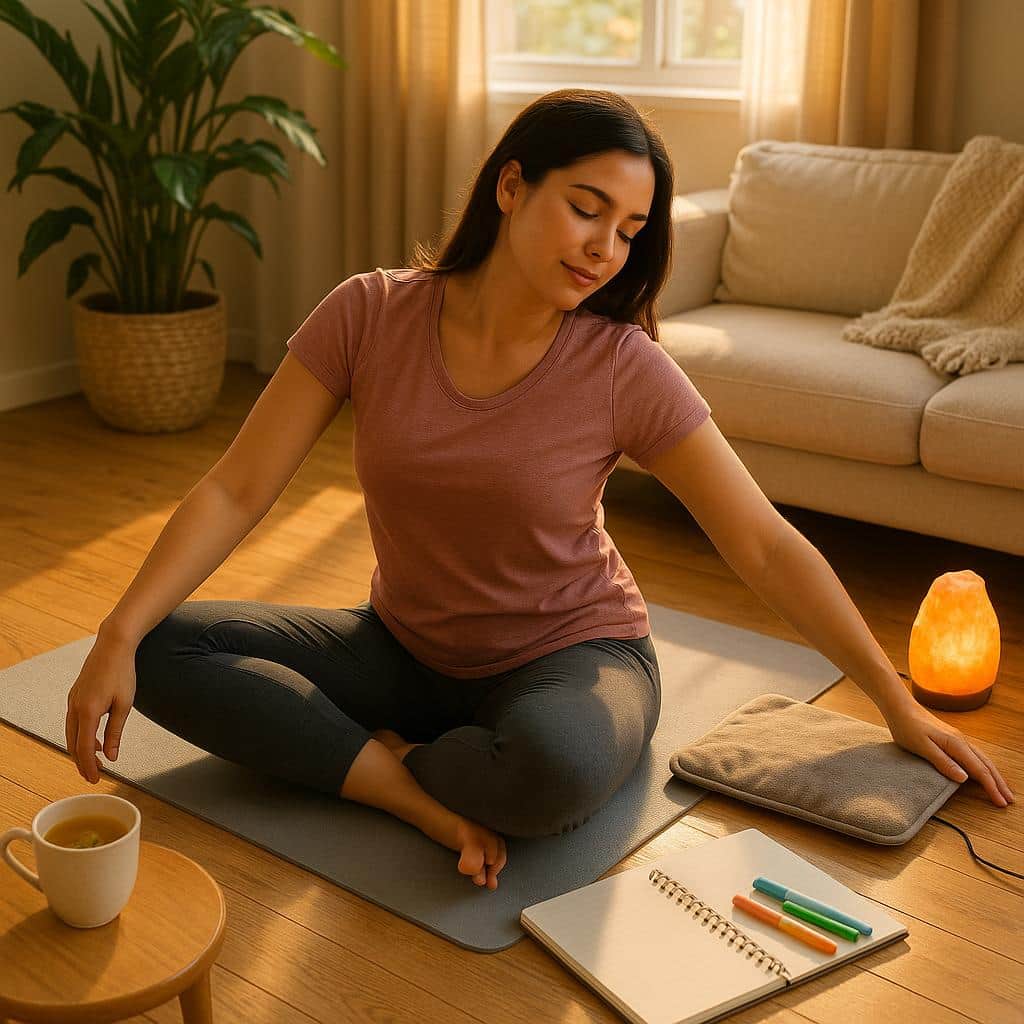
At home, the goal is usually to calm an overactive pelvic floor and help the muscles learn to relax again. Daily breathwork, gentle hip and pelvic mobility, and soothing heat can reduce guarding and make it easier to move without triggering a flare. Keeping bowel and bladder routines predictable can also lower strain on already irritable muscles and tissues.
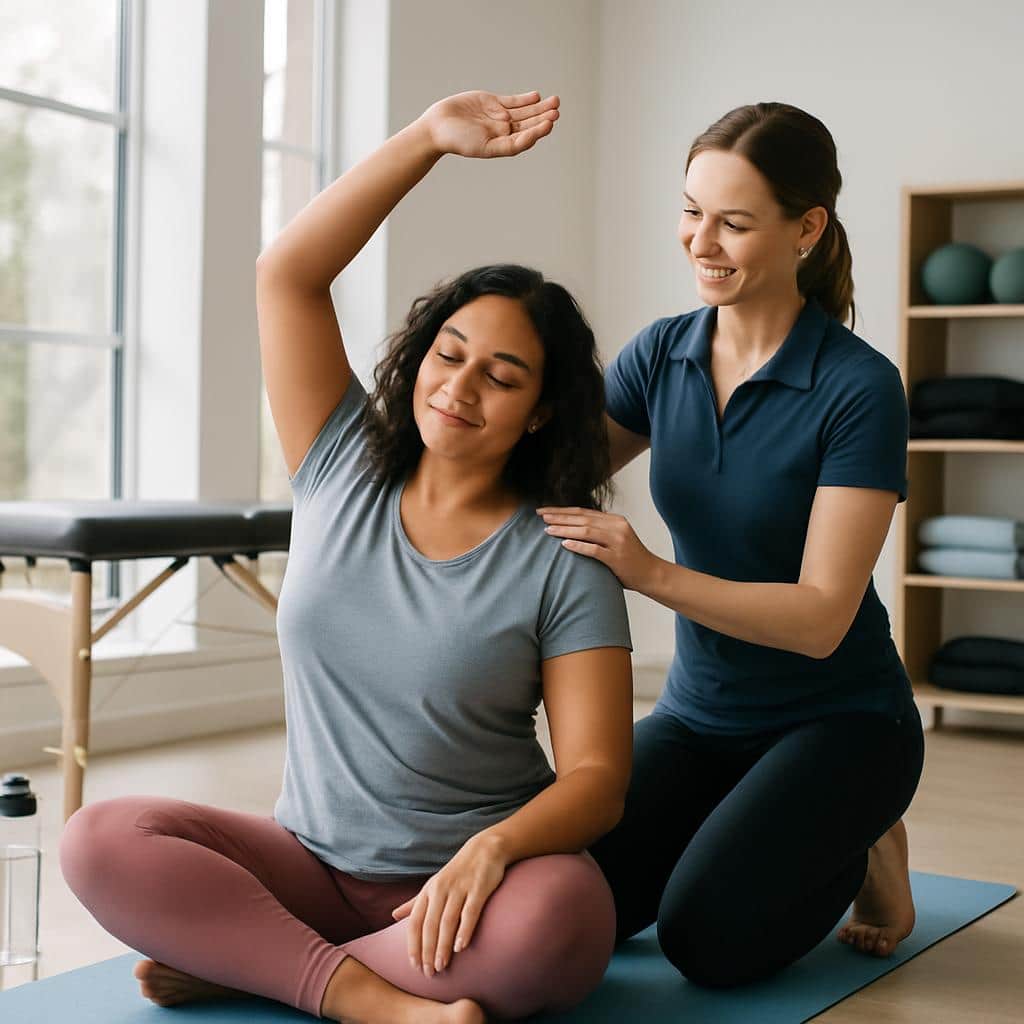
Recovery tends to go best when you pace activity gradually rather than pushing through symptoms. Some patients also do well with gentle, guided use of vaginal dilators and stress-regulation practices to reduce pain amplification and protective muscle tightening. If you’re not sure what’s appropriate given your symptoms or surgical history, our team can help you build a personalized plan and coordinate pelvic floor-focused care as needed.
Where to go from here
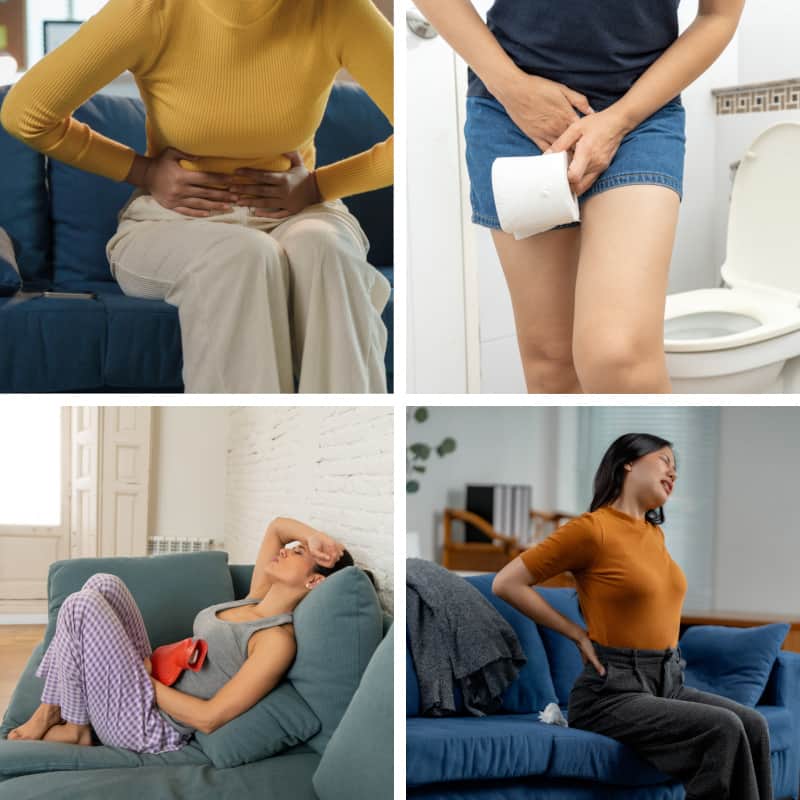
Understand it, compare it with what you're feeling, then talk it through with us.
Step 1 · Understand
Understand the condition
Step 3 · Speak with Us
Heal Your Pelvic Floor at Home
Our specialists guide you through gentle exercises and daily routines to calm your pelvic muscles and ease discomfort. Let us help you pace your recovery for lasting relief from pelvic floor dysfunction.
Questions people ask next
All general questionsHow can I manage flare days at home?
Heat, a TENS unit, and planned rest with pacing can help take the edge off flare-day pain, especially with gentle movement instead of complete immobilization. Many patients also find pelvic floor relaxation reduces clenching that can amplify cramping and pressure.
How can I manage urinary symptoms day to day?
Day-to-day urinary symptoms often improve by addressing bladder habits and pelvic floor tension. Pelvic floor physical therapy, bladder training, and paced hydration can help, as can limiting personal bladder irritants such as caffeine or carbonated drinks.
Can pelvic floor PT help bladder urgency or bowel symptoms?
Yes, pelvic floor physical therapy can be very helpful for bladder urgency and certain bowel symptoms, especially when muscles are overactive or uncoordinated. Therapy can teach bladder retraining, relaxation, and coordination to ease emptying and reduce straining.
How does pelvic floor physical therapy help pain?
Pelvic floor physical therapy helps by addressing muscles and connective tissues that can amplify pelvic pain. It also helps the pelvic floor relax and engage at the right times, so sitting, urinating, bowel movements, or intercourse are less likely to trigger symptoms.
Further reading
Can Physical Rehab Reduce Endo and Adeno Pain?
How pelvic rehab and pelvic floor PT can help endometriosis and adenomyosis pain. What it treats best, who benefits, timelines, red flags, and questions to ask.
Holistic Tools That Actually Help Endometriosis Pain
Explore effective holistic tools that aid in managing endometriosis pain alongside conventional treatments. Discover reliable strategies today.
Can Physical Therapy Help Endometriosis Pain?
Discover how physical therapy can alleviate endometriosis pain, improve quality of life, and support pain management strategies.