
Symptoms
How can I manage urinary symptoms day to day?
The short answer
Day-to-day urinary symptoms often improve by addressing bladder habits and pelvic floor tension. Pelvic floor physical therapy, bladder training, and paced hydration can help, as can limiting personal bladder irritants such as caffeine or carbonated drinks.
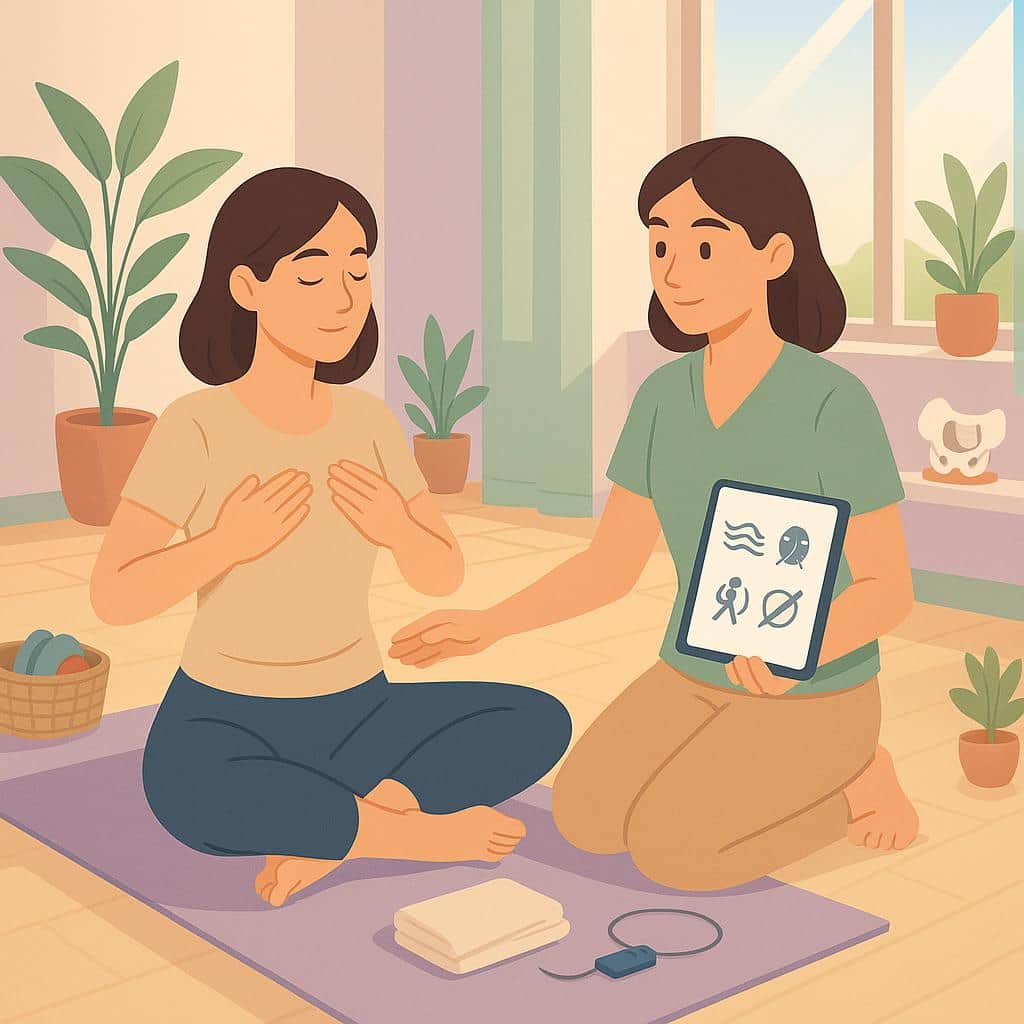
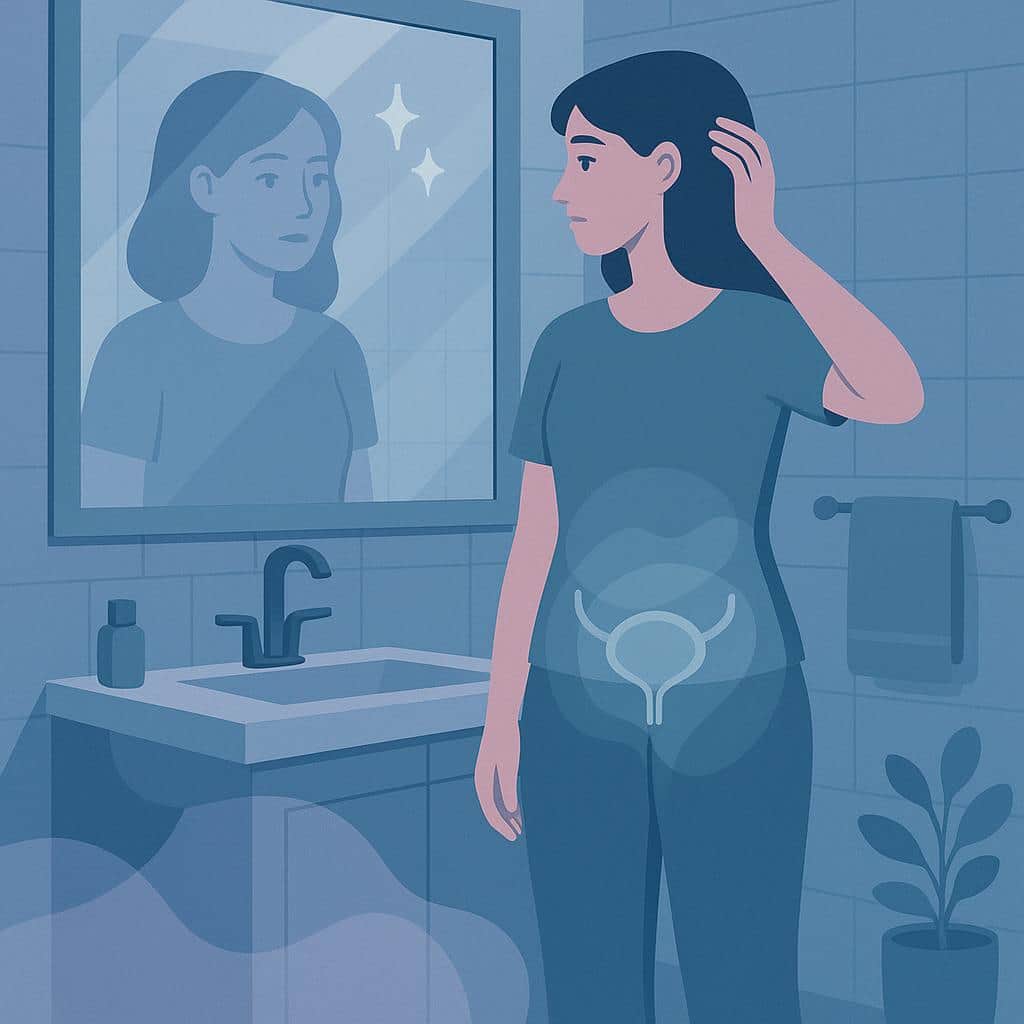
Day-to-day urinary urgency, frequency, and bladder discomfort often improve when we address both bladder habits and pelvic floor tension. Many patients get meaningful relief from pelvic floor physical therapy to reduce guarding, along with bladder training strategies and paced hydration to avoid the cycle of too little, too often.
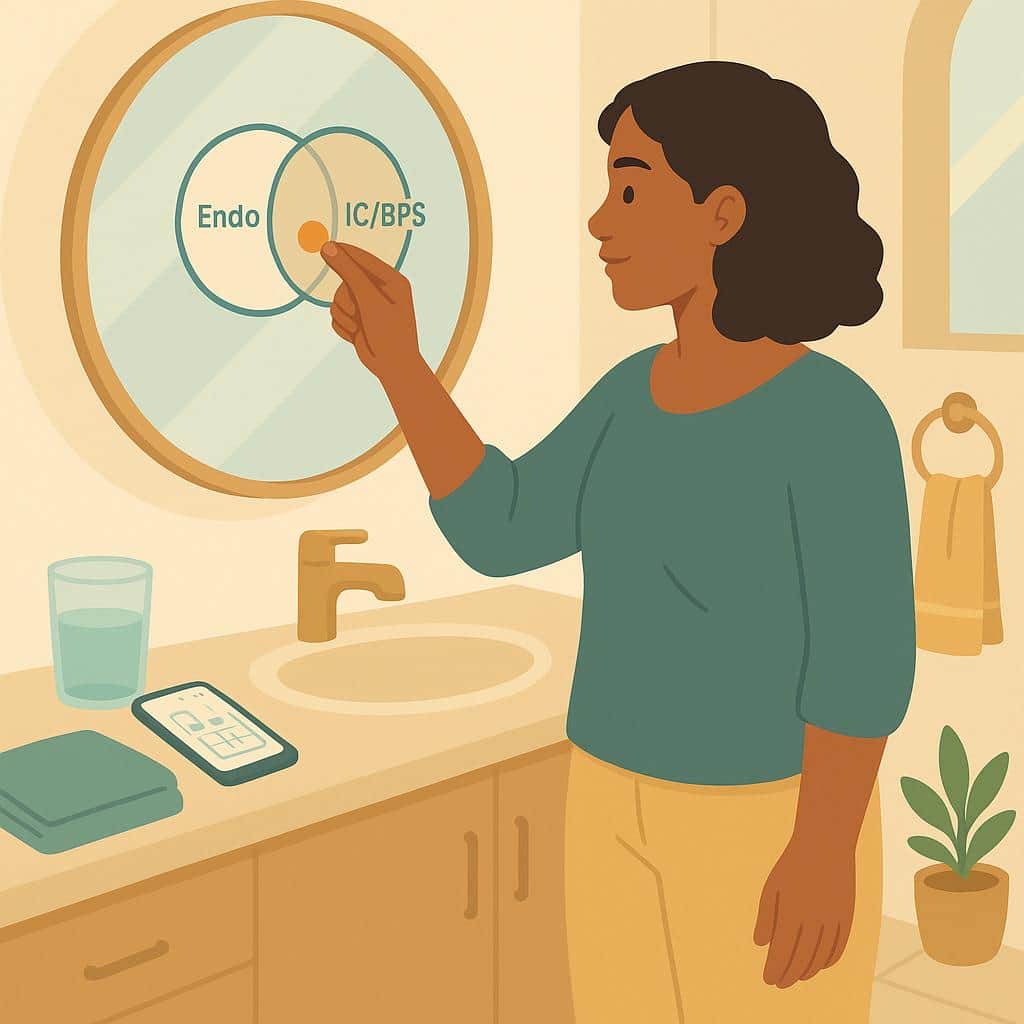
It can also help to notice and limit your personal bladder irritants, commonly caffeine or carbonated drinks, especially during flares. For symptom spikes, some people find heat or a TENS unit calming, and medications such as antispasmodics may be appropriate depending on your symptom pattern. If urinary symptoms are persistent or worsening, our team can help evaluate whether endometriosis, pelvic floor dysfunction, or another condition is driving them and build a plan tailored to your day-to-day life.
Where to go from here
Understand it, compare it with what you're feeling, then talk it through with us.
Step 1 · Understand
Understand the condition
Step 3 · Speak with Us
Struggling with Urinary Symptoms?
Our specialists can help you manage urgency, frequency, and discomfort with tailored bladder training and pelvic floor therapy. Let us guide you toward daily relief and improved comfort.
Questions people ask next
All symptoms questionsCan pelvic floor PT help bladder urgency or bowel symptoms?
Yes, pelvic floor physical therapy can be very helpful for bladder urgency and certain bowel symptoms, especially when muscles are overactive or uncoordinated. Therapy can teach bladder retraining, relaxation, and coordination to ease emptying and reduce straining.
How can I support pelvic floor dysfunction recovery at home?
You can support pelvic floor recovery at home with daily breathwork, gentle hip and pelvic movement, soothing heat, and predictable bowel and bladder routines. Recovery tends to go best when you pace activity gradually rather than push through symptoms.
What treatments help bladder symptoms when there’s no infection?
When urine tests show no infection, treatment often starts with pelvic floor physical therapy and bladder retraining. Medications can help persistent urgency or frequency, and hormonal suppression can be an important tool for clearly cyclical symptoms.
When are urinary symptoms an emergency?
Urinary symptoms are urgent if you also have severe one-sided flank pain, fever, repeated vomiting, an inability to pass urine, or visible blood in the urine. These can signal a kidney infection or ureter blockage, and delaying care can put kidney function at risk.
Further reading
Can Physical Rehab Reduce Endo and Adeno Pain?
How pelvic rehab and pelvic floor PT can help endometriosis and adenomyosis pain. What it treats best, who benefits, timelines, red flags, and questions to ask.
Bladder Endometriosis: Symptoms, Diagnosis, and Treatment Options
Learn about bladder endometriosis, its symptoms, diagnosis, and treatment options. Understand the complexities to find effective pain management solutions.
Endometriosis and Bladder Pain - Why Your Pelvic Pain Persists
Pelvic pain despite endometriosis treatment? Learn the bladder pain syndrome (IC/BPS) overlap, signs your bladder is involved, and next steps for relief.