Symptoms
What treatments help bladder symptoms when there’s no infection?
The short answer
When urine tests show no infection, treatment often starts with pelvic floor physical therapy and bladder retraining. Medications can help persistent urgency or frequency, and hormonal suppression can be an important tool for clearly cyclical symptoms.
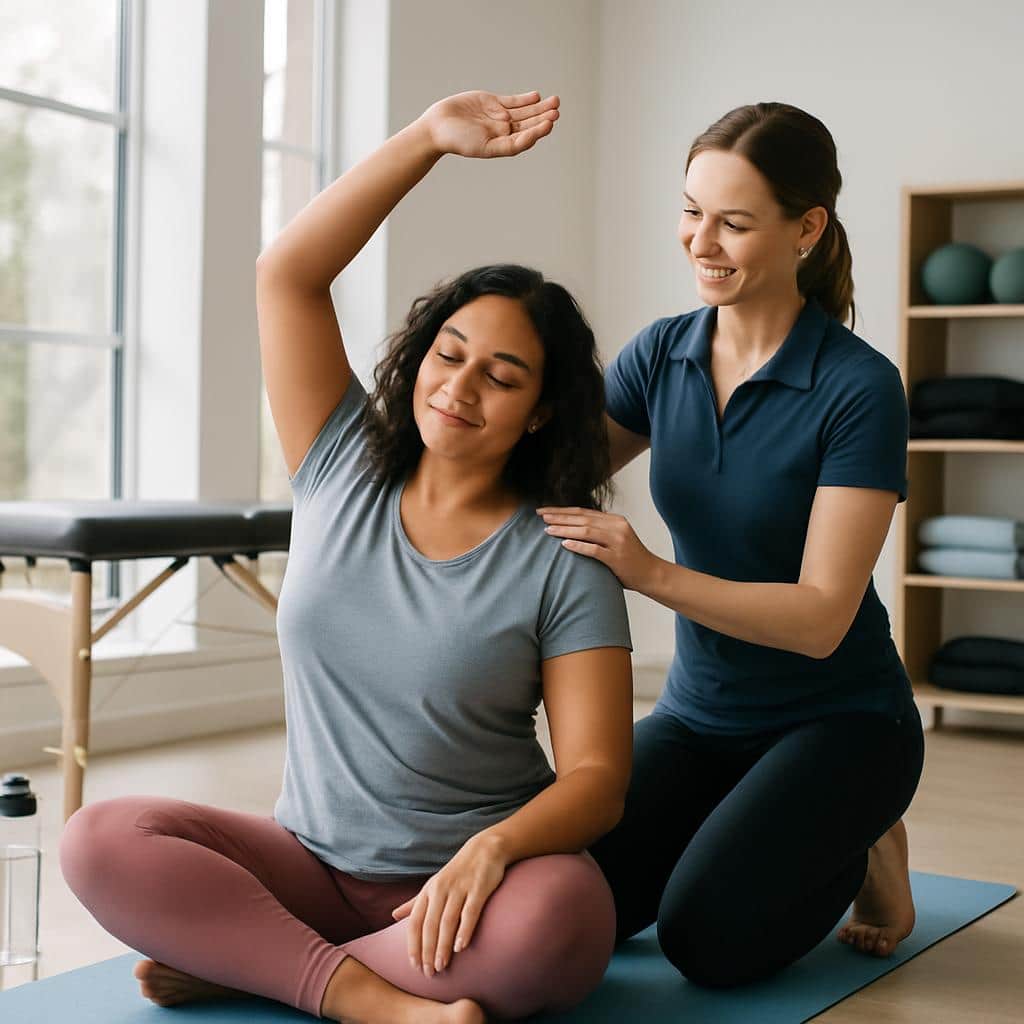
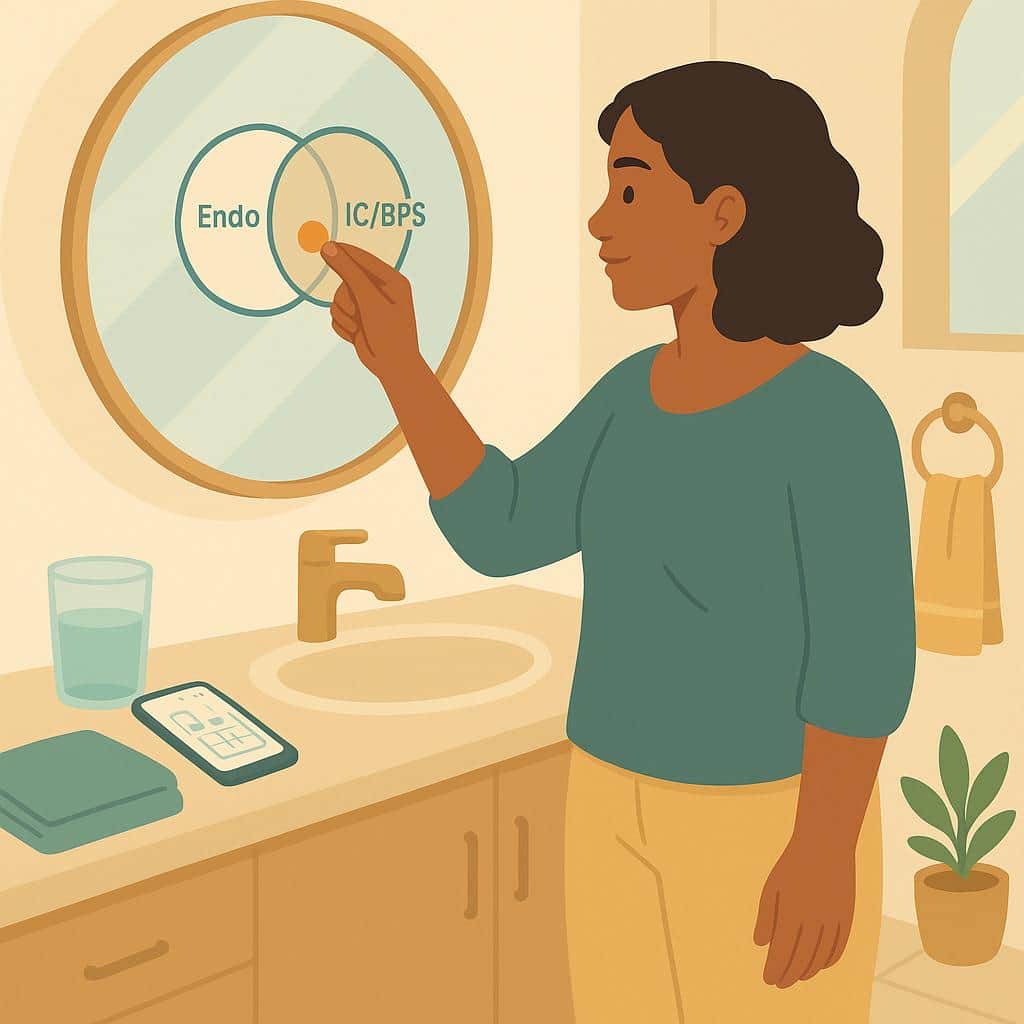
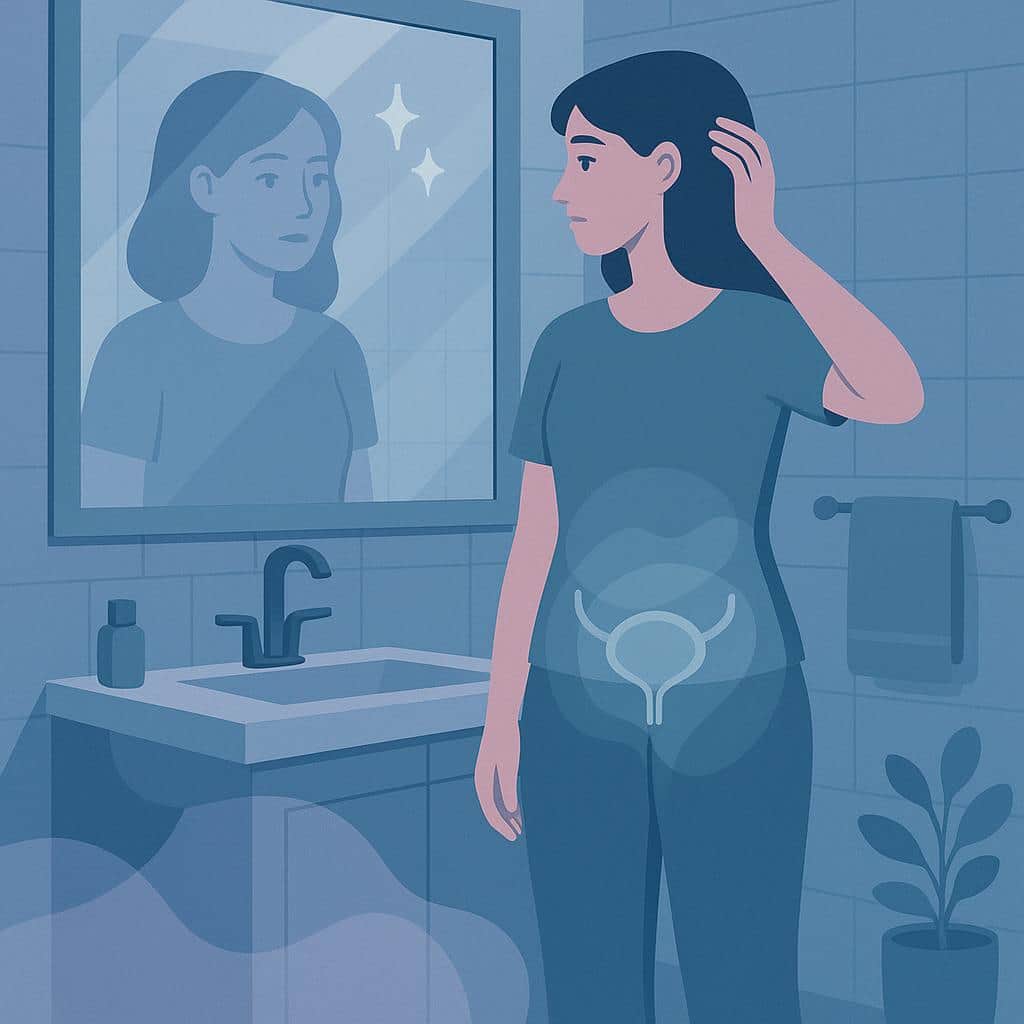
When urine tests don’t show an infection, we focus on other common drivers of urinary urgency, frequency, burning, or pressure, such as bladder sensitivity, pelvic floor muscle tension, and inflammation that can be related to endometriosis or other pelvic pain conditions. Treatment often starts with pelvic floor physical therapy and bladder retraining to calm the reflex between the bladder and pelvic floor and reduce the cycle of flares. We may also recommend identifying and temporarily limiting bladder irritants during flares and using gentle pacing strategies so symptoms don’t escalate.
For persistent urgency or frequency, certain medications can help relax the bladder or reduce overactivity (such as beta-3 agonists or anticholinergics). If nerve-related hypersensitivity is a major feature, low-dose neuromodulating medications, such as amitriptyline, or antihistamines may be considered to quiet pain signaling. When symptoms are clearly cyclical, hormonal suppression can be an important tool, and our team can help you sort out which pattern fits your symptoms and build a plan targeted to your triggers. Reach out to schedule a consultation.
Where to go from here
Understand it, compare it with what you're feeling, then talk it through with us.
Step 2 · Compare
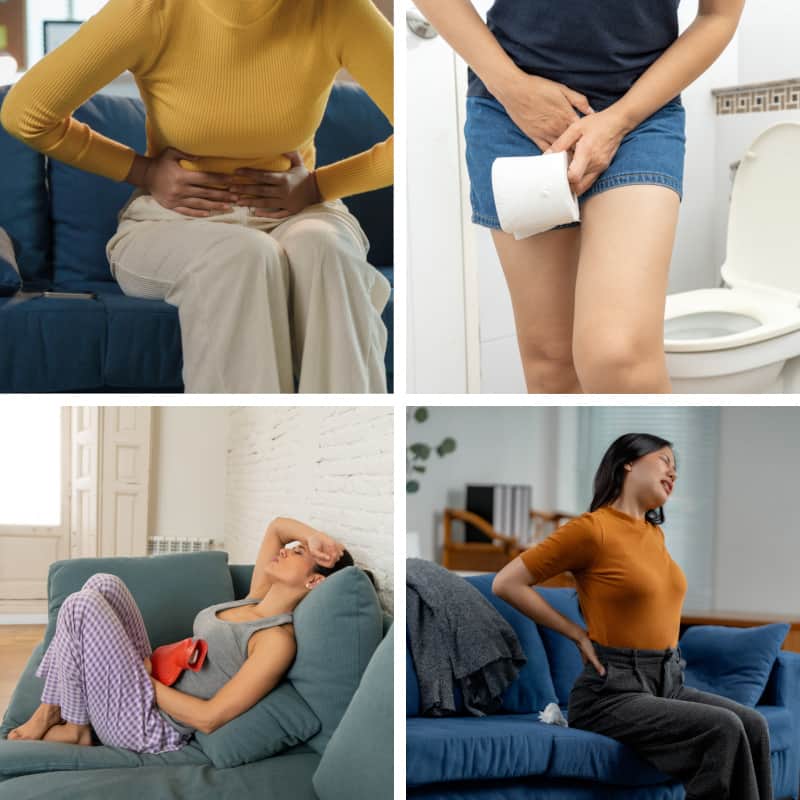
Symptoms it can relate to
Step 3 · Speak with Us
Struggling With Bladder Symptoms?
If your urine tests are clear but symptoms persist, our specialists can help address bladder sensitivity and pelvic floor tension linked to endometriosis. We offer targeted therapies to calm irritation and retrain your bladder for relief.
Questions people ask next
All symptoms questionsCan pelvic floor PT help bladder urgency or bowel symptoms?
Yes, pelvic floor physical therapy can be very helpful for bladder urgency and certain bowel symptoms, especially when muscles are overactive or uncoordinated. Therapy can teach bladder retraining, relaxation, and coordination to ease emptying and reduce straining.
What treatments relieve IC/BPS symptoms?
Many patients with IC/BPS improve with bladder training, identifying triggers, stress regulation, and pelvic floor physical therapy when pelvic floor tension contributes to pain. If symptoms persist, medications or bladder instillations may be added.
How can I manage urinary symptoms day to day?
Day-to-day urinary symptoms often improve by addressing bladder habits and pelvic floor tension. Pelvic floor physical therapy, bladder training, and paced hydration can help, as can limiting personal bladder irritants such as caffeine or carbonated drinks.
What treatments help bladder pain from endometriosis?
Many patients get relief from bladder pain related to endometriosis with hormonal suppression and a focused pain-management plan. Pelvic floor physical therapy can help, and excision surgery may be recommended when bladder or deep anterior endometriosis is suspected.
Further reading
Can Physical Therapy Help Endometriosis Pain?
Discover how physical therapy can alleviate endometriosis pain, improve quality of life, and support pain management strategies.
Endometriosis and Bladder Pain - Why Your Pelvic Pain Persists
Pelvic pain despite endometriosis treatment? Learn the bladder pain syndrome (IC/BPS) overlap, signs your bladder is involved, and next steps for relief.
Bladder Endometriosis: Symptoms, Diagnosis, and Treatment Options
Learn about bladder endometriosis, its symptoms, diagnosis, and treatment options. Understand the complexities to find effective pain management solutions.