Deep Disease
What treatments relieve IC/BPS symptoms?
The short answer
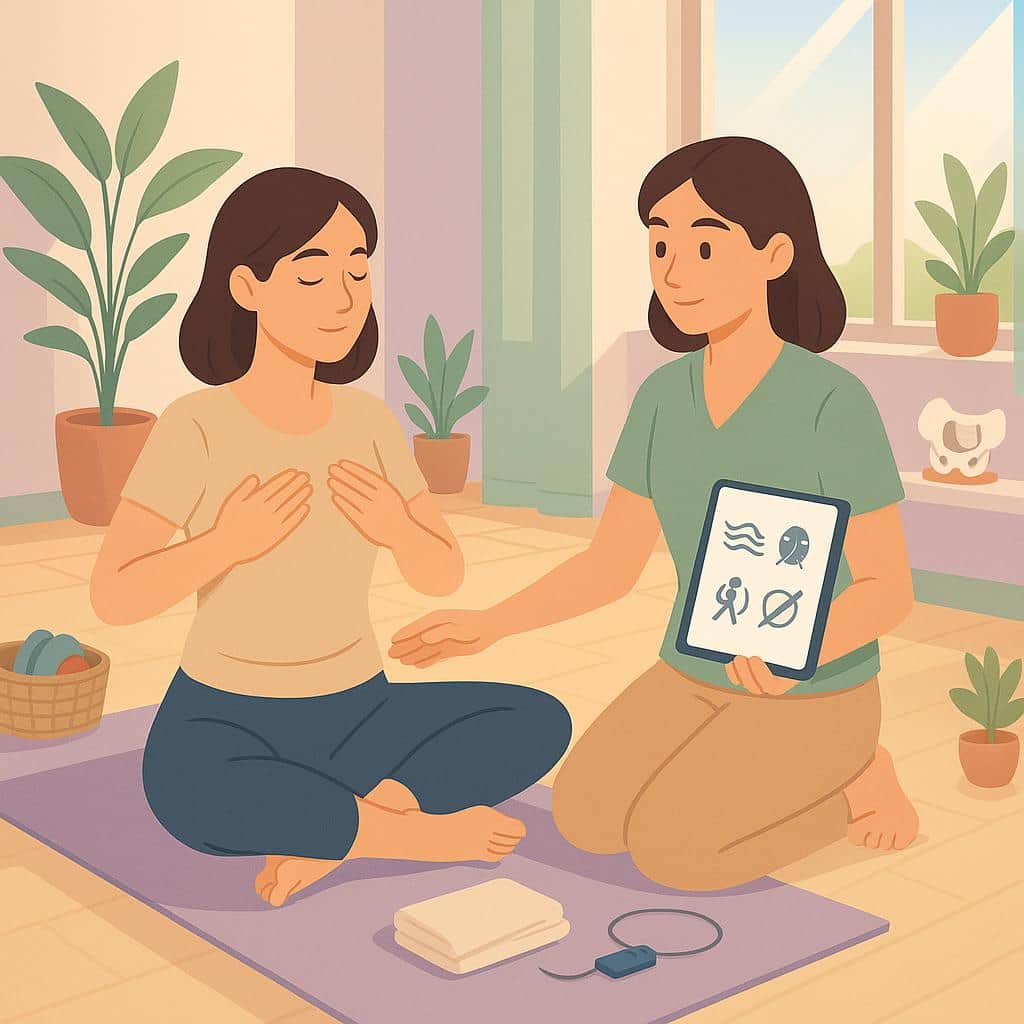
Many patients with IC/BPS improve with bladder training, identifying triggers, stress regulation, and pelvic floor physical therapy when pelvic floor tension contributes to pain. If symptoms persist, medications or bladder instillations may be added.
IC/BPS treatment usually follows a stepwise approach, starting with ways to calm bladder sensitivity and reduce symptom flares. Many patients improve with education, bladder training, identifying personal triggers, stress regulation, and pelvic floor physical therapy when pelvic floor tension is part of the pain pattern.
If symptoms persist, we may add medications such as amitriptyline or hydroxyzine, or bladder instillations (intravesical therapy) with lidocaine or DMSO to target bladder pain more directly. For more refractory cases, options such as neuromodulation can be considered as part of an individualized plan that also prioritizes pain relief and quality of life. If you’re dealing with ongoing bladder pain, urgency, or frequency, our team can help clarify what’s driving your symptoms and tailor a treatment plan to your situation.
Where to go from here
Understand it, compare it with what you're feeling, then talk it through with us.
Step 1 · Understand
Understand the condition
Step 3 · Speak with Us
Find Relief From IC/BPS Today
Our specialists understand how IC/BPS disrupts your life and offer tailored treatments to ease symptoms and calm bladder sensitivity. From pelvic therapy to advanced therapies, we're here to help you regain comfort and control.
Questions people ask next
All deep disease questionsCan pelvic floor PT help bladder urgency or bowel symptoms?
Yes, pelvic floor physical therapy can be very helpful for bladder urgency and certain bowel symptoms, especially when muscles are overactive or uncoordinated. Therapy can teach bladder retraining, relaxation, and coordination to ease emptying and reduce straining.
What treatments help bladder symptoms when there’s no infection?
When urine tests show no infection, treatment often starts with pelvic floor physical therapy and bladder retraining. Medications can help persistent urgency or frequency, and hormonal suppression can be an important tool for clearly cyclical symptoms.
Do diet and hormones affect IC flares?
Yes, diet and hormonal shifts can influence interstitial cystitis (IC) flares for many patients. Triggers vary, but acidic foods, caffeine, alcohol and artificial sweeteners are commonly reported, and many people notice symptoms worsen before a period.
Do I need cystoscopy to diagnose IC/BPS?
Cystoscopy isn’t required for everyone to diagnose IC/BPS, which is usually diagnosed based on symptoms and urine testing that doesn’t show infection. It can be helpful if there’s blood in the urine, certain cancer risk factors, or a need to check for Hunner lesions.
Further reading
Endometriosis and Bladder Pain - Why Your Pelvic Pain Persists
Pelvic pain despite endometriosis treatment? Learn the bladder pain syndrome (IC/BPS) overlap, signs your bladder is involved, and next steps for relief.
Can Physical Rehab Reduce Endo and Adeno Pain?
How pelvic rehab and pelvic floor PT can help endometriosis and adenomyosis pain. What it treats best, who benefits, timelines, red flags, and questions to ask.