Symptoms
Do diet and hormones affect IC flares?
The short answer
Yes, diet and hormonal shifts can influence interstitial cystitis (IC) flares for many patients. Triggers vary, but acidic foods, caffeine, alcohol and artificial sweeteners are commonly reported, and many people notice symptoms worsen before a period.
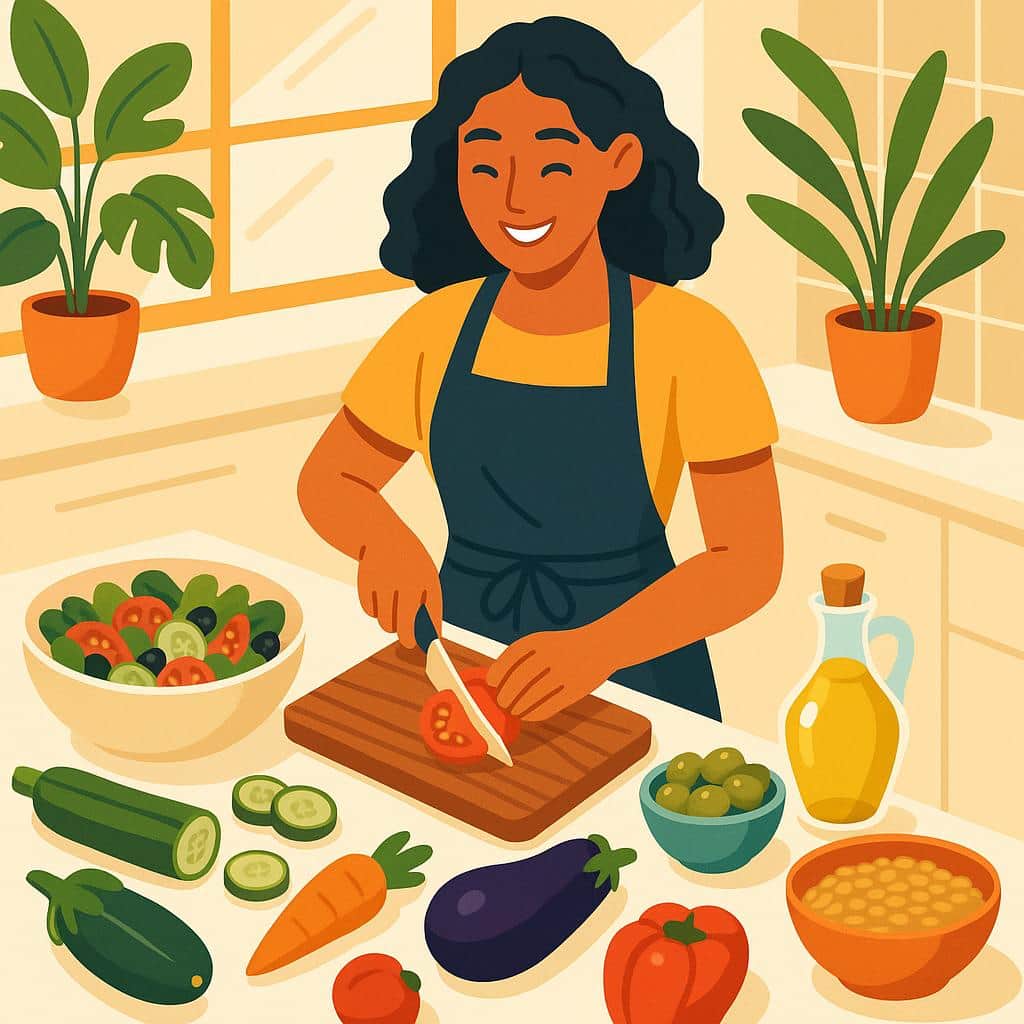
Yes, both diet and hormonal shifts can influence interstitial cystitis (IC) flares for many patients. Commonly reported triggers include acidic foods, caffeine, alcohol, and artificial sweeteners, though triggers vary widely from person to person, and not everyone reacts the same way.
Many people also notice their symptoms worsen in the days leading up to a period, when hormonal and inflammatory changes can make the bladder more sensitive. A practical way to identify your personal triggers is to try a short, structured elimination period followed by careful reintroduction, rather than broad, long-term restriction. If your flares are cyclical, our team can help you evaluate patterns and build a plan that supports your bladder while we also look for overlapping pelvic conditions that can mimic or worsen IC symptoms.
Where to go from here
Understand it, compare it with what you're feeling, then talk it through with us.
Step 1 · Understand
Understand the condition
Step 3 · Speak with Us
Struggling With IC Flares?
Our specialists understand how diet and hormones can trigger your symptoms. Let us help you find relief and manage your interstitial cystitis effectively.
Questions people ask next
All symptoms questionsBladder endometriosis vs UTI vs IC: how can I tell the difference?
Bladder endometriosis often flares before or during your period despite negative urine cultures, while a UTI is more likely when testing shows infection and antibiotics help. IC/BPS can cause ongoing bladder pain and urgency without infection, typically not tightly linked to your cycle.
Can endometriosis and interstitial cystitis happen together?
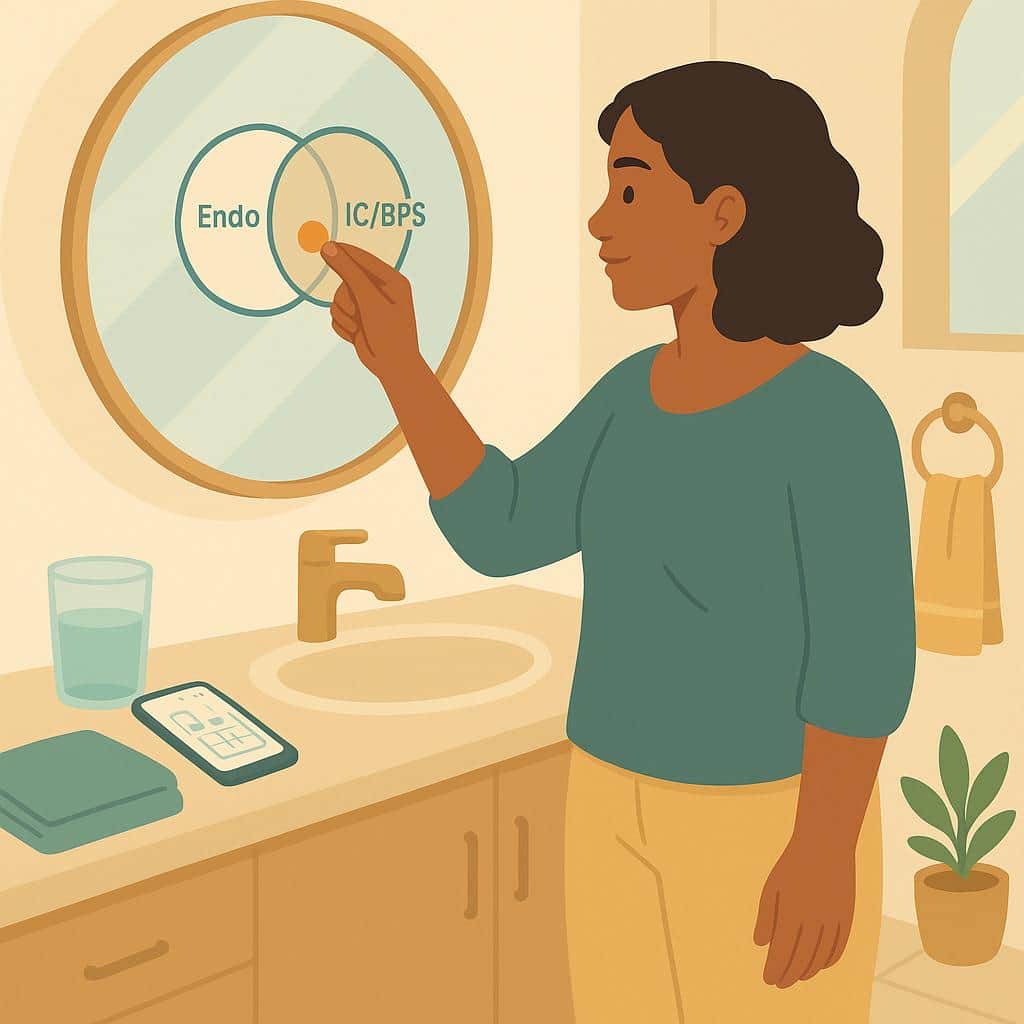
Yes, endometriosis and interstitial cystitis (bladder pain syndrome) can occur together and cause similar symptoms, such as urgency, frequency or burning. When both are present, treating only endometriosis may not fully relieve bladder-driven pain.
Will hormonal therapy help urinary urgency?
Hormonal therapy can reduce urinary urgency for some patients, especially when symptoms flare cyclically and appear tied to endometriosis or adenomyosis. It may calm inflammation and pelvic pain, but urgency isn’t always hormone-driven, and response varies.
Do I need cystoscopy to diagnose IC/BPS?
Cystoscopy isn’t required for everyone to diagnose IC/BPS, which is usually diagnosed based on symptoms and urine testing that doesn’t show infection. It can be helpful if there’s blood in the urine, certain cancer risk factors, or a need to check for Hunner lesions.
Further reading
Endometriosis and Bladder Pain - Why Your Pelvic Pain Persists
Pelvic pain despite endometriosis treatment? Learn the bladder pain syndrome (IC/BPS) overlap, signs your bladder is involved, and next steps for relief.
Bladder Endometriosis: Symptoms, Diagnosis, and Treatment Options
Learn about bladder endometriosis, its symptoms, diagnosis, and treatment options. Understand the complexities to find effective pain management solutions.
Endometriosis Diet: What Research Really Supports (and What It Doesn’t)
Learn what truly supports endometriosis symptom relief and improving your reproductive health, backed by reliable research and new evidence.