Diagnosis
Do I need cystoscopy to diagnose IC/BPS?
The short answer
Cystoscopy isn’t required for everyone to diagnose IC/BPS, which is usually diagnosed based on symptoms and urine testing that doesn’t show infection. It can be helpful if there’s blood in the urine, certain cancer risk factors, or a need to check for Hunner lesions.
IC/BPS is usually diagnosed clinically based on bladder-centered pain or pressure, along with urinary frequency and/or urgency that persists for at least six weeks, with urine testing that doesn’t show infection. A key part of diagnosis is ruling out other explanations for the symptoms, since many conditions can mimic bladder pain.
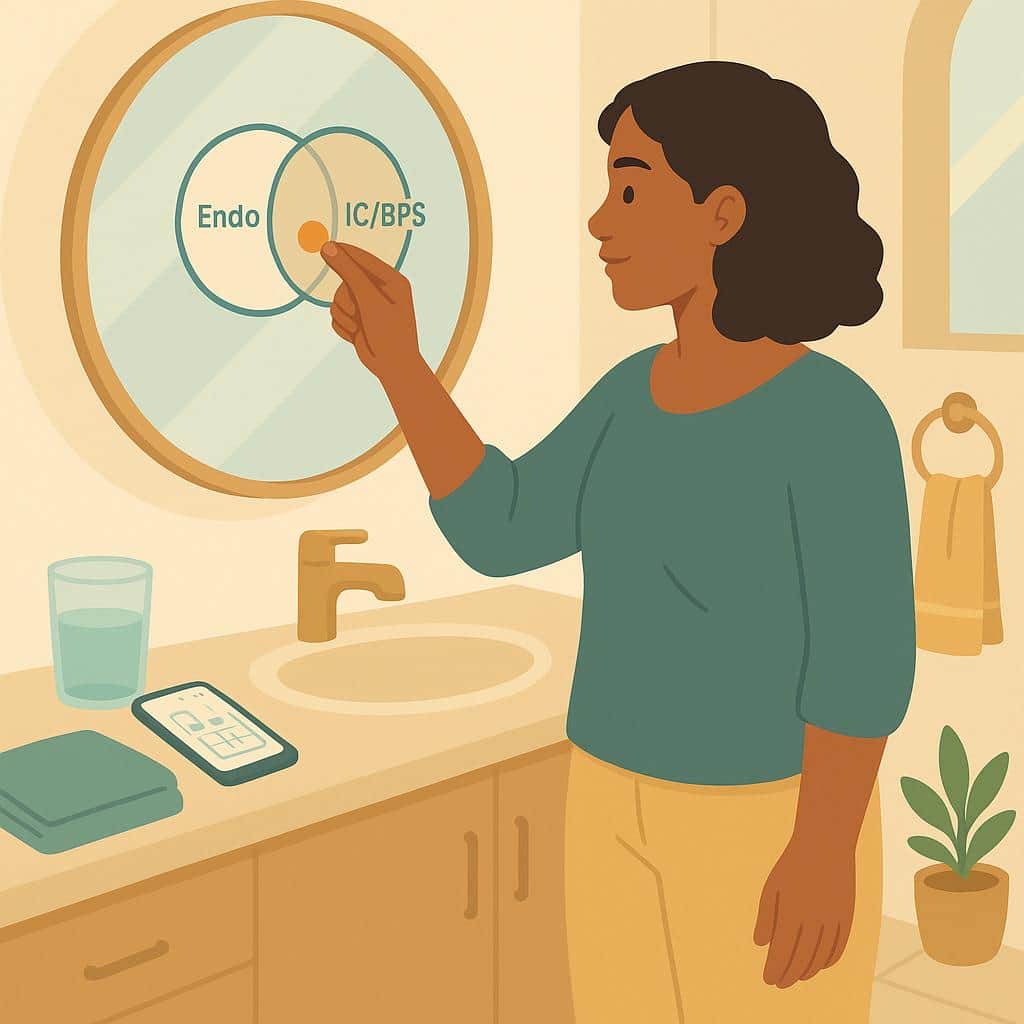
Cystoscopy isn’t required for everyone, but it can be helpful in specific situations. We’re more likely to recommend it if you have blood in the urine or certain cancer risk factors, or if we need to evaluate for Hunner lesions, which can change treatment planning. If your symptoms overlap with pelvic pain conditions like endometriosis, our team can help identify the likely drivers and build a targeted evaluation plan. Reach out to schedule a consultation.
Where to go from here
Understand it, compare it with what you're feeling, then talk it through with us.
Step 1 · Understand
Understand the condition
Step 3 · Speak with Us
Wondering About Cystoscopy?
Our specialists expertly diagnose IC/BPS by focusing on your symptoms and ruling out other conditions. We use cystoscopy when it can provide crucial insights for your personalized treatment plan.
Questions people ask next
All diagnosis questionsCould pelvic pain be IC or bladder pain syndrome?
Yes, pelvic pain can come from interstitial cystitis/bladder pain syndrome (IC/BPS), especially if it worsens as the bladder fills and improves after peeing. Urinary symptoms can also overlap with endometriosis or adenomyosis, and more than one condition can contribute.
Bladder endometriosis vs UTI vs IC: how can I tell the difference?
Bladder endometriosis often flares before or during your period despite negative urine cultures, while a UTI is more likely when testing shows infection and antibiotics help. IC/BPS can cause ongoing bladder pain and urgency without infection, typically not tightly linked to your cycle.
What tests diagnose bladder endometriosis?
A focused pelvic ultrasound with a partially filled bladder can help identify bladder endometriosis, and MRI can clarify how deep a lesion goes. Urine tests check for other causes of symptoms, and in selected cases, cystoscopy can help evaluate the inside of the bladder.
When are urinary symptoms an emergency?
Urinary symptoms are urgent if you also have severe one-sided flank pain, fever, repeated vomiting, an inability to pass urine, or visible blood in the urine. These can signal a kidney infection or ureter blockage, and delaying care can put kidney function at risk.
Further reading
Endometriosis and Bladder Pain - Why Your Pelvic Pain Persists
Pelvic pain despite endometriosis treatment? Learn the bladder pain syndrome (IC/BPS) overlap, signs your bladder is involved, and next steps for relief.
Bladder Endometriosis: Symptoms, Diagnosis, and Treatment Options
Learn about bladder endometriosis, its symptoms, diagnosis, and treatment options. Understand the complexities to find effective pain management solutions.
What Else Could It Be? Ruling Out Other Causes
Explore essential insights on endometriosis and other causes of pelvic pain. Learn about differential diagnoses and effective treatment options.