

You are recovering after treatment
Could pelvic floor dysfunction cause pelvic pain after treatment?
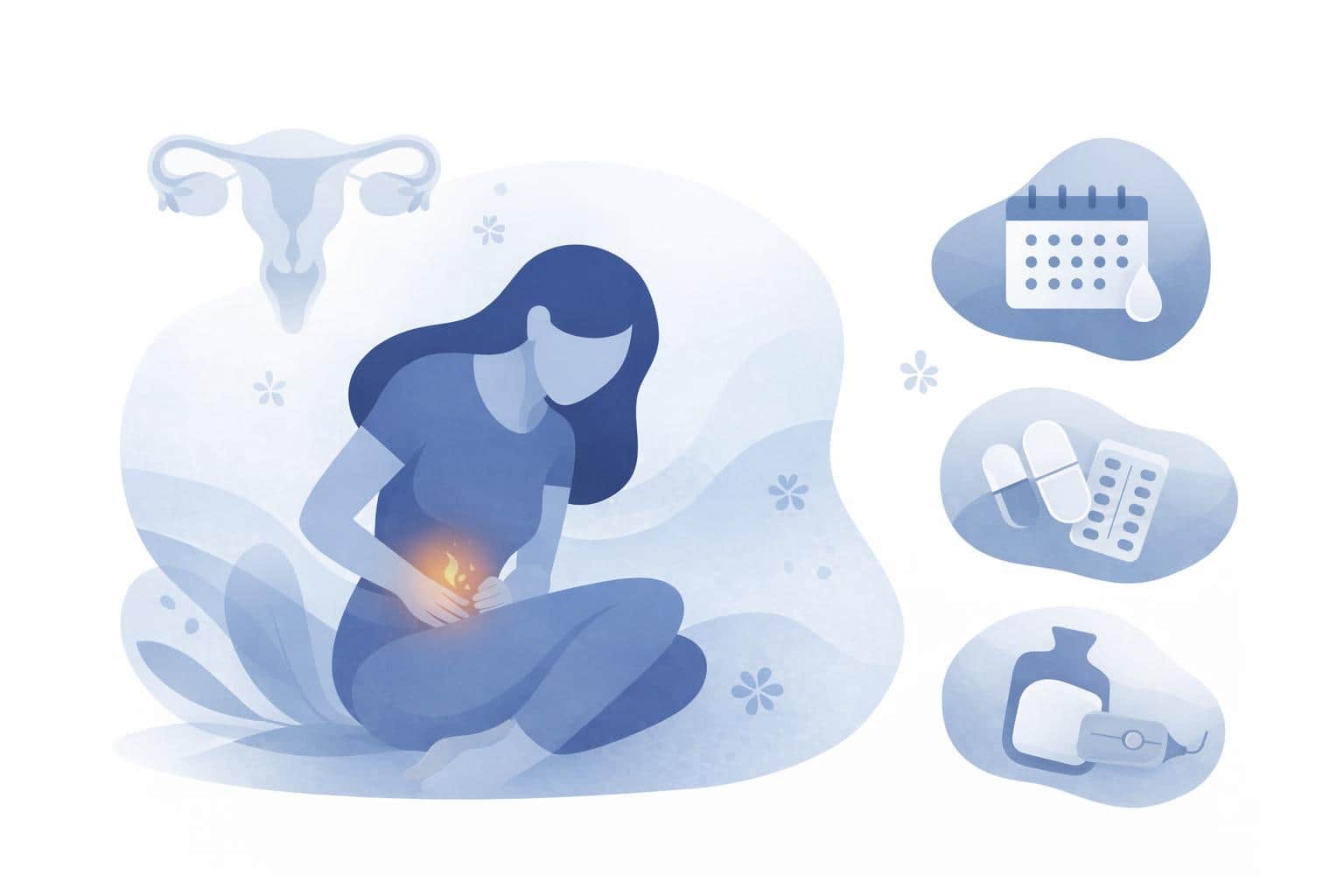
Yes—pelvic floor dysfunction can be an important missing piece when pelvic pain persists after other treatment. With months or years of pain, it’s common for the pelvic floor muscles to stay in a protective “guarding” pattern, becoming overly tight and reactive (often called hypertonic). That muscle tension can keep pain going even when inflammation is better controlled, and it may show up as burning or stabbing pelvic pain, pain with intercourse, or discomfort with sitting, tampons, or pelvic exams.
In these cases, lasting relief often depends on identifying whether pelvic floor muscle overactivity is contributing and then addressing it directly. Our team can evaluate your symptoms in context and help coordinate a plan that may include targeted pelvic floor therapy focused on relaxation and down-training—alongside treatment of any underlying gynecologic disease that may still be present. If you’re stuck in a cycle of ongoing pain despite treatment, reach out to schedule a consultation so we can help you pinpoint what’s driving it.
Still hurting after treatment?
Persistent pelvic pain may be due to pelvic floor muscle dysfunction. Our specialists can assess and treat this to bring you lasting relief.
Book Your ConsultationRelated Procedures
Learn More

Pelvic Floor & Myofascial Pain After Endometriosis Surgery
Why Do I Still Hurt series article three about pain post-endometriosis surgery. Learn the basics about myofascial pain and treatment options.

Endometriosis Excision Surgery Worked—So Why Am I Still in Pain?
Discover why persistent pain after successful endometriosis surgery occurs, backed by recent research and insights for effective pain management.

When Your Nervous System Won’t Stand Down After Endometriosis Surgery
Explore why pain persists after endometriosis surgery and learn about central sensitization's role in pain management.

What Now? Your Post‑Endometriosis Surgery Pain Investigation Plan
Discover an investigation plan for post-surgery pain after endometriosis. Learn effective tracking methods to communicate with your care team.
Related Pages
Pain Management
Learn how evidence-based pain management for endometriosis can provide real relief while addressing root causes through integrative care.
Pelvic Floor Therapy
Learn how pelvic floor therapy helps relieve endometriosis and adenomyosis pain by addressing muscle tension, nerve sensitization, and movement dysfunction.
Contact Us
Contact the Lotus Endometriosis Institute to begin your healing journey. Our team responds within one business day.