Fatigue
Fatigue in endometriosis and adenomyosis is more than “being tired”—it can feel like whole-body exhaustion that doesn’t match your activity level. It’s common, real, and often improves when the underlying disease drivers (pain, inflammation, heavy bleeding, and sleep disruption) are properly treated.
Overview
Fatigue is a persistent sense of low energy, reduced stamina, and “running on empty” that can show up even after a full night of sleep. For many people with endometriosis and/or adenomyosis, fatigue is one of the most disabling symptoms—sometimes even more limiting than pelvic pain—because it affects concentration, motivation, movement, and emotional resilience.
In endometriosis, endometrial-like tissue grows outside the uterus and can trigger chronic inflammation, pain signaling, and immune activation throughout the body. In adenomyosis, endometrial tissue grows into the muscular wall of the uterus and can drive heavy bleeding, cramping, and a “never fully recovered” feeling—especially around periods. Both conditions can disrupt sleep (from pain, frequent urination, GI symptoms, or anxiety about flares) and create a daily energy debt that builds over time.
Fatigue from endometriosis/adenomyosis can resemble fatigue from many other conditions (thyroid disease, iron deficiency, sleep apnea, depression/anxiety, autoimmune disease, long COVID, medication side effects). What often makes endometriosis/adenomyosis-related fatigue distinctive is the pattern: it may worsen around the menstrual cycle, flare with pain and inflammation, and coexist with pelvic symptoms like Painful Periods, Pelvic Pain, bowel/bladder symptoms, or heavy bleeding.
This symptom can have a major impact on work, school, relationships, and self-image. People often describe feeling like they’re “falling behind” or needing to structure life around rest. If fatigue is interfering with your ability to function—or is being dismissed—specialist evaluation matters. Our team’s approach starts with listening and careful assessment through Evaluation & Diagnosis, because fatigue is often treatable when the root causes are identified.
If you’re looking for practical strategies now, explore our clinician-informed resources in the Fatigue category and consider using the site Search to find topics like sleep, nutrition, anemia, and pacing.
What It Feels Like
Endometriosis/adenomyosis fatigue is often described as heavy, foggy, and unrelenting—like your body is weighed down or your battery is stuck at 10–20%. Many people report “brain fog,” slower thinking, trouble finding words, low motivation, and needing more effort for basic tasks (showering, driving, cooking, or answering messages).
It can also feel unpredictable. Some days you may function almost normally, and other days even small activities can trigger a crash. Patients commonly say they’re not just sleepy—they feel wired but exhausted, as if their nervous system can’t fully power down because of ongoing pain signals.
Patterns vary, but fatigue often worsens during the luteal phase (after ovulation) and peaks around bleeding days, especially when pain, Heavy Menstrual Bleeding or sleep disruption is present. With adenomyosis, prolonged or very heavy periods can lead to a “depleted” feeling that lingers beyond the cycle.
Over time, repeated flares can lead to activity avoidance, deconditioning, and increased sensitivity to stress—none of which are your fault. This is a common, physiologic response to chronic inflammatory pain conditions, and it deserves the same seriousness as any other symptom.
How Common Is It?
Fatigue is widely reported in people with endometriosis, often occurring alongside chronic pelvic pain and sleep disturbance. Research consistently shows that endometriosis is associated with reduced quality of life and higher rates of fatigue compared with people without the condition. Because fatigue is subjective and measured differently across studies, exact percentages vary—but clinically, it is one of the most frequent “whole-body” symptoms we hear.
In adenomyosis, fatigue is also common—particularly when heavy bleeding and severe cramping are present. Ongoing blood loss can contribute to iron deficiency (sometimes even before anemia appears on standard labs), which can significantly lower energy and exercise tolerance.
Importantly, fatigue does not reliably track with “stage” or visible extent of endometriosis. Some people with minimal-appearing disease report severe fatigue, while others with deep disease may have less fatigue. That’s one reason specialist-led evaluation matters: symptoms reflect complex interactions among inflammation, pain processing, bleeding, sleep, and coexisting conditions (see Related Conditions).
Causes & Contributing Factors
Fatigue in endometriosis and adenomyosis is usually multifactorial—meaning several drivers can stack together. One major contributor is inflammation. Endometriosis lesions and the surrounding immune response can release inflammatory messengers (cytokines, prostaglandins) that influence the brain, muscles, and metabolism, creating a flu-like “drained” sensation even when you haven’t done much physically.
Another driver is chronic pain and nervous system sensitization. Persistent pain can keep the body in a stress response, raising cortisol and adrenaline cycles and fragmenting sleep. Even if you sleep for many hours, it may not be restorative. This is also why fatigue often travels with other symptoms such as Pelvic Pain, Lower Back Pain, Leg Pain, or bladder/bowel symptoms.
For adenomyosis in particular, heavy menstrual bleeding can contribute to iron deficiency (low ferritin) and anemia—both are well-known causes of exhaustion, shortness of breath on exertion, dizziness, and low exercise capacity. If your periods are heavy or prolonged, it’s reasonable to ask your clinician to evaluate iron stores—not just a hemoglobin level.
Finally, fatigue may worsen with hormonal fluctuations and medication effects. Some hormonal treatments can improve fatigue by reducing bleeding and pain; others may cause mood changes or sleep disruption in certain individuals. A personalized plan—rather than “one-size-fits-all”—is key.
Treatment Options
Because fatigue often has multiple causes, treatment works best when it targets the biggest drivers for your body: pain control, bleeding reduction, sleep restoration, inflammation, and any correctable deficiencies. A comprehensive plan often begins with specialist evaluation through Evaluation & Diagnosis, including discussion of bleeding patterns, sleep quality, bowel/bladder symptoms, mood, and labs (for example iron/ferritin, B12, vitamin D, thyroid studies when appropriate).
Medical options may include hormonal suppression to reduce cyclical inflammation and bleeding (learn more in Hormonal Therapy) and a structured approach to pain control (see Pain Management). For people with adenomyosis-related heavy bleeding, controlling flow can be a major turning point for energy—especially when paired with iron repletion if ferritin is low.
Surgical treatment can be important when fatigue is being driven by uncontrolled pain/inflammation from active disease. In endometriosis, excision surgery is considered the gold standard because it aims to remove disease at the root rather than only treating symptoms. If you’re considering surgical care, explore Surgery & Advanced Excision and learn about the expertise of Dr. Steven Vasilev, who focuses on complex, minimally invasive excision.
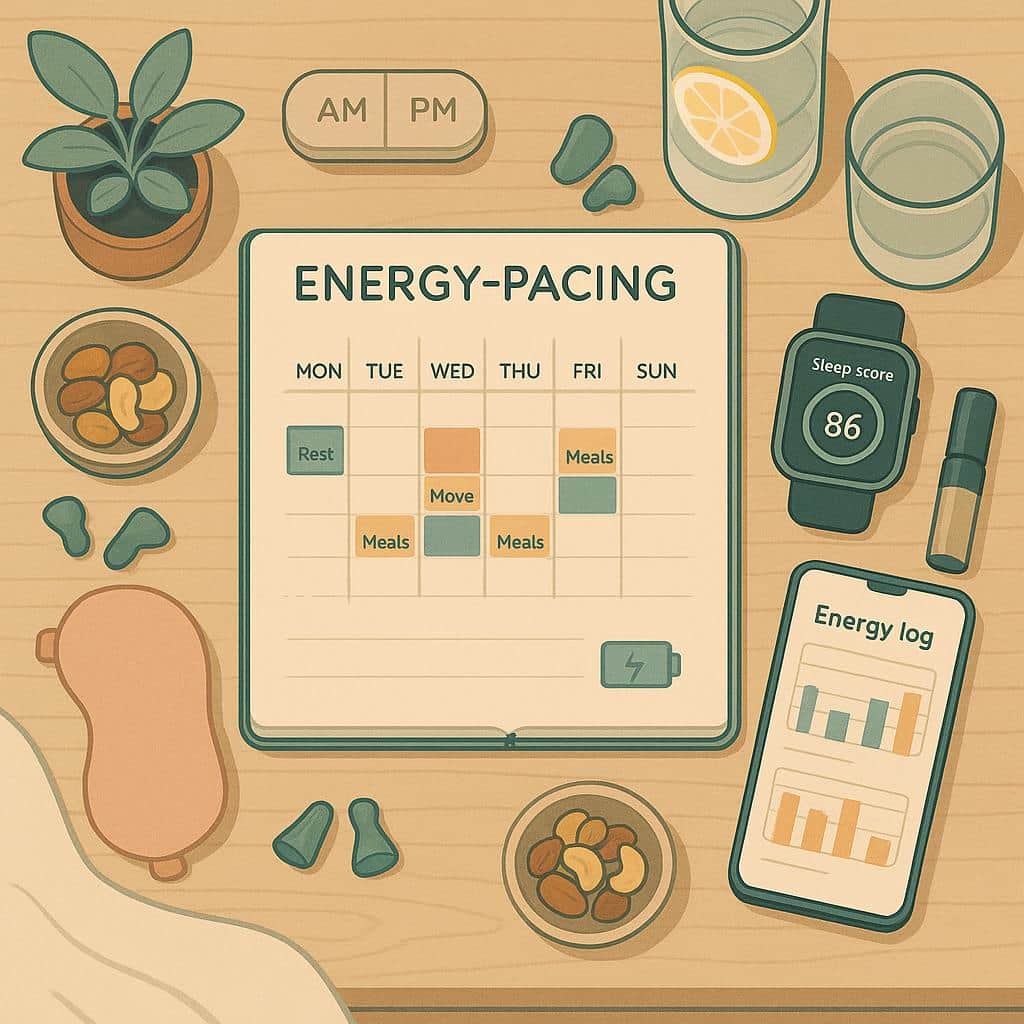
Lifestyle and integrative supports can meaningfully improve day-to-day function while you pursue definitive care. Many patients benefit from pacing (activity “budgeting”), consistent sleep/wake timing, gentle strength building, and nutrition strategies that stabilize blood sugar and support iron intake. Our Integrative Medicine & Lifestyle Care approach may include targeted supplements (only when appropriate), mind-body tools, and individualized nutrition guidance (see Nutrition and Stress Reduction).
What to expect: some people notice improvement in fatigue within 1–3 cycles after reducing bleeding or improving sleep, while others need a longer timeline—especially if fatigue has been present for years. If you’re ready for a comprehensive plan that connects symptoms to root causes, consider our services and the option to schedule a consultation.
When to Seek Help
Seek urgent care or emergency evaluation if fatigue is accompanied by chest pain, fainting, severe shortness of breath, new confusion, black/tarry stools, heavy bleeding soaking through pads/tampons hourly, or rapid heart rate at rest. These can be signs of significant anemia, bleeding complications, cardiopulmonary issues, or other urgent conditions.
Schedule a specialist appointment if fatigue is lasting more than a few weeks, is worsening, or is interfering with work, school, parenting, or mental health—especially if it clusters with Painful Periods, Pelvic Pain, or Heavy Menstrual Bleeding. It’s also time to seek deeper evaluation if you’re repeatedly told your labs are “normal,” but you feel functionally unwell; for example, ferritin can be low even when hemoglobin is still in range.
When you meet with a clinician, it helps to share: (1) where fatigue falls in your cycle, (2) bleeding severity and clotting, (3) sleep disruption, (4) pain levels and medications, and (5) any associated symptoms like Bloating, Nausea, or urinary urgency. If you want a team that takes fatigue seriously as part of endometriosis/adenomyosis care, contact us to discuss next steps and options to schedule a consultation.
Experiencing Fatigue?
If you're dealing with this symptom, our specialists can help determine if endometriosis may be the cause and discuss your treatment options.
Schedule a ConsultationFrequently Asked Questions
How much time off work do I need after endometriosis surgery?
Most people need about 2–3 weeks off work after minimally invasive endometriosis excision, especially with a mainly desk-based job that lets you ease back in. With robotic excision, patients often go home the same day or next day and start walking comfortably within about a week. Many feel ready to gradually return to their usual daily routines in that 2–3 week window.
The exact time off depends less on incision size and more on what we need to treat during surgery: for example, ovarian endometriomas, bowel, bladder, or ureter involvement, extensive scar tissue (“frozen pelvis”), or additional procedures like appendix removal or adenomyosis-related surgery. More complex, multi-organ cases can mean more fatigue, more activity restrictions, and a higher chance of needing an overnight stay. These can extend the time you’ll want to plan away from work.
In most straightforward recoveries, many patients are back to full activity by about a month. Tell our team what your work involves (lifting, long shifts, travel, being on your feet all day, or remote or desk work), and we can help you plan a realistic time-off request and a safer, gradual return to work based on the surgical plan we’re building for you.
When is hysterectomy recommended for adenomyosis?
A hysterectomy is typically considered for adenomyosis when you’re not planning future pregnancy and symptoms are severe and clearly uterus-driven, most often heavy bleeding (sometimes with anemia), intense cramping, pelvic pressure, and disruption to daily quality of life. It’s the most definitive option because adenomyosis is within the uterine muscle, so removing the uterus removes the source of the problem.
In practice, we usually consider hysterectomy most seriously when conservative options haven’t brought acceptable relief, aren’t tolerated, or don’t fit your goals. The decision also depends on the pattern and extent of disease (diffuse adenomyosis versus a more focal adenomyoma that may be removable while preserving the uterus) and whether endometriosis may also be present. If endometriosis is part of the picture, it’s important to know that hysterectomy alone doesn’t treat disease outside the uterus. Durable symptom relief depends on addressing all pain generators.
If you’re wondering whether hysterectomy makes sense for you at this point, our team can help clarify what’s most likely driving your symptoms, review imaging, and walk you through uterus-preserving versus definitive surgical options so you can choose the one that best matches your relief and fertility priorities.
Which adenomyosis symptoms most affect daily life?
The adenomyosis symptoms that most disrupt quality of life usually involve two main issues: uterine bleeding and pain. Many patients describe heavy or prolonged periods that interfere with work, school, travel, and sleep, sometimes with flooding, frequent pad or tampon changes, and fatigue that can follow significant blood loss. Severe period pain (often worse than normal cramps) is also common. It can feel deep, aching, or pressure-like, sometimes accompanied by an enlarged, tender uterus and a sense of pelvic heaviness or bloating.
Outside of the period itself, adenomyosis can contribute to chronic pelvic pain, pain with sex for some people, and bowel or bladder discomfort, especially when symptoms flare around the menstrual cycle. It can also overlap with endometriosis, and when both are present, symptoms may intensify or become harder to tell apart. If bleeding, pain, pressure, or fertility stress is shaping your day-to-day life, our team can help you sort out whether adenomyosis, endometriosis, fibroids, or more than one condition may be causing your symptoms, and which next steps make sense for your goals.
Why do I have chronic fatigue and pelvic pain?
Chronic fatigue and pelvic pain often feel unexplainable because they’re rarely caused by just one issue, and many of the most common drivers don’t show up on routine labs or a quick ultrasound. Endometriosis and adenomyosis can cause persistent pelvic pain, painful periods, bowel and bladder symptoms, and deep fatigue through inflammation, disrupted sleep, heavy bleeding (and possible iron deficiency), and the sheer energy cost of living with ongoing pain. It’s also common for more than one gynecologic condition to coexist, including fibroids, polyps, or benign cysts, so a single label may not fully capture what you’re experiencing.
Another reason symptoms can persist is that the nervous system can become more pain-sensitive over time, often called central sensitization. This means pain can spread, linger outside your cycle, or feel disproportionate to what imaging shows. In those cases, symptom relief alone can miss the bigger picture: we think in terms of both treating disease (for example, addressing endometriosis lesions or uterine drivers like adenomyosis or fibroids) and building a personalized pain-management plan so your body can turn down the volume on pain signals.
If your fatigue and pelvic pain have been brushed off or left without a clear plan, our team can help you sort through the likely contributors, including endometriosis, adenomyosis, and common coexisting conditions, and map out next steps that fit your goals. You can explore our educational resources on fatigue, chronic pelvic pain, and comprehensive treatment approaches, and reach out to schedule a consultation when you’re ready.
Is uterine artery embolization (UAE) right for adenomyosis?
Uterine artery embolization (UAE), sometimes called adenomyosis embolization, can be a good fit when your main goal is symptom relief while preserving the uterus, especially if heavy bleeding and uterine bulk symptoms are a big part of your day-to-day life. It’s a radiology procedure that reduces blood flow to targeted uterine tissue to shrink or calm adenomyosis-related changes. Many patients report meaningful improvement in quality of life after UAE, and recovery is typically shorter than with major surgery.
Whether it’s right for you depends on what you’re trying to address (bleeding, pain, fertility, or all three) and whether adenomyosis is the primary cause of your symptoms or endometriosis is also part of the picture. In head-to-head research involving people with MRI-confirmed, therapy-resistant adenomyosis who were eligible for hysterectomy and not trying to conceive, both UAE and hysterectomy improved quality of life at 1 year, but hysterectomy tended to have an advantage for pain relief and satisfaction. If you want the most definitive option for uterus-driven symptoms, hysterectomy is the clearest treatment for removing the source, while UAE is better viewed as a uterus-preserving option that may help substantially but isn’t guaranteed to be as durable.
If you’re weighing UAE, our team can help you clarify your diagnosis (including whether endometriosis may be contributing), review your imaging and goals, and work out a plan that matches the level of relief you need, now and long-term. Explore our adenomyosis care resources, and reach out to schedule a consultation if you want personalized guidance for your decision.
When is menstrual bleeding considered too heavy?
Menstrual flow is generally too heavy when it consistently disrupts your life or overwhelms your usual period products: flooding or soaking through pads or tampons quickly, passing frequent or large clots, needing to double up, or bleeding long enough that you can’t plan around it. Another major clue is fatigue, dizziness, or shortness of breath that can come with iron deficiency from ongoing blood loss. If you’re planning your day around bathrooms, waking at night to change products, or avoiding work, exercise, travel, or sex because of bleeding, that’s not something we consider normal.
Heavy bleeding is a symptom, not a diagnosis. Common underlying causes include adenomyosis, fibroids, hormonal imbalance, and sometimes endometriosis, especially when heavy bleeding comes with severe cramps or deep pelvic pain. Because imaging and symptoms don’t always match (a scan can look mild while symptoms are intense), we take a symptom-led approach and look at the full pattern, including pain, pressure, clots, cycle timing, and any signs of anemia. If your bleeding feels like it’s escalating or you’ve been told to “just live with it,” our team can help you sort out likely causes and build a plan that targets the source, not just the bleeding.
Can endometriosis cause arthritis-like joint pain?
Yes, endometriosis can be associated with arthritis-like joint pain in some people, even though joint pain isn’t considered a classic core symptom. Endometriosis can drive chronic inflammation and immune dysregulation, and this whole-body inflammatory state may show up as aching, stiffness, or flares that feel similar to inflammatory arthritis. Some patients also notice joint symptoms that cycle with their period or worsen during broader endometriosis flares.
At the same time, endometriosis doesn’t equal autoimmune arthritis, and an association doesn’t prove that one causes the other. Research suggests higher rates of certain autoimmune conditions in people with endometriosis, including inflammatory diseases that can affect joints. Persistent joint pain therefore deserves a comprehensive evaluation rather than being automatically attributed to pelvic disease alone. If you’re dealing with pelvic pain and joint symptoms, our team can help you sort out what fits endometriosis, what may be a related immune condition, and how that affects your treatment plan, including whether excision surgery and coordinated integrative support make sense for you.
Can endometriosis cause large menstrual blood clots?
Yes, endometriosis can be associated with heavier menstrual bleeding for some people, and heavier flow can come with larger clots. That said, large clots aren’t specific to endometriosis. Clotting is often a sign that bleeding is heavy enough that the body can’t keep up with breaking it down as it leaves the uterus.
When we hear about large clots, we also think about conditions that more directly cause heavy or prolonged uterine bleeding, especially adenomyosis and fibroids. These frequently overlap with endometriosis and can be missed if the focus stays only on pelvic pain. If you’re noticing new or worsening clotting (especially alongside severe period pain, pressure or bloating, or fatigue), our team can help you sort out whether endometriosis is part of the picture, whether there’s a uterine source of bleeding, or whether both are contributing. If you’d like, you can reach out to schedule a consultation so we can review your symptom pattern, prior imaging, and the best next steps for a clear diagnosis and durable relief.