
Symptoms
Can I keep working with endometriosis?
The short answer
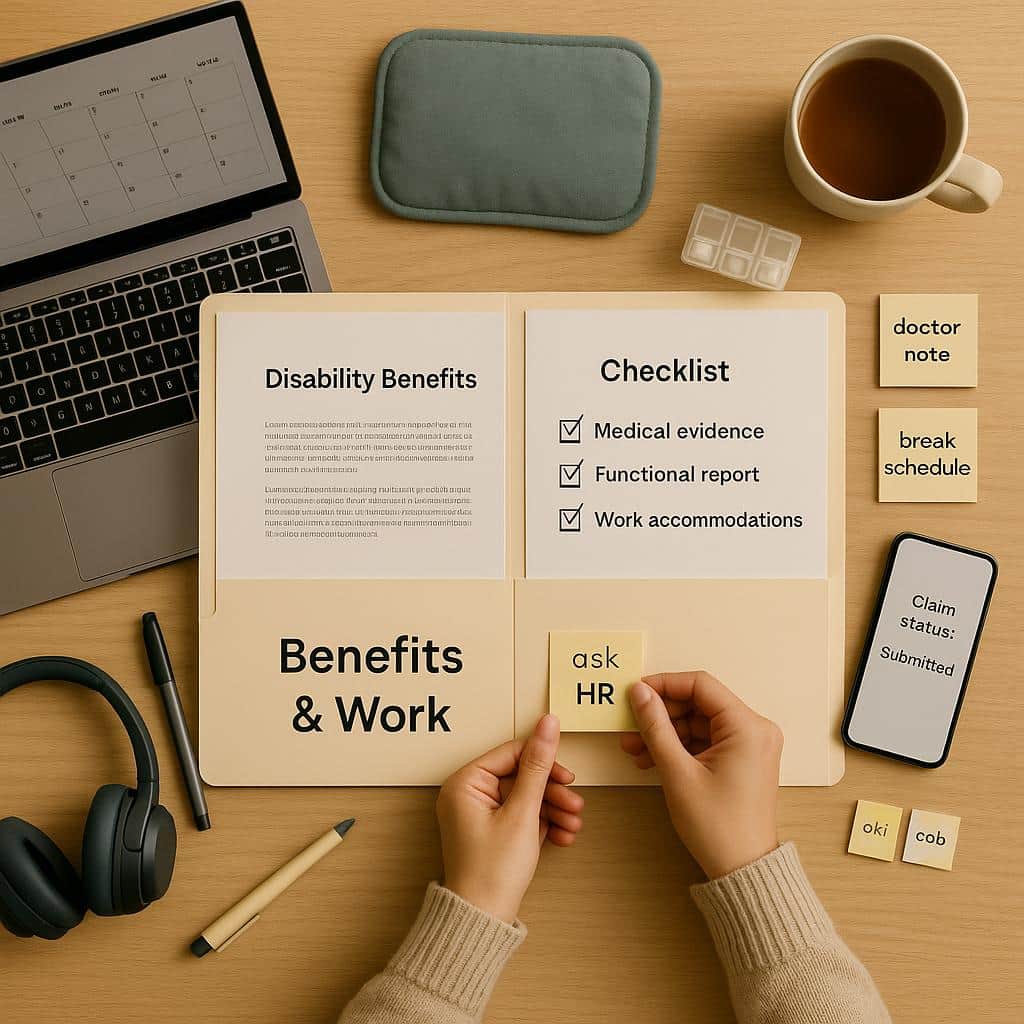
Yes, many people with endometriosis keep working, but it often requires a realistic plan for pain, fatigue, brain fog, heavy bleeding, and unpredictable flares. Depending on your situation, this may mean accommodations, temporarily reducing hours, or time off for treatment.
Yes, many people with endometriosis keep working, but it often requires a realistic plan around symptoms like pain, fatigue, brain fog, heavy bleeding, and unpredictable flares. Work becomes harder when endometriosis pain involves a complex, whole‑nervous‑system experience that goes beyond period pain, can persist throughout the month, and sometimes continues even after partial treatments. If your job performance is being affected, that’s not a personal failure. It’s a sign your symptoms need more targeted evaluation and a clearer strategy.
In our practice, we think about work in two parallel tracks: managing symptoms so you can function day to day, and treating the underlying disease when it’s driving ongoing inflammation, adhesions, or organ involvement. Depending on your situation, this may include a structured, often multimodal pain management approach and, when appropriate, planning excision surgery based on a careful review of your history, imaging, and prior operative/pathology reports. If you’re wondering what’s realistic for you (whether that’s staying at work with accommodations, reducing hours temporarily, or planning time off for treatment), reach out to schedule a consultation so our team can review your records and help you map out next steps.
Where to go from here
Understand it, compare it with what you're feeling, then talk it through with us.
Step 1 · Understand
Understand the condition
Step 2 · Compare
Symptoms it can relate to
Step 3 · Speak with Us
You deserve to work without suffering
If pain, fatigue, brain fog, heavy bleeding, or unpredictable flares are impacting your job, you’re not failing—your symptoms need a clearer plan. Our endometriosis and adenomyosis specialists can evaluate what’s driving your symptoms and build a long-term strategy to help you function at work.
Questions people ask next
All symptoms questionsWhat helps most with daily symptom control?
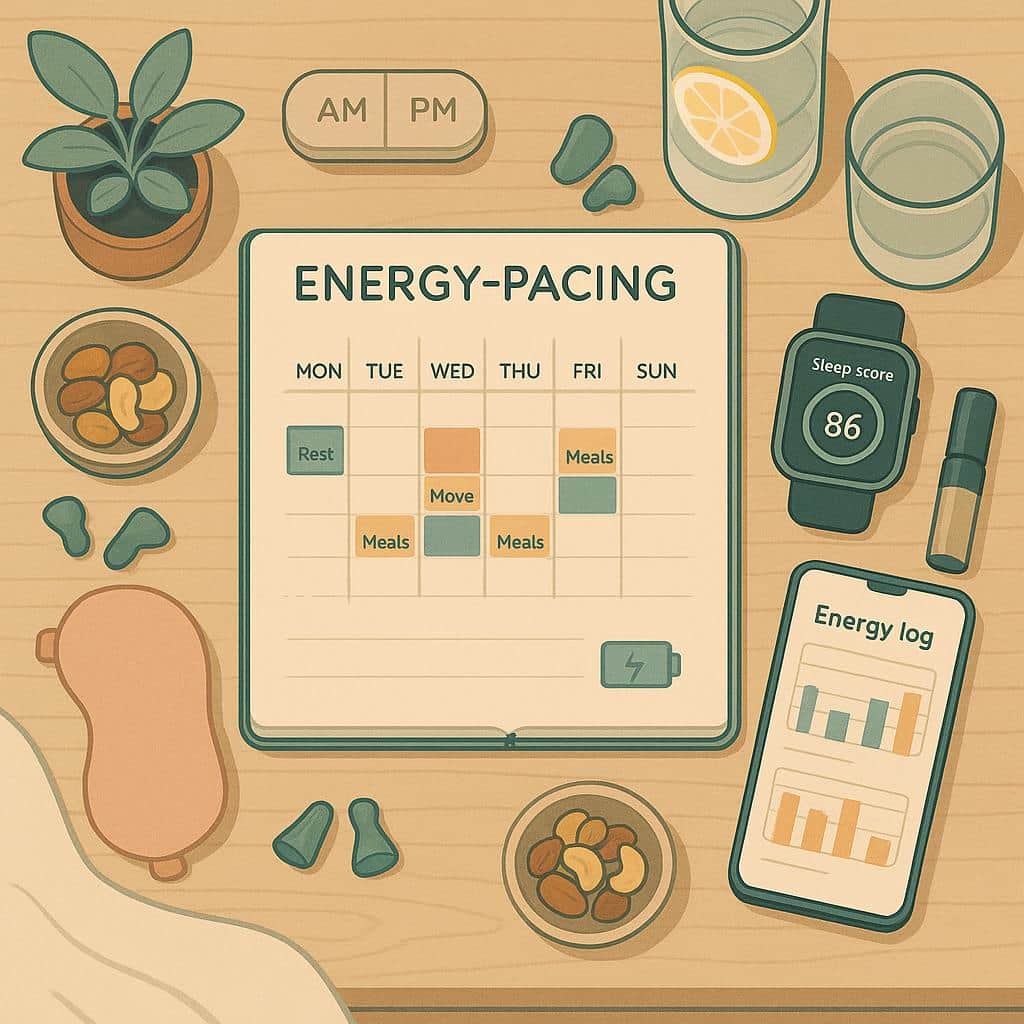
Daily symptom control usually comes down to consistency: pacing your day, using heat and getting gentle, regular movement. Nutrition can play a role too, and for some people, addressing pelvic floor dysfunction can be a turning point.
How can hormonal therapy affect fatigue in endometriosis?
Hormonal therapy can improve fatigue in endometriosis by reducing heavy bleeding and inflammatory activity. Many patients notice less pelvic pain and fewer symptom flares that disrupt sleep, but the response to hormonal therapy is individualized.
Can symptoms be managed without surgery?
Yes, many people can reduce symptoms without surgery, especially heavy bleeding and cramping, using anti-inflammatory pain relievers, bleeding-control medications, or hormonal therapy. What works best depends on your disease pattern, symptoms, and goals for fertility and long-term control.
Can stress worsen endometriosis symptoms?
Yes, stress can make endometriosis symptoms feel worse by amplifying inflammation and making your nervous system more sensitive to pain. Stress management can help reduce symptoms, but it is not a substitute for treating endometriosis lesions.
Further reading
Endometriosis, Disability, and Work: What to Know
A practical guide to endometriosis and disability: SSDI/SSI eligibility, medical evidence, application steps, workplace accommodations, and retirement.
Endometriosis Fatigue : A Practical Guide to Relief
Understand why endometriosis drains energy—chronic pain, hormones, poor sleep, anemia, inflammation—and get practical tips for fatigue, pain, stress, and daily function.
Non-hormonal Options for Endometriosis Pain: What’s Actually Worth Trying?
Discover evidence-based nonhormonal treatments for endometriosis pain. Find options you can try now for effective symptom management.