General
Can stress worsen endometriosis symptoms?
The short answer
Yes, stress can make endometriosis symptoms feel worse by amplifying inflammation and making your nervous system more sensitive to pain. Stress management can help reduce symptoms, but it is not a substitute for treating endometriosis lesions.
Yes, stress can make endometriosis feel worse, even if it isn’t the root cause. When your stress response is chronically activated, cortisol and other stress hormones can amplify inflammation and change how your brain and spinal cord process pain signals. This can lead to more frequent or more intense flares.
Stress also feeds a cycle of pain and stress: pain disrupts sleep and nervous system regulation, and poor sleep and ongoing tension make the nervous system more sensitive (sometimes called central sensitization). In that state, normal pelvic sensations can register as pain more easily, and symptoms like cramping, bowel/bladder urgency, and tethered pulling discomfort can feel harder to control.
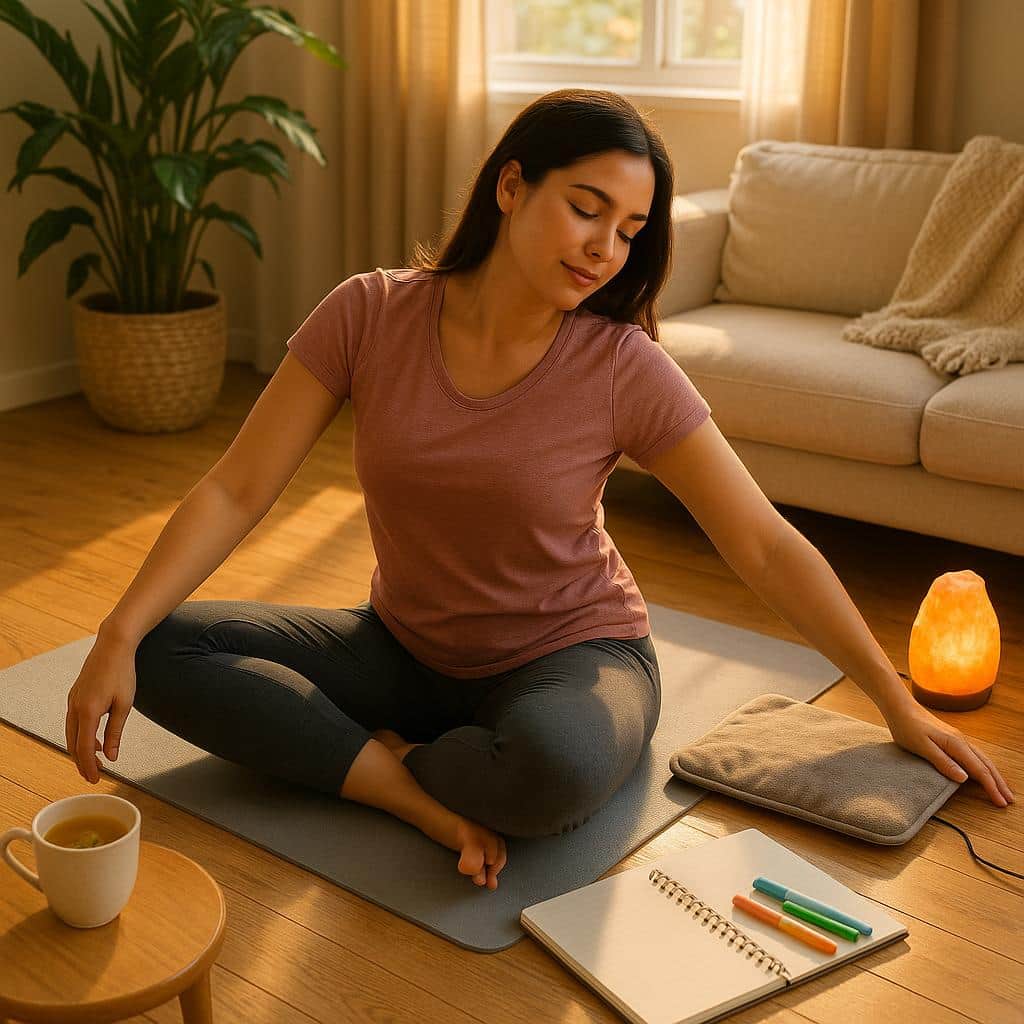
The important distinction is that stress management is not a substitute for treating endometriosis lesions. It’s a powerful way to turn down the volume on your symptoms while we address the underlying disease. Our team often integrates targeted nervous system support (like mindfulness-based pain skills and gentle movement approaches) alongside medical and surgical planning so you’re not left white-knuckling through flares. If stress seems to be a major trigger for you, reach out to schedule a consultation so we can tailor a plan around your symptom pattern and goals.
Where to go from here
Understand it, compare it with what you're feeling, then talk it through with us.
Step 1 · Understand
Understand the condition
Step 2 · Compare
Symptoms it can relate to
Step 3 · Speak with Us
Break the pain–stress cycle
Ongoing stress can amplify inflammation and make pelvic pain flares feel more intense over time. Our endometriosis and adenomyosis specialists can help you target drivers of pain, calm nervous system sensitization, and build a long-term flare plan.
Questions people ask next
All general questionsCan stress reduction improve sleep and fatigue with endometriosis?
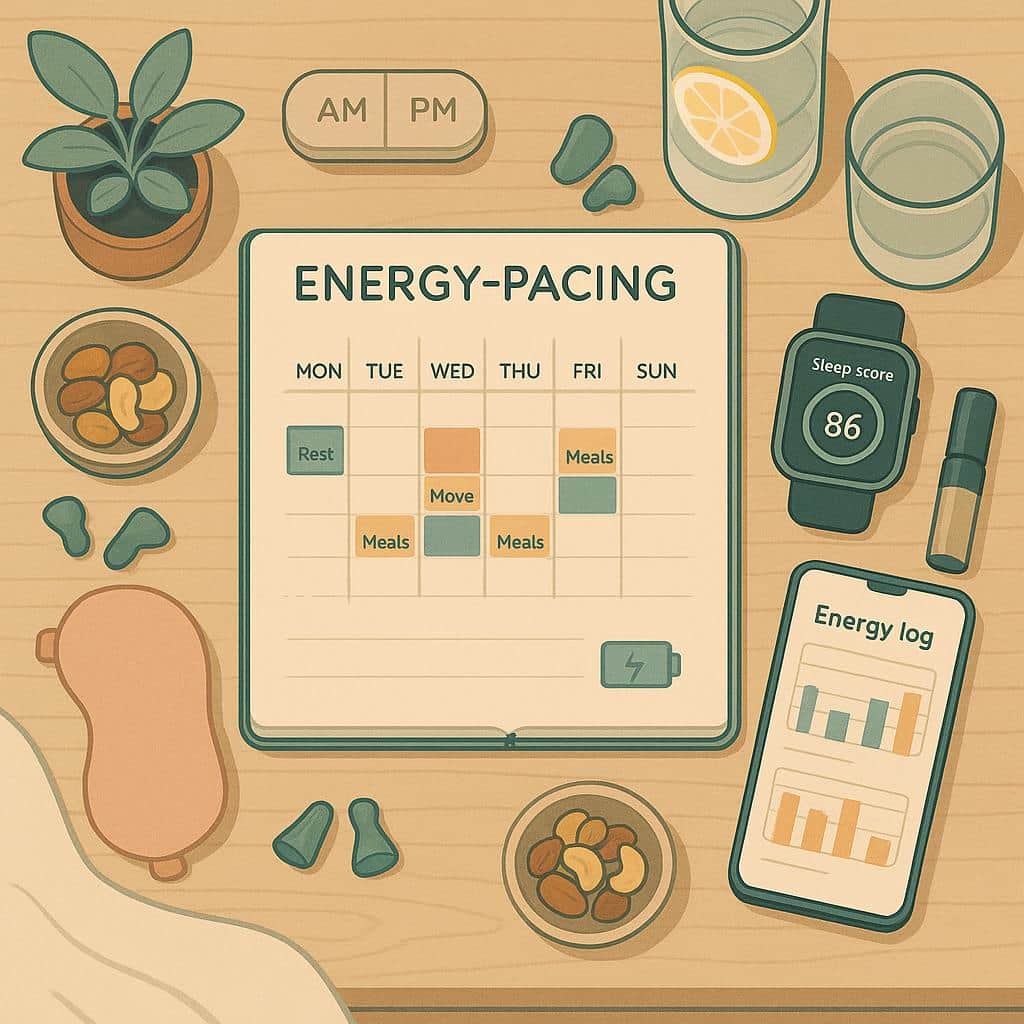
Yes, stress reduction can improve sleep quality and, in turn, persistent fatigue for many people with endometriosis. A consistent evening wind-down, low light before bed, a consistent wake time and calming breathing can support deeper sleep.
Does stress cause endometriosis or adenomyosis?
Stress does not cause endometriosis or adenomyosis, but it can increase pain sensitivity and make symptoms feel more intense. Addressing the stress response won’t cure the disease, but it can reduce symptoms’ impact on daily life and may help decrease flares alongside treatment.
Why does chronic endometriosis pain feel different than acute pain?
Chronic endometriosis pain can feel different because ongoing irritation can keep pain signals firing and make the nervous system more sensitive. Acute pain tends to have a specific trigger, while chronic pain can feel deeper, more constant, or harder to predict.
Further reading
Holistic Tools That Actually Help Endometriosis Pain
Explore effective holistic tools that aid in managing endometriosis pain alongside conventional treatments. Discover reliable strategies today.
When Your Nervous System Won’t Stand Down After Endometriosis Surgery
Explore why pain persists after endometriosis surgery and learn about central sensitization's role in pain management.
Endometriosis Fatigue : A Practical Guide to Relief
Understand why endometriosis drains energy—chronic pain, hormones, poor sleep, anemia, inflammation—and get practical tips for fatigue, pain, stress, and daily function.