
General
Can symptoms be managed without surgery?
The short answer
Yes, many people can reduce symptoms without surgery, especially heavy bleeding and cramping, using anti-inflammatory pain relievers, bleeding-control medications, or hormonal therapy. What works best depends on your disease pattern, symptoms, and goals for fertility and long-term control.
Yes, many people can reduce symptoms without surgery, especially heavy bleeding and cramping. Common approaches include anti-inflammatory pain relievers, medications to help control bleeding, and hormonal therapy to suppress cycles and decrease uterine-driven inflammation.
What works best depends on your specific pattern of disease and symptoms, including whether the disease is more diffuse or more localized, and your goals for fertility and long-term control. In our practice, we tailor a stepwise plan with clear targets (like fewer bleeding days, less pain, and better daily function) and adjust it over time based on how your body responds. If symptoms persist or medication side effects become limiting, we can help you weigh next-step options, including whether surgery would add meaningful benefit in your case.
Where to go from here
Understand it, compare it with what you're feeling, then talk it through with us.
Step 2 · Compare
Symptoms it can relate to
Step 3 · Speak with Us
Manage Symptoms Without Surgery
You can often reduce pain and bleeding with personalized medication and therapy. Our specialists design treatment plans tailored to your needs and goals for lasting relief.
Questions people ask next
All general questionsCan birth control pills or IUDs help endometriosis or adenomyosis?
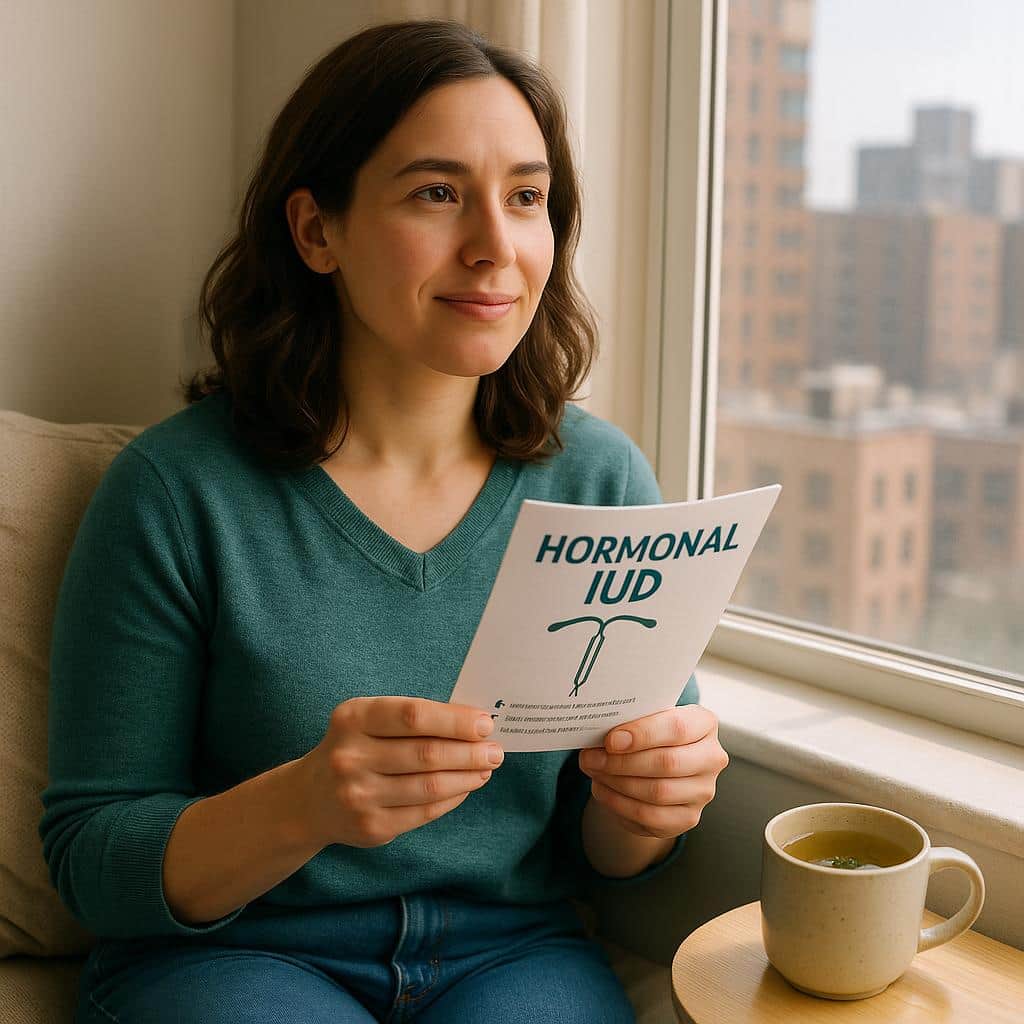
Yes, birth control pills and the levonorgestrel IUD can help many patients with endometriosis or adenomyosis by reducing heavy bleeding and period-related pelvic pain. They can quiet symptoms during use, but don’t remove endometriosis lesions or reverse adenomyosis.
Can hormonal birth control stop heavy bleeding in adenomyosis?
Hormonal birth control can significantly reduce heavy bleeding and cramping for many people with adenomyosis. For some patients, bleeding can feel like it stops, while for others it becomes lighter or more predictable rather than fully resolving.
What treatments can help avoid hysterectomy for adenomyosis?
Many people with adenomyosis can reduce pain and heavy bleeding without a hysterectomy using anti-inflammatory medications and hormones, such as a progesterone IUD or birth control pills. If medications aren’t enough, uterus-sparing surgery may be an option for select patients.
Do medications shrink or cure endometriosis?
Medications don’t cure endometriosis and typically don’t eliminate lesions. They can quiet hormonal signals that stimulate lesions and reduce inflammation, which often improves pain while you’re on treatment, but symptoms commonly return when medication is stopped.
Further reading
Non-hormonal Options for Endometriosis Pain: What’s Actually Worth Trying?
Discover evidence-based nonhormonal treatments for endometriosis pain. Find options you can try now for effective symptom management.
Can the Hormonal IUD Tame Your Adenomyosis Pain and Bleeding?
Discover how the hormonal IUD may alleviate adenomyosis pain and heavy bleeding for better quality of life. Learn about this treatment option now!
Should You Try Hormone Therapy Before Endometriosis Surgery?
Explore the benefits of hormone therapy before endometriosis surgery. Learn about GnRH agonists and their impact on pain and recovery.