General
How does estrogen affect the endometrium?
The short answer
Estrogen signals the endometrium (the uterine lining) to thicken and rebuild after a period, preparing the uterus for a possible pregnancy. It also affects the uterus’s immune and inflammatory environment, so hormonal shifts can change bleeding patterns and pain.
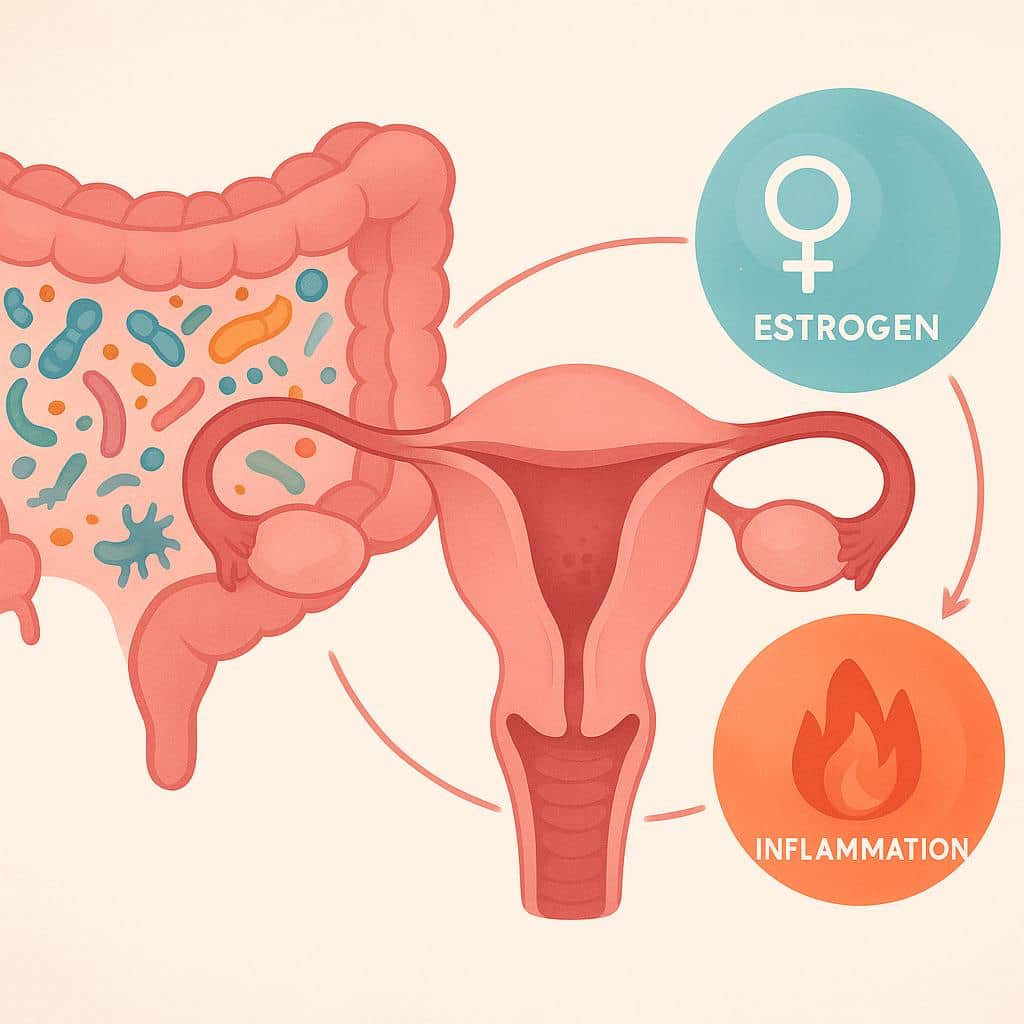
Estrogen is one of the main hormones that drive endometrial growth. In the first half of the menstrual cycle, rising estrogen signals the endometrium to thicken and rebuild after a period, preparing the uterus for a possible pregnancy. It also influences the local immune and inflammatory environment in the uterus, which is part of why hormonal shifts can change bleeding patterns and pain.
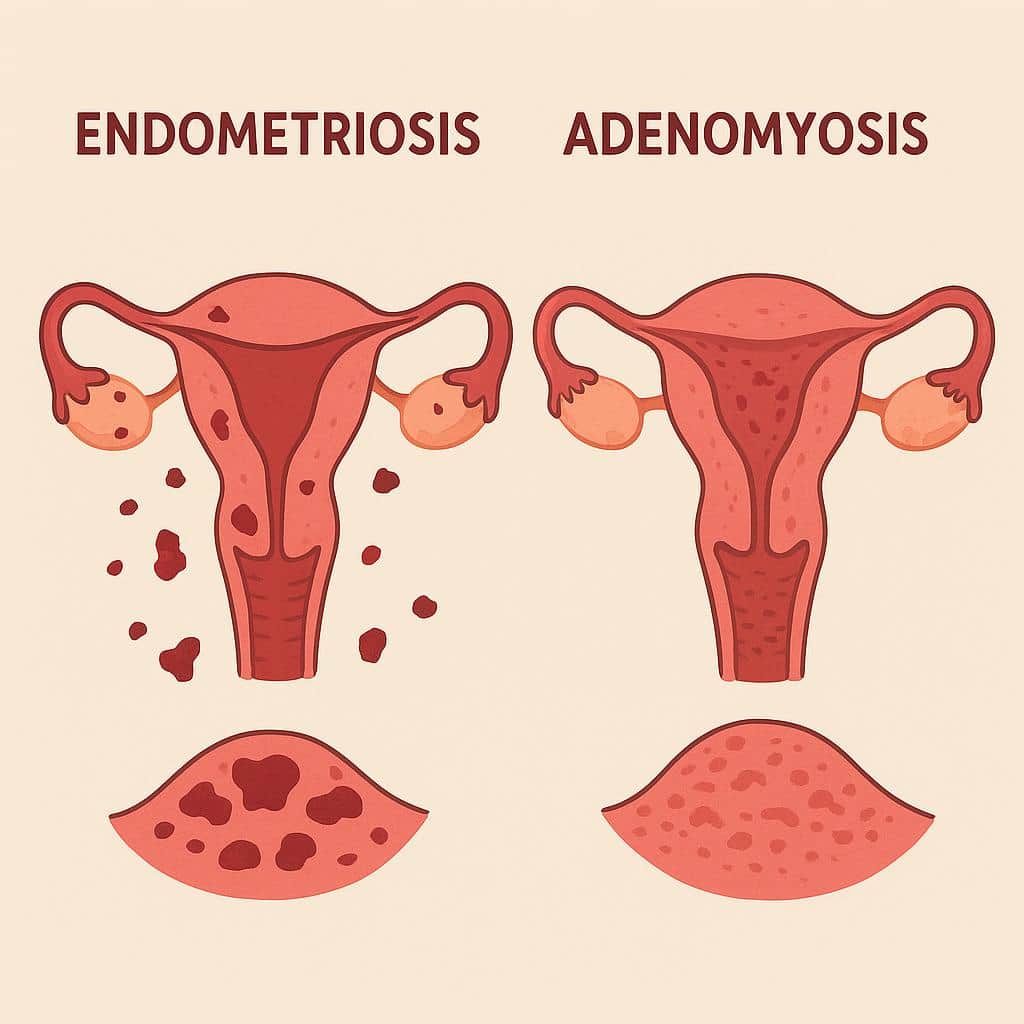
When estrogen’s growth signals are strong and progesterone’s calming effect is weaker than expected (often described as progesterone resistance), the endometrium can behave in a more persistently inflamed, reactive way. This interplay between hormones and inflammation is especially relevant in estrogen-dependent conditions like adenomyosis and endometriosis, where tissue similar to the endometrium can contribute to ongoing symptoms. If you’re trying to make sense of heavy bleeding, severe cramping, or cycle-linked pelvic pain, our team can help you connect the hormonal biology to what you’re feeling and review next steps for diagnosis and treatment.
Where to go from here
Understand it, compare it with what you're feeling, then talk it through with us.
Step 3 · Speak with Us
Get answers about estrogen and pain
If hormones are affecting your bleeding or pelvic pain, you don’t have to guess why. Our endometriosis & adenomyosis specialists can assess hormone-related symptoms and tailor a treatment plan that fits your cycle and goals.
Questions people ask next
All general questionsWhat causes estrogen dominance with endometriosis?
Estrogen dominance in endometriosis can come from estrogen made within lesions, inflammation that reinforces estrogen signaling, and a weaker response to progesterone. These changes can favor estrogen in pelvic tissues even when blood hormone labs look normal.
Can endometriosis cause heavy menstrual bleeding?
Yes, endometriosis can be associated with heavy menstrual bleeding for some patients, but heavy flow is more strongly linked to uterine conditions, especially adenomyosis. Many people with endometriosis have a normal amount of bleeding but significant pain.
What is the estrobolome, and why does it matter for endometriosis?
The estrobolome is the group of gut microbes involved in processing estrogen, which matters because endometriosis is often estrogen-responsive. Constipation and gut microbiome imbalance can contribute to estrogen recirculation, which may intensify bloating, pelvic pain, or cycle-related flares.
Do hormones or birth control treat endometriosis?
Hormonal birth control and other hormone therapies can reduce endometriosis symptoms, but they usually don’t treat the disease itself. They don’t remove endometriosis lesions or restore normal anatomy, so pain can return when you stop them.
Further reading
Adenomyosis vs. Endometriosis: Are They Different or Related?
Explore the key differences between adenomyosis and endometriosis, their symptoms, overlap, and treatment options for better fertility outcomes.
The Microbiome’s Role in Endometriosis
Explore how the microbiome may shape inflammation and estrogen metabolism in endometriosis, and what emerging research means for diagnosis and new therapies.
Endometriosis and Adenomyosis: How They Drive Pelvic Pain
Compare endometriosis and adenomyosis: similarities, differences in location and prevalence, diagnosis methods, and treatment options for pelvic pain.