General
What is the estrobolome, and why does it matter for endometriosis?
The short answer
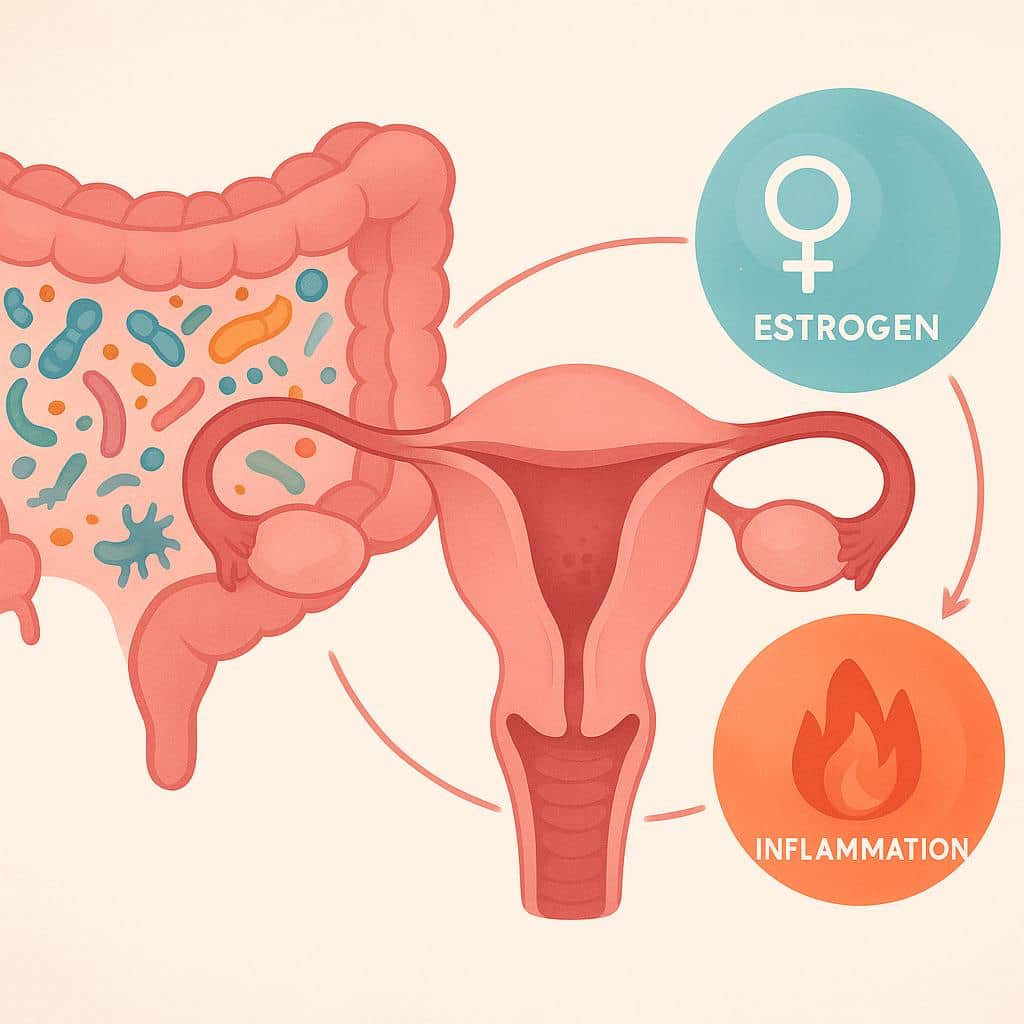
The estrobolome is the group of gut microbes involved in processing estrogen, which matters because endometriosis is often estrogen-responsive. Constipation and gut microbiome imbalance can contribute to estrogen recirculation, which may intensify bloating, pelvic pain, or cycle-related flares.
The estrobolome is the group of gut microbes involved in how your body processes estrogen. Some of these microbes produce enzymes, including beta-glucuronidase, that can convert estrogen into forms more likely to be reabsorbed rather than eliminated. Put simply, your gut can influence how much estrogen circulates in your body over time.
This matters for endometriosis and adenomyosis because these conditions are often estrogen-responsive, and changes in estrogen metabolism can affect symptoms for some patients. Constipation and gut microbiome imbalance can contribute to estrogen recirculation, which may intensify bloating, pelvic pain, or cycle-related flares. If you’re noticing a strong link between digestive changes and symptom severity, our team can help you understand the full picture and discuss options for next steps as part of your evaluation.
Where to go from here
Understand it, compare it with what you're feeling, then talk it through with us.
Step 1 · Understand
Understand the condition
Step 3 · Speak with Us
Struggling with Estrogen and Endometriosis?
Your gut can impact estrogen levels, influencing endometriosis symptoms. Our specialists understand this connection and can guide you toward effective management strategies.
Questions people ask next
All general questionsHow does the microbiome affect endometriosis and adenomyosis symptoms?
The microbiome can influence inflammation, immune signaling, and pain sensitivity in endometriosis and adenomyosis. For some patients, an imbalance in gut bacteria may contribute to more intense cramping, pelvic pain, bloating, and a lower threshold for flares.
What causes estrogen dominance with endometriosis?
Estrogen dominance in endometriosis can come from estrogen made within lesions, inflammation that reinforces estrogen signaling, and a weaker response to progesterone. These changes can favor estrogen in pelvic tissues even when blood hormone labs look normal.
Can diet changes or probiotics treat endometriosis based on microbiome research?
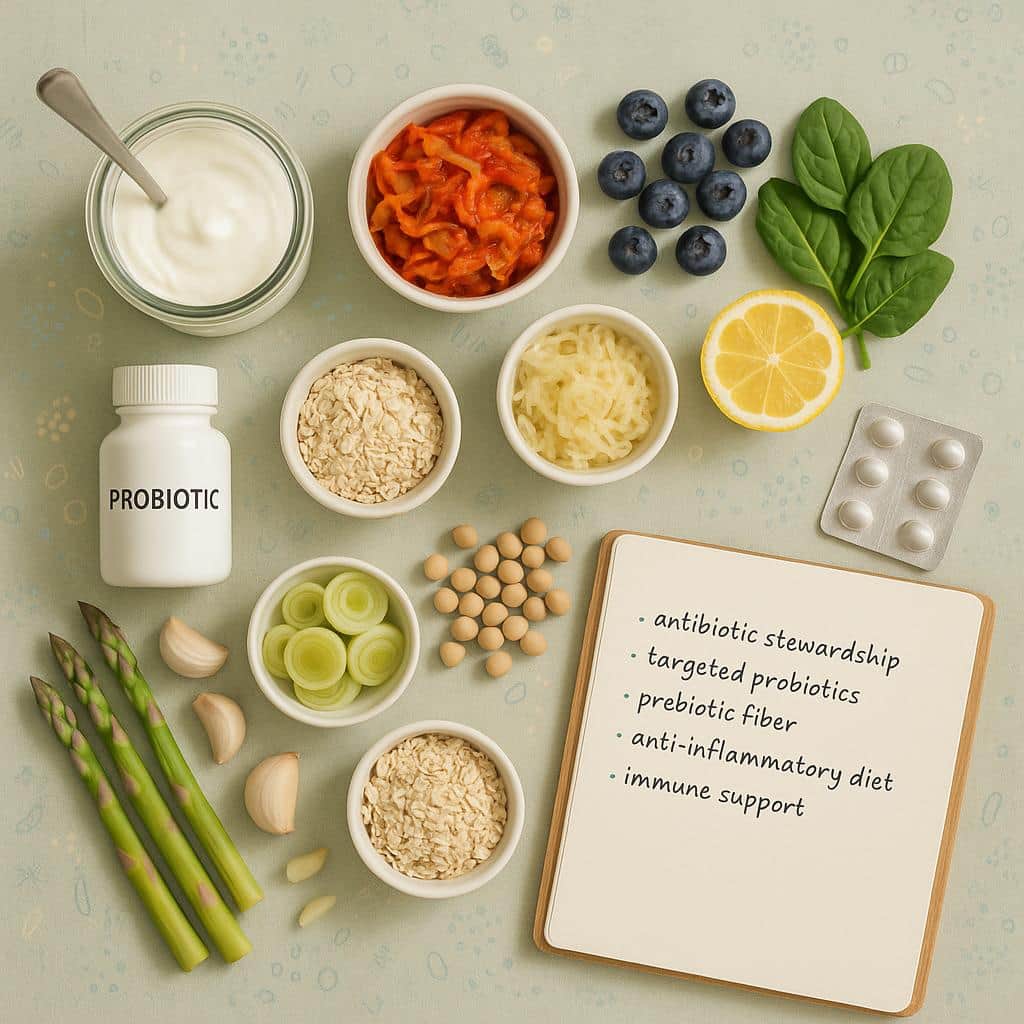
There is not yet strong clinical trial evidence that diet changes or probiotics reliably reduce endometriosis lesions or stop disease progression. They may help symptoms for some people, but are supportive tools, not a substitute for a tailored treatment plan.
Further reading
The Microbiome’s Role in Endometriosis
Explore how the microbiome may shape inflammation and estrogen metabolism in endometriosis, and what emerging research means for diagnosis and new therapies.
Optimizing the Microbiome to Support Endometriosis Care
Learn how antibiotics, probiotics, prebiotics, diet and immunomodulation affect the endometriosis–gut axis, with practical, research-backed microbiome tips.