General
How does the microbiome affect endometriosis and adenomyosis symptoms?
The short answer
The microbiome can influence inflammation, immune signaling, and pain sensitivity in endometriosis and adenomyosis. For some patients, an imbalance in gut bacteria may contribute to more intense cramping, pelvic pain, bloating, and a lower threshold for flares.
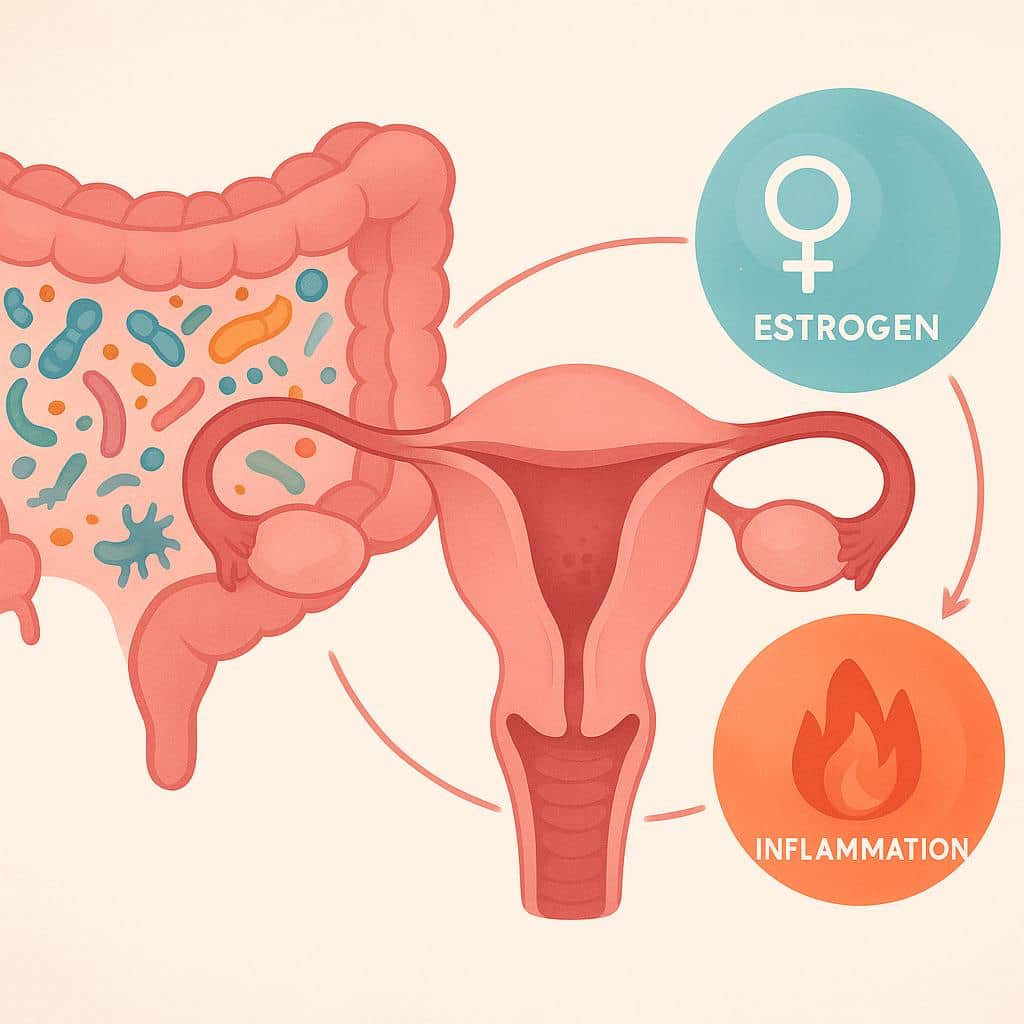
The microbiome (the community of bacteria in your gut and elsewhere) can influence inflammation, immune signaling, and pain sensitivity, all of which matter in endometriosis and adenomyosis. An imbalance in the gut ecosystem, called dysbiosis, may promote intestinal permeability and allow bacterial fragments to trigger immune activation that can spill over into pelvic inflammation.
For some patients, this immune activity can translate into more intense cramping, pelvic pain, bloating, and a lower threshold for flares when stress, illness, or food changes come into play. If your symptoms feel tightly linked to GI changes or you notice predictable flare patterns, our team can help you evaluate the bigger picture and discuss a plan that addresses both pelvic disease and factors contributing to inflammation.
Where to go from here
Understand it, compare it with what you're feeling, then talk it through with us.
Step 1 · Understand
Understand the condition
Step 3 · Speak with Us
Struggling with Pain and Bloating?
Your microbiome can influence the severity of endometriosis and adenomyosis symptoms. Our specialists can help balance your gut health to reduce inflammation and pain.
Questions people ask next
All general questionsWhat is the estrobolome, and why does it matter for endometriosis?
The estrobolome is the group of gut microbes involved in processing estrogen, which matters because endometriosis is often estrogen-responsive. Constipation and gut microbiome imbalance can contribute to estrogen recirculation, which may intensify bloating, pelvic pain, or cycle-related flares.
Can endometriosis cause IBS-like symptoms without bowel lesions?
Yes, endometriosis can cause IBS-like symptoms even without visible bowel lesions on imaging or at surgery. Pelvic inflammation, heightened nerve sensitivity, hormone-driven changes, and pelvic floor muscle overactivity can all contribute to bowel symptoms.
Can diet changes or probiotics treat endometriosis based on microbiome research?
There is not yet strong clinical trial evidence that diet changes or probiotics reliably reduce endometriosis lesions or stop disease progression. They may help symptoms for some people, but are supportive tools, not a substitute for a tailored treatment plan.
Can probiotics or prebiotics help endometriosis pain or flares?
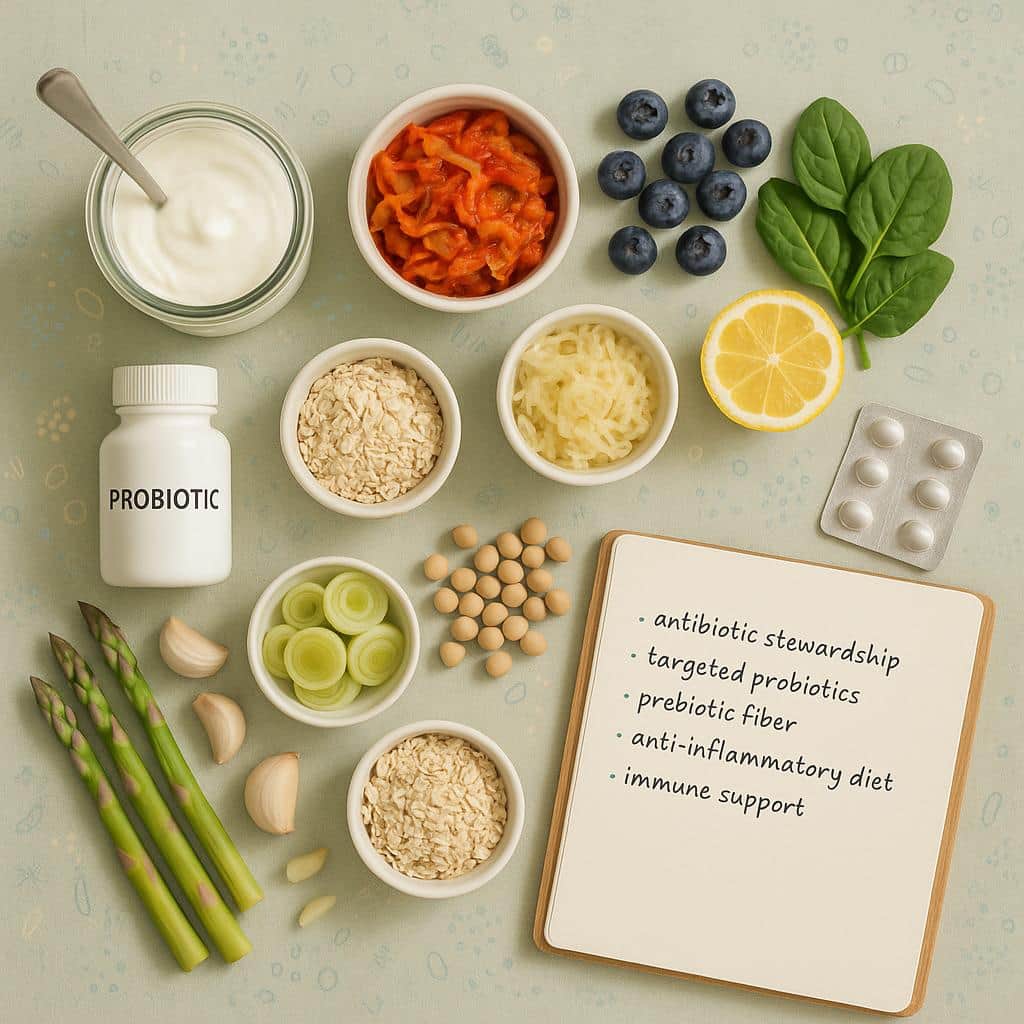
Some patients find that probiotics or prebiotic fibers reduce gut-related discomfort that can amplify pelvic pain during flares. Evidence specific to endometriosis is still limited, and effects can vary by strain and dose, with no benefit or worse bloating for some.
Further reading
The Microbiome’s Role in Endometriosis
Explore how the microbiome may shape inflammation and estrogen metabolism in endometriosis, and what emerging research means for diagnosis and new therapies.
Optimizing the Microbiome to Support Endometriosis Care
Learn how antibiotics, probiotics, prebiotics, diet and immunomodulation affect the endometriosis–gut axis, with practical, research-backed microbiome tips.
How Endometriosis Can Affect Your Bowel and Digestion
Learn how endometriosis affects bowel health and digestion. Discover symptoms, diagnosis challenges, and treatment options. Get informed today!