General
What causes estrogen dominance with endometriosis?
The short answer
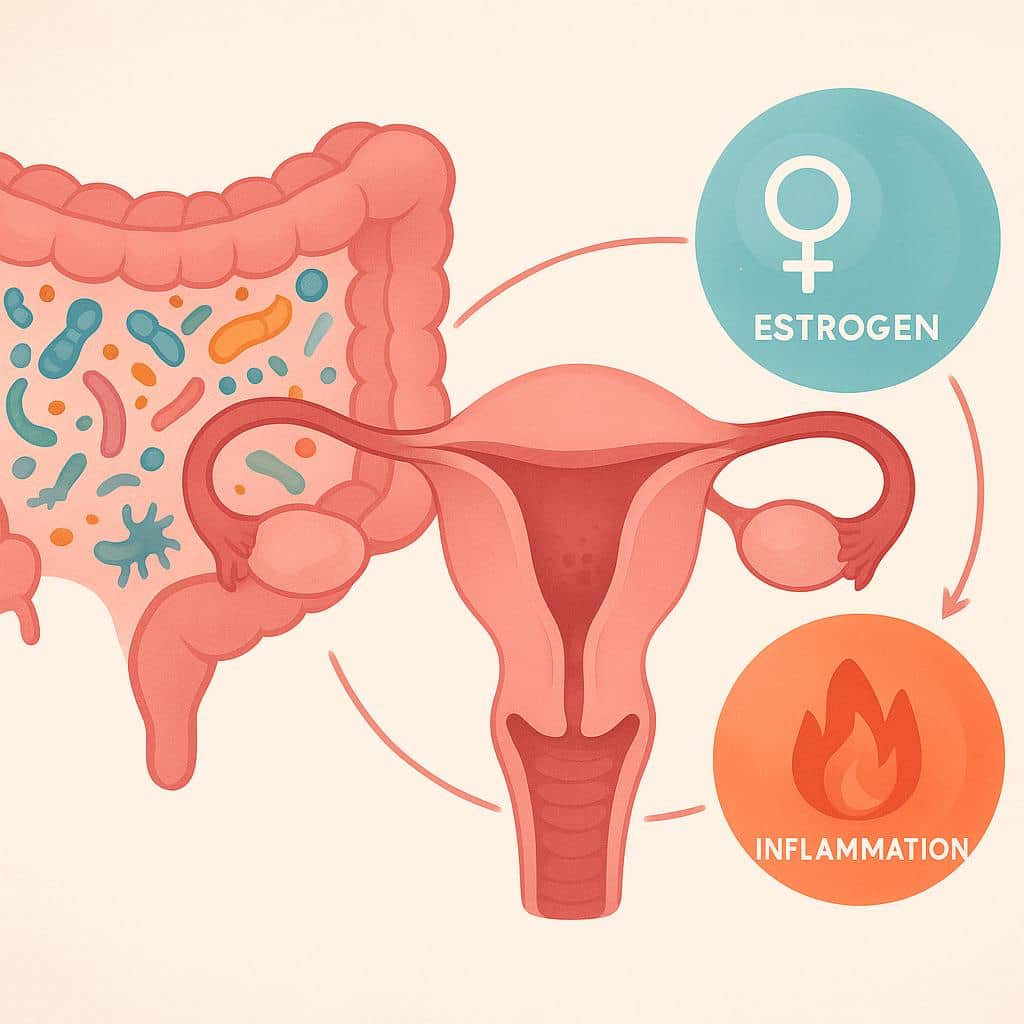
Estrogen dominance in endometriosis can come from estrogen made within lesions, inflammation that reinforces estrogen signaling, and a weaker response to progesterone. These changes can favor estrogen in pelvic tissues even when blood hormone labs look normal.
Producing too much estrogen overall usually doesn’t fully explain estrogen dominance in endometriosis. It’s more often about an estrogen-favoring environment in the pelvis and within the lesions themselves. Many endometriosis lesions can produce estrogen locally (for example, through higher aromatase activity), and that local estrogen can help lesions survive, inflame surrounding tissue, and stimulate nerve growth that drives pain. At the same time, endometriosis commonly behaves as a chronic inflammatory condition, and inflammation can reinforce estrogen signaling and keep the cycle going.
Another key piece is that endometriosis often responds less strongly to progesterone (progesterone resistance), so the normal hormonal braking system that should counterbalance estrogen doesn’t work as well. This can make symptoms feel very hormone-driven even when blood hormone labs look normal. Because endometriosis is multifactorial and likely includes different subtypes, the specific drivers of estrogen dominance can vary from person to person: genetics/epigenetics, immune dysfunction, and tissue-level changes can all play a role. If you’re trying to make sense of your symptoms or why hormonal suppression hasn’t brought lasting relief, our team can help you sort out what may be driving your disease and discuss options that focus on treating the endometriosis itself, not just temporarily quieting it.
Where to go from here
Understand it, compare it with what you're feeling, then talk it through with us.
Step 3 · Speak with Us
Get clarity on estrogen-driven pain
If you suspect endometriosis, “estrogen dominance” may be about local estrogen production and inflammation—not just hormone levels on labs. Our specialists can evaluate your symptoms, explain what might be driving them, and build a plan to reduce estrogen signaling and pelvic inflammation.
Questions people ask next
All general questionsHow does estrogen affect the endometrium?
Estrogen signals the endometrium (the uterine lining) to thicken and rebuild after a period, preparing the uterus for a possible pregnancy. It also affects the uterus’s immune and inflammatory environment, so hormonal shifts can change bleeding patterns and pain.
What is the estrobolome, and why does it matter for endometriosis?
The estrobolome is the group of gut microbes involved in processing estrogen, which matters because endometriosis is often estrogen-responsive. Constipation and gut microbiome imbalance can contribute to estrogen recirculation, which may intensify bloating, pelvic pain, or cycle-related flares.
Why don’t hormones help my endometriosis pain?
Hormones may not help your endometriosis pain because they mainly reduce cycle-driven inflammation and bleeding, not every source of pain. Scarring, nerve growth, a sensitized nervous system or pelvic floor problems may keep pain going even when periods are suppressed.
Do hormones or birth control treat endometriosis?
Hormonal birth control and other hormone therapies can reduce endometriosis symptoms, but they usually don’t treat the disease itself. They don’t remove endometriosis lesions or restore normal anatomy, so pain can return when you stop them.
Further reading
The Microbiome’s Role in Endometriosis
Explore how the microbiome may shape inflammation and estrogen metabolism in endometriosis, and what emerging research means for diagnosis and new therapies.
What Causes Endometriosis? Current Theories & Evidence
Learn what causes endometriosis, how it grows, diagnosis options, current treatments, and holistic strategies to reduce symptoms and recurrence.
Mast Cells May Be Fueling Your Endometriosis Inflammation
Discover how mast cells might be contributing to your endometriosis inflammation. Learn about potential future treatments and symptom management.