Symptoms
What daily strategies help with low energy?
The short answer
Pace your day with rest breaks before and after demanding tasks, and spread out errands, appointments, and housework. A steady sleep/wake routine and gentle movement you can recover from often support better stamina. Nutrition can play a role too.
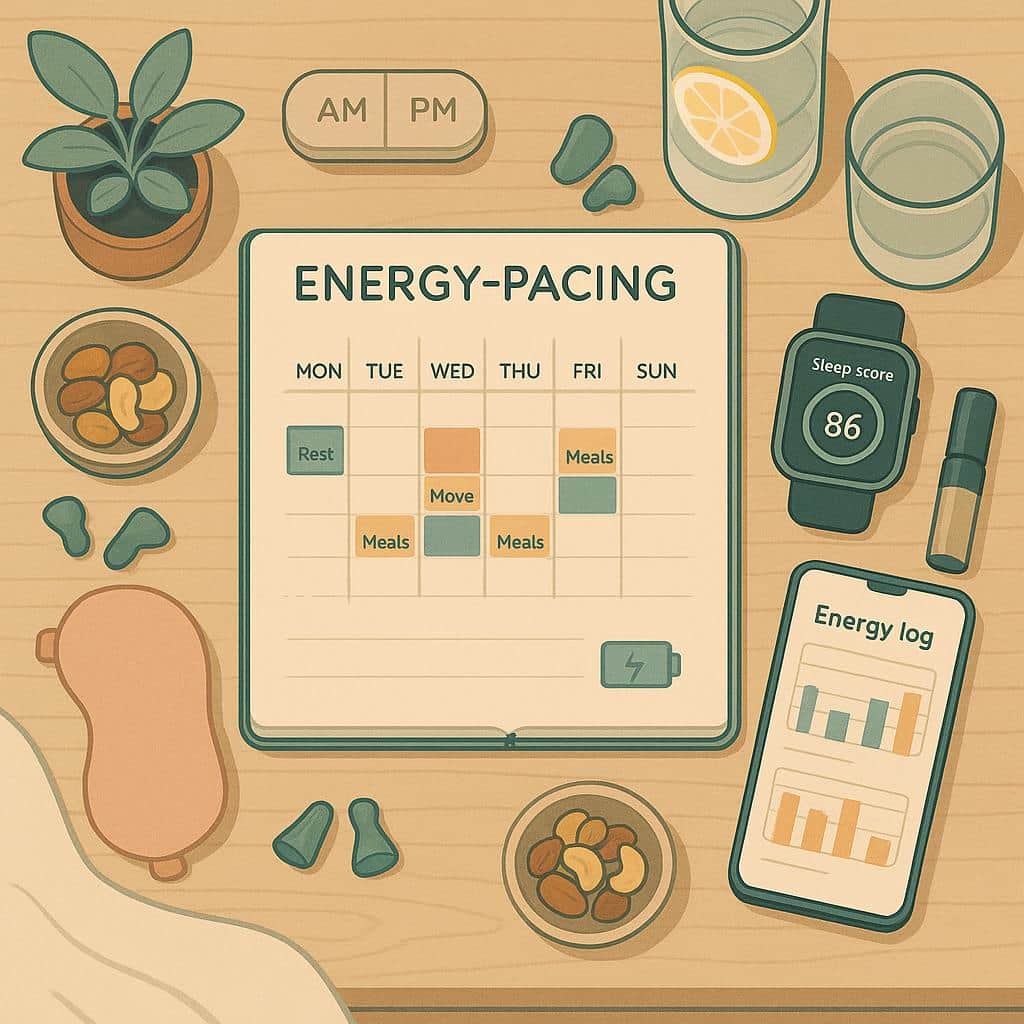
Start by pacing your day to stay within your personal energy envelope. Plan rest breaks before and after higher-demand tasks, and spread out appointments, errands, and housework instead of pushing through and crashing later. Many patients find this reduces the boom-bust cycle and makes energy more predictable.
Consistency also matters: a steady sleep/wake routine and gentle movement you can reliably recover from often support better baseline stamina. Nutrition can play a role too, especially if inflammation, nausea, bloating, or appetite changes are interfering with sleep or fueling your body. If low energy is persistent or paired with significant pelvic pain or heavy bleeding, our team can help evaluate whether endometriosis or adenomyosis may be contributing and discuss next steps in your care.
Where to go from here
Understand it, compare it with what you're feeling, then talk it through with us.
Step 1 · Understand
Understand the condition
Step 3 · Speak with Us
Boost Your Energy Daily
Struggling with low energy? Our specialists can help you develop pacing strategies and routines tailored to your needs for more consistent stamina.
Questions people ask next
All symptoms questionsWhat does a balanced anti-inflammatory day of eating look like?
A balanced anti-inflammatory day usually centers on steady protein, plenty of fiber, and mostly minimally processed foods. Try oatmeal with yogurt and berries, a grain-and-greens bowl with salmon or legumes, and cooked vegetables with fish or tempeh at dinner.
What helps most with daily symptom control?
Daily symptom control usually comes down to consistency: pacing your day, using heat and getting gentle, regular movement. Nutrition can play a role too, and for some people, addressing pelvic floor dysfunction can be a turning point.
What tests can help find the cause of fatigue?
A complete blood count, ferritin and iron studies can check for anemia or iron deficiency, especially with heavy or prolonged periods. Thyroid testing and, in some situations, vitamin B12 and vitamin D levels can help find factors contributing to fatigue.
How long until stress-reduction practices start helping?
Many patients notice early shifts within a few weeks of consistent stress-reduction practice. More meaningful changes, such as better sleep and feeling calmer during pain flares, often build gradually over the following month or two.
Further reading
Endometriosis Fatigue : A Practical Guide to Relief
Understand why endometriosis drains energy—chronic pain, hormones, poor sleep, anemia, inflammation—and get practical tips for fatigue, pain, stress, and daily function.
Endometriosis Diet: What Research Really Supports (and What It Doesn’t)
Learn what truly supports endometriosis symptom relief and improving your reproductive health, backed by reliable research and new evidence.
Holistic Tools That Actually Help Endometriosis Pain
Explore effective holistic tools that aid in managing endometriosis pain alongside conventional treatments. Discover reliable strategies today.