General
How long until stress-reduction practices start helping?
The short answer
Many patients notice early shifts within a few weeks of consistent stress-reduction practice. More meaningful changes, such as better sleep and feeling calmer during pain flares, often build gradually over the following month or two.
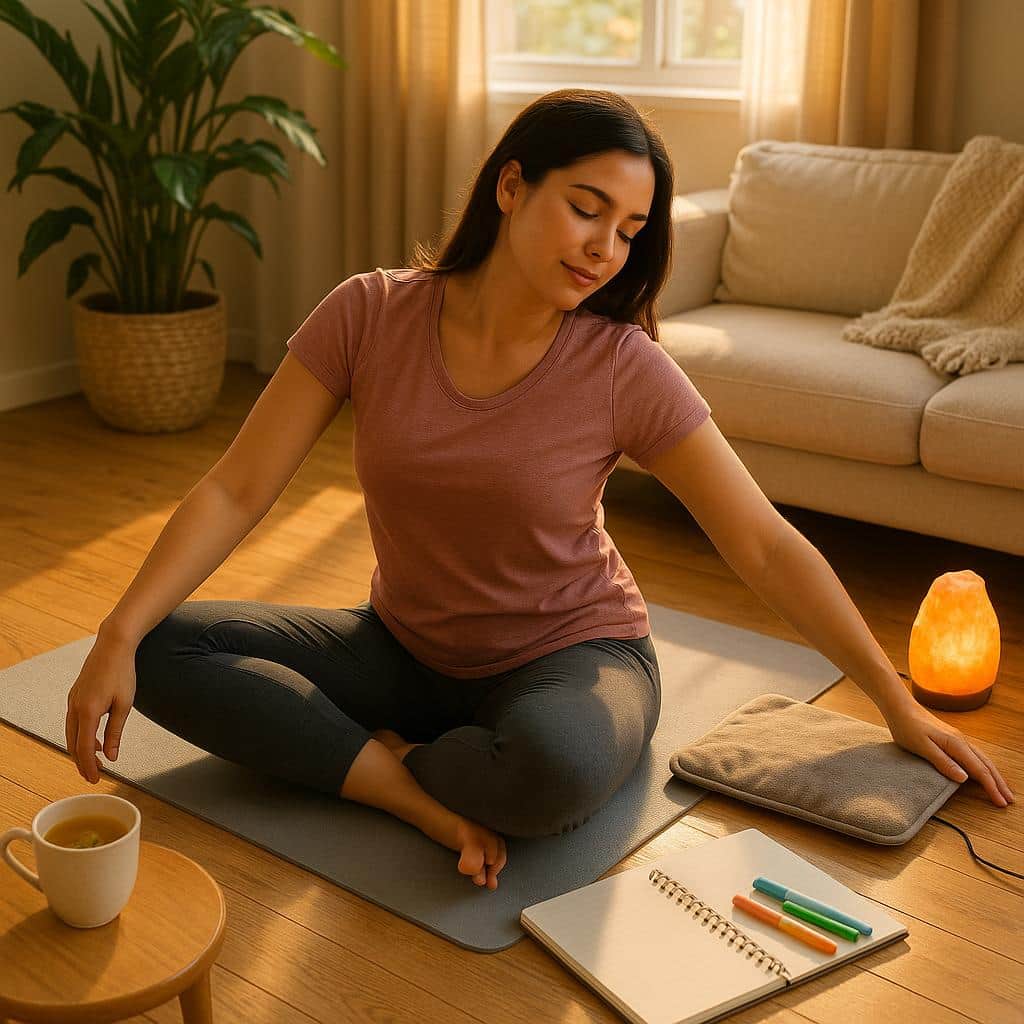
Many patients notice early shifts, such as feeling less wired, having steadier energy, or recovering from triggers more quickly, within a few weeks of consistent practice. More meaningful changes, such as better sleep quality and a calmer baseline during pain flares, often build gradually over the next month or two.
What matters most is consistency, not doing long sessions perfectly. If you can reliably fit in a brief daily practice, it can support your nervous system and complement the medical and surgical care we tailor to your symptoms. If you’re unsure what’s realistic for your routine or stress seems to be amplifying your pain, reach out to schedule a consultation with our team.
Where to go from here
Understand it, compare it with what you're feeling, then talk it through with us.
Step 3 · Speak with Us
Start Feeling Better Sooner
Our specialists guide you in adopting stress-reduction techniques that ease symptoms and improve energy over time. Let’s find a routine that fits your life and supports your healing journey.
Questions people ask next
All general questionsCan stress reduction improve sleep and fatigue with endometriosis?
Yes, stress reduction can improve sleep quality and, in turn, persistent fatigue for many people with endometriosis. A consistent evening wind-down, low light before bed, a consistent wake time and calming breathing can support deeper sleep.
Which mind-body practices help most with pelvic pain flares?
Breathwork, meditation, gentle yoga, and biofeedback are some of the most consistently helpful tools for pelvic pain flares. They can calm the body’s stress response, but the most effective practice is usually one you can do regularly and that matches your symptoms.
What lowers stress hormones fastest during an acute flare?
Slow diaphragmatic breathing with a longer, unhurried exhale is one of the fastest ways to calm your body during an acute flare. About 4–6 breaths per minute, emphasizing the exhale, can help your nervous system shift toward a settled state within minutes.
How does stress reduction fit with hormones, surgery, or PT?
Stress reduction works best as a consistent foundation alongside hormone therapy, surgery, and pelvic physical therapy. It can help calm your nervous system, reduce procedure-related anxiety, and support recovery and participation in rehab.
Further reading
Holistic Tools That Actually Help Endometriosis Pain
Explore effective holistic tools that aid in managing endometriosis pain alongside conventional treatments. Discover reliable strategies today.
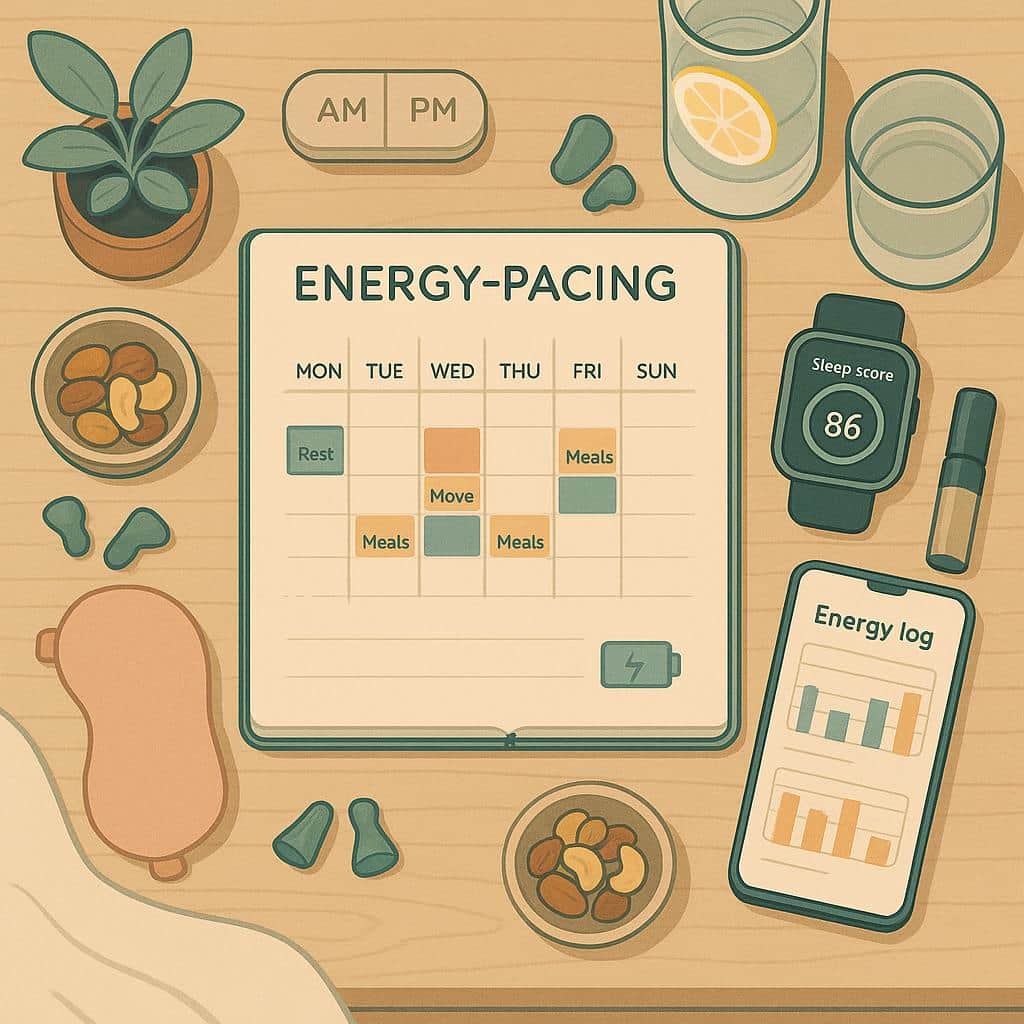
Endometriosis Fatigue : A Practical Guide to Relief
Understand why endometriosis drains energy—chronic pain, hormones, poor sleep, anemia, inflammation—and get practical tips for fatigue, pain, stress, and daily function.
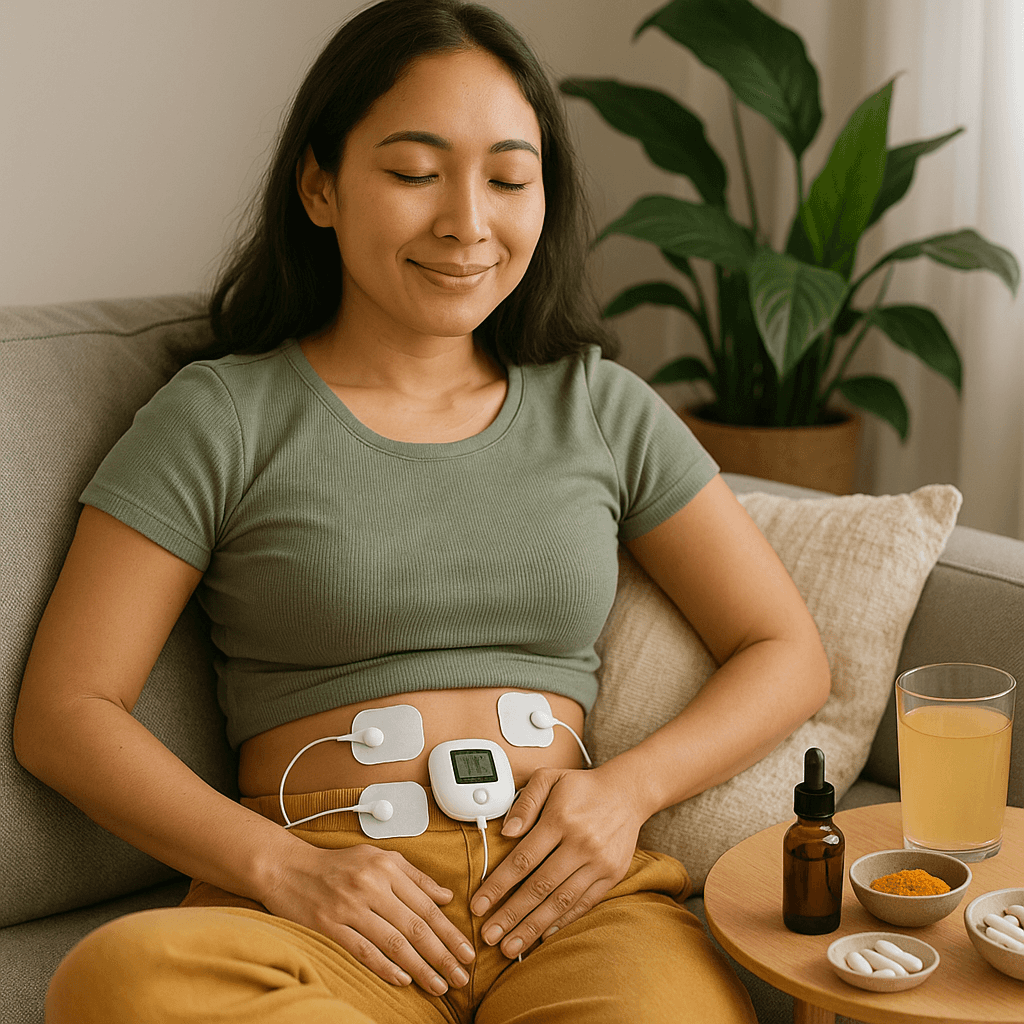
Natural Approaches to Managing Endometriosis Pain
Learn how TENS, diet changes, CBD, turmeric, meditation, yoga, and acupuncture can complement care and help relieve pelvic pain from endometriosis.