General
What lowers stress hormones fastest during an acute flare?
The short answer
Slow diaphragmatic breathing with a longer, unhurried exhale is one of the fastest ways to calm your body during an acute flare. About 4–6 breaths per minute, emphasizing the exhale, can help your nervous system shift toward a settled state within minutes.
Slow diaphragmatic breathing with a longer, unhurried exhale is one of the fastest ways to calm the body during an acute flare. A simple target is about 4–6 breaths per minute, with an emphasis on the exhale. This can help shift your nervous system toward a more parasympathetic (settled) state within minutes.
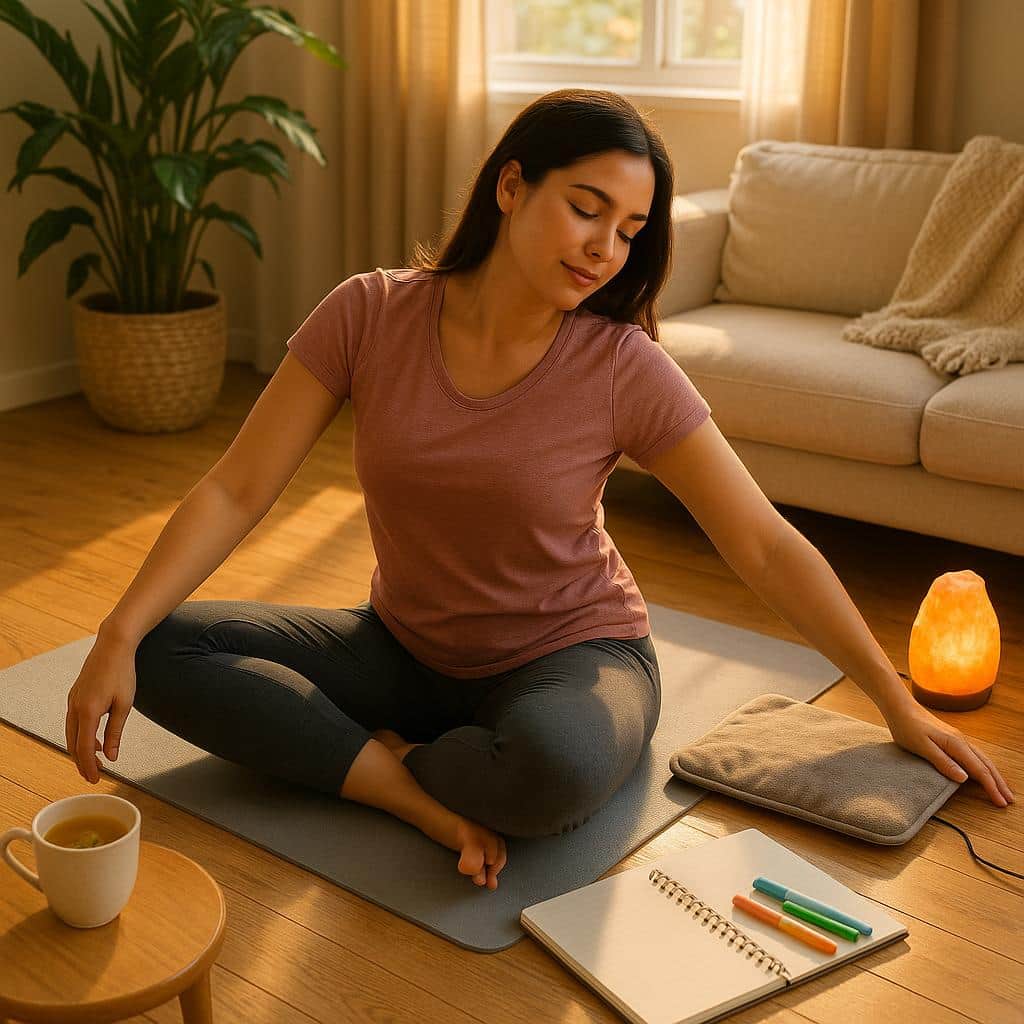
For many patients, it helps to pair breathing with a supportive position that lets the belly and pelvic floor soften rather than brace: think supported and heavy rather than held tight. Once your body downshifts even a notch, you may find your prescribed treatments work more effectively and feel easier to use. If stress surges are a frequent trigger for your pain, reach out to our team: we can help you map out patterns and build a flare plan that fits your symptoms and diagnosis pathway.
Where to go from here
Understand it, compare it with what you're feeling, then talk it through with us.
Step 3 · Speak with Us
Calm Your Flare Quickly
Our specialists understand how distressing acute flares can be. Let us guide you with effective techniques and personalized care to reduce stress hormones and ease your symptoms.
Questions people ask next
All general questionsWhat’s safe to do during an endometriosis flare or heavy bleeding?
During an endometriosis flare or heavy bleeding, gentle, supportive mind-body work is usually safest. Keep sessions short and easy with slow breathing, a body scan, or fully supported restorative poses. It’s typically best to avoid strong core work, deep twists, and intense stretching.
How can I manage flare days at home?
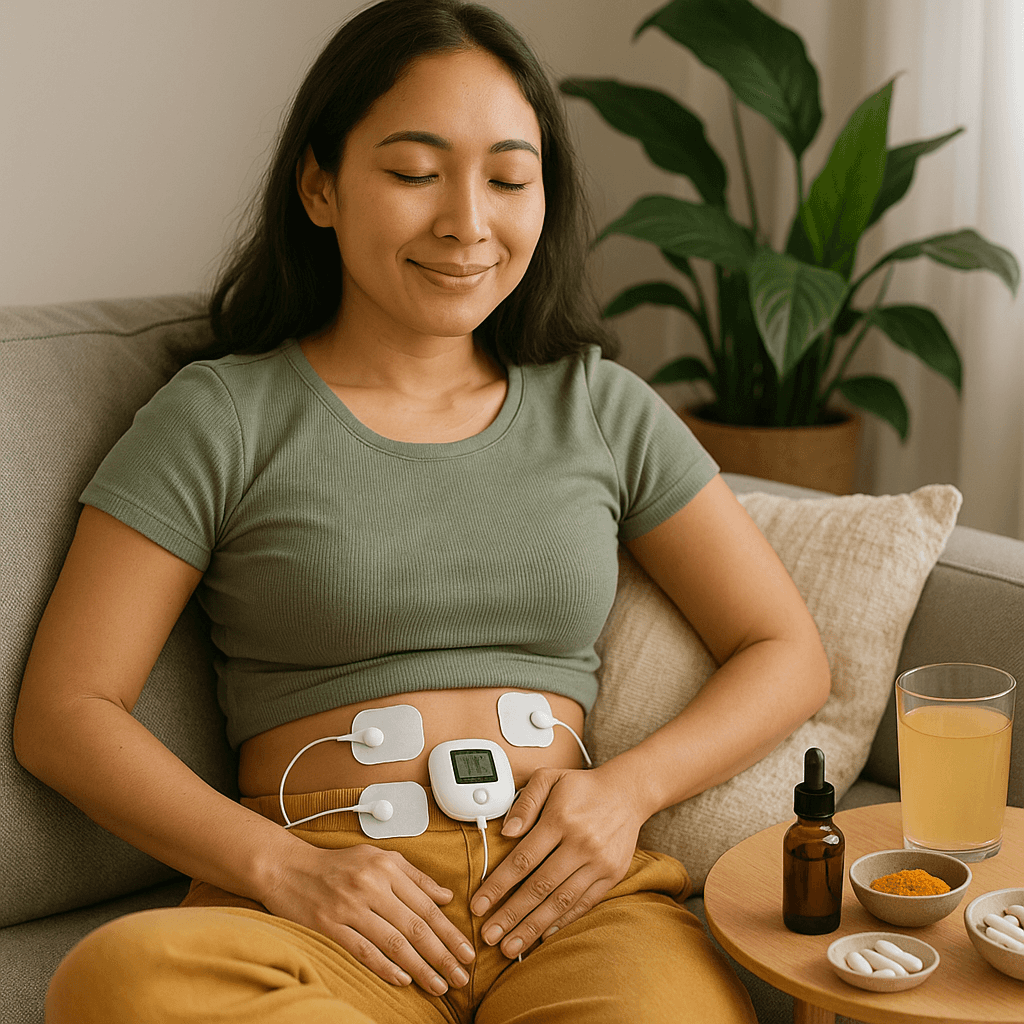
Heat, a TENS unit, and planned rest with pacing can help take the edge off flare-day pain, especially with gentle movement instead of complete immobilization. Many patients also find pelvic floor relaxation reduces clenching that can amplify cramping and pressure.
Why does pain worsen with stress or poor sleep?
Stress and poor sleep can worsen endometriosis-related pain by making your nervous system more reactive to discomfort. Sleep loss lowers pain tolerance, while stress hormones and muscle tension can amplify pain and feed a flare cycle.
What should a pain-flare plan include, and when is urgent care needed?
A pain-flare plan usually includes heat, TENS, gentle movement, paced breathing, hydration and simple meals. Urgent evaluation is needed for red flags such as new or rapidly worsening severe pain, fever, fainting, heavy bleeding or vomiting that prevents keeping fluids down.
Further reading
Holistic Tools That Actually Help Endometriosis Pain
Explore effective holistic tools that aid in managing endometriosis pain alongside conventional treatments. Discover reliable strategies today.
Natural Approaches to Managing Endometriosis Pain
Learn how TENS, diet changes, CBD, turmeric, meditation, yoga, and acupuncture can complement care and help relieve pelvic pain from endometriosis.
When Your Nervous System Won’t Stand Down After Endometriosis Surgery
Explore why pain persists after endometriosis surgery and learn about central sensitization's role in pain management.