
General
Which supplements have the best evidence for reducing pain flares?
The short answer
Some of the better-studied supplements for pelvic pain flares include omega-3 fatty acids (EPA+DHA), curcumin (a standardized turmeric extract), N-acetylcysteine (NAC), and melatonin. Evidence is still limited, mostly small studies, but some patients report meaningful relief.
Some of the better-studied supplements for pelvic pain and flare reduction include omega-3 fatty acids (EPA+DHA), curcumin in the form of a standardized turmeric extract, N-acetylcysteine or NAC, and melatonin. The evidence is still limited and comes mostly from small studies, but these are the options we most often see discussed for reducing inflammation-driven pain and cramping. Some patients do report meaningful relief.
If you decide to try supplements, we typically suggest introducing only one at a time and tracking symptoms so you can tell what’s actually helping. It’s also worth reassessing after several weeks. If there’s no clear benefit, it may not be worth continuing. If pain flares are persistent or escalating, our team can help you sort out whether supplements are a reasonable adjunct for you or whether a deeper evaluation and a more definitive treatment plan is likely to provide better relief.
Where to go from here
Understand it, compare it with what you're feeling, then talk it through with us.
Step 3 · Speak with Us
Find Relief from Pain Flares
Struggling with flare-ups? Our specialists guide you on effective supplements and personalized care to ease your pain and improve daily life.
Questions people ask next
All general questionsCan probiotics or prebiotics help endometriosis pain or flares?
Some patients find that probiotics or prebiotic fibers reduce gut-related discomfort that can amplify pelvic pain during flares. Evidence specific to endometriosis is still limited, and effects can vary by strain and dose, with no benefit or worse bloating for some.
How can I manage flare days at home?
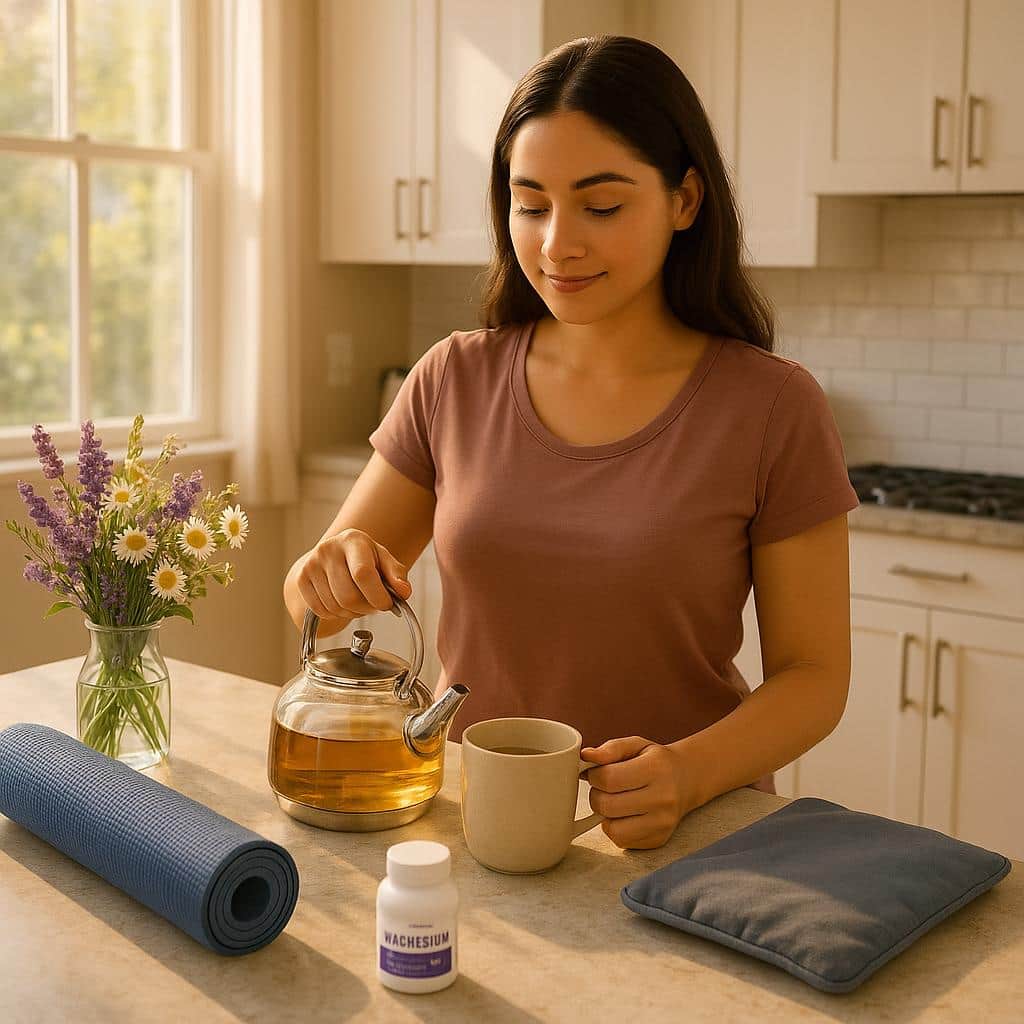
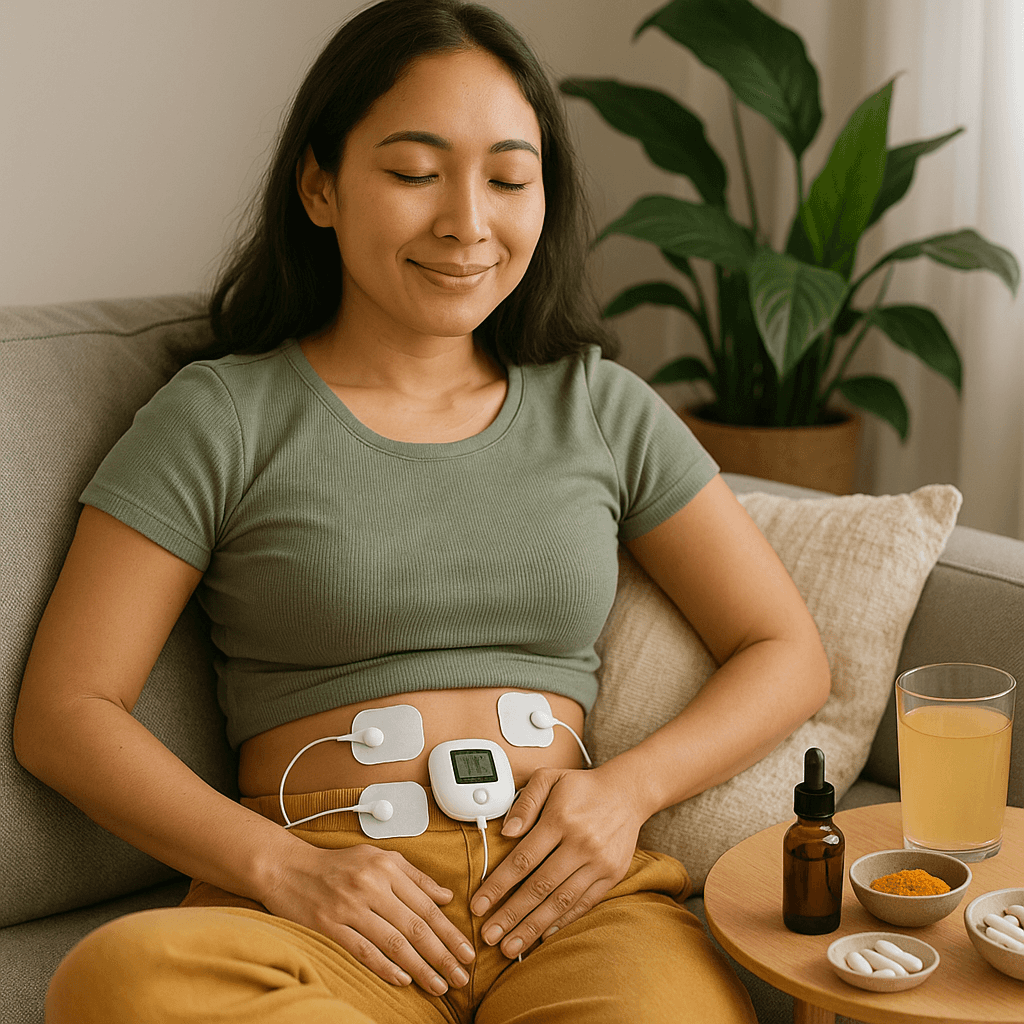
Heat, a TENS unit, and planned rest with pacing can help take the edge off flare-day pain, especially with gentle movement instead of complete immobilization. Many patients also find pelvic floor relaxation reduces clenching that can amplify cramping and pressure.
What foods help reduce inflammation with endometriosis or adenomyosis?
An anti-inflammatory diet for endometriosis or adenomyosis generally emphasizes vegetables, berries, legumes, intact whole grains, fish, extra-virgin olive oil, nuts, and seeds. Omega-3 sources like salmon, sardines, flax, chia, and walnuts are a helpful place to start.
Which mind-body practices help most with pelvic pain flares?
Breathwork, meditation, gentle yoga, and biofeedback are some of the most consistently helpful tools for pelvic pain flares. They can calm the body’s stress response, but the most effective practice is usually one you can do regularly and that matches your symptoms.
Further reading
Supplements and Herbal Medicines for Endometriosis and Adenomyosis: What Evidence Exists?
Explore the effectiveness of supplements and herbal medicines for endometriosis and adenomyosis. What does the evidence say?
Non-hormonal Options for Endometriosis Pain: What’s Actually Worth Trying?
Discover evidence-based nonhormonal treatments for endometriosis pain. Find options you can try now for effective symptom management.
Natural Approaches to Managing Endometriosis Pain
Learn how TENS, diet changes, CBD, turmeric, meditation, yoga, and acupuncture can complement care and help relieve pelvic pain from endometriosis.