General
Which mind-body practices help most with pelvic pain flares?
The short answer
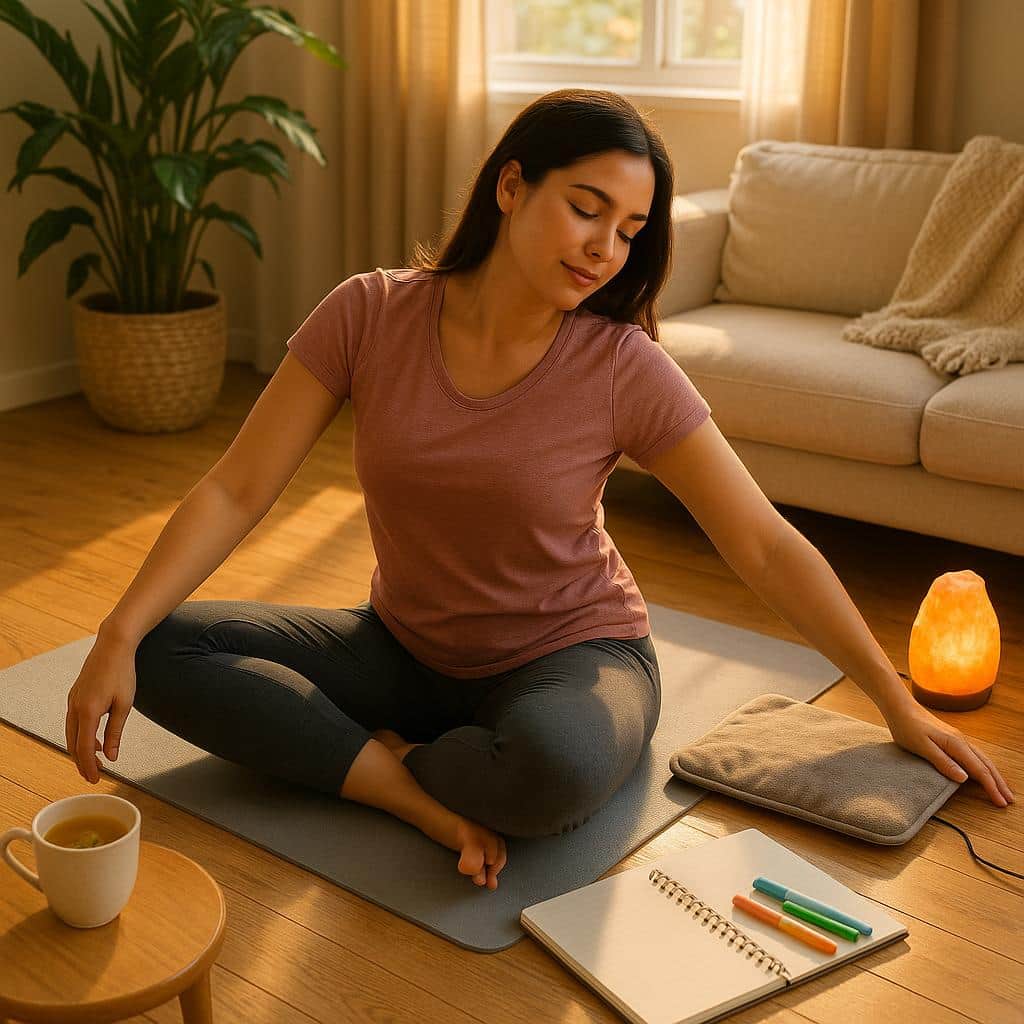
Breathwork, meditation, gentle yoga, and biofeedback are some of the most consistently helpful tools for pelvic pain flares. They can calm the body’s stress response, but the most effective practice is usually one you can do regularly and that matches your symptoms.
Breathwork, meditation, gentle yoga, and biofeedback are some of the mind-body tools we find most consistently helpful for people living with chronic pelvic pain and endometriosis-related symptoms. They can calm the body’s stress response, which often lowers pain sensitivity and can make flares feel more manageable.
The most effective practice is usually the one you can do regularly and that fits your symptoms: some people do best with short breathing sessions during a flare, while others benefit more from a steady meditation or biofeedback routine to support sleep, mood, and recovery between flares. If you’re not sure where to start or your symptoms keep breaking through, our team can help you think through a plan that fits your day-to-day life and overall treatment goals.
Where to go from here
Understand it, compare it with what you're feeling, then talk it through with us.
Step 1 · Understand
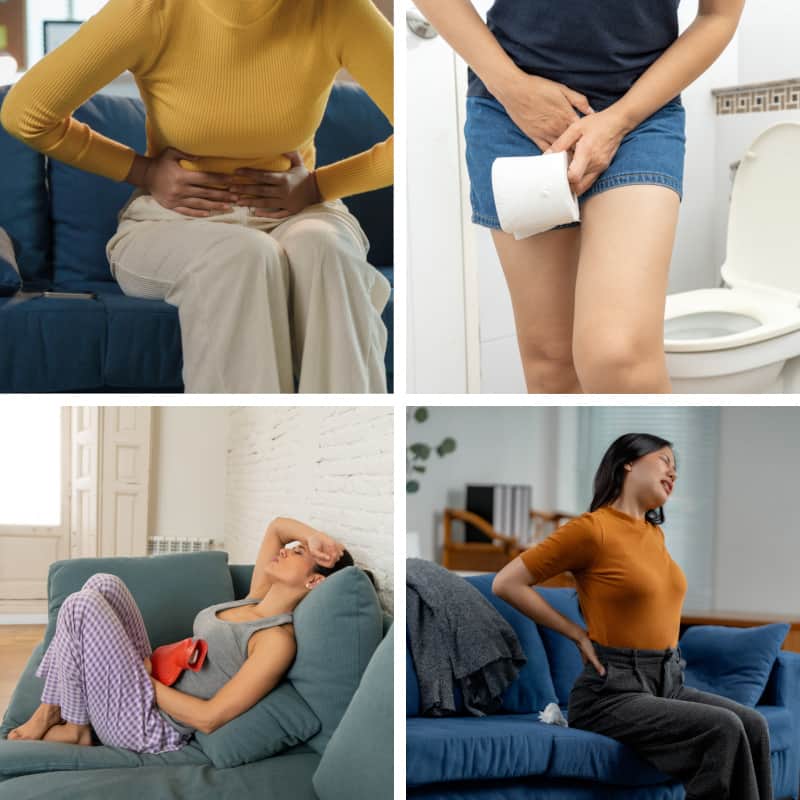
Understand the condition
Step 3 · Speak with Us
Manage Pelvic Pain Mindfully
Discover mind-body techniques like breathwork and meditation that ease pelvic pain flares. Our specialists tailor strategies to help you find lasting relief and improve your daily life.
Questions people ask next
All general questionsCan mindfulness or yoga reduce endometriosis or adenomyosis pain?
Yes, mindfulness and gentle, pain-informed yoga can help some people feel less pelvic pain from endometriosis or adenomyosis. They don’t treat the underlying disease, but research suggests modest improvements in pain, distress, sleep, and quality of life.
Can mind-body practices help pelvic floor tension or nerve pain?
Yes, mind-body practices can help pelvic floor tension and certain nerve-related pain patterns. Relaxed breathing, mindfulness, and guided imagery may reduce pelvic floor guarding and pain amplification, usually as part of a targeted treatment plan.
How can I manage flare days at home?
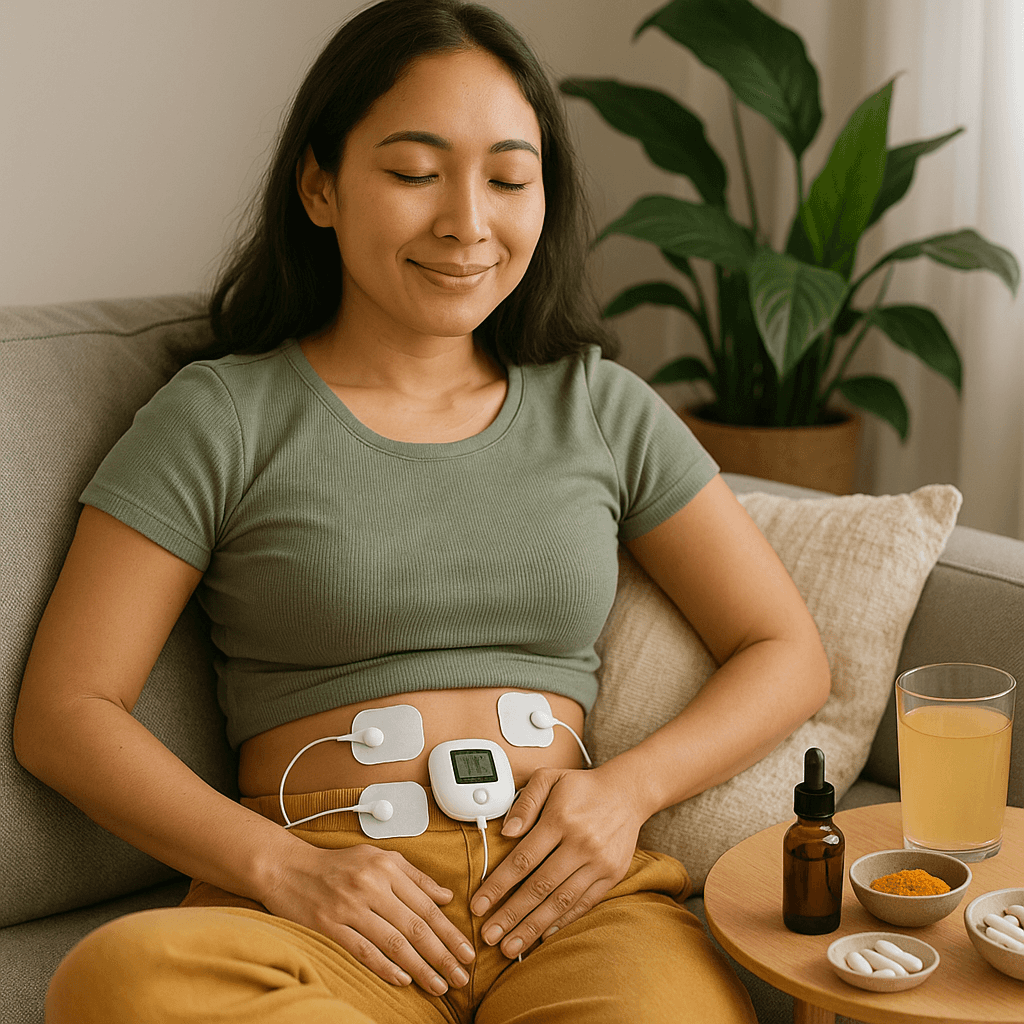
Heat, a TENS unit, and planned rest with pacing can help take the edge off flare-day pain, especially with gentle movement instead of complete immobilization. Many patients also find pelvic floor relaxation reduces clenching that can amplify cramping and pressure.
How long until stress-reduction practices start helping?
Many patients notice early shifts within a few weeks of consistent stress-reduction practice. More meaningful changes, such as better sleep and feeling calmer during pain flares, often build gradually over the following month or two.
Further reading
Holistic Tools That Actually Help Endometriosis Pain
Explore effective holistic tools that aid in managing endometriosis pain alongside conventional treatments. Discover reliable strategies today.
Natural Approaches to Managing Endometriosis Pain
Learn how TENS, diet changes, CBD, turmeric, meditation, yoga, and acupuncture can complement care and help relieve pelvic pain from endometriosis.
Can Physical Therapy Help Endometriosis Pain?
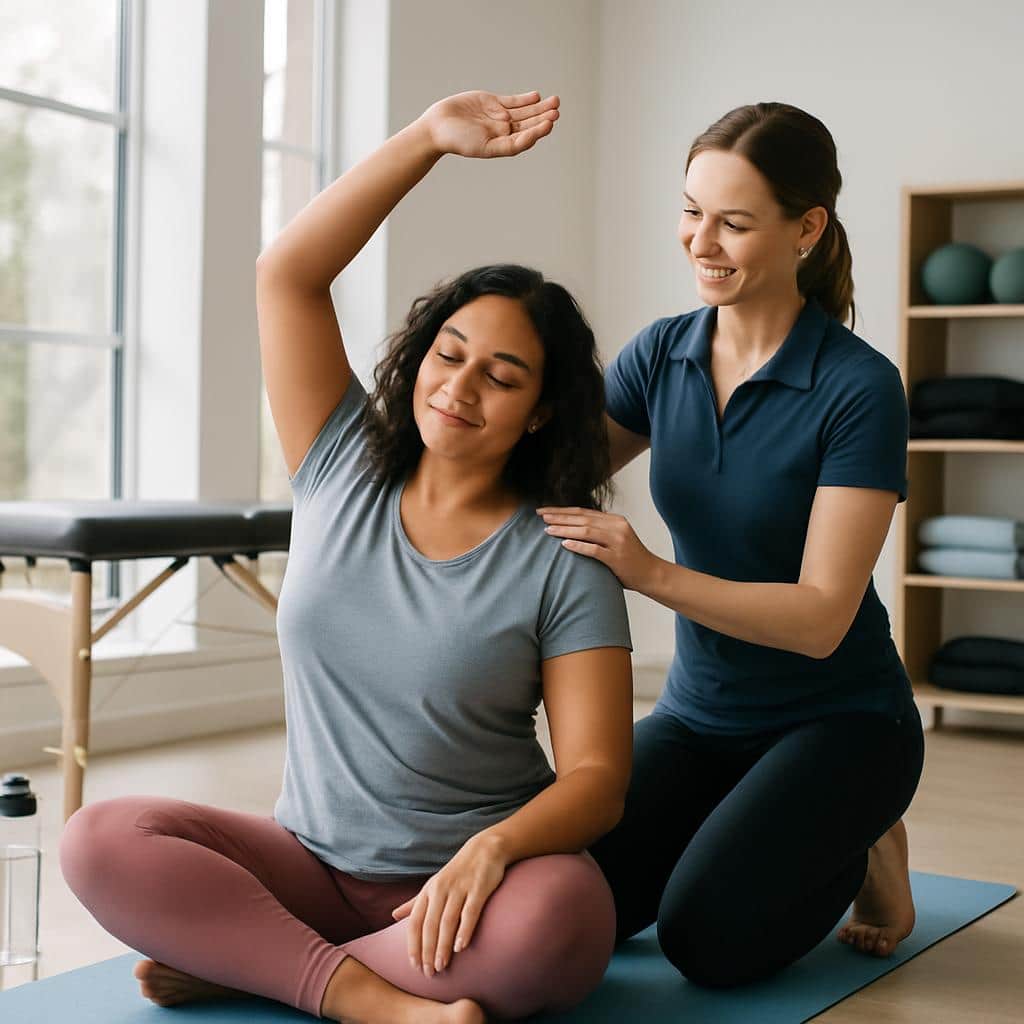
Discover how physical therapy can alleviate endometriosis pain, improve quality of life, and support pain management strategies.