General
What foods help reduce inflammation with endometriosis or adenomyosis?
The short answer
An anti-inflammatory diet for endometriosis or adenomyosis generally emphasizes vegetables, berries, legumes, intact whole grains, fish, extra-virgin olive oil, nuts, and seeds. Omega-3 sources like salmon, sardines, flax, chia, and walnuts are a helpful place to start.
An anti-inflammatory eating pattern for endometriosis or adenomyosis generally emphasizes whole, minimally processed foods, especially colorful vegetables, berries, legumes, and intact whole grains. For protein, many patients do well with fish and other lean options, using extra-virgin olive oil, nuts, and seeds as their primary fat sources.
Omega-3 fats are a helpful place to start: think salmon, sardines, and trout, or plant sources like flax, chia, and walnuts. It’s often worth limiting ultra-processed foods that can contribute to inflammation, such as refined carbohydrates, added sugars, processed meats, and trans fats. If you’re unsure which changes are most realistic for your symptoms and lifestyle, our team can help you build a practical plan as part of a comprehensive endometriosis and adenomyosis evaluation.
Where to go from here
Understand it, compare it with what you're feeling, then talk it through with us.
Step 1 · Understand
Understand the condition
Step 3 · Speak with Us
Fight Inflammation with Smart Food Choices
Our specialists can guide you in adopting an anti-inflammatory diet tailored to your endometriosis or adenomyosis needs. Learn which foods soothe symptoms and support your long-term health.
Questions people ask next
All general questionsCan diet cure endometriosis?
Diet can’t cure endometriosis or remove the disease, but what you eat can influence how you feel day to day. Many patients notice that certain eating patterns help reduce bloating, digestive upset, and discomfort, making pain and fatigue more manageable.
What should I eat during an endometriosis flare?
During an endometriosis flare, many people feel best with gentle, easy-to-digest meals, such as warm soups, well-cooked vegetables, and simple lean proteins. Small, frequent sips and hydrating foods can be easier than trying to catch up all at once.
Should I avoid gluten or dairy for endometriosis symptoms?
Some people notice improvement when they reduce gluten or dairy, especially if these foods consistently trigger discomfort, but others don’t see a meaningful change. An individualized approach means watching symptom patterns and making one sustainable change at a time.
Diet and self-care tips for bowel endometriosis flares?
A consistent anti-inflammatory eating pattern can help calm bowel endometriosis flares, but fiber needs vary. Track food and symptom patterns, change one thing at a time, and use gentle heat, rest breaks, and paced activity during flares.
Further reading
Endometriosis Diet: What Research Really Supports (and What It Doesn’t)
Learn what truly supports endometriosis symptom relief and improving your reproductive health, backed by reliable research and new evidence.
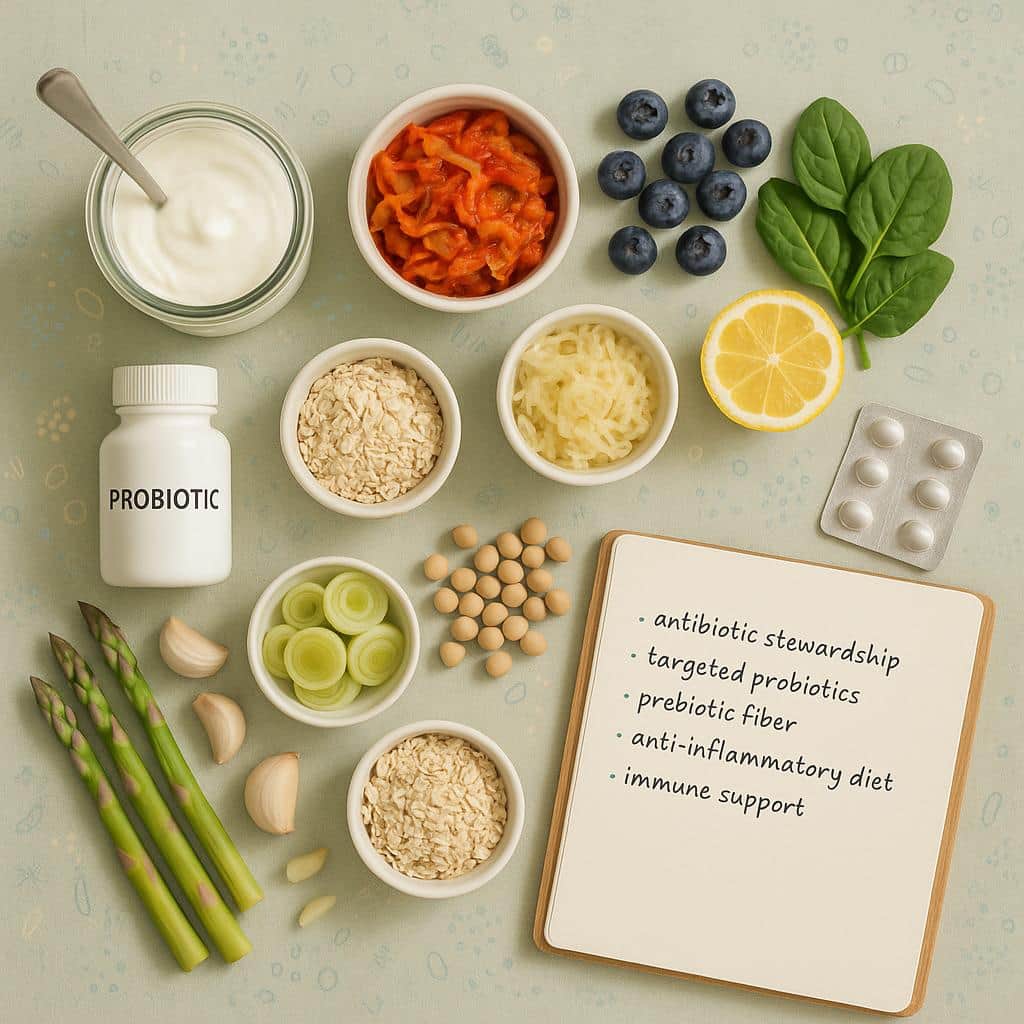
Optimizing the Microbiome to Support Endometriosis Care
Learn how antibiotics, probiotics, prebiotics, diet and immunomodulation affect the endometriosis–gut axis, with practical, research-backed microbiome tips.
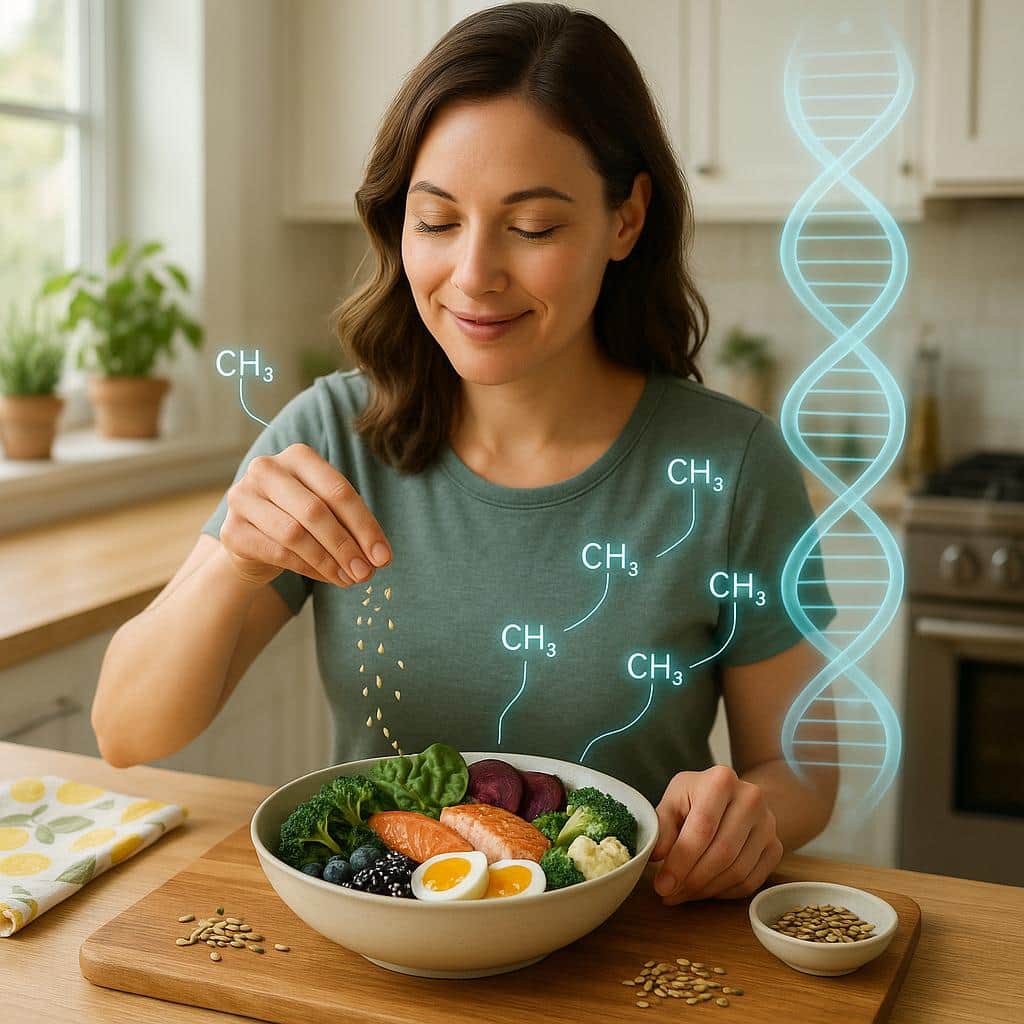
The Link Between Epigenetics, Diet, and Endometriosis
How epigenetic mechanisms and DNA methylation shape endometriosis, how your diet may modulate them, and the implications on your endometriosis care.