Deep Disease
Diet and self-care tips for bowel endometriosis flares?
The short answer
A consistent anti-inflammatory eating pattern can help calm bowel endometriosis flares, but fiber needs vary. Track food and symptom patterns, change one thing at a time, and use gentle heat, rest breaks, and paced activity during flares.
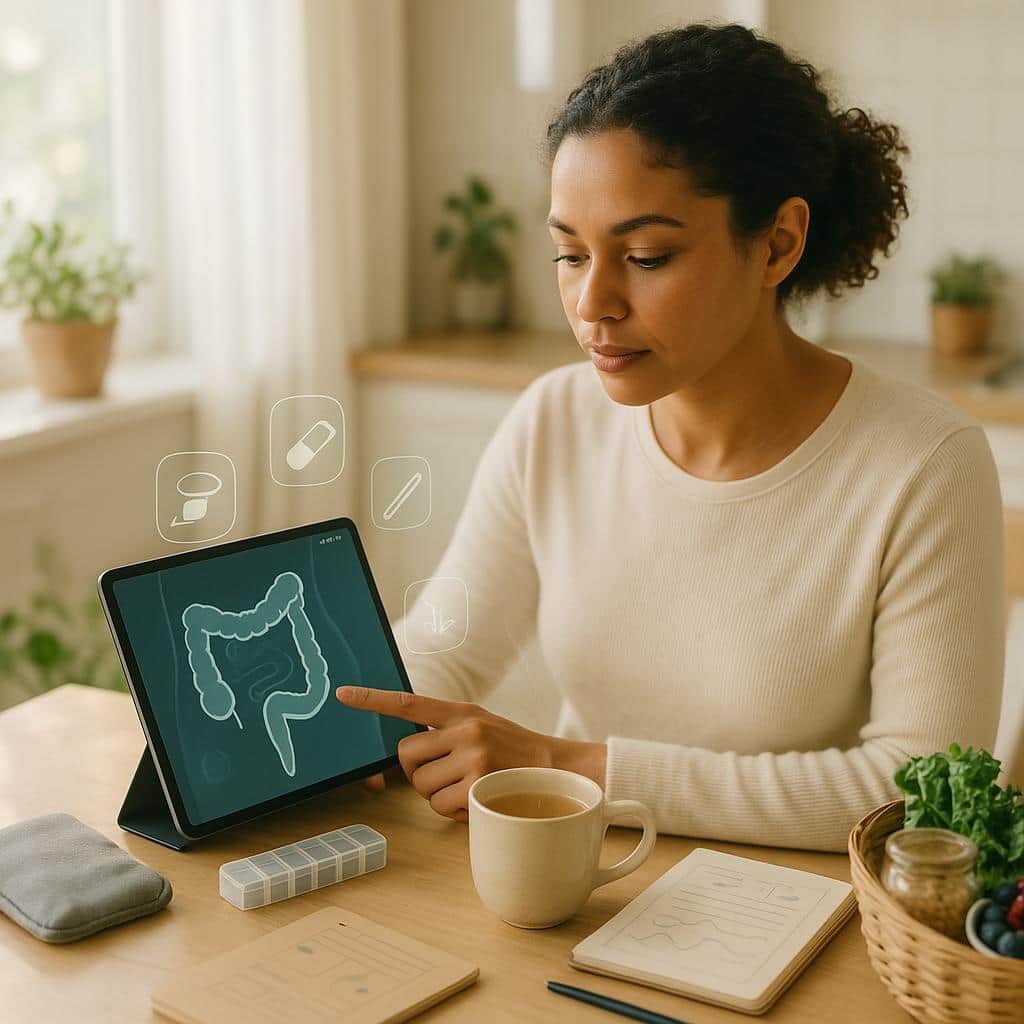
A consistent anti-inflammatory eating pattern can help calm bowel-related flares, but the details often need to be tailored to you, especially around fiber. Some people feel better with a gradual increase in soluble fiber, while others need to temporarily reduce certain high-fermentation foods. A short-term low-FODMAP trial can be useful when bloating, gas, and cramping are prominent, as long as it’s done thoughtfully and not as a permanent restriction.
We also encourage keeping a simple log of symptoms and food patterns to identify repeat triggers, and making changes one at a time so you can tell what’s actually helping. During a flare, gentle heat, rest breaks, and pacing activity can reduce pelvic and abdominal guarding, which often amplifies bowel pain. If pelvic floor overactivity is part of the picture, pelvic floor physical therapy can be an important part of self-care. If your bowel symptoms are persistent or escalating, our team can help you sort out whether endometriosis, adhesions, or other contributors may be driving the flares and discuss next steps.
Where to go from here
Understand it, compare it with what you're feeling, then talk it through with us.
Step 1 · Understand
Understand the condition
Step 2 · Compare
Symptoms it can relate to
Step 3 · Speak with Us
Manage Your Bowel Flares Effectively
Our specialists can help tailor your diet and self-care plan to reduce bowel endometriosis symptoms. Together, we'll find what works best for your unique needs and lifestyle.
Questions people ask next
All deep disease questionsWhat should I eat during an endometriosis flare?
During an endometriosis flare, many people feel best with gentle, easy-to-digest meals, such as warm soups, well-cooked vegetables, and simple lean proteins. Small, frequent sips and hydrating foods can be easier than trying to catch up all at once.
What safely helps constipation or diarrhea during flares?
For constipation flares, hydration and gentle stool softening are the safest starting points; for diarrhea, a short course of loperamide may reduce urgency, and oral rehydration can help. Sudden severe symptoms, blood in stool, black/tarry stools, fever, or ongoing weight loss need prompt evaluation.
How can I manage flare days at home?
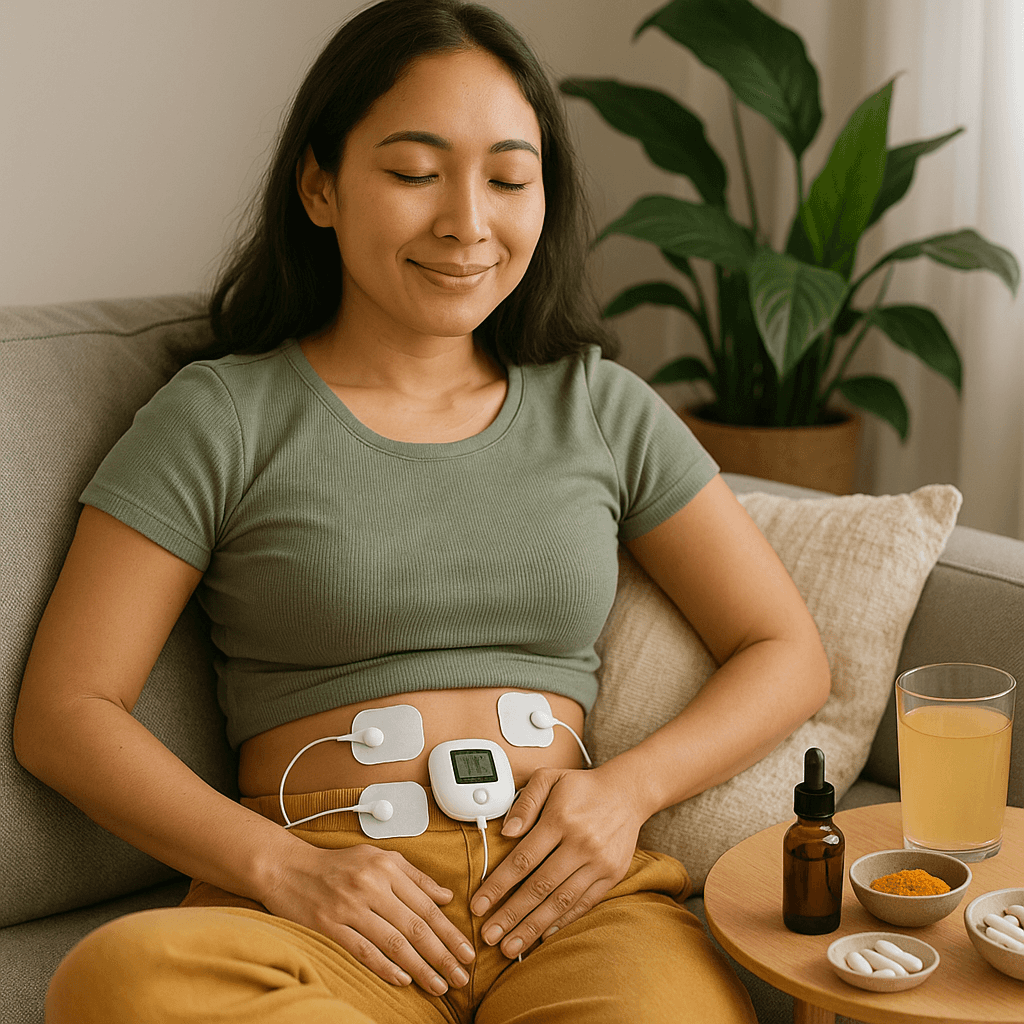
Heat, a TENS unit, and planned rest with pacing can help take the edge off flare-day pain, especially with gentle movement instead of complete immobilization. Many patients also find pelvic floor relaxation reduces clenching that can amplify cramping and pressure.
What foods help reduce inflammation with endometriosis or adenomyosis?
An anti-inflammatory diet for endometriosis or adenomyosis generally emphasizes vegetables, berries, legumes, intact whole grains, fish, extra-virgin olive oil, nuts, and seeds. Omega-3 sources like salmon, sardines, flax, chia, and walnuts are a helpful place to start.
Further reading
Endometriosis Diet: What Research Really Supports (and What It Doesn’t)
Learn what truly supports endometriosis symptom relief and improving your reproductive health, backed by reliable research and new evidence.
Bowel Endometriosis: Causes, Symptoms, and Treatment
Bowel endometriosis explained: locations, symptoms, causes, diagnosis and misdiagnosis, plus treatments from minimally invasive surgery to lifestyle changes.
Natural Approaches to Managing Endometriosis Pain
Learn how TENS, diet changes, CBD, turmeric, meditation, yoga, and acupuncture can complement care and help relieve pelvic pain from endometriosis.