Symptoms
What safely helps constipation or diarrhea during flares?
The short answer
For constipation flares, hydration and gentle stool softening are the safest starting points; for diarrhea, a short course of loperamide may reduce urgency, and oral rehydration can help. Sudden severe symptoms, blood in stool, black/tarry stools, fever, or ongoing weight loss need prompt evaluation.
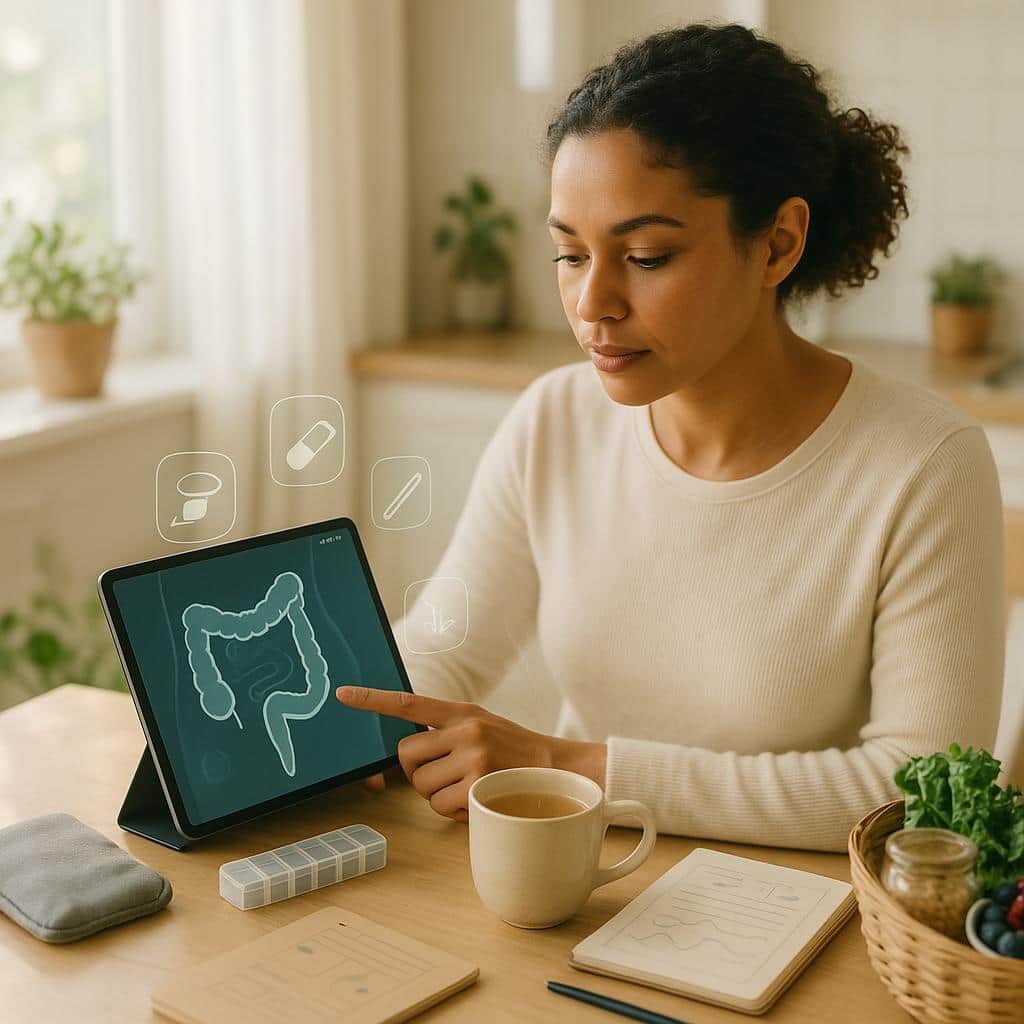
During constipation-predominant flares, the safest starting points are steady hydration and a gentle stool-softening approach so you’re not straining. Many patients do well with soluble fiber such as psyllium or an osmotic laxative like polyethylene glycol for more comfortable, regular stools. If bowel movements feel blocked, incomplete, or difficult to pass even when stool isn’t hard, that pattern can also fit pelvic floor involvement, which our team can help evaluate.
During diarrhea-predominant flares, a short course of loperamide may reduce urgency, and oral rehydration can help replace fluids and electrolytes. The pattern matters most: sudden severe symptoms, blood in the stool, black/tarry stools, fever, or ongoing weight loss deserve prompt evaluation rather than repeated self-treatment. If GI flares recur alongside pelvic pain, painful periods, or pain with bowel movements, reach out to schedule a consultation so we can look for the causes and build a plan that’s safe for your body.
Where to go from here
Understand it, compare it with what you're feeling, then talk it through with us.
Step 1 · Understand
Understand the condition
Step 3 · Speak with Us
Struggling with flare symptoms?
Our specialists understand how constipation or diarrhea during flares can disrupt your life. We provide safe, tailored strategies to ease your symptoms and evaluate underlying causes like pelvic floor issues.
Questions people ask next
All symptoms questionsWhen is period-related constipation an emergency?
Period-related constipation is an emergency with severe, worsening belly pain and a swollen belly, repeated vomiting, or prolonged inability to pass gas or stool. Significant rectal bleeding, black/tarry stools, fainting, or signs of dehydration are also emergency signs.
What can I do now for period diarrhea?
For period diarrhea, prioritize hydration, adding electrolytes if you’re going frequently, and eat small, bland meals for a day or two. Pause anything that seems to trigger symptoms, and track whether NSAIDs for cramps worsen diarrhea after dosing.
What should I eat during a flare with pain, nausea, or diarrhea?
During a flare, we generally recommend small, simple meals with soft, cooked foods like broth-based soups, oatmeal, rice or scrambled eggs. Sipping fluids with electrolytes can help you stay hydrated, and temporarily limiting raw roughage, high-fat meals and very spicy foods can help.
Diet and self-care tips for bowel endometriosis flares?
A consistent anti-inflammatory eating pattern can help calm bowel endometriosis flares, but fiber needs vary. Track food and symptom patterns, change one thing at a time, and use gentle heat, rest breaks, and paced activity during flares.
Further reading
Bowel Endometriosis: Causes, Symptoms, and Treatment
Bowel endometriosis explained: locations, symptoms, causes, diagnosis and misdiagnosis, plus treatments from minimally invasive surgery to lifestyle changes.
Endometriosis or Inflammatory Bowel Disease? The Key Differences
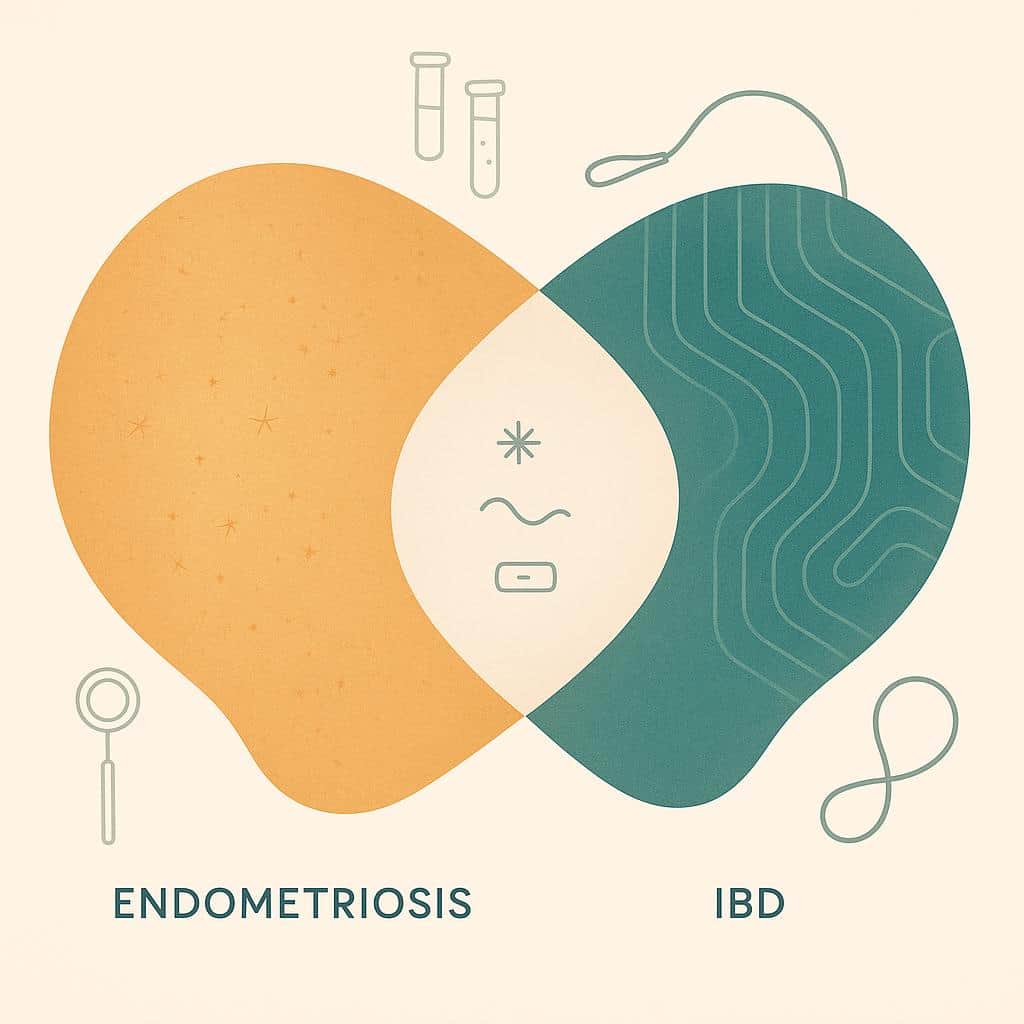
How endometriosis and inflammatory bowel disease differ and overlap. Symptoms, diagnostic challenges, epidemiology, treatment risks, and research gaps.
Can Physical Therapy Help Endometriosis Pain?
Discover how physical therapy can alleviate endometriosis pain, improve quality of life, and support pain management strategies.