General
How often should I practice mind-body techniques?
The short answer
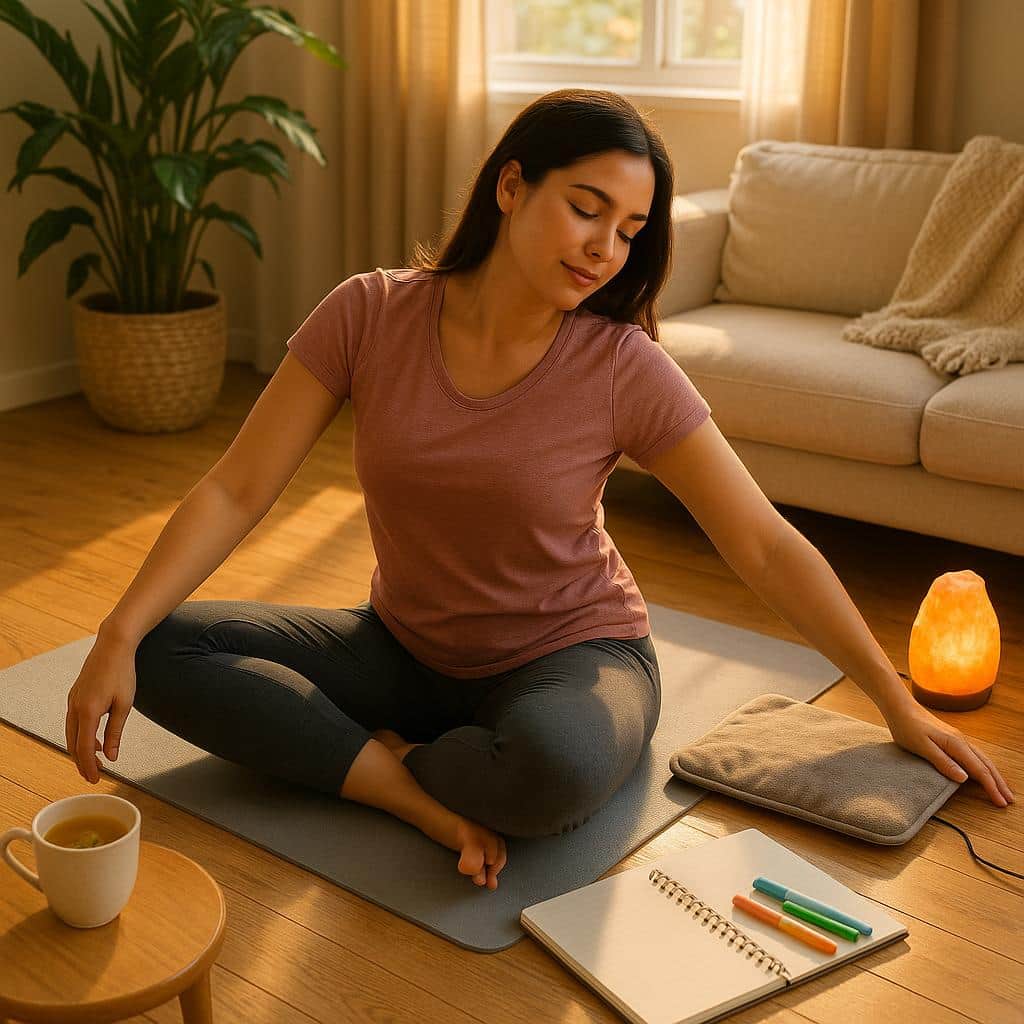
Most people do best with 10–20 minutes of mind-body practice on most days, plus quick 1–3 minute practices before stressful moments or trying to fall asleep. The goal is consistency, not perfection, to build a steady nervous-system reset for real life.
Most people do best with a consistent routine: about 10–20 minutes on most days, plus quick 1–3 minute micro-practices before predictable triggers like commuting, stressful meetings, or trying to fall asleep. The goal isn’t perfection. It’s building a steady nervous-system reset you can use in real life, especially on higher-symptom days.
You may notice a steadier stress response within a couple of weeks, while changes in sleep quality and pain sensitivity often take longer, building gradually over the following weeks. If you don’t notice a change right away, that doesn’t mean it isn’t working; these skills tend to compound over time as your body learns the pattern. If you’d like help choosing an approach that fits your symptoms and routine, our team can talk through options during a consultation.
Where to go from here
Understand it, compare it with what you're feeling, then talk it through with us.
Step 1 · Understand
Understand the condition
Step 3 · Speak with Us
Find Your Mind-Body Balance
Our specialists can guide you to consistent, effective mind-body practices that ease symptoms and improve your daily life. Let us help you build lasting nervous-system reset techniques tailored for you.
Questions people ask next
All general questionsWhich mind-body practices help most with pelvic pain flares?
Breathwork, meditation, gentle yoga, and biofeedback are some of the most consistently helpful tools for pelvic pain flares. They can calm the body’s stress response, but the most effective practice is usually one you can do regularly and that matches your symptoms.
What lowers stress hormones fastest during an acute flare?
Slow diaphragmatic breathing with a longer, unhurried exhale is one of the fastest ways to calm your body during an acute flare. About 4–6 breaths per minute, emphasizing the exhale, can help your nervous system shift toward a settled state within minutes.
Can mind-body practices help pelvic floor tension or nerve pain?
Yes, mind-body practices can help pelvic floor tension and certain nerve-related pain patterns. Relaxed breathing, mindfulness, and guided imagery may reduce pelvic floor guarding and pain amplification, usually as part of a targeted treatment plan.
Can mindfulness or yoga reduce endometriosis or adenomyosis pain?
Yes, mindfulness and gentle, pain-informed yoga can help some people feel less pelvic pain from endometriosis or adenomyosis. They don’t treat the underlying disease, but research suggests modest improvements in pain, distress, sleep, and quality of life.
Further reading
Holistic Tools That Actually Help Endometriosis Pain
Explore effective holistic tools that aid in managing endometriosis pain alongside conventional treatments. Discover reliable strategies today.
Natural Approaches to Managing Endometriosis Pain
Learn how TENS, diet changes, CBD, turmeric, meditation, yoga, and acupuncture can complement care and help relieve pelvic pain from endometriosis.
Supportive Therapies That Help Ease Endometriosis Pain
Endometriosis pain relief with supportive, integrative therapies: diagnosis, medical and hormonal care, surgery's role, nutrigenomic and epigenetic insights.