


Retroverted (Tilted) Uterus: Symptoms, Myths, and When It Matters
Explore the link between a retroverted uterus and endometriosis/adenomyosis. Learn about symptoms, myths, and when it matters for your health.
10 minute read
Read moreDiscover how Lotus can guide you toward lasting relief.
Explore why patients choose Lotus
Search expert-written answers, browse by topic, or find information based on where you are in your journey.
Explore All KnowledgeReach out and start your healing journey.
Schedule an AppointmentEvidence-based perspectives that clarify myths, share lived experiences, and distill expert analysis to help you understand endometriosis and make informed choices.
Living with endometriosis or adenomyosis often means sorting through conflicting advice, oversimplified “cures,” and confusing treatment debates. Insights brings together evidence-informed perspective pieces that translate complex topics into practical understanding—without pretending there is a one-size-fits-all answer. Expect clear context on how research is interpreted, why clinical opinions may differ, and how to weigh benefits, risks, and tradeoffs when symptoms, fertility goals, and quality of life are all in play.
These articles also center the human side of care: the diagnostic delay, the emotional toll of chronic pain, and the day-to-day realities of work, relationships, and identity. When questions become technical—like recurrence after surgery, disability accommodations, or what a new study really suggests—Insights helps connect the dots and frames what to ask next. For step-by-step medical guidance on testing and treatment, explore [Diagnostics & Imaging](https://lotusendo.com/posts/category/diagnostics-and-imaging), [Pain Relief](https://lotusendo.com/posts/category/pain-relief), and [Surgery](https://lotusendo.com/posts/category/surgery). For personal narratives and clinician deep-dives within this perspective lens, see [Patient Stories](https://lotusendo.com/posts/category/insights/patient-stories) and [Expert Commentary](https://lotusendo.com/posts/category/insights/expert-commentary).
Documenting endometriosis for work accommodations starts with a clear paper trail connecting your diagnosis or suspected diagnosis to specific functional limits at work. Keep a simple symptom log for at least 4–8 weeks, noting the date, symptom (pelvic pain, fatigue, bowel/bladder pain, heavy bleeding), severity, duration, triggers, and exactly how work tasks were affected: missed shifts, reduced standing tolerance, inability to sit, concentration issues, and frequent bathroom breaks. Save objective documentation too: operative and pathology reports if you’ve had surgery, imaging reports when available, ER/urgent care notes, medication or treatment history, and any workplace attendance or performance impacts during flares.
For an accommodation request, what usually helps most is a concise clinician letter focused on work restrictions rather than extensive medical detail: for example, the need for flexible scheduling during flares, the ability to work from home at times, breaks for pain management/restroom access, limits on prolonged standing/sitting, or intermittent leave when symptoms are unpredictable. If you’re pursuing disability benefits, the same principle applies: decision-makers look for consistent records over time showing that symptoms significantly interfere with your ability to perform job duties, since endometriosis isn’t automatically classified as a disability.
Our team can help you organize the records that best support your case and, when appropriate, provide medical documentation that reflects your symptoms and functional limitations. If you’d like, reach out to schedule a consultation so we can review what you already have and identify what additional documentation would be most useful for workplace accommodations.
It often helps to keep your explanation simple and work-focused: endometriosis is a chronic inflammatory condition in which tissue similar to the uterine lining grows outside the uterus and can cause significant pelvic pain, fatigue, and GI or bladder symptoms. Symptoms can flare unpredictably and aren’t always limited to your period, which is why you may need flexibility at certain times. You don’t need to share intimate details, just how it affects your work (for example, pain, fatigue, and medical appointments can affect attendance, tolerance for sitting or standing, or concentration).
If you’re requesting support, be specific about what would help you do your job well, such as intermittent time off for flares, the ability to work from home when symptoms spike, scheduled breaks, or flexibility around medical visits and potential procedures. Many patients find it useful to describe this as a long-term health condition with symptoms that vary from day to day rather than a one-time illness, and to document patterns of symptoms and missed work so your needs are clear.
If you’d like, our team can help you describe your condition and anticipated care in medically accurate terms that support workplace accommodations, especially if symptoms are affecting your ability to function consistently. You can also explore our educational resources on endometriosis and how it affects work, and reach out to schedule a consultation if you’re looking for a clearer plan for diagnosis and treatment.
Yes, there appears to be an evolving connection, but it’s not as simple as equating endometriosis with MCAS. Current research most strongly supports that mast cells (the immune cells involved in allergic-type reactions) are often increased and more activated in and around endometriosis lesions, where they tend to cluster near nerves and blood vessels. When mast cells release mediators like histamine and other inflammatory signals, they can irritate pain-sensing nerves, promote nerve growth, and help sustain inflammation. This is one plausible reason endometriosis pain can feel burning, stabbing, widespread, or unusually persistent.
MCAS, though, is a systemic syndrome, meaning it can cause multi-system flares, such as flushing/itching, GI upset, shortness of breath, dizziness, or fast heart rate, and may be triggered by stress, hormones, foods, or environmental exposures. Some people with endometriosis also have MCAS-like symptoms, and in those cases mast-cell biology may be amplifying pelvic pain and lowering the threshold for flares across the body. If this overlap sounds familiar, our team can help you sort out what’s likely driven by endometriosis lesions themselves (including whether excision surgery may be part of your plan) versus broader mast-cell-type sensitivity that may need coordinated perioperative and long-term management.
This website is for people seeking clear, trustworthy guidance about endometriosis, related gynecologic cancers, and other complex pelvic conditions. We created it to help you better understand symptoms, testing, and treatment pathways so you can make informed decisions about your care.
Many readers come here because they’re considering treatment with our team, but this information can also help anyone researching next steps or trying to make sense of a new (or long-delayed) diagnosis. If you’d like individualized guidance, you’re welcome to contact us to schedule a consultation so we can review your history and goals together.
At Lotus, we don’t follow a surgery-only model. Our care combines advanced excision surgery with board-certified integrative medicine, coordinated as one plan rather than separate, disconnected steps.
That means we support you throughout the peri-operative timeline: preparing your body before surgery, guiding recovery after surgery, and helping address the broader drivers of symptoms that can persist even when endometriosis has been removed. We want to do more than operate: our goal is to help you heal as a whole person. We tailor that plan to your history, symptoms, and long-term needs.
No, out-of-network care doesn’t automatically mean you’ll pay 100% of the cost. Many plans still offer out-of-network benefits, and what you owe depends on the details of your specific coverage and the type of care you receive.
Our team can help you understand the financial side of moving forward, including what information to ask your insurer for and what documentation may be needed. If you’d like, contact us to schedule a consultation, and we’ll walk you through the process based on your situation.
Before we schedule your consultation, our team completes a brief preliminary review to understand what you’re experiencing and what information is already available. This typically includes reviewing your symptoms and any medical records you’ve shared, so we can guide you to the right next steps.
If your history and goals appear to be a good fit for the care we provide, we’ll schedule your consultation and outline what to expect from the process. If we need anything else to make that decision, such as additional records or clarification, our team will let you know so we can keep things moving efficiently.
Endometriosis isn’t one uniform condition, so study results can vary depending on which lesion types and locations are included, how advanced the disease is, and whether participants have had prior hormonal treatment or surgery. Many studies also rely on small or highly selected groups, which can make findings look stronger or weaker than they are in real-world patients.
Research teams may also use different diagnostic standards, define outcomes differently (pain scores, quality of life, or fertility), and follow patients for different lengths of time, so they’re not always measuring the same thing. When we interpret research with patients, we look for results that hold up across larger, more diverse groups and, when possible, well-designed randomized trials, because those results are more likely to reflect what you can expect in care.
Explore the link between a retroverted uterus and endometriosis/adenomyosis. Learn about symptoms, myths, and when it matters for your health.

Discover how endometriosis impacts fertility and what recent research reveals. Understand the factors influencing conception. Read now!

Explore the emotional impact of endometriosis on fertility fears. Understand your worries with recent research and practical steps for your journey.

Discover why multidisciplinary care is vital for managing complex endometriosis and enhancing quality of life. Learn more in our latest research overview.

Feeling dismissed with your endometriosis concerns? Discover expert insights on navigating healthcare while seeking validation and appropriate care.

Discover the truth about endometriosis and adenomyosis symptoms. Understand how common they really are, and gain insights for effective advocacy.

Discover an investigation plan for post-surgery pain after endometriosis. Learn effective tracking methods to communicate with your care team.
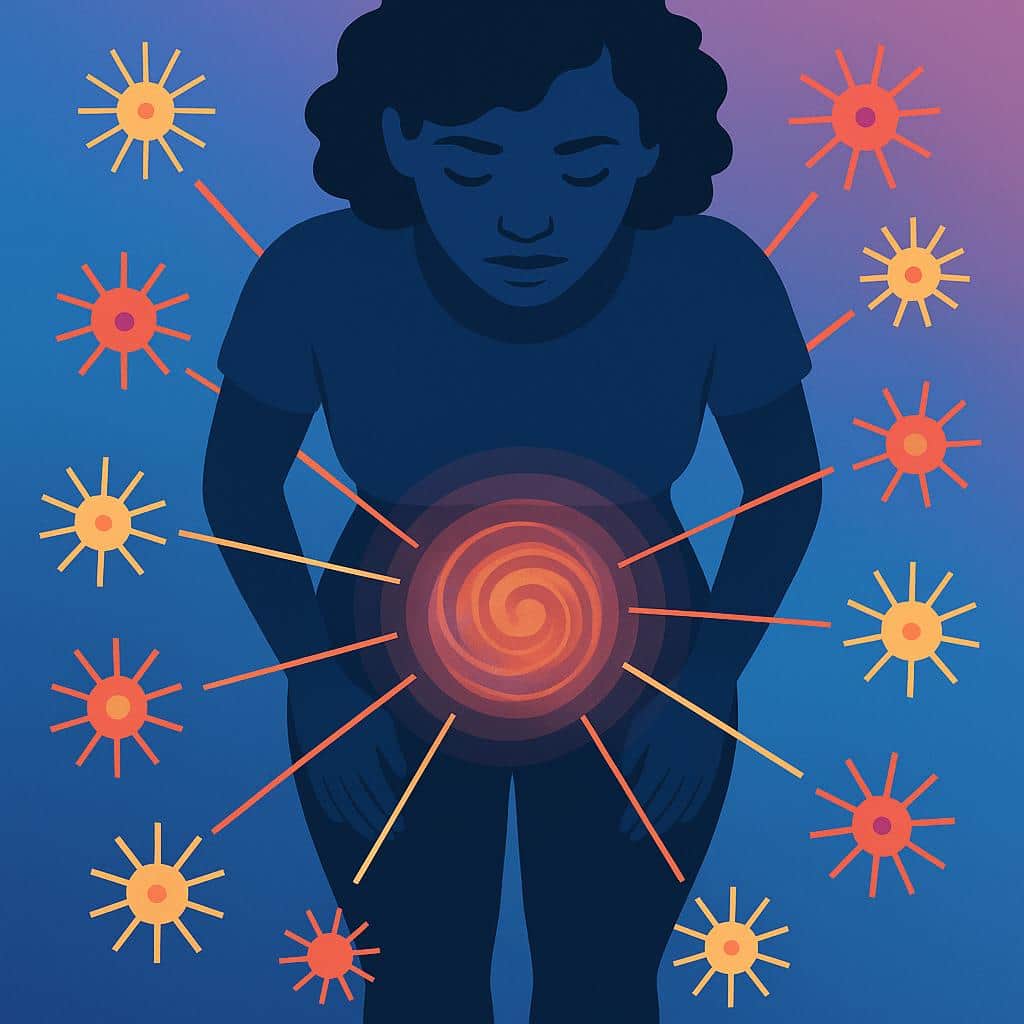
Explore the latest research on MCAS and its connection to endometriosis pain. Understand the implications for symptoms and treatment options.
Dr. Steven Vasilev MD, director of the Lotus Endometriosis Institute, has been named to Super Doctors 2026 (Southern California). Learn what the recognition means and how the selection process works.

Explore why endometriosis pain affects your life deeply. Learn about research on pain severity, psychological impact, and effective management strategies.

Explore how to navigate Instagram for endometriosis and adenomyosis support while ensuring you receive accurate and trustworthy health information.

Explore what TikTok reveals about endometriosis surgery. Get reliable insights and navigate your options safely. Find out more!
Lotus Endometriosis Institute provides California-based surgical evaluation and advanced excision care for patients with suspected endometriosis, adenomyosis, complex pelvic pain, and related conditions.
Many patients contact us from outside California to learn whether traveling for in-person evaluation and possible surgery may be appropriate.
2121 Santa Monica Blvd, Santa Monica, CA 90404
8am - 5pm
Monday - Friday
154 Traffic Way, Arroyo Grande, CA 93420