
General
Is MCAS connected to endometriosis?
The short answer
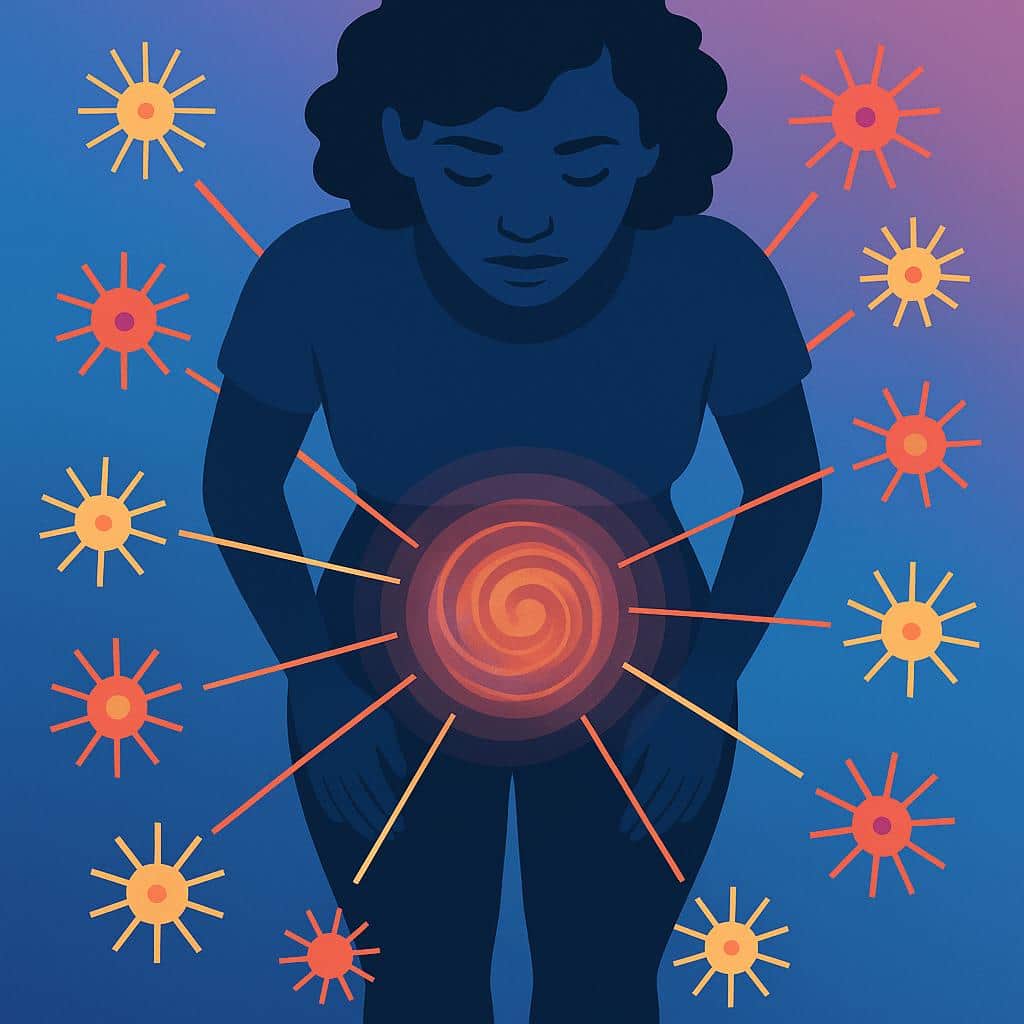
Yes, there appears to be an evolving connection, but endometriosis does not equal MCAS. Mast cells are often increased and more activated around endometriosis lesions, and in people with MCAS-like symptoms, mast-cell activity may amplify pelvic pain.
Yes, there appears to be an evolving connection, but it’s not as simple as equating endometriosis with MCAS. Current research most strongly supports that mast cells (the immune cells involved in allergic-type reactions) are often increased and more activated in and around endometriosis lesions, where they tend to cluster near nerves and blood vessels. When mast cells release mediators like histamine and other inflammatory signals, they can irritate pain-sensing nerves, promote nerve growth, and help sustain inflammation. This is one plausible reason endometriosis pain can feel burning, stabbing, widespread, or unusually persistent.
MCAS, though, is a systemic syndrome, meaning it can cause multi-system flares, such as flushing/itching, GI upset, shortness of breath, dizziness, or fast heart rate, and may be triggered by stress, hormones, foods, or environmental exposures. Some people with endometriosis also have MCAS-like symptoms, and in those cases mast-cell biology may be amplifying pelvic pain and lowering the threshold for flares across the body. If this overlap sounds familiar, our team can help you sort out what’s likely driven by endometriosis lesions themselves (including whether excision surgery may be part of your plan) versus broader mast-cell-type sensitivity that may need coordinated perioperative and long-term management.
Where to go from here
Understand it, compare it with what you're feeling, then talk it through with us.
Step 1 · Understand
Understand the condition
Step 2 · Compare
Symptoms it can relate to
Step 3 · Speak with Us
Untangle MCAS and endo symptoms
If you suspect MCAS may be amplifying your endometriosis pain, you don’t have to figure it out alone. Our specialists can assess mast cell–related patterns, explain what the research means for you, and build a plan for diagnosis and symptom relief.
Questions people ask next
All general questionsIs endometriosis linked to hypermobility (EDS/hEDS)?
Yes, endometriosis and hypermobility syndromes like hEDS/EDS appear to overlap, but research is still evolving and neither is proven to cause the other. Patients with hypermobility often have more complex pelvic pain, sometimes with heightened nerve sensitivity.
Is endometriosis an autoimmune disease?
No, endometriosis is not currently classified as an autoimmune disease. It often involves chronic inflammation and changes in how the immune system responds to endometrial-like tissue outside the uterus, and some patients also have autoimmune conditions.
Can endometriosis irritate or entrap pelvic nerves?
Yes, endometriosis can irritate, inflame, or tether pelvic nerves, especially when it grows deeply into tissues. When lesions are near nerves, symptoms can include cyclical sciatica-like leg pain, genital burning, or sharp shooting pain in the rectum or vagina.
Why do people with endometriosis often have other conditions?
The genetics, inflammation and immune-system problems involved in endometriosis may also make the body more prone to other inflammation-related or immune-associated conditions. Endometriosis can involve multiple organs, so symptoms may reflect more than one process.
Further reading
MCAS and Endometriosis Pain: What Research Suggests So Far
Explore the latest research on MCAS and its connection to endometriosis pain. Understand the implications for symptoms and treatment options.
Mast Cell Activation Syndrome and Endometriosis: A Potential Link to Unexplained Symptoms
Explore the potential link between MCAS and endometriosis—common symptoms, medical treatments, whether excision helps, and advanced gut-focused options for relief in women.
Mast Cells May Be Fueling Your Endometriosis Inflammation
Discover how mast cells might be contributing to your endometriosis inflammation. Learn about potential future treatments and symptom management.