


Ovarian Remnant Syndrome: Symptoms, Diagnosis, and Treatment
Discover ovarian remnant syndrome: its symptoms, risk factors, and treatment options after oophorectomy. Learn how to manage pelvic pain effectively.
9 minute read
Read moreDiscover how Lotus can guide you toward lasting relief.
Explore why patients choose Lotus
Search expert-written answers, browse by topic, or find information based on where you are in your journey.
Explore All KnowledgeReach out and start your healing journey.
Schedule an AppointmentUnderstand how endometriosis can cause nerve pain, fatigue, urinary and GI issues, and different pain types. Get clinically backed tips to track symptoms, communicate with your clinician, and find safe, effective relief.
Endometriosis affects multiple systems in the body, which is why symptoms can vary widely from person to person. Pain may arise from inflammation, nerve involvement, hormonal cycling, organ irritation, or pelvic floor muscle tension. Common issues include fatigue, digestive problems, urinary discomfort, and different forms of pelvic pain. Understanding these patterns helps guide targeted relief strategies.
Categories such as Fatigue, GI Symptoms, and Neuropathic Pain explore the mechanisms behind each presentation, highlighting why symptom control often requires a multifaceted approach. Lifestyle adjustments, pelvic floor therapy, anti-inflammatory nutrition, and appropriate medical care all play a meaningful role in reducing symptom intensity and improving daily function.
Symptoms can change over time due to hormonal shifts, stress levels, or disease progression. Tracking patterns and understanding the underlying drivers—whether bowel irritation, bladder sensitivity, nerve compression, or muscle dysfunction—allows for more precise and effective management.
Pain with sex that flares around your period often points to a hormonally driven source of pelvic pain. This means tissue and nerves in the pelvis become more inflamed and reactive in the days leading up to bleeding and during menstruation. Endometriosis is a common reason: lesions can irritate nearby nerves and organs, and the inflammatory chemicals they produce can amplify pain signals. Adenomyosis (endometrial-like tissue within the uterine muscle) can also make the uterus unusually tender and crampy, so penetration, orgasm-related uterine contractions, or even pelvic pressure can feel painful around that time.
Where and when you feel pain matter. Deep pain with penetration can be related to endometriosis near the uterosacral ligaments, cervix/vaginal fornix, rectovaginal space, bowel, or bladder, especially if scarring or adhesions have changed how those structures move. Pain after sex or after orgasm can happen when pelvic floor muscles spasm or when uterine contractions tug on sensitized areas. If this pattern keeps recurring, our team can help map your symptom timing and triggers and evaluate for endometriosis, adenomyosis, pelvic floor dysfunction, and overlapping bladder/bowel involvement so treatment targets the source of your pain rather than just masking it.
Severe, life-disrupting period pain isn’t normal cramps, and it often points to an underlying cause that deserves a real explanation, rather than symptom masking. One common cause is endometriosis, where tissue similar to the uterine lining grows outside the uterus and can irritate pelvic structures, trigger inflammatory chemicals, and sometimes involve organs like the bowel or bladder. Pain severity doesn’t reliably match stage, so someone can have intense pain even if imaging looks normal or disease appears limited.
When period pain is severe, worsens over time, starts years after your first period, or comes with heavy bleeding, painful sex, bowel pain with periods, urinary pain, or fatigue, we look for patterns because endometriosis and related conditions can overlap with pelvic floor dysfunction, nerve pain/central sensitization, GI dysbiosis, vascular issues, or adenomyosis. We take your full timeline and flare pattern seriously, then tailor the evaluation with a careful exam and expertly interpreted imaging when helpful. If your pain is disrupting school, work, relationships, or daily functioning, reach out to schedule a consultation. Our team can help you identify what’s driving it and map out a plan aimed at lasting relief.
Yes, endometriosis can be associated with arthritis-like joint pain in some people, even though joint pain isn’t considered a classic core symptom. Endometriosis can drive chronic inflammation and immune dysregulation, and this whole-body inflammatory state may show up as aching, stiffness, or flares that feel similar to inflammatory arthritis. Some patients also notice joint symptoms that cycle with their period or worsen during broader endometriosis flares.
At the same time, endometriosis doesn’t equal autoimmune arthritis, and an association doesn’t prove that one causes the other. Research suggests higher rates of certain autoimmune conditions in people with endometriosis, including inflammatory diseases that can affect joints. Persistent joint pain therefore deserves a comprehensive evaluation rather than being automatically attributed to pelvic disease alone. If you’re dealing with pelvic pain and joint symptoms, our team can help you sort out what fits endometriosis, what may be a related immune condition, and how that affects your treatment plan, including whether excision surgery and coordinated integrative support make sense for you.
Endometriosis flare-ups don’t have one usual length: some people feel a spike in symptoms for a few hours to a couple of days, while others have flares that last through an entire cycle window or blend into more constant pain. Many flares track with hormonal shifts (often before and during a period), but bowel, bladder, pelvic floor, or nerve-related pain can flare at different times and may not follow a predictable calendar pattern.
When flares start lasting longer or happening more often, it can be a sign that multiple sources of pain are adding up: ongoing inflammation from lesions, adhesions/fibrosis that can tether organs, and sometimes central sensitization, where the nervous system becomes more reactive over time. That’s why symptom management alone can feel like a band-aid if active disease is still present. If you’re noticing prolonged, unpredictable, or escalating flares, our team can help you map your pattern, identify what’s likely driving it, and discuss a plan that addresses both symptom control and the underlying endometriosis.
“Endo belly” is the common term patients use for the severe bloating and abdominal swelling that can happen with endometriosis. It’s often described as a belly that suddenly looks or feels distended, sometimes within hours. It may come and go in waves, frequently worsening around a period, but not always. This can mimic weight gain even when the underlying issue is swelling, fluid shifts, or gastrointestinal distension rather than true fat gain.
Endometriosis can irritate tissues in the pelvis and abdomen and can also affect or interact with the bowel. This helps explain why many people notice constipation, diarrhea, cramping, or a tight, pressured abdomen alongside pelvic pain. You can have significant digestive symptoms even when routine GI testing looks normal, because endometriosis often involves the outer surface or deeper layers around the bowel rather than the inner lining.
If endo belly is a major part of your symptom pattern, especially when it comes with painful bowel movements, cyclical flares, or persistent pelvic pain, our team can help you sort out what’s driving it and which treatment options are most likely to bring relief. Explore our educational resources, and if you’re ready, reach out to schedule a consultation so we can review your history and build a plan around your goals.
Endometriosis returning after surgery can show up as symptoms that improve for a while and then come back gradually or suddenly, months or even years later. The most common signal is the return of your familiar pattern: cyclical pelvic pain, worsening period pain, pain with intercourse, or pain that starts spreading beyond where it used to be. Some people also notice bowel or bladder symptoms re-emerge (pain with bowel movements, rectal pressure, urinary urgency, or bladder pain), especially if those organs were involved before. New or increasing fatigue and activity limitation can be part of the picture, but the key is a clear change from your post-op baseline.
It’s also important to know that recurrent pain doesn’t always mean recurrent disease. Even after complete excision, the nervous system can stay heightened, and pelvic floor dysfunction, adhesions, or central sensitization can keep pain going or make normal sensations feel painful. That’s why we look at patterns, triggers, and timing rather than a single pain score. If symptoms are returning, our team can help you sort out whether you’re experiencing a true recurrence (symptoms improved, then returned) or persistent pain that never fully settled, and decide when imaging such as ultrasound or MRI is useful, particularly for tracking ovarian endometriomas. If you’re noticing a shift back toward your old symptoms, reach out to schedule a consultation so we can build a clear, long-term follow-up plan with you.
Yes, many people with endometriosis keep working, but it often requires a realistic plan around symptoms like pain, fatigue, brain fog, heavy bleeding, and unpredictable flares. Work becomes harder when endometriosis pain involves a complex, whole‑nervous‑system experience that goes beyond period pain, can persist throughout the month, and sometimes continues even after partial treatments. If your job performance is being affected, that’s not a personal failure. It’s a sign your symptoms need more targeted evaluation and a clearer strategy.
In our practice, we think about work in two parallel tracks: managing symptoms so you can function day to day, and treating the underlying disease when it’s driving ongoing inflammation, adhesions, or organ involvement. Depending on your situation, this may include a structured, often multimodal pain management approach and, when appropriate, planning excision surgery based on a careful review of your history, imaging, and prior operative/pathology reports. If you’re wondering what’s realistic for you (whether that’s staying at work with accommodations, reducing hours temporarily, or planning time off for treatment), reach out to schedule a consultation so our team can review your records and help you map out next steps.
Documenting endometriosis for work accommodations starts with a clear paper trail connecting your diagnosis or suspected diagnosis to specific functional limits at work. Keep a simple symptom log for at least 4–8 weeks, noting the date, symptom (pelvic pain, fatigue, bowel/bladder pain, heavy bleeding), severity, duration, triggers, and exactly how work tasks were affected: missed shifts, reduced standing tolerance, inability to sit, concentration issues, and frequent bathroom breaks. Save objective documentation too: operative and pathology reports if you’ve had surgery, imaging reports when available, ER/urgent care notes, medication or treatment history, and any workplace attendance or performance impacts during flares.
For an accommodation request, what usually helps most is a concise clinician letter focused on work restrictions rather than extensive medical detail: for example, the need for flexible scheduling during flares, the ability to work from home at times, breaks for pain management/restroom access, limits on prolonged standing/sitting, or intermittent leave when symptoms are unpredictable. If you’re pursuing disability benefits, the same principle applies: decision-makers look for consistent records over time showing that symptoms significantly interfere with your ability to perform job duties, since endometriosis isn’t automatically classified as a disability.
Our team can help you organize the records that best support your case and, when appropriate, provide medical documentation that reflects your symptoms and functional limitations. If you’d like, reach out to schedule a consultation so we can review what you already have and identify what additional documentation would be most useful for workplace accommodations.
Discover ovarian remnant syndrome: its symptoms, risk factors, and treatment options after oophorectomy. Learn how to manage pelvic pain effectively.
Discover rare symptoms of endometriosis involving the diaphragm and nerves. Understand the importance of accurate diagnosis and emerging research.
Discover how urinary tract endometriosis affects symptoms like painful urination, and learn about evaluation and treatment. Explore expert insights!
Learn how endometriosis affects bowel health and digestion. Discover symptoms, diagnosis challenges, and treatment options. Get informed today!

Discover deep infiltrating endometriosis, its symptoms, and diagnosis. Learn how it differs from other types of endometriosis for better management.

Feeling dismissed with your endometriosis concerns? Discover expert insights on navigating healthcare while seeking validation and appropriate care.

Explore essential insights on endometriosis and other causes of pelvic pain. Learn about differential diagnoses and effective treatment options.
Discover why endometriosis is frequently misdiagnosed, the causes of delays, and how to advocate for better care. Get informed today!
Learn how to identify early signs of endometriosis—crucial for timely diagnosis and treatment. Don't dismiss your symptoms!

Discover why pain persists after endometriosis surgery and explore next steps. Empower yourself with insights on managing symptoms effectively.
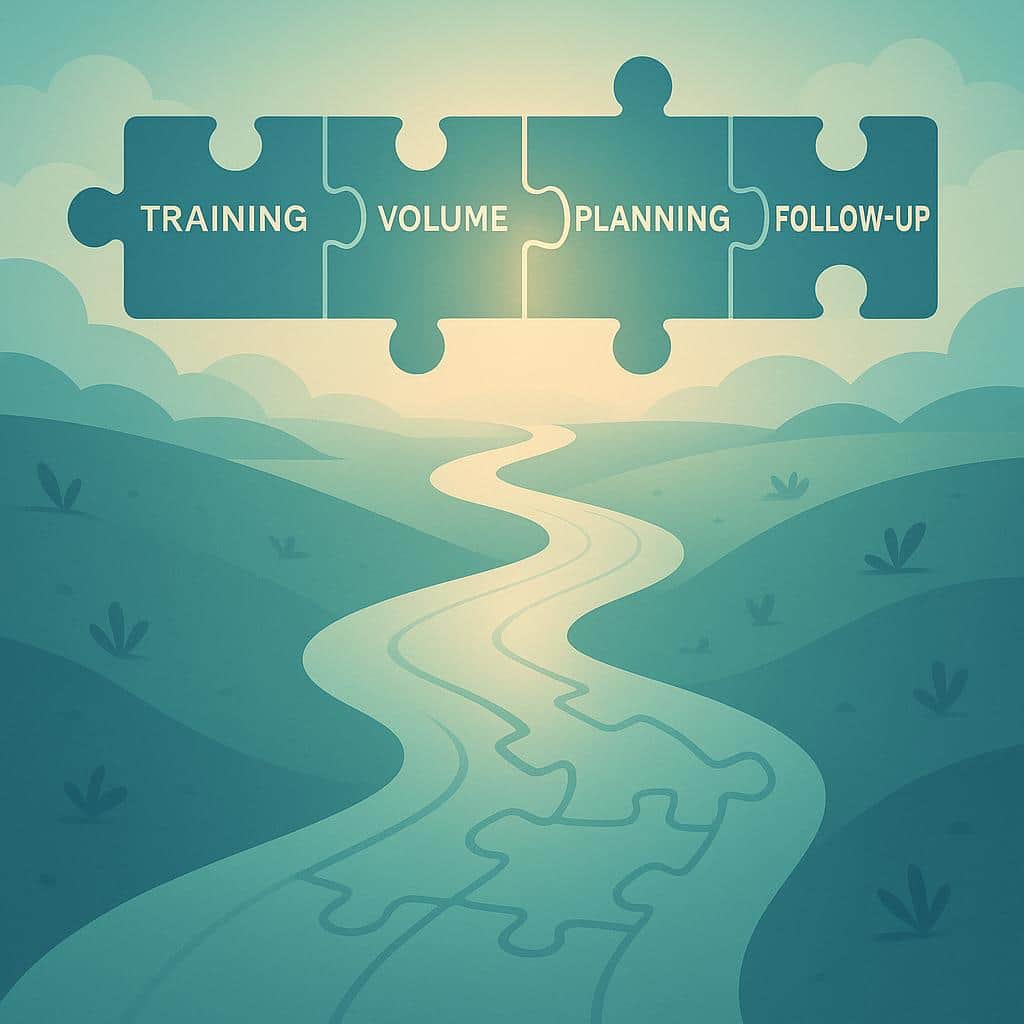
Find the right surgeon for endometriosis or adenomyosis using next-level information. Make informed decisions for best outcomes and peace of mind.
Systemic causes of pain after successful endometriosis surgery. Neuro-immune dysautonomia and other factors affecting recovery.
Lotus Endometriosis Institute provides California-based surgical evaluation and advanced excision care for patients with suspected endometriosis, adenomyosis, complex pelvic pain, and related conditions.
Many patients contact us from outside California to learn whether traveling for in-person evaluation and possible surgery may be appropriate.
2121 Santa Monica Blvd, Santa Monica, CA 90404
8am - 5pm
Monday - Friday
154 Traffic Way, Arroyo Grande, CA 93420