

Endometriosis After Menopause: What You Need to Know
When endometriosis doesn’t fade with menopause—and how to advocate for care

Living with endometriosis is difficult at any age—but if you’re approaching or have already reached menopause, you may be shocked to find your symptoms persisting, changing, or even showing up for the first time. For years, you may have heard that endometriosis would "burn out" after menopause. Unfortunately, that’s not always true, and persistent pain, digestive troubles, or pelvic discomfort can still haunt women well into their fifties and beyond.
The reality is that endometriosis can stay active or even begin after menopause. The symptoms aren’t always obvious, and the way most doctors understand, screen and treat endometriosis in older women brings new challenges. Recent research is shining more light on what you can expect—and how you can get the care you deserve.
Endometriosis Isn’t Just a Young Woman’s Disease
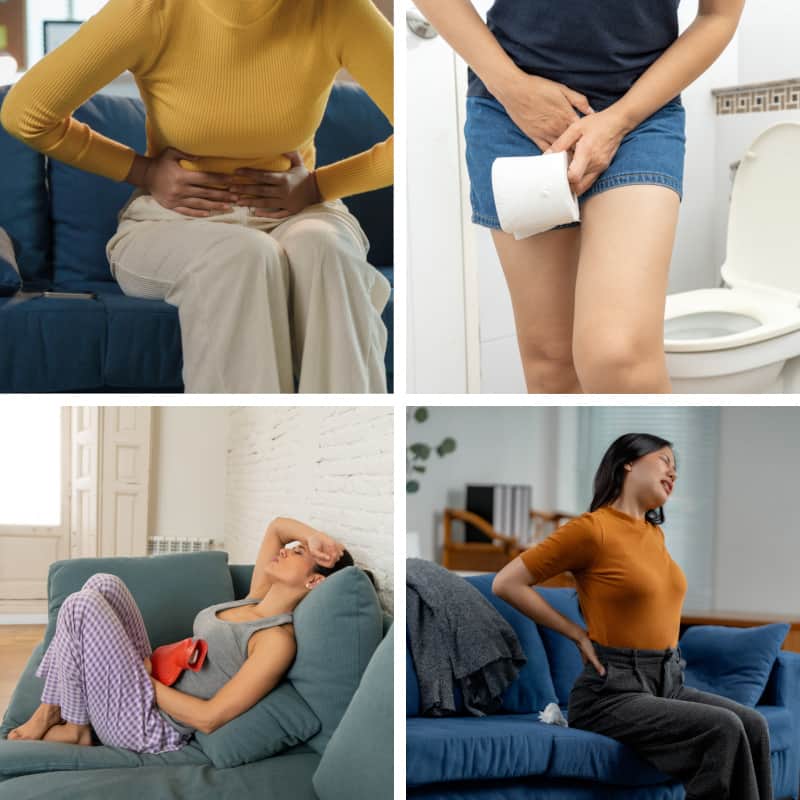
Many people (including most doctors) still believe endometriosis only affects younger women who menstruate. This assumption is not only outdated, it can delay getting diagnosed and treated. If you’re peri-menopausal (around the time your period starts to change or stop) or post-menopausal and you’re experiencing pain, bloating, urinary or bowel symptoms, or even unexplained bleeding, these could still be signs of endometriosis—even if your cycle ended long ago.
Endometriosis can:
- Persist after menopause, even if it was diagnosed years earlier
- First appear during peri-menopause or even after periods have stopped (though this is less common)
- Be influenced by hormonal replacement therapy AND can even make its own estrogen locally near the lesions.
The upshot: If you have a history of endometriosis, or unexplained pelvic pain as you age, don’t assume it’s impossible—it could still be endometriosis.
How Symptoms Change With Age
Unlike pre-menopausal women, you may not notice the classic "cyclical" pain tied to your period. Instead, the symptoms in peri- and post-menopausal women are often more vague and misleading:
- Ongoing pelvic pain (not tied to menstruation)
- Bloating or changes in bowel habits
- Pressure or discomfort during intercourse
- Painful urination or urinary urgency
- Sometimes, bleeding after menopause
These symptoms can mimic irritable bowel syndrome, bladder problems, or even gynecologic cancers. That’s why it’s so important to mention your history of endometriosis and keep pushing for answers if the cause of your pain isn’t clear.
Do Hormone Therapies Make Endometriosis Worse After Menopause?
Hormone replacement therapy (HRT) can be a lifeline for some women struggling with hot flashes, night sweats, or vaginal dryness after menopause. However, if you have a history of endometriosis, you need to have a careful discussion with your doctor about risks and benefits.
Here’s what the evidence says:
- Estrogen, even in small amounts, can sometimes "wake up" dormant endometriosis tissue. This means pain can return, old lesions can get worse, or (rarely) new ones can appear.
- There is also a small increased risk that endometriosis tissue could develop into cancer after many years of estrogen exposure—especially if you have a long history of severe disease.
- Using a combination of estrogen and a progestogen (HRT), or opting for non-hormonal treatments, may help balance these risks.
- Using estrogen alone (ERT) can increase the risk of uterine cancer if a hysterectomy has not been performed at some point.
- Using estrogen alone (ERT) does not increase risk of breast cancer in most cases but using HRT (especially with a synthetic progestogen) can.
The decision to use HRT or ERT is deeply personal and is not straightforward. If you’re considering it, or are already using it, make sure your doctor knows about your endometriosis history so you can be started on the best option (ERT vs HRT and synthetic vs bio-identical compounded) and monitored more closely for any signs of trouble.
Don't Let Symptoms Go Unchecked
Our specialists are here to help you understand your condition and explore your treatment options.
Book Your ConsultationWhat Does Treatment and Follow-Up Look Like?
Treatment for endometriosis in your later years is all about individualizing your care. There’s no one-size-fits-all approach. Depending on your symptoms, your history, and whether you’re taking hormones, options may include:
- Pain management: This could involve medications, pelvic floor therapy, or sometimes surgery if big endometriosis cysts or masses are causing trouble.
- Hormone choices: If you need HRT, your provider should talk to you about types, doses, and whether to use estrogen alone or combined with a progestogen (natural or synthetic).
- Regular check-ups: You may need ultrasounds or pelvic exams every year or so, especially if you have symptoms or take HRT.
Be aware that some symptoms—like sudden increases in pain, or bleeding after menopause—should always be checked out promptly to rule out more serious problems.
Practical Takeaways
Bringing up endometriosis after menopause can feel frustrating, especially if your symptoms are being dismissed. Here’s how you can take charge of your health:
Questions to ask your doctor:
- Could my symptoms still be due to endometriosis, even after menopause?
- Is HRT or ERT safe for me, and how will we monitor for possible problems?
- Should I have imaging (like ultrasound or MRI) or other follow-up for pelvic symptoms?
- What warning signs should I watch for that mean I need urgent care?
- Are there non-hormonal alternatives to manage my menopause symptoms? (spoiler alert = yes there are)
What to watch for: Any new or worsening pelvic pain, abdominal or vaginal bleeding, bloating, or changes in bowel/bladder habits.
Timeline: If you start or change HRT or ERT, expect any effects on endometriosis to show up within a few months. Ongoing check-ups—even years after menopause—are smart if you have a history of the disease.
Reality Check: What We Still Don’t Know
Endometriosis after menopause is less common, and many doctors are still catching up with the latest evidence. While there is a risk that estrogen exposure could reactivate endometriosis or very rarely lead to cancer, this doesn’t mean everyone is at high risk. Your own history, symptom pattern, and hormone use all matter.
You and your doctor will need to balance relief of menopause symptoms with the potential for reactivating endometriosis—there’s no universal rule. And if you’ve had surgery to remove your uterus and ovaries in the past, your risks and options may look different still.
If your current provider brushes off your pain or ignores your history, it may be worth seeking out an endometriosis expert who is familiar with endometriosis in older women.
Endometriosis is a lifelong condition for many, and you deserve attentive, knowledgeable care no matter your age.
References
Raheem A, Condous G, Espada Vaquero M. Endometriosis During Peri-Menopause and Post-Menopause: A Review of the Literature. Journal of Clinical Medicine. 2025. DOI: 10.3390/jcm14228067
Quick Answers
Why does ovarian cyst pain keep coming back?
Ovarian cyst pain can feel recurrent for a few different reasons. Some cysts are functional: they form with ovulation and then resolve, so the pain returns in a similar spot month after month even though it’s not the exact same cyst. In other cases, the cyst itself can come back or persist, especially if it’s an endometrioma (an ovarian cyst caused by endometriosis), which can behave differently than a simple cyst and may be associated with deeper pelvic disease.
Another common reason is that the cyst isn’t the whole story: endometriosis on the pelvic sidewall, uterosacral ligaments, bowel, bladder, or around the ovary can irritate the same nerves and tissues. This can make it feel like the cyst is back when the pain is actually driven by inflammatory disease nearby. Adhesions (scar-like bands) can also tether the ovary and cause recurring pulling or sharp pain, even when imaging doesn’t show a large cyst. If your pain cycles, escalates, returns quickly after a normal ultrasound, or keeps recurring despite prior treatment, our team can help you map the pattern, interpret imaging with an endometriosis lens, and decide whether targeted evaluation and, when appropriate, excision surgery is the next best step.
Why do I have chronic fatigue and pelvic pain?
Chronic fatigue and pelvic pain often feel unexplainable because they’re rarely caused by just one issue, and many of the most common drivers don’t show up on routine labs or a quick ultrasound. Endometriosis and adenomyosis can cause persistent pelvic pain, painful periods, bowel and bladder symptoms, and deep fatigue through inflammation, disrupted sleep, heavy bleeding (and possible iron deficiency), and the sheer energy cost of living with ongoing pain. It’s also common for more than one gynecologic condition to coexist, including fibroids, polyps, or benign cysts, so a single label may not fully capture what you’re experiencing.
Another reason symptoms can persist is that the nervous system can become more pain-sensitive over time, often called central sensitization. This means pain can spread, linger outside your cycle, or feel disproportionate to what imaging shows. In those cases, symptom relief alone can miss the bigger picture: we think in terms of both treating disease (for example, addressing endometriosis lesions or uterine drivers like adenomyosis or fibroids) and building a personalized pain-management plan so your body can turn down the volume on pain signals.
If your fatigue and pelvic pain have been brushed off or left without a clear plan, our team can help you sort through the likely contributors, including endometriosis, adenomyosis, and common coexisting conditions, and map out next steps that fit your goals. You can explore our educational resources on fatigue, chronic pelvic pain, and comprehensive treatment approaches, and reach out to schedule a consultation when you’re ready.
Why does sex hurt more around my period?
Pain with sex that flares around your period often points to a hormonally driven source of pelvic pain. This means tissue and nerves in the pelvis become more inflamed and reactive in the days leading up to bleeding and during menstruation. Endometriosis is a common reason: lesions can irritate nearby nerves and organs, and the inflammatory chemicals they produce can amplify pain signals. Adenomyosis (endometrial-like tissue within the uterine muscle) can also make the uterus unusually tender and crampy, so penetration, orgasm-related uterine contractions, or even pelvic pressure can feel painful around that time.
Where and when you feel pain matter. Deep pain with penetration can be related to endometriosis near the uterosacral ligaments, cervix/vaginal fornix, rectovaginal space, bowel, or bladder, especially if scarring or adhesions have changed how those structures move. Pain after sex or after orgasm can happen when pelvic floor muscles spasm or when uterine contractions tug on sensitized areas. If this pattern keeps recurring, our team can help map your symptom timing and triggers and evaluate for endometriosis, adenomyosis, pelvic floor dysfunction, and overlapping bladder/bowel involvement so treatment targets the source of your pain rather than just masking it.
Why is my period pain so severe it disrupts my daily life?
Severe, life-disrupting period pain isn’t normal cramps, and it often points to an underlying cause that deserves a real explanation, rather than symptom masking. One common cause is endometriosis, where tissue similar to the uterine lining grows outside the uterus and can irritate pelvic structures, trigger inflammatory chemicals, and sometimes involve organs like the bowel or bladder. Pain severity doesn’t reliably match stage, so someone can have intense pain even if imaging looks normal or disease appears limited.
When period pain is severe, worsens over time, starts years after your first period, or comes with heavy bleeding, painful sex, bowel pain with periods, urinary pain, or fatigue, we look for patterns because endometriosis and related conditions can overlap with pelvic floor dysfunction, nerve pain/central sensitization, GI dysbiosis, vascular issues, or adenomyosis. We take your full timeline and flare pattern seriously, then tailor the evaluation with a careful exam and expertly interpreted imaging when helpful. If your pain is disrupting school, work, relationships, or daily functioning, reach out to schedule a consultation. Our team can help you identify what’s driving it and map out a plan aimed at lasting relief.
Is uterine artery embolization (UAE) right for adenomyosis?
Uterine artery embolization (UAE), sometimes called adenomyosis embolization, can be a good fit when your main goal is symptom relief while preserving the uterus, especially if heavy bleeding and uterine bulk symptoms are a big part of your day-to-day life. It’s a radiology procedure that reduces blood flow to targeted uterine tissue to shrink or calm adenomyosis-related changes. Many patients report meaningful improvement in quality of life after UAE, and recovery is typically shorter than with major surgery.
Whether it’s right for you depends on what you’re trying to address (bleeding, pain, fertility, or all three) and whether adenomyosis is the primary cause of your symptoms or endometriosis is also part of the picture. In head-to-head research involving people with MRI-confirmed, therapy-resistant adenomyosis who were eligible for hysterectomy and not trying to conceive, both UAE and hysterectomy improved quality of life at 1 year, but hysterectomy tended to have an advantage for pain relief and satisfaction. If you want the most definitive option for uterus-driven symptoms, hysterectomy is the clearest treatment for removing the source, while UAE is better viewed as a uterus-preserving option that may help substantially but isn’t guaranteed to be as durable.
If you’re weighing UAE, our team can help you clarify your diagnosis (including whether endometriosis may be contributing), review your imaging and goals, and work out a plan that matches the level of relief you need, now and long-term. Explore our adenomyosis care resources, and reach out to schedule a consultation if you want personalized guidance for your decision.