
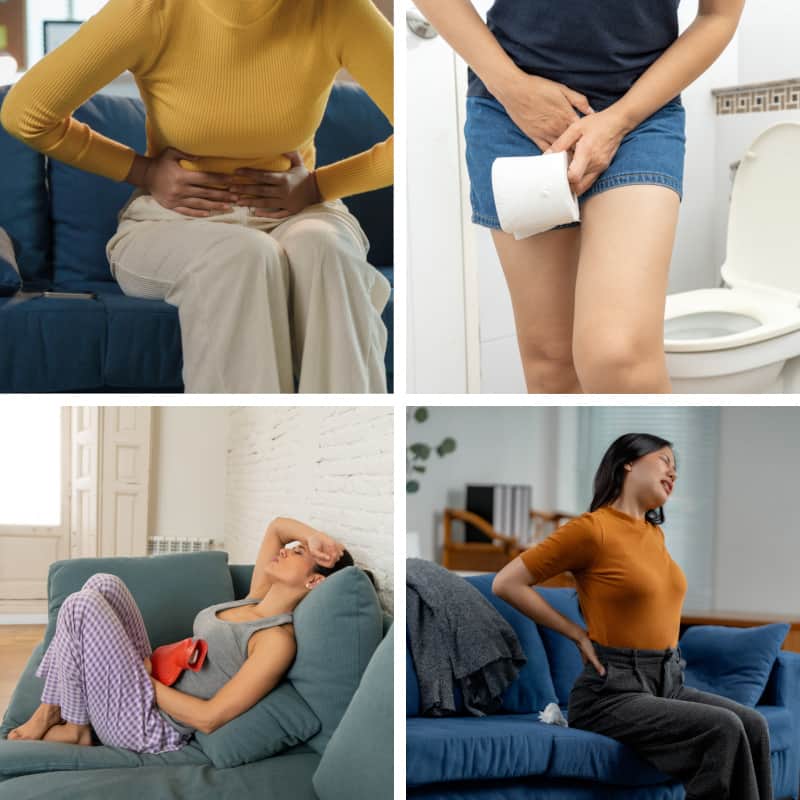

Pelvic Floor Physical Therapy After Endometriosis Surgery: When It Helps
Discover how pelvic floor physical therapy aids recovery after endometriosis surgery, addressing lingering symptoms and improving pelvic health.
9 minute read
Read moreDiscover how Lotus can guide you toward lasting relief.
Explore why patients choose Lotus
Search expert-written answers, browse by topic, or find information based on where you are in your journey.
Explore All KnowledgeReach out and start your healing journey.
Schedule an AppointmentExplore how pelvic floor physical therapy eases endometriosis-related pelvic, bladder/bowel, and sex pain—including post‑orgasm pain—with evidence-based techniques, at‑home strategies, and guidance on when to see a specialist.
Pelvic floor physical therapy targets the muscles and nerves that often become tight, tender, and over‑reactive in people with endometriosis or adenomyosis. Recurrent pelvic pain, heavy periods, and bowel or bladder flares can lead to guarding and trigger points that perpetuate pain with sex, bowel movements, urination, and even post‑orgasm. Skilled therapists use gentle manual release, down‑training, breathwork, biofeedback, and graded exposure to restore coordination and reduce sensitivity. The goal is not to strengthen a tight floor but to normalize tone, improve blood flow, and calm pain pathways.
Care is individualized and trauma‑informed. Sessions may include external and, with consent, internal assessment; home practice with relaxation, stretches, or dilators; and coaching on bladder and bowel habits. Treatment complements medical care—it doesn’t remove endometriosis lesions or replace surgery—yet it can meaningfully lessen daily pain and improve sexual comfort and function. For adjacent concerns, see muscle‑focused education in Pelvic Floor Dysfunction, bladder‑focused care in Interstitial Cystitis, gut strategies in IBS / IBD and Gut Health, self‑care ideas in At-Home Remedies, and nerve‑focused options in Nerve Pain.
Most patients don’t feel a dramatic change after one visit: the benefits of pelvic floor therapy for endometriosis tend to build over time. When pelvic floor overactivity, protective muscle guarding, and nerve sensitization are driving symptoms, early sessions often focus on assessment, calming pain signaling, and learning strategies your body can tolerate. Many people notice the first meaningful changes over several weeks as muscles start to relax and coordination improves, especially in pain with sex, bladder/bowel symptoms, and daily pelvic tension.
How long it takes overall depends on what’s keeping your pain going: active disease, adhesions, central sensitization, posture and movement compensations, or a mix. If endometriosis lesions are still a major source of pain, therapy can still help reduce pelvic floor spasm and improve function, but it may work best as part of a broader plan that also addresses the disease itself. In our practice, we often use pelvic floor therapy as a complement before and/or after excision (when indicated) to support recovery, improve comfort with exams or intimacy, and reduce the odds that muscle and nerve patterns keep pain going. If you’d like, our team can help you figure out whether pelvic floor dysfunction is a key driver of your symptoms and what a realistic therapy timeline could look like for you.
Yes, sexual pain (dyspareunia) from endometriosis can improve, and for many patients it improves meaningfully when we treat the underlying disease rather than only masking symptoms. Painful sex is often driven by deep lesions and adhesions that cause mechanical pain with penetration, especially when disease involves the uterosacral ligaments, rectovaginal space, bowel, or bladder. When those sources of pain are thoroughly excised, the trigger for intercourse pain is often reduced, and many people notice gradual improvement over the months after surgery as healing progresses.
That said, painful sex doesn’t always disappear immediately, even after excellent excision, because pain can become ingrained over time through pelvic floor muscle guarding, nerve sensitization, and central sensitization. This is why we often pair disease-directed treatment with a broader plan that addresses the pelvic floor and nervous system, so your body can relearn safety and comfort with touch and penetration. If sex has become something you dread, reach out to schedule a consultation with our team: we’ll help you sort out what’s likely driving your pain and what a realistic path to improvement looks like in your case.
When you can’t take NSAIDs, it often highlights an important point about endometriosis care: anti-inflammatories may blunt symptoms, but they don’t treat the disease itself. Without NSAIDs, some people notice that flares feel more intense or last longer, especially if pain has become wired in over time through nervous system sensitization (meaning the body learns to amplify pain signals). That doesn’t mean you’re out of options; it means we need a more structured plan than a single medication.
In our practice, we typically think in layers: addressing pain drivers (inflammatory, hormonal, nerve-related, and musculoskeletal) while evaluating whether endometriosis or adenomyosis itself needs definitive treatment. Non-medication tools can play a bigger role here, especially pelvic floor therapy for muscle guarding and pelvic nerve irritation, and nervous-system-focused strategies that reduce pain amplification over time. If symptoms are escalating or you’re relying on workarounds because NSAIDs aren’t safe for you, it’s often worth stepping back and building a comprehensive plan with our team, including discussion of excision surgery when indicated and coordinated support to improve day-to-day function.
Yes, pelvic floor therapy can play a meaningful role in endometriosis pain relief, especially when pelvic muscle tension, myofascial restriction, and sensitized nerves are keeping pain going. Many people with endometriosis develop an overactive (tight or guarding) pelvic floor over time, which can contribute to chronic pelvic pain, pain with sex, and bowel or bladder symptoms even when the underlying disease is being treated.
Pelvic floor therapy goes beyond Kegels. In endometriosis care, it often focuses on down-training overactive muscles, restoring coordination with breathing and movement, improving posture and hip/core mechanics, and using hands-on techniques to calm protective tissue patterns. Because persistent pain can also change how the nervous system processes signals, therapy may include strategies to reduce pain amplification and improve tolerance to daily activity.
We often recommend pelvic floor therapy as a complement to excision surgery and/or medical management, not a replacement, because it addresses pain drivers that medication and surgery don’t fully resolve. If your symptoms include dyspareunia, urinary urgency/frequency, painful bowel movements, tailbone/hip/low back pain, or lingering pelvic pain after treatment, our team can help you figure out whether pelvic floor dysfunction may be contributing and how to integrate therapy into a plan that fits your goals.
Yes, pelvic floor dysfunction can begin or become more noticeable after laparoscopy. Even when surgery is technically successful, the pelvic floor may stay in a protective guarding pattern (tight, shortened, overactive muscles) if it spent months or years bracing against pelvic pain. Surgery and healing can also temporarily change how you move, breathe, and hold tension in your core and hips, which can reinforce pelvic floor overactivity.
When this happens, symptoms often feel less like a single spot of pain and more like a pattern: pain with intercourse, pelvic pressure, urinary urgency, frequency, or burning, pain with bowel movements, tailbone, hip, or low back pain, or a sense that the pelvis is always clenched. This doesn’t automatically mean endometriosis has returned: muscle tension, scar and connective tissue restriction, and a sensitized nervous system can all drive pain on their own or alongside residual disease.
If your symptoms started or flared after surgery, our team can help sort out whether pelvic floor dysfunction and myofascial pain are contributing and what next steps make sense. Many patients benefit from pelvic floor therapy focused on relaxation and lengthening, scar and connective tissue mobility, restoring coordination with breathing and movement, and calming pain amplification, rather than simply strengthening. If you’d like, reach out to schedule a consultation so we can tailor a plan to your specific symptoms and surgical history.
Yes. Pelvic floor dysfunction, especially an overactive or guarding pelvic floor, can contribute to clitoral pain by increasing muscle tension and irritating or sensitizing nearby nerves that supply sensation to the vulva and clitoris. When the pelvic floor stays tight, normal touch, arousal, or even pressure from clothing can feel amplified or burning, and symptoms may flare alongside urinary urgency, bowel symptoms, or pain with sex.
This can be particularly relevant in endometriosis and adenomyosis, where ongoing pelvic pain can lead to protective muscle patterns and a sensitized nervous system that keeps pain signals turned up even when there isn’t an obvious external trigger. In that situation, clitoral pain may be part of a broader pelvic pain pattern rather than a problem isolated to the clitoris itself.
A focused evaluation helps us sort out whether your symptoms fit pelvic floor muscle hypertonicity and nerve sensitization, or whether we should look more closely for other contributors (including endometriosis-related pain drivers). If this is what you’re experiencing, our team can help build a plan that may include pelvic floor therapy aimed at relaxation, coordination, and calming pain processing, rather than strengthening alone.
Recovery after a hysterectomy for adenomyosis is usually gradual: the first few days focus on controlling pain, getting your bowel and bladder function back to normal, and slowly increasing walking and basic activity. Over the next several weeks, most patients notice a steady reduction in the heavy bleeding and cramping or pressure driven by the uterus that adenomyosis can cause. But fatigue and pelvic soreness can linger longer than people expect, especially if your uterus was enlarged or the surgery was more complex.
How recovery feels also depends on the surgical approach (minimally invasive versus abdominal), whether the cervix and/or ovaries are removed, and whether we treat coexisting endometriosis at the same time. That last point matters: a hysterectomy is the most definitive option for adenomyosis inside the uterine muscle, but it does not treat endometriosis outside the uterus, so symptom improvement is best when the full picture is addressed.
If you’re planning work, travel, exercise, sex, or caregiving responsibilities, our team can walk you through what to expect in your specific situation and how we structure postoperative support, especially for patients coming from out of town. You can also explore our educational resources and reach out to schedule a consultation so we can review your records and give you a realistic recovery plan.
Deep pain with sex in endometriosis is often driven by more than the lesions themselves. It can also come from adhesions that restrict organ movement, inflammation around sensitive pelvic nerves, and a pelvic floor that stays guarded and overactive. That’s why the pain may feel sharp or crampy, or like you’ve hit a wall, and why it can linger after sex or orgasm.
One of the most effective, targeted ways to reduce deep dyspareunia is pelvic floor therapy focused on down-training (relaxation/lengthening), manual work for myofascial restriction and scar tissue sensitivity, and retraining the pelvic floor to coordinate with breathing and movement. When the nervous system has been on high alert for a long time, therapy can also help reduce pain amplification so penetration and orgasm are less likely to trigger a flare.
If deep penetration pain is persistent, we also look for mechanical sources of pain, deep infiltrating disease, fibrosis, and adhesions (for example, in the uterosacral ligaments or rectovaginal space), because excision surgery and adhesion release can be key to restoring normal anatomy and reducing provoked pain. If you’re dealing with deep pain during sex, explore our education on pelvic floor dysfunction and pain sensitization, and reach out to schedule a consultation so we can help you map out what’s driving your pain and which options are most likely to help.
Discover how pelvic floor physical therapy aids recovery after endometriosis surgery, addressing lingering symptoms and improving pelvic health.
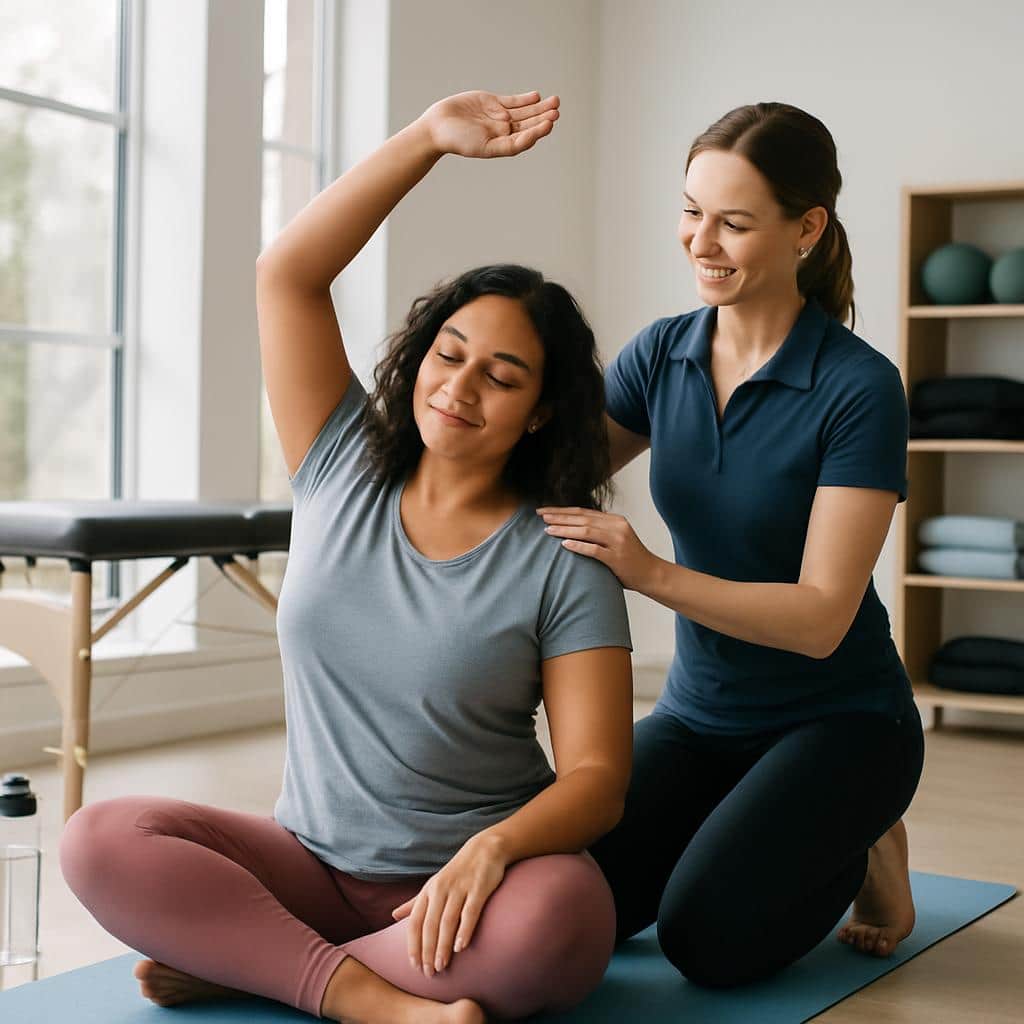
Discover how physical therapy can alleviate endometriosis pain, improve quality of life, and support pain management strategies.
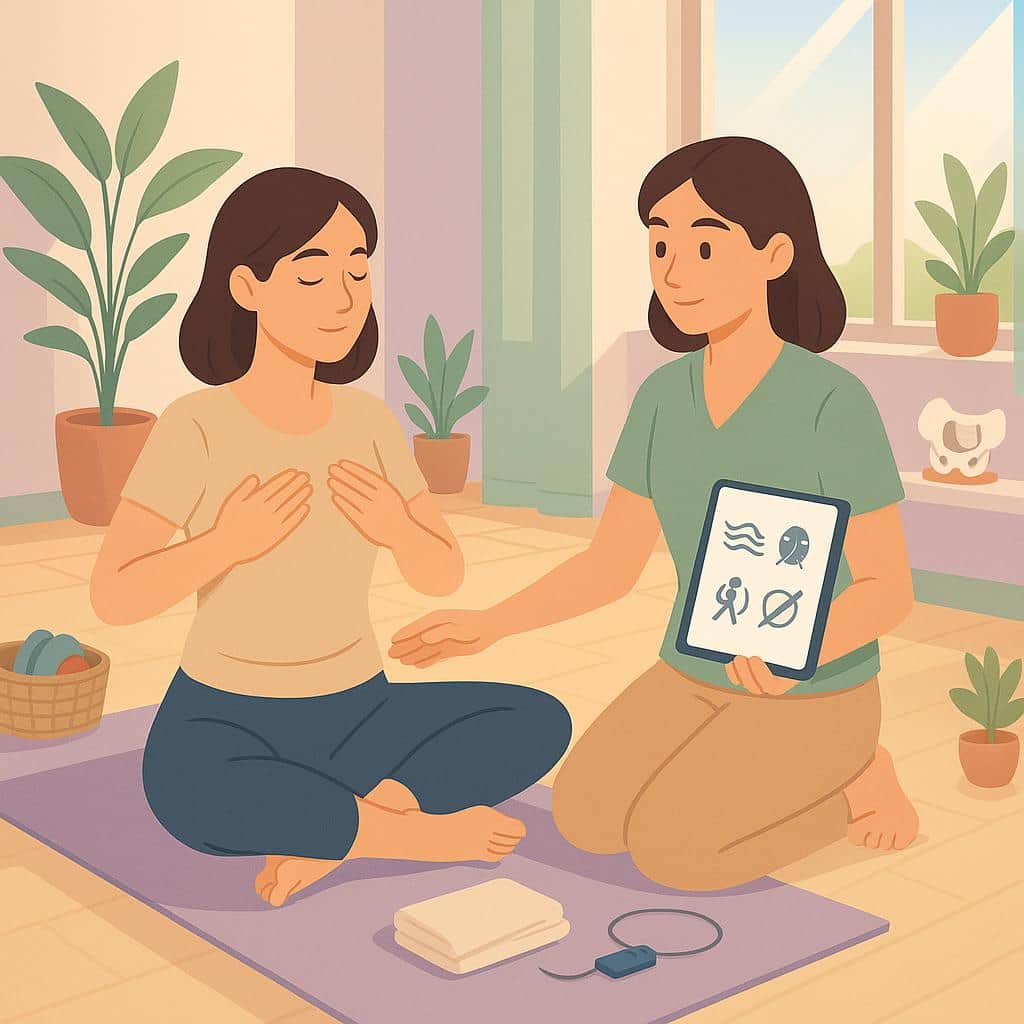
How pelvic rehab and pelvic floor PT can help endometriosis and adenomyosis pain. What it treats best, who benefits, timelines, red flags, and questions to ask.
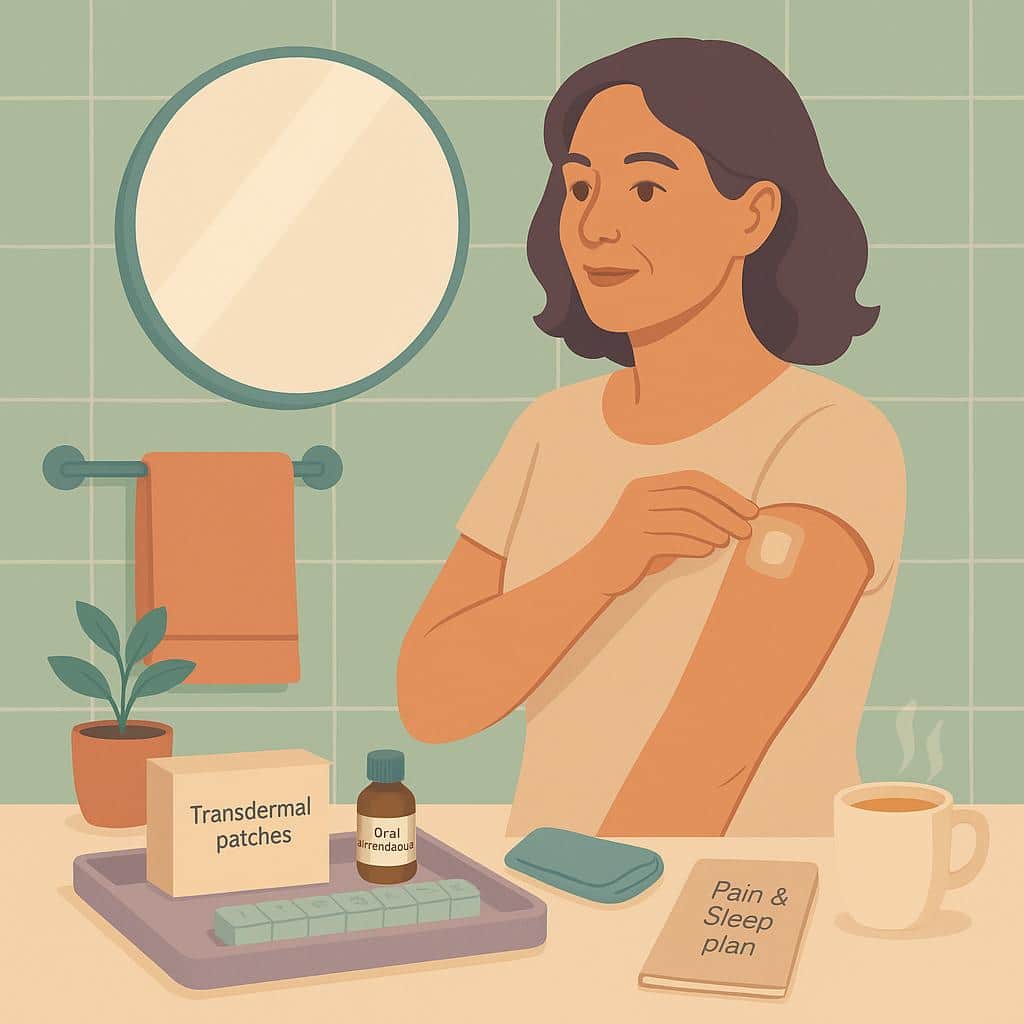
Expert guidance for endometriosis in menopause: HRT options, safe pain relievers, stress reduction, exercise, pelvic floor therapy, and when to seek care.
Explore types of endometriosis pain, evaluation, and evidence-based treatments, including triggers, pelvic floor therapy, CNS sensitization, and adenomyosis.
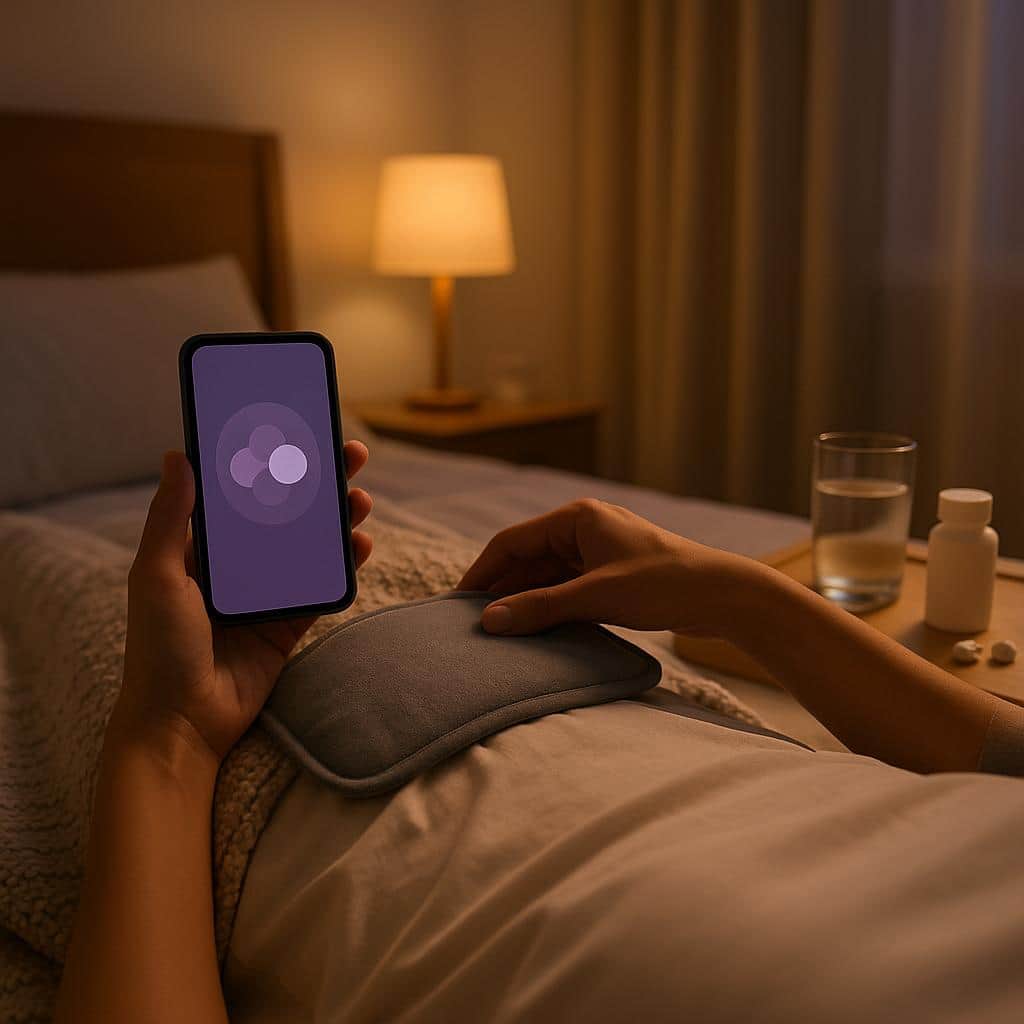
Why orgasms can trigger endometriosis pain: how to ease post-sex discomfort. Causes, symptoms, meds, pelvic floor therapy, surgical options, and sex tips.
Lotus Endometriosis Institute provides California-based surgical evaluation and advanced excision care for patients with suspected endometriosis, adenomyosis, complex pelvic pain, and related conditions.
Many patients contact us from outside California to learn whether traveling for in-person evaluation and possible surgery may be appropriate.
2121 Santa Monica Blvd, Santa Monica, CA 90404
8am - 5pm
Monday - Friday
154 Traffic Way, Arroyo Grande, CA 93420