

Post-Orgasm Pain in Endometriosis: Causes and Management
Causes, treatments, and practical strategies to make intimacy more comfortable.
Understanding Endometriosis Pain After Orgasm: Causes, Treatments, and Management Tips
Endometriosis is a chronic condition in which tissue similar to the internal uterine lining grows outside the uterus, often causing severe pelvic pain. This discomfort can stem from direct nerve stimulation, inflammation, and sensitization and hyperactivity within the central nervous system. One significant, yet frequently overlooked, aspect of endometriosis pain is the discomfort that occurs after orgasm. Below is a clear explanation of why this happens, along with treatment options and practical strategies for managing pain after sexual intercourse in people with endometriosis.
Why Pain Can Occur After Orgasm
Pain after orgasm in endometriosis can arise from several mechanisms acting alone or together. Pelvic floor muscle contractions, which normally occur during orgasm, may intensify discomfort because the pelvic region affected by endometriosis becomes hypersensitive; this phenomenon has been described in the clinical literature (Falcone & Flyckt, 2018). Adhesions and scar tissue can develop as a result of endometriosis, causing organs to stick together—such as the rectum adhering to the upper vagina and cervix—and this can lead to pain both during and after deep penetration. Inflammatory substances released by endometriosis lesions can amplify molecular neuro-signaling, which may increase pain after sex. Uterine contractions triggered by orgasm can provoke pain, particularly when lesions are present on or around the uterus. A retroverted or tilted uterus, which is common in endometriosis, may also contribute to discomfort during and after intercourse.
What the Pain Feels Like
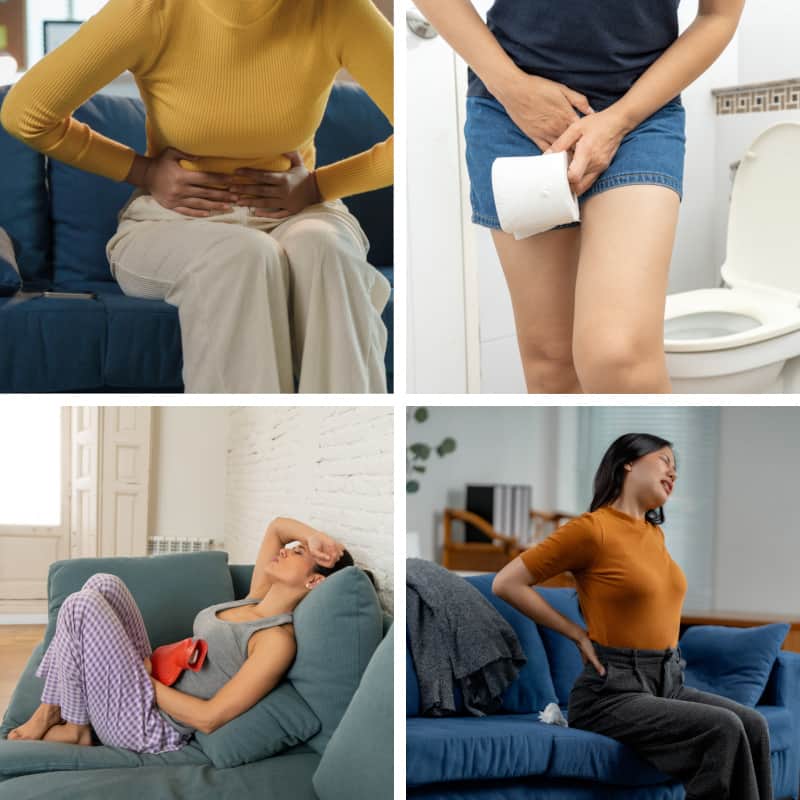
People often report abdominal pain that is sharp or cramping and becomes worse with deep penetration. Pain linked to deep penetration can be aggravated by certain sexual positions. Vaginal dryness can introduce friction that leads to pain, although it may not be directly related to endometriosis.
Treatment and Management
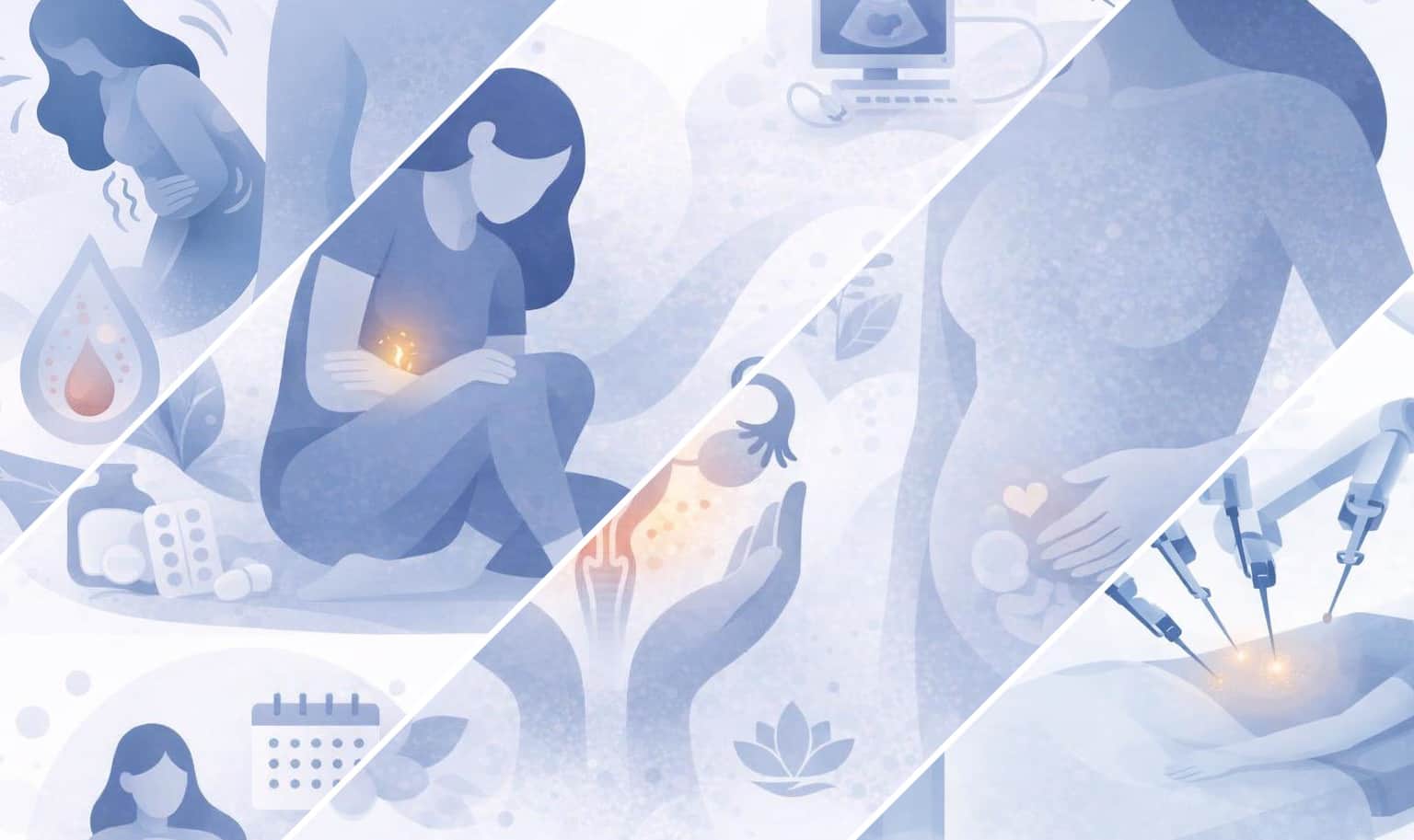
Pain relief strategies can be tailored to the individual and may combine medication, procedural options, physical therapies, and integrative approaches. Nonsteroidal anti-inflammatory drugs such as ibuprofen can reduce inflammation and provide relief both before and after intercourse. Hormonal treatments, including birth control pills or GnRH agonists, may help regulate estrogen levels and potentially slow the growth of endometriosis tissue, which can reduce associated pain; however, these therapies can cause other symptoms—some potentially long-lasting and affecting overall health—so decisions should be made with expert guidance.
Surgical therapy is often a cornerstone when endometriosis is suspected or diagnosed. Excision of endometriosis and endometriosis-related scarring or fibrosis, along with the clearing of adhesions that cause organs like the uterus and rectum to stick together, can remove inflammatory stimuli that drive pain. This type of surgery also restores normal anatomy and the proper relationships between the uterus, vagina, rectum, and bladder.
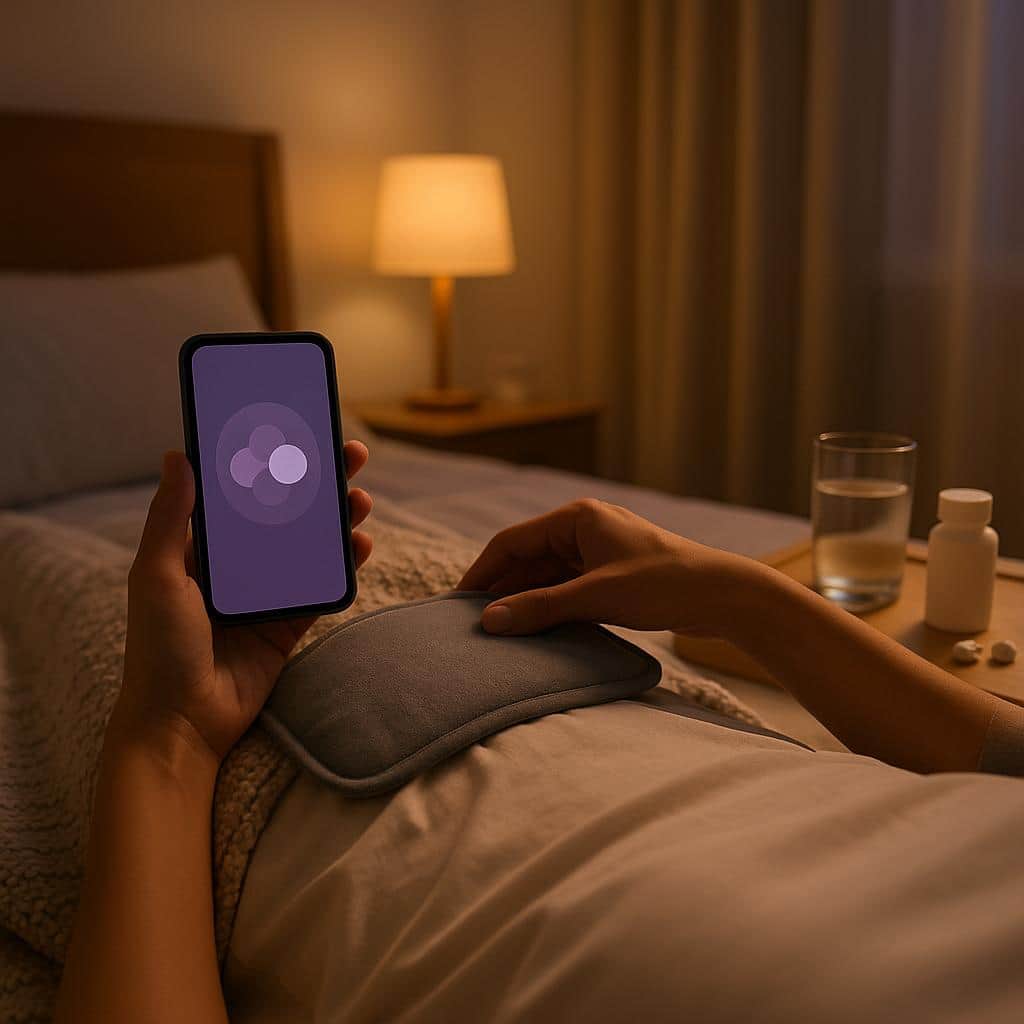
Physical therapies play an important role as well. Pelvic floor physical therapy can help strengthen and relax pelvic muscles to reduce spasms and pain, and in some cases may be combined with vaginal diazepam. Applying heat to the lower abdomen can soothe cramping and discomfort. Transcutaneous electrical nerve stimulation (TENS), along with related modalities including implantable units, can be a relatively inexpensive way to help reduce pelvic floor dysfunction when delivered with precise applicators.
Lifestyle and integrative approaches can support symptom management. An anti-inflammatory diet rich in omega-3 fatty acids and antioxidants and low in processed foods may help control symptoms. Stress reduction techniques such as yoga, meditation, and acupuncture can lower overall stress and pain levels; when performed by skilled practitioners, acupuncture can relax the pelvic floor and enhance local blood flow. Red light therapy has been reported to reduce inflammation and promote healing, and it may help alleviate post-orgasm pain (Hamblin, 2017).
Open communication and thoughtful sexual practices can further reduce discomfort. Using lubricants can address vaginal dryness and decrease friction. Discussing pain and preferences with a partner helps tailor sexual activity to limit symptoms, and experimenting with positions that avoid deep penetration can minimize pain.
Other gynecologic issues—including ovarian cysts, uterine fibroids, and a tilted uterus—may also contribute to pelvic pain during sexual activity. A comprehensive evaluation by a gynecologist who specializes in pelvic pain, and the involvement of an endometriosis specialist when endometriosis is suspected or confirmed, is essential to rule out overlapping conditions and individualize treatment.
With the right combination of therapies and management strategies, pain after orgasm and pain with intercourse related to endometriosis can be significantly improved or even eliminated. Seeking an opinion from an expert in endometriosis surgical excision can be a prudent step in complex or persistent cases.
Stop Post-Orgasm Pain Now
Our specialists are here to help you understand your condition and explore your treatment options.
Book Your ConsultQuick Reference: Causes of Pain After Orgasm
- Pelvic floor spasms due to hypersensitivity in endometriosis (Falcone & Flyckt, 2018)
- Adhesions and scar tissue causing organs to stick together (e.g., rectum to the upper vagina and cervix), leading to pain during and after deep penetration
- Inflammation from endometriosis lesions that heightens molecular neuro-signaling and increases post-sex pain
- Uterine contractions during orgasm, especially when lesions are on or around the uterus
- Retroverted or tilted uterus contributing to pain during and after intercourse
Quick Reference: Common Symptoms After Orgasm
- Abdominal pain that is sharp or cramping and worsened by deep penetration
- Pain with deep penetration aggravated by certain sexual positions
- Vaginal dryness causing friction and pain (which may not be directly related to endometriosis)
Quick Reference: Treatment and Management Options
Pain relief and medication
- Nonsteroidal anti-inflammatory drugs (e.g., ibuprofen) for inflammation and pain before and after intercourse
- Hormonal treatments (birth control pills, GnRH agonists) to manage estrogen levels and potentially slow tissue growth; these can have side effects, sometimes long-lasting, and require expert guidance
Surgical therapy
- Excision of endometriosis and related scarring or fibrosis, and clearing adhesions to restore normal anatomy and remove inflammatory stimuli
Physical therapies
- Pelvic floor physical therapy, potentially combined with vaginal diazepam
- Heat therapy applied to the lower abdomen
- TENS and related modalities, including implantable units, to reduce pelvic floor dysfunction with targeted applicators
Lifestyle and integrative approaches
- Anti-inflammatory diet with omega-3 fatty acids and antioxidants; minimal processed foods
- Stress management through yoga, meditation, and acupuncture
- Acupuncture to relax the pelvic floor and stimulate blood flow when performed by experts
- Red light therapy to reduce inflammation and support healing (Hamblin, 2017)
Sexual health strategies
- Use of lubricants to reduce friction
- Open communication with a partner to adapt sexual activity
- Exploring positions that avoid deep penetration
When to Seek Expert Care
- Coexisting conditions such as ovarian cysts, uterine fibroids, and a tilted uterus may contribute to pain during sexual activity.
- A specialist evaluation—particularly by a gynecologist experienced in pelvic pain and an endometriosis specialist—is crucial for accurate diagnosis and tailored treatment.
- Considering consultation with an expert in endometriosis surgical excision can be especially valuable for persistent or complex symptoms.
References
Falcone T, Flyckt R. Clinical Management of Endometriosis. Obstet Gynecol. 2018;131(3):557-571. https://www.ncbi.nlm.nih.gov/pmc/articles// DOI: 10.1055/s-0045-1813017
Ferrero S, Evangelisti G, Barra F. Current and Emerging Treatment Options for Endometriosis. Expert Opin Pharmacother. 2018;19(11):1109-1125. https://pubmed.ncbi.nlm.nih.gov/30096049/ DOI: 10.1186/s12958-025-01471-3
Zondervan KT, Becker CM, Missmer SA. Endometriosis. N Engl J Med. 2020;382(13):1244-1256. doi:10.1056/NEJMra1810764. https://pubmed.ncbi.nlm.nih.gov/32212520/
Hamblin MR. Mechanisms and applications of the anti-inflammatory effects of photobiomodulation. AIMS Biophys. 2017;4(3):337-361. https://www.ncbi.nlm.nih.gov/pmc/articles// DOI: 10.3934/biophy.2017.3.337
Quick Answers
How much time off work do I need after endometriosis surgery?
Most people need about 2–3 weeks off work after minimally invasive endometriosis excision, especially with a mainly desk-based job that lets you ease back in. With robotic excision, patients often go home the same day or next day and start walking comfortably within about a week. Many feel ready to gradually return to their usual daily routines in that 2–3 week window.
The exact time off depends less on incision size and more on what we need to treat during surgery: for example, ovarian endometriomas, bowel, bladder, or ureter involvement, extensive scar tissue (“frozen pelvis”), or additional procedures like appendix removal or adenomyosis-related surgery. More complex, multi-organ cases can mean more fatigue, more activity restrictions, and a higher chance of needing an overnight stay. These can extend the time you’ll want to plan away from work.
In most straightforward recoveries, many patients are back to full activity by about a month. Tell our team what your work involves (lifting, long shifts, travel, being on your feet all day, or remote or desk work), and we can help you plan a realistic time-off request and a safer, gradual return to work based on the surgical plan we’re building for you.
When is hysterectomy recommended for adenomyosis?
A hysterectomy is typically considered for adenomyosis when you’re not planning future pregnancy and symptoms are severe and clearly uterus-driven, most often heavy bleeding (sometimes with anemia), intense cramping, pelvic pressure, and disruption to daily quality of life. It’s the most definitive option because adenomyosis is within the uterine muscle, so removing the uterus removes the source of the problem.
In practice, we usually consider hysterectomy most seriously when conservative options haven’t brought acceptable relief, aren’t tolerated, or don’t fit your goals. The decision also depends on the pattern and extent of disease (diffuse adenomyosis versus a more focal adenomyoma that may be removable while preserving the uterus) and whether endometriosis may also be present. If endometriosis is part of the picture, it’s important to know that hysterectomy alone doesn’t treat disease outside the uterus. Durable symptom relief depends on addressing all pain generators.
If you’re wondering whether hysterectomy makes sense for you at this point, our team can help clarify what’s most likely driving your symptoms, review imaging, and walk you through uterus-preserving versus definitive surgical options so you can choose the one that best matches your relief and fertility priorities.
Which adenomyosis symptoms most affect daily life?
The adenomyosis symptoms that most disrupt quality of life usually involve two main issues: uterine bleeding and pain. Many patients describe heavy or prolonged periods that interfere with work, school, travel, and sleep, sometimes with flooding, frequent pad or tampon changes, and fatigue that can follow significant blood loss. Severe period pain (often worse than normal cramps) is also common. It can feel deep, aching, or pressure-like, sometimes accompanied by an enlarged, tender uterus and a sense of pelvic heaviness or bloating.
Outside of the period itself, adenomyosis can contribute to chronic pelvic pain, pain with sex for some people, and bowel or bladder discomfort, especially when symptoms flare around the menstrual cycle. It can also overlap with endometriosis, and when both are present, symptoms may intensify or become harder to tell apart. If bleeding, pain, pressure, or fertility stress is shaping your day-to-day life, our team can help you sort out whether adenomyosis, endometriosis, fibroids, or more than one condition may be causing your symptoms, and which next steps make sense for your goals.
Why do I look pregnant from bloating with constant pelvic pressure?
Feeling so bloated you look pregnant, along with constant pelvic pressure, usually points to more than simple gas. Often, it’s a pelvic condition creating inflammation, swelling, or a sense of bulk. Endometriosis can irritate the bowel and pelvic lining, trigger scarring that tethers organs, and create the classic “endo belly” sensation that comes and goes (sometimes not perfectly cyclical). Pelvic pressure can also happen when endometriosis involves deeper tissues or nearby organs like the bladder, ureters, or rectum.
Just as important, these symptoms can be driven by conditions related to or coexisting with endometriosis, especially adenomyosis and fibroids, which can make the uterus feel heavy, full, or bulky and add pressure on the bladder and bowel. Ovarian cysts and other benign pelvic findings can contribute, and IBS-like bowel sensitivity can overlap so closely that symptoms alone don’t reliably distinguish the causes. Our team focuses on mapping the full picture (uterus, ovaries, bowel, bladder, and pelvic support structures) so treatment targets the true driver or drivers, not just the most obvious diagnosis.
If this pressure and/or bloating is persistent, worsening, or changing your ability to eat, move your bowels, or urinate comfortably, it’s a strong reason to pursue a deeper evaluation rather than being told it’s “normal.” You can explore our educational content on bowel symptoms, bladder symptoms, and overlapping conditions, and reach out to schedule a consultation so we can review your history, imaging, and symptom pattern and outline a plan aimed at lasting relief.
Why do I get low back and leg pain during my period?
Low back and leg pain that predictably flares with your period can happen when pelvic inflammation irritates pain pathways that refer pain to the back, hips, buttocks, and down the leg. In some patients, endometriosis can play a role: either indirectly (pelvic inflammation and scarring increasing pressure and sensitivity around nearby nerves) or more directly if the disease affects areas close to major nerves.
When period-related leg pain resembles sciatica, with deep buttock pain, tingling, burning, or pain radiating down the back of the thigh, it raises the possibility of endometriosis-related sciatic irritation or pelvic floor involvement (often described as piriformis-type pressure on the nerve). These symptoms may start before bleeding, peak during the period, and linger afterward. In more significant cases, they can be associated with weakness or changes in walking.
Because back and leg pain can also come from the spine, hips, or muscles, the key is the pattern and the full set of symptoms, including pelvic pain, bowel/bladder symptoms, or pain with sex. Our team can help you sort out whether your pain fits an endometriosis/adenomyosis pattern and, if needed, plan the next steps in evaluation, such as targeted imaging and a strategy focused on lasting relief rather than temporary suppression.