Symptoms
How long do endometriosis flare-ups last?
The short answer
Endometriosis flare-ups have no single usual length: some last a few hours to a couple of days, while others span an entire cycle window or blend into more constant pain. Many flares track with hormonal shifts, but some pain may not follow a calendar pattern.
Endometriosis flare-ups don’t have one usual length: some people feel a spike in symptoms for a few hours to a couple of days, while others have flares that last through an entire cycle window or blend into more constant pain. Many flares track with hormonal shifts (often before and during a period), but bowel, bladder, pelvic floor, or nerve-related pain can flare at different times and may not follow a predictable calendar pattern.
When flares start lasting longer or happening more often, it can be a sign that multiple sources of pain are adding up: ongoing inflammation from lesions, adhesions/fibrosis that can tether organs, and sometimes central sensitization, where the nervous system becomes more reactive over time. That’s why symptom management alone can feel like a band-aid if active disease is still present. If you’re noticing prolonged, unpredictable, or escalating flares, our team can help you map your pattern, identify what’s likely driving it, and discuss a plan that addresses both symptom control and the underlying endometriosis.
Where to go from here
Understand it, compare it with what you're feeling, then talk it through with us.
Step 3 · Speak with Us
Get clarity on your flare-ups
Flares can last hours, days, or feel constant—and patterns aren’t always tied to your period. Our endometriosis and adenomyosis specialists can pinpoint what’s driving your symptoms and build a plan to reduce flare frequency and intensity.
Questions people ask next
All symptoms questionsWhy does endometriosis pain come in waves?
Endometriosis pain often comes in waves because inflammation, hormone signals, and tissue irritation change over the cycle and day to day. Adhesions may cause flares with movement or bowel or bladder filling, and the nervous system can become more reactive over time.
Why do my symptoms vary so much day to day?
With endometriosis and adenomyosis, hormone shifts, inflammation flares and physical activity can make symptoms vary from day to day. Bowel or bladder pressure, stress and poor sleep can also make symptoms feel more intense.
What does an endometriosis flare feel like?
An endometriosis flare typically feels like a noticeable spike in pain, such as deep pelvic cramping, pressure or sharp, stabbing pains. It may also include bloating, low back or leg pain, painful bowel movements or urination, fatigue and nausea.
What’s safe to do during an endometriosis flare or heavy bleeding?
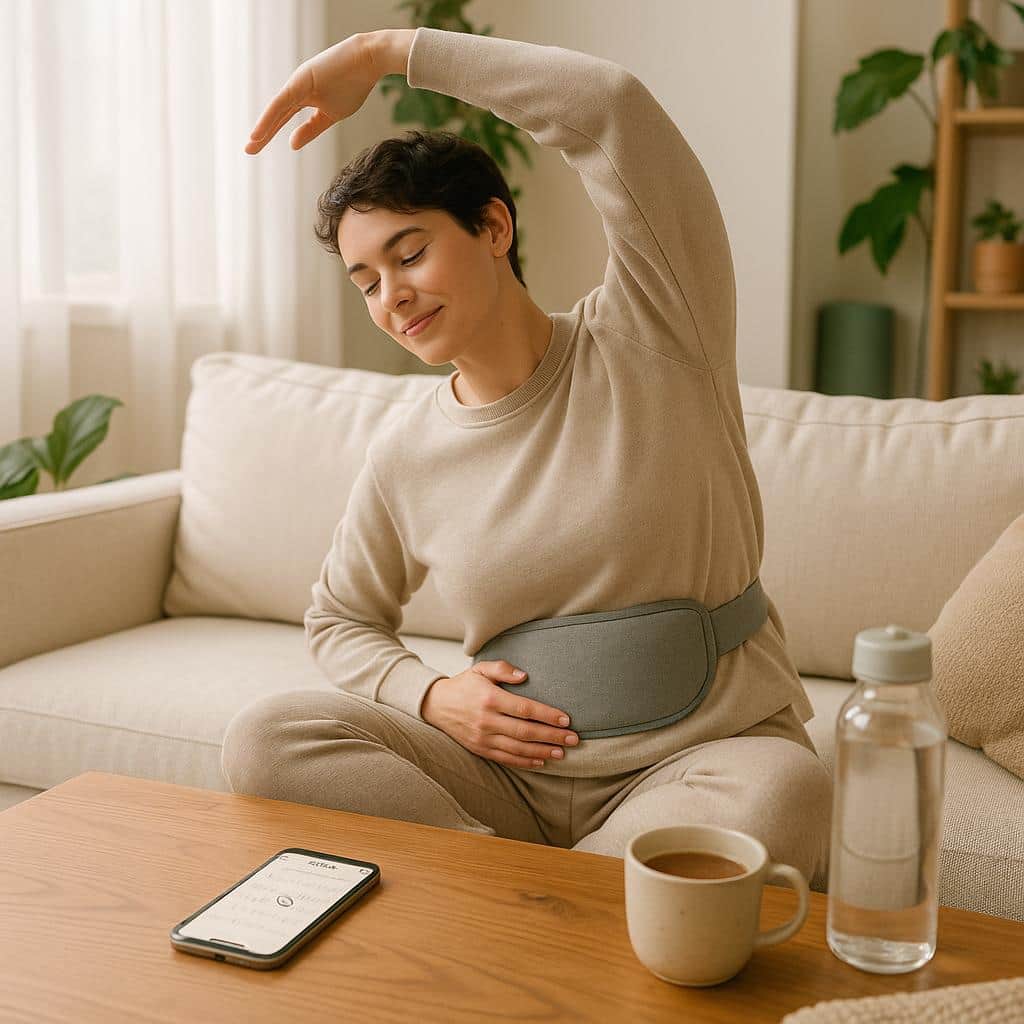
During an endometriosis flare or heavy bleeding, gentle, supportive mind-body work is usually safest. Keep sessions short and easy with slow breathing, a body scan, or fully supported restorative poses. It’s typically best to avoid strong core work, deep twists, and intense stretching.
Further reading
Different Types of Endometriosis Pain Explained
Explore types of endometriosis pain, evaluation, and evidence-based treatments, including triggers, pelvic floor therapy, CNS sensitization, and adenomyosis.
Endometriosis Ovulation Pain: Impact and Relief Tips
Learn what ovulation pain feels like with endometriosis, how long it lasts, common symptoms like nausea and mittelschmerz, and evidence-based coping strategies.
Why Your Endometriosis Pain Can Feel So Unrelenting
Discover why endometriosis causes pain and scarring. Learn about TGF-β signaling and its role in symptoms and treatment. Empower your health journey.