

Endometriosis Ovulation Pain: Impact and Relief Tips
Understanding ovulation pain in endometriosis—what it feels like, how long it lasts, and practical ways to cope.
Understanding and Coping with Endometriosis Ovulation Pain
Endometriosis can significantly impact daily life, particularly during ovulation. While ovulation pain is common for many women, endometriosis often produces heightened discomfort and crampy pelvic pain. The following unpacks the nature of this pain, its symptoms, and offers effective coping strategies.
What Does Ovulation Pain Feel Like?
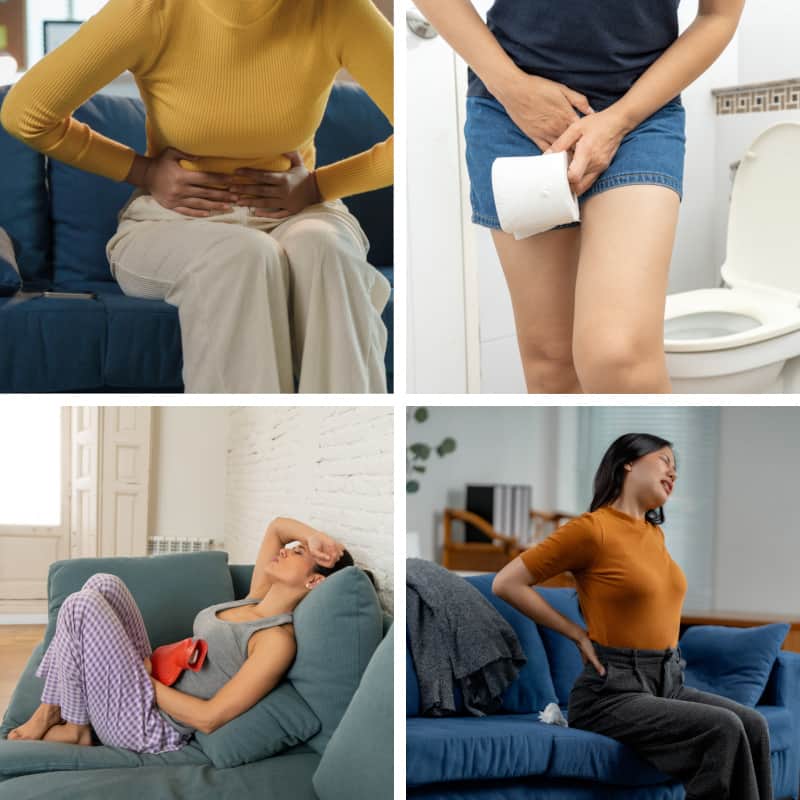
Ovulation pain, also known as “mittelschmerz,” typically manifests as a sharp or cramping sensation in the lower abdomen. For those with endometriosis, this pain can be more intense and prolonged. Understanding the nature of this pain helps in identifying and managing it effectively. The sensation may vary from mild twinges to severe cramping, often localized to one side of the pelvis, depending on which ovary is releasing an egg (Hudson, 2016).
Symptoms and Duration of Ovulation Pain: How Long Does It Last?
Cramping during ovulation can range from mild to severe and may be accompanied by nausea, bloating, and fatigue. The duration of ovulation pain can span a few minutes to several hours, and in some cases, it may persist for one or two days. Identifying these symptoms early can aid in better pain management. Women with endometriosis may also experience simultaneous back pain, headaches, and gastrointestinal issues during this period (Kosia et al., 2021). Tracking the duration and intensity of the pain can provide valuable insights for medical consultations. Keeping a pain diary can help in understanding patterns and triggers, which is essential for effective management (Taylor, 1995).
Mittelschmerz Symptoms
Mittelschmerz, the German term for “middle pain,” refers to ovulation pain occurring midway through the menstrual cycle. Symptoms include localized abdominal pain, often on one side, and may be accompanied by light vaginal bleeding or discharge. Women with endometriosis may experience exaggerated mittelschmerz symptoms, requiring more intensive management. Symptoms can also include sharp, intermittent pain that sometimes radiates to the thighs and lower back (Pearlin & Schooler, 1978).
Nausea During Ovulation
Nausea is a less commonly discussed symptom of ovulation, but it can occur, especially in women with endometriosis. Hormonal fluctuations and pain can contribute to feelings of nausea, potentially impacting daily activities. Anti-nausea medications and dietary adjustments may be beneficial in managing this symptom (Mitchell et al., 2011).
Coping Strategies for Endometriosis and Ovulation Pain
- Pain management: Over-the-counter pain relievers can be effective. For severe pain, stronger medications or hormonal treatments may be needed. Nonsteroidal anti-inflammatory drugs (NSAIDs), such as ibuprofen, are often recommended for their efficacy in reducing inflammation and pain (Ostell, 1991). The types of NSAIDs can also make a difference, so review your NSAID pain options and select accordingly.
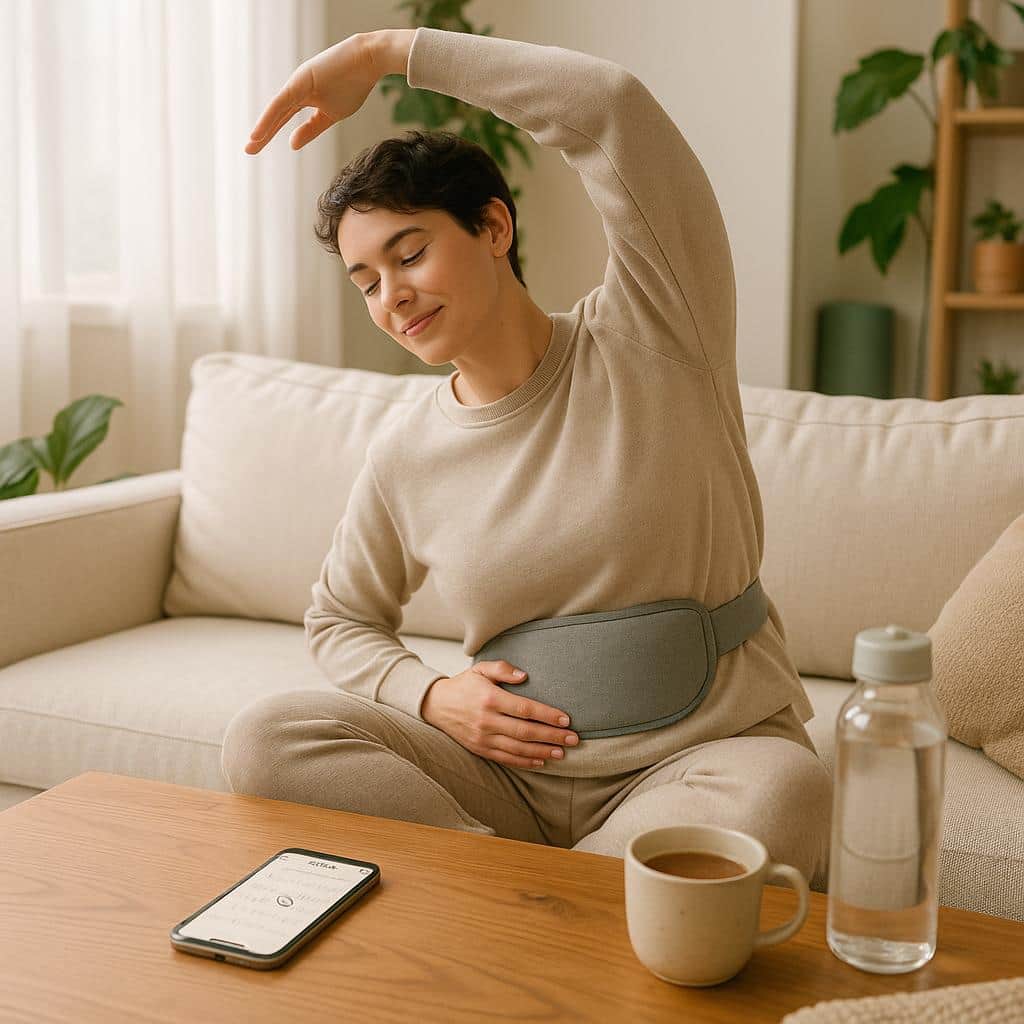
- Heat therapy: Applying a heating pad to the lower abdomen can help relax muscles and reduce pain. Heat therapy is a simple yet effective method to alleviate cramping and discomfort. To avoid burns, place a barrier such as a towel between the heat source and the skin.
- Red light therapy: This involves the use of low-level wavelengths of light to penetrate the skin and promote cellular function. It may help reduce inflammation and pain associated with endometriosis and ovulation (Adamenko, 2020).
- TENS units: Transcutaneous Electrical Nerve Stimulation delivers small electrical impulses to the affected area, helping block pain signals and promote the release of endorphins. TENS can be particularly useful for managing chronic pain conditions like endometriosis (Putri & Kushartati, 2015).
- Diet and exercise: Maintaining a balanced diet and regular exercise routine can help manage symptoms. Foods rich in anti-inflammatory properties, such as leafy greens and fish, may alleviate pain. Regular physical activity can improve overall well-being and reduce the severity of symptoms (Kremer & Quednau, 2002).
- Stress reduction: Techniques such as yoga, meditation, and deep-breathing exercises can help reduce stress, which in turn can lessen pain intensity. Mindfulness practices have shown promise in managing chronic pain and improving quality of life.
Struggling with Ovulation Pain?
Our specialists are here to help you understand your condition and explore your treatment options.
Schedule Your VisitHolistic and integrative approaches
Herbals/botanicals
- Turmeric: Known for its anti-inflammatory properties, turmeric can help reduce pain and inflammation.
- Ginger: Another anti-inflammatory herb, ginger can help alleviate pain and nausea.
- Vitex (Chaste Tree Berry): Often used for hormonal balance, it can help reduce symptoms of endometriosis (Kosia et al., 2021).
Aromatherapy
- Lavender: Known for its calming properties, lavender oil can help reduce stress and pain.
- Peppermint: Can help alleviate nausea and headaches.
- Clary sage: May help balance hormones and reduce menstrual pain (Mitchell et al., 2011).
Acupuncture
This traditional Chinese medicine practice involves inserting thin needles into specific points on the body to relieve pain and promote healing. Acupuncture can help reduce the severity of ovulation pain and improve overall well-being (Davies, 1993).
Medical and surgical interventions
To get an accurate diagnosis, address the root cause, and treat endo-associated ovulatory pain, minimally invasive surgical options may be considered to excise endometriosis tissue and provide relief, which is often rapid. Hormonal therapies—such as birth control pills, gonadotropin-releasing hormone (GnRH) agonists, and progestin therapy—can help manage symptoms by regulating or halting menstruation, but can produce many symptoms as side effects, some of which can be long-lasting. The most prudent course of action is to consult and be under the care of an endometriosis specialist.
Quick Answers
When is hysterectomy recommended for adenomyosis?
A hysterectomy is typically considered for adenomyosis when you’re not planning future pregnancy and symptoms are severe and clearly uterus-driven, most often heavy bleeding (sometimes with anemia), intense cramping, pelvic pressure, and disruption to daily quality of life. It’s the most definitive option because adenomyosis is within the uterine muscle, so removing the uterus removes the source of the problem.
In practice, we usually consider hysterectomy most seriously when conservative options haven’t brought acceptable relief, aren’t tolerated, or don’t fit your goals. The decision also depends on the pattern and extent of disease (diffuse adenomyosis versus a more focal adenomyoma that may be removable while preserving the uterus) and whether endometriosis may also be present. If endometriosis is part of the picture, it’s important to know that hysterectomy alone doesn’t treat disease outside the uterus. Durable symptom relief depends on addressing all pain generators.
If you’re wondering whether hysterectomy makes sense for you at this point, our team can help clarify what’s most likely driving your symptoms, review imaging, and walk you through uterus-preserving versus definitive surgical options so you can choose the one that best matches your relief and fertility priorities.
Which adenomyosis symptoms most affect daily life?
The adenomyosis symptoms that most disrupt quality of life usually involve two main issues: uterine bleeding and pain. Many patients describe heavy or prolonged periods that interfere with work, school, travel, and sleep, sometimes with flooding, frequent pad or tampon changes, and fatigue that can follow significant blood loss. Severe period pain (often worse than normal cramps) is also common. It can feel deep, aching, or pressure-like, sometimes accompanied by an enlarged, tender uterus and a sense of pelvic heaviness or bloating.
Outside of the period itself, adenomyosis can contribute to chronic pelvic pain, pain with sex for some people, and bowel or bladder discomfort, especially when symptoms flare around the menstrual cycle. It can also overlap with endometriosis, and when both are present, symptoms may intensify or become harder to tell apart. If bleeding, pain, pressure, or fertility stress is shaping your day-to-day life, our team can help you sort out whether adenomyosis, endometriosis, fibroids, or more than one condition may be causing your symptoms, and which next steps make sense for your goals.
Why do I look pregnant from bloating with constant pelvic pressure?
Feeling so bloated you look pregnant, along with constant pelvic pressure, usually points to more than simple gas. Often, it’s a pelvic condition creating inflammation, swelling, or a sense of bulk. Endometriosis can irritate the bowel and pelvic lining, trigger scarring that tethers organs, and create the classic “endo belly” sensation that comes and goes (sometimes not perfectly cyclical). Pelvic pressure can also happen when endometriosis involves deeper tissues or nearby organs like the bladder, ureters, or rectum.
Just as important, these symptoms can be driven by conditions related to or coexisting with endometriosis, especially adenomyosis and fibroids, which can make the uterus feel heavy, full, or bulky and add pressure on the bladder and bowel. Ovarian cysts and other benign pelvic findings can contribute, and IBS-like bowel sensitivity can overlap so closely that symptoms alone don’t reliably distinguish the causes. Our team focuses on mapping the full picture (uterus, ovaries, bowel, bladder, and pelvic support structures) so treatment targets the true driver or drivers, not just the most obvious diagnosis.
If this pressure and/or bloating is persistent, worsening, or changing your ability to eat, move your bowels, or urinate comfortably, it’s a strong reason to pursue a deeper evaluation rather than being told it’s “normal.” You can explore our educational content on bowel symptoms, bladder symptoms, and overlapping conditions, and reach out to schedule a consultation so we can review your history, imaging, and symptom pattern and outline a plan aimed at lasting relief.
Why do I get low back and leg pain during my period?
Low back and leg pain that predictably flares with your period can happen when pelvic inflammation irritates pain pathways that refer pain to the back, hips, buttocks, and down the leg. In some patients, endometriosis can play a role: either indirectly (pelvic inflammation and scarring increasing pressure and sensitivity around nearby nerves) or more directly if the disease affects areas close to major nerves.
When period-related leg pain resembles sciatica, with deep buttock pain, tingling, burning, or pain radiating down the back of the thigh, it raises the possibility of endometriosis-related sciatic irritation or pelvic floor involvement (often described as piriformis-type pressure on the nerve). These symptoms may start before bleeding, peak during the period, and linger afterward. In more significant cases, they can be associated with weakness or changes in walking.
Because back and leg pain can also come from the spine, hips, or muscles, the key is the pattern and the full set of symptoms, including pelvic pain, bowel/bladder symptoms, or pain with sex. Our team can help you sort out whether your pain fits an endometriosis/adenomyosis pattern and, if needed, plan the next steps in evaluation, such as targeted imaging and a strategy focused on lasting relief rather than temporary suppression.
Why does sex hurt more around my period?
Pain with sex that flares around your period often points to a hormonally driven source of pelvic pain. This means tissue and nerves in the pelvis become more inflamed and reactive in the days leading up to bleeding and during menstruation. Endometriosis is a common reason: lesions can irritate nearby nerves and organs, and the inflammatory chemicals they produce can amplify pain signals. Adenomyosis (endometrial-like tissue within the uterine muscle) can also make the uterus unusually tender and crampy, so penetration, orgasm-related uterine contractions, or even pelvic pressure can feel painful around that time.
Where and when you feel pain matter. Deep pain with penetration can be related to endometriosis near the uterosacral ligaments, cervix/vaginal fornix, rectovaginal space, bowel, or bladder, especially if scarring or adhesions have changed how those structures move. Pain after sex or after orgasm can happen when pelvic floor muscles spasm or when uterine contractions tug on sensitized areas. If this pattern keeps recurring, our team can help map your symptom timing and triggers and evaluate for endometriosis, adenomyosis, pelvic floor dysfunction, and overlapping bladder/bowel involvement so treatment targets the source of your pain rather than just masking it.