


How Does Endometriosis Affect Fertility? Understanding the Science
Discover how endometriosis impacts fertility and what recent research reveals. Understand the factors influencing conception. Read now!
10 minute read
Read moreDiscover how Lotus can guide you toward lasting relief.
Explore why patients choose Lotus
Search expert-written answers, browse by topic, or find information based on where you are in your journey.
Explore All KnowledgeReach out and start your healing journey.
Schedule an AppointmentEvidence-based updates on emerging diagnostics and therapies for endometriosis, from microbiome-informed approaches to non-hormonal options, with concise takeaways on trial data, mechanisms, and real-world impact.
Research is moving beyond one‑size‑fits‑all hormone suppression toward targeted, often non‑hormonal options for endometriosis. Emerging approaches include immune and inflammatory pathway modulators, nerve‑focused analgesics, precision estrogen signaling agents, localized drug delivery, and microbiome‑informed care. On the diagnostic side, blood or saliva biomarker panels and AI‑assisted imaging aim to shorten time to diagnosis and personalize therapy. The goal is better pain relief with fewer side effects, protection of fertility, and clearer guidance on who benefits from which therapy.
Learn how mechanisms translate into real outcomes, what phase trials show, timelines to availability, and safety considerations such as bone health, mood, cardiovascular risk, and effects on ovulation. Distinguish investigational tools from current standards by cross‑referencing established care in Medical Management, Pain Relief, and surgical pathways in Excision Surgery and Imaging for Surgery. For diagnostics context, see Diagnostics & Imaging, MRI, Ultrasound, and Biomarkers. Microbiome topics connect with Gut Health. Some innovations may also inform adenomyosis care, but detailed guidance on that condition is covered under Adenomyosis.
In most cases, hormone therapy can be restarted soon after endometriosis surgery, often once we’re confident you’re past the immediate post-op healing phase and any bleeding or surgical-site irritation is settling. The right timing depends on whether you had simple excision or bowel/bladder work, how your recovery is going, and your goals (pain control, cycle management, fertility planning). We also consider which hormone you’re restarting, since options like continuous birth control or progestin-based therapy are used differently than deeper estrogen-suppressing medications.
It’s also important to consider why you’re restarting: hormones may help quiet symptoms and can be part of a strategy to reduce recurrence risk, but they don’t heal endometriosis on their own. If you’re considering stronger estrogen-suppressing medications (like GnRH analogs), we plan carefully because they’re not designed for long-term use and can carry meaningful side effects. If you tell us what you were on before surgery and what symptoms you’re trying to prevent, our team can help you choose a timeline and post-op plan that supports healing and longer-lasting relief. Reach out to schedule a follow-up or consultation so we can tailor the plan to you.
Endometriosis doesn’t currently have a proven permanent cure, but many people can achieve major, lasting symptom improvement. The goal is typically durable relief and disease control (what many patients describe as remission) while protecting long-term pelvic and reproductive health.
In our practice, excision surgery aims to remove all visible endometriosis, which can significantly reduce pain and may improve fertility outcomes for some patients. Hormonal therapies don’t remove lesions, but they can suppress activity and help manage symptoms, either on their own or as part of a longer-term plan. Because endometriosis can vary from person to person, the most effective approach usually involves an individualized plan and follow-up. If you’d like, reach out to schedule a consultation with our team to discuss your goals and options.
Researchers are studying new, non-hormonal treatments for endometriosis that aim to treat the disease biology itself rather than simply suppress cycles. Current trials include medications designed to reduce inflammation, calm nerve sensitization (pain signaling), limit new blood vessel growth, known as angiogenesis, and address scarring and fibrosis.
There’s also growing interest in how the microbiome and immune system may influence symptoms and progression, which could shape future therapies. While a few approaches look promising, most are still experimental and not widely available outside clinical trials. If you’re curious about treatments in the pipeline and what may be appropriate for your situation, our team can help you understand how emerging therapies fit alongside proven options like expert excision surgery and individualized medical management.
A well-designed clinical trial can be a good fit if you want access to an investigational therapy and are comfortable contributing to research that may improve endometriosis care. Trials also often involve randomization (and sometimes placebo), stricter protocols, additional visits, and rules about what other treatments you can use during the study.
Before enrolling, it’s important to understand exactly what the study requires and how it could affect your overall plan, especially if you’re considering surgery, trying to preserve or pursue fertility, or managing symptoms with medications. Our team can help you weigh the potential benefits against the time commitment, risks, and likelihood that the trial will answer the questions that matter most for your case. We can also help you think through what to ask the study coordinators before you decide.
Medications don’t cure endometriosis, and they typically don’t eliminate endometriosis lesions. They can quiet the hormonal signals that stimulate lesions and reduce inflammation, which often improves pain and can make the disease feel less active while you’re on treatment.
Because the underlying tissue usually isn’t removed, symptoms commonly return when medication is stopped. For some patients, medical suppression can be a helpful bridge to surgery or a way to manage symptoms when surgery isn’t currently the right fit. After complete excision, we may still consider hormonal suppression in select cases to help lower the chance of recurrent symptoms, and our team can help you weigh those options based on your goals and history.
A safe way to start is to use reputable trial registries such as ClinicalTrials.gov to confirm that a study is real and review the basics: the trial phase, what treatment is being tested, the primary outcomes, and the eligibility criteria. We also encourage you to look closely at what participation involves (extra visits, imaging, biopsies, medication changes, or washout periods) so you can weigh the time commitment and impact on symptoms alongside the potential benefit. Many trials do cover study-related costs, but coverage varies, so it’s important to clarify what is paid for, what might be billed to insurance, and any travel or time-off burdens.
To judge the hype, focus on the quality of the evidence rather than headlines or social media summaries. Peer-reviewed publication helps, but we also look at whether the study design and sample size are strong enough to support the claims and whether the outcomes are truly meaningful for patients (pain, daily function, and quality of life, not just lab markers). If you’d like, our team can help you interpret a trial listing or published paper in the context of your symptoms and goals and discuss whether a study is a reasonable fit for you.
Some emerging therapies are being studied to reduce endometriosis symptoms without prolonged ovarian suppression, which may matter if you’re trying to conceive or planning IVF. That said, many investigational options are available only through clinical trials, which often require contraception and specific washout windows that can affect your treatment timeline.
If fertility is a priority, the key is to align any new treatment plan with your reproductive goals and any planned egg retrieval or embryo transfer. Our team can help you weigh potential benefits, timing constraints, and how an option might fit alongside fertility treatment. We can also coordinate next steps with your fertility care when needed.
Researchers are actively studying non-hormonal ways to reduce endometriosis pain by targeting the biology behind inflammation and pain signaling rather than suppressing ovarian function. These approaches include medications aimed at immune and inflammatory pathways, drugs that block specific ion channels involved in nerve sensitivity (including TRP pathways), and therapies that interrupt nerve-growth signaling that may contribute to chronic pelvic pain.
Most of these options are still in early-stage trials, so they aren’t widely available yet, and the full picture of their long-term effectiveness and safety is still emerging. If you’re interested in non-hormonal strategies, our team can help you understand how investigational therapies fit into a broader plan (especially when pain may also come from treatable sources like deep disease, adhesions, or adenomyosis) and discuss next steps during a consultation.
Discover how endometriosis impacts fertility and what recent research reveals. Understand the factors influencing conception. Read now!

Discover what research says about low-dose naltrexone for endometriosis pain. Learn if LDN is a viable treatment option for managing symptoms.

Discover how wild-grape compounds, like ε-viniferin, could potentially influence endometriosis pain and inflammation. Learn more about future treatments!
Explore the risks of hormonal therapy without surgical diagnosis for endometriosis. Learn what patients need to know about treatment options and potential side
Explore the latest research on MCAS and its connection to endometriosis pain. Understand the implications for symptoms and treatment options.

Discover evidence-based nonhormonal treatments for endometriosis pain. Find options you can try now for effective symptom management.
Discover the latest research on blood tests for endometriosis. Learn how microRNAs could lead to earlier diagnosis and better management.

Discover how mast cells might be contributing to your endometriosis inflammation. Learn about potential future treatments and symptom management.
Explore how endometriosis may contribute to body changes like bloating and weight gain. Learn more about the latest research and expert insights.

Discover how the hormonal IUD may alleviate adenomyosis pain and heavy bleeding for better quality of life. Learn about this treatment option now!

Explore new immune-targeted treatments for endometriosis pain. Learn how research could change your approach to managing symptoms and improving fertility.
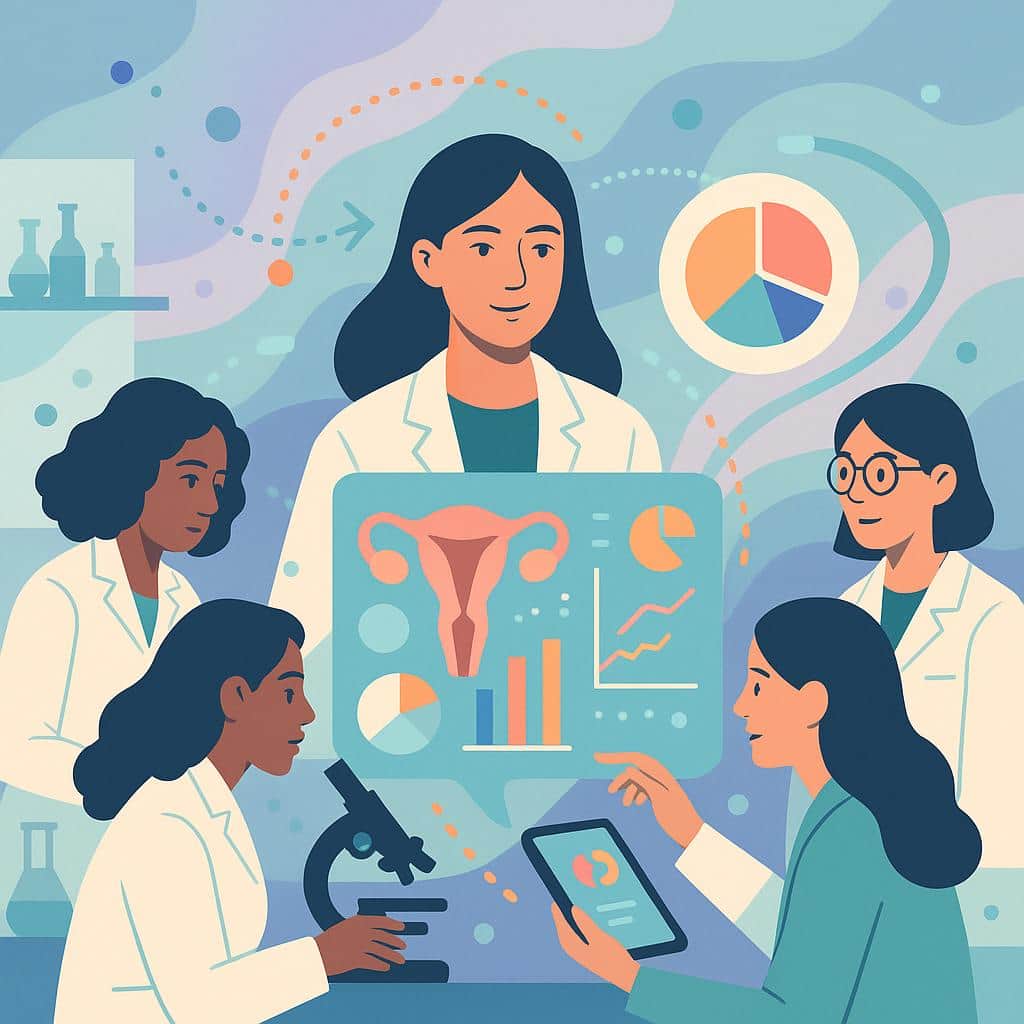
Discover how recent research on adenomyosis can transform your diagnosis and treatment options. Learn about symptoms, immune response, and more.
Lotus Endometriosis Institute provides California-based surgical evaluation and advanced excision care for patients with suspected endometriosis, adenomyosis, complex pelvic pain, and related conditions.
Many patients contact us from outside California to learn whether traveling for in-person evaluation and possible surgery may be appropriate.
2121 Santa Monica Blvd, Santa Monica, CA 90404
8am - 5pm
Monday - Friday
154 Traffic Way, Arroyo Grande, CA 93420