


Can Endometriosis Cause Weight Gain?
What research suggests about bloating, metabolism, stress, and body changes
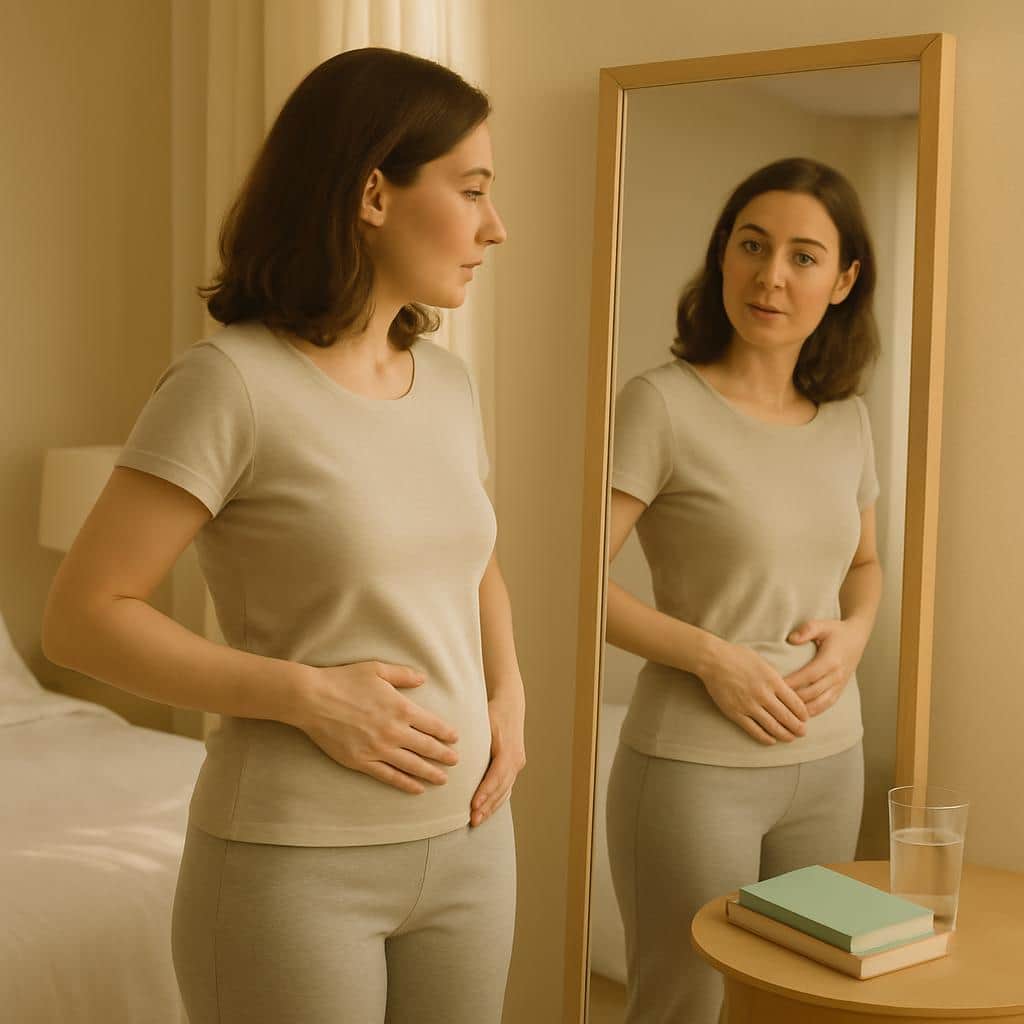
If you live with endometriosis or adenomyosis, you may feel like your body has changed—especially around your abdomen. Many patients describe “endo belly,” swelling that comes and goes, and a frustrating sense that they’re gaining weight even when they haven’t changed what they eat.
So, can endometriosis cause weight gain? The most honest evidence-based answer is: endometriosis isn’t proven to directly “cause” fat gain in the way some hormonal conditions can—but it can absolutely contribute to body changes that look and feel like weight gain, and it may be linked to metabolic risk factors in some people.
This article draws from multiple recent studies—population studies, biomarker research, and microbiome and nutrition research—to explain what we know (and what we don’t) about endometriosis, weight gain, and metabolism.
First: “Weight gain” can mean different things
Many people mean “weight gain” when they’re experiencing one (or several) of these:
- Fluid retention and bloating (often cyclical)
- Constipation and GI distension (sometimes IBS-like symptoms)
- Reduced activity due to pain and fatigue
- Changes in appetite, cravings, or stress eating
- Actual fat gain over months/years
Endometriosis can plausibly affect the first four—even if the fifth is not consistently proven as a direct effect.
Endometriosis can cause “endo belly” (bloating) that mimics weight gain
One of the most consistent patient experiences—supported indirectly by research—is that endometriosis often comes with digestive symptoms. A large recent review of “microbiota insights” in endometriosis notes that digestive symptoms are very common and can occur even when there are no visible bowel lesions. That matters because it supports what many patients already know: GI symptoms can be a major part of endometriosis, not just an “extra” problem.
Research linking endometriosis to the gut microbiome is still evolving and human studies don’t agree on one specific “endometriosis microbiome.” But animal and mechanistic work summarized in recent reviews suggests that gut changes and endometriosis may influence each other, and that microbiome-related metabolites (like butyrate) may affect inflammation and lesion biology in models. For patients, the practical takeaway is simpler: bloating and bowel changes are real, common, and not “in your head.” They can change your waistline day to day without reflecting fat gain.
Is endometriosis linked to metabolism or cardiometabolic risk?
This is where the evidence has gotten more interesting in the last couple of years.
Population studies suggest higher odds of “metabolic syndrome” markers in endometriosis
A population-based study from Tehran found that women with endometriosis had higher odds of metabolic syndrome (a cluster including waist size, blood pressure, blood sugar, HDL, triglycerides) compared with women without endometriosis, even after adjusting for several lifestyle factors. The strongest signals were higher odds of low HDL (“good cholesterol”) and high waist circumference.
Meanwhile, U.S. NHANES-based studies have reported associations between endometriosis history and composite metabolic risk scores such as the cardiometabolic index (which combines triglycerides, HDL, and waist-to-height ratio). In those analyses, triglycerides often appear as one of the clearer individual components associated with endometriosis history.
A separate NHANES analysis using lipid accumulation product (a marker combining waist circumference and triglycerides) also found higher values were linked with higher odds of reporting endometriosis.
What this does—and doesn’t—mean
These studies suggest that some people with endometriosis may be more likely to have certain metabolic risk patterns, especially involving central body measures and lipids. But most of this evidence is cross-sectional, meaning:
- It cannot prove endometriosis causes metabolic changes.
- It cannot prove metabolic changes cause endometriosis.
- Shared drivers (inflammation, hormones, medications, sleep disruption, activity limits, genetics) could influence both.
Still, if you’re asking “could endometriosis affect my metabolism?” the best current answer is: it might, indirectly, and it may be connected to cardiometabolic risk for some patients.
Inflammation, fat tissue signals, and why the story is complicated
Endometriosis is increasingly described in modern reviews as a systemic inflammatory and immune-mediated condition, not only a local pelvic disease. That framing matters because chronic inflammation can interact with appetite regulation, fatigue, sleep, and metabolic health.
One example: a 2024 review on adiponectin (a hormone-like protein produced by fat tissue that is often linked to insulin sensitivity and inflammation) describes mixed clinical findings, but a cited meta-analysis suggests people with endometriosis may have lower adiponectin and higher leptin compared with controls. Importantly, that same evidence did not show a clear relationship between adiponectin and disease severity—so this is not a diagnostic tool, and not a simple “low adiponectin causes endometriosis” story. It’s more a clue that metabolism-related signaling and inflammation overlap with endometriosis biology.
Struggling with Endo Belly? Get Help Now
Our specialists are here to help you understand your condition and explore your treatment options.
Schedule Your AppointmentThe “mental pathway”: pain, stress, sleep, and eating patterns
Even without a direct metabolic effect, endometriosis can push the body toward weight changes through lived reality:
- Chronic pain can reduce daily movement and make exercise unpredictable.
- Fatigue can affect meal prep, cravings, and reliance on ultra-processed convenience foods.
- Stress and mood symptoms can change appetite and increase emotional eating.
This pathway is hard to measure, but it’s clinically believable and consistent with broader chronic pain research: when pain is persistent, the whole system (sleep, stress hormones, activity, eating patterns) can shift.
In addition, some endometriosis treatments can affect weight-related factors:
- Hormonal treatments may change appetite, water retention, and body composition differently person to person.
- Some people experience mood changes on hormonal contraception; recent reviews of oral contraceptives and psychiatric side effects highlight that mental health effects are possible for a subset, which can indirectly influence eating and activity.
If you feel your eating habits changed after your symptoms worsened—or after starting a medication—this is a valid and important clinical discussion, not a willpower issue.
Does BMI predict symptoms or disease type?
Patients often hear confusing messages: “Endometriosis is associated with lower BMI” versus “Endometriosis and obesity go together.”
Part of the confusion is that research has looked at different things:
- Risk of being diagnosed
- Severity of symptoms
- Anatomical disease types
- Metabolic markers beyond BMI (waist measures, lipids)
A more recent clinical discussion in nutrition-focused literature argues that while older observational studies sometimes showed an “inverse” relationship between BMI and endometriosis diagnosis, this should not be interpreted as obesity being protective. Diagnosis patterns and bias can strongly influence what we see (for example: who gets referred, imaged, or offered laparoscopy).
In other words, BMI alone is a blunt tool. Two people can have the same BMI and very different inflammation, visceral fat, lipid profiles, and symptoms.
Can diet help with endometriosis-related “weight gain” or bloating?
Diet is not a cure, but it can be a meaningful symptom tool—especially for GI symptoms and inflammation-related flares.
A 2025 review on nutrition in endometriosis summarizes evidence that:
- Limiting trans fats and emphasizing anti-inflammatory fats (like omega-3s) is biologically plausible and sometimes supported by observational data.
- Antioxidant supplementation (vitamins C and E) showed pain improvement in at least one randomized trial over 8 weeks.
- Evidence on caffeine is mixed overall, with some signals only at higher intakes.
Another 2025 review focusing on medical nutrition therapy highlights that for people with endometriosis plus IBS-like symptoms, a structured low FODMAP approach may improve abdominal symptoms and quality of life in subgroups—suggesting that the biggest “body change” wins may come when diet is matched to symptom patterns rather than used as a one-size-fits-all plan.
There is also an ongoing randomized trial protocol testing a Mediterranean-pattern anti-inflammatory diet before IVF in endometriosis-related infertility; it’s notable because it measures not only fertility outcomes but also pain, quality of life, inflammation scores, and microbiome features—exactly the areas patients care about. Results aren’t available yet, but it signals where research is heading.
Practical takeaways (without blaming yourself)
If you’re worried about endometriosis and weight gain, consider reframing the question to: “What type of body change am I experiencing—and what are the likely drivers?”
Here are a few practical next steps to discuss with your clinician:
- Track waist changes + symptoms (pain, bowel habits, cycle timing) for 1–2 cycles to separate bloating patterns from true weight change.
- Ask whether it makes sense to screen metabolic health: lipids (HDL, triglycerides), A1c/glucose, blood pressure, waist circumference—especially if you have a family history or other risk factors. Population studies suggest this is relevant for some people with endometriosis.
- If GI symptoms dominate, ask about an IBS-style evaluation and whether a dietitian-supported low FODMAP trial is appropriate (rather than randomly cutting foods).
- If stress eating or mood changes are part of your story, consider treating that as a medical symptom: pain psychology, therapy, or medication changes can be part of endometriosis care.
- Review your medications (hormonal and non-hormonal) with the question: “Could this be affecting appetite, water retention, or mood?”
What we still don’t know (and why your experience can differ from someone else’s)
- We don’t yet have strong prospective evidence that endometriosis directly causes long-term fat gain.
- Microbiome findings in humans are inconsistent, and there’s no validated “endometriosis microbiome test” for clinical use.
- Biomarkers tied to metabolism (like adiponectin) show mixed results and are not ready for diagnosis or treatment decisions.
- Endometriosis is heterogeneous: lesion type, comorbid adenomyosis, pain sensitization, sleep disruption, medications, and genetics can all change the “weight story.”
So if you feel your body is changing, you’re not imagining it—but the cause may be a mix of bloating, inflammation, activity limits, sleep/stress physiology, and sometimes metabolic risk factors, rather than a simple direct effect of endometriosis on fat storage.
The most helpful mindset is “whole-body endometriosis care”: managing pelvic disease and supporting gut health, mental health, sleep, and metabolic screening when appropriate.
References
Saei Ghare Naz M, Noroozzadeh M, Ardebili SN, Mousavi M, Azizi F, Ramezani Tehrani F. Cardio-Metabolic Risk Profile of Women With Endometriosis: A Population-Based Study. Endocrinol Diabetes Metab. 2024 Nov;7(6):e70008.. DOI: 10.1002/edm2.70008
Hou J, Chen W, Wang R, Huang X, Cao X, Wang X. Relationship between Cardiometabolic index and endometriosis in a US nationally representative sample: results from NHANES 1999-2006. Front Endocrinol (Lausanne). 2024 Nov 12;15:1450965.. DOI: 10.3389/fendo.2024.1450965
Zhao YQ, Ren YF, Li BB, Wei C, Yu B. The mysterious association between adiponectin and endometriosis. Front Pharmacol. 2024 May 15;15:1396616.. DOI: 10.3389/fphar.2024.1396616
Fagundes VL, Barreiro Marques NC, Franco de Lima A, de Fátima Cobre A, Stumpf Tonin F, Luna Lazo RE, Pontarolo R. Safety Profile of Gestrinone: A Systematic Review. Pharmaceutics. 2025 May 11;17(5):638.. DOI: 10.3390/pharmaceutics17050638
Ma N, Hu Y, Xu Y. Association between lipid accumulation product and visceral adiposity index with endometriosis: evidence from NHANES 1999-2006. BMC Womens Health. 2025 Jul 4;25(1):307.. DOI: 10.47102/annals-acadmedsg.2025170
Zhe J, Cai Y, Bi Y. Association between lipid accumulation product and endometriosis: A cross-sectional study from NHANES 1999-2006. PLoS One. 2025 May 15;20(5):e0323932.. DOI: 10.47102/annals-acadmedsg.2025170
Quick Answers
Why does ovarian cyst pain keep coming back?
Ovarian cyst pain can feel recurrent for a few different reasons. Some cysts are functional: they form with ovulation and then resolve, so the pain returns in a similar spot month after month even though it’s not the exact same cyst. In other cases, the cyst itself can come back or persist, especially if it’s an endometrioma (an ovarian cyst caused by endometriosis), which can behave differently than a simple cyst and may be associated with deeper pelvic disease.
Another common reason is that the cyst isn’t the whole story: endometriosis on the pelvic sidewall, uterosacral ligaments, bowel, bladder, or around the ovary can irritate the same nerves and tissues. This can make it feel like the cyst is back when the pain is actually driven by inflammatory disease nearby. Adhesions (scar-like bands) can also tether the ovary and cause recurring pulling or sharp pain, even when imaging doesn’t show a large cyst. If your pain cycles, escalates, returns quickly after a normal ultrasound, or keeps recurring despite prior treatment, our team can help you map the pattern, interpret imaging with an endometriosis lens, and decide whether targeted evaluation and, when appropriate, excision surgery is the next best step.
Why do I have chronic fatigue and pelvic pain?
Chronic fatigue and pelvic pain often feel unexplainable because they’re rarely caused by just one issue, and many of the most common drivers don’t show up on routine labs or a quick ultrasound. Endometriosis and adenomyosis can cause persistent pelvic pain, painful periods, bowel and bladder symptoms, and deep fatigue through inflammation, disrupted sleep, heavy bleeding (and possible iron deficiency), and the sheer energy cost of living with ongoing pain. It’s also common for more than one gynecologic condition to coexist, including fibroids, polyps, or benign cysts, so a single label may not fully capture what you’re experiencing.
Another reason symptoms can persist is that the nervous system can become more pain-sensitive over time, often called central sensitization. This means pain can spread, linger outside your cycle, or feel disproportionate to what imaging shows. In those cases, symptom relief alone can miss the bigger picture: we think in terms of both treating disease (for example, addressing endometriosis lesions or uterine drivers like adenomyosis or fibroids) and building a personalized pain-management plan so your body can turn down the volume on pain signals.
If your fatigue and pelvic pain have been brushed off or left without a clear plan, our team can help you sort through the likely contributors, including endometriosis, adenomyosis, and common coexisting conditions, and map out next steps that fit your goals. You can explore our educational resources on fatigue, chronic pelvic pain, and comprehensive treatment approaches, and reach out to schedule a consultation when you’re ready.
Why is my period pain so severe it disrupts my daily life?
Severe, life-disrupting period pain isn’t normal cramps, and it often points to an underlying cause that deserves a real explanation, rather than symptom masking. One common cause is endometriosis, where tissue similar to the uterine lining grows outside the uterus and can irritate pelvic structures, trigger inflammatory chemicals, and sometimes involve organs like the bowel or bladder. Pain severity doesn’t reliably match stage, so someone can have intense pain even if imaging looks normal or disease appears limited.
When period pain is severe, worsens over time, starts years after your first period, or comes with heavy bleeding, painful sex, bowel pain with periods, urinary pain, or fatigue, we look for patterns because endometriosis and related conditions can overlap with pelvic floor dysfunction, nerve pain/central sensitization, GI dysbiosis, vascular issues, or adenomyosis. We take your full timeline and flare pattern seriously, then tailor the evaluation with a careful exam and expertly interpreted imaging when helpful. If your pain is disrupting school, work, relationships, or daily functioning, reach out to schedule a consultation. Our team can help you identify what’s driving it and map out a plan aimed at lasting relief.
How rare is endosalpingiosis?
Endosalpingiosis is generally considered uncommon, but how rare it is depends heavily on who’s being studied and how it’s found. Many cases are discovered incidentally on pathology, meaning tissue is identified under the microscope after surgery done for other reasons, so it’s likely underrecognized in the general population. In other settings, such as surgical cohorts, it may appear more often simply because more tissue is sampled and examined carefully.
What matters most for patients is that endosalpingiosis can be confused with endometriosis on imaging or even at surgery, but it doesn’t always behave the same way clinically. If you’ve been told you have endosalpingiosis and also have pelvic pain, bowel/bladder symptoms, or fertility concerns, our team can help interpret what that finding means in the context of your symptoms and operative/pathology reports. You’re welcome to explore our educational content on related endometriosis and uterine conditions, and reach out to schedule a consultation if you want a personalized plan.
How does estrogen affect the endometrium?
Estrogen is one of the main hormones that drive endometrial growth. In the first half of the menstrual cycle, rising estrogen signals the endometrium to thicken and rebuild after a period, preparing the uterus for a possible pregnancy. It also influences the local immune and inflammatory environment in the uterus, which is part of why hormonal shifts can change bleeding patterns and pain.
When estrogen’s growth signals are strong and progesterone’s calming effect is weaker than expected (often described as progesterone resistance), the endometrium can behave in a more persistently inflamed, reactive way. This interplay between hormones and inflammation is especially relevant in estrogen-dependent conditions like adenomyosis and endometriosis, where tissue similar to the endometrium can contribute to ongoing symptoms. If you’re trying to make sense of heavy bleeding, severe cramping, or cycle-linked pelvic pain, our team can help you connect the hormonal biology to what you’re feeling and review next steps for diagnosis and treatment.