Diagnosis
How rare is endosalpingiosis?
The short answer
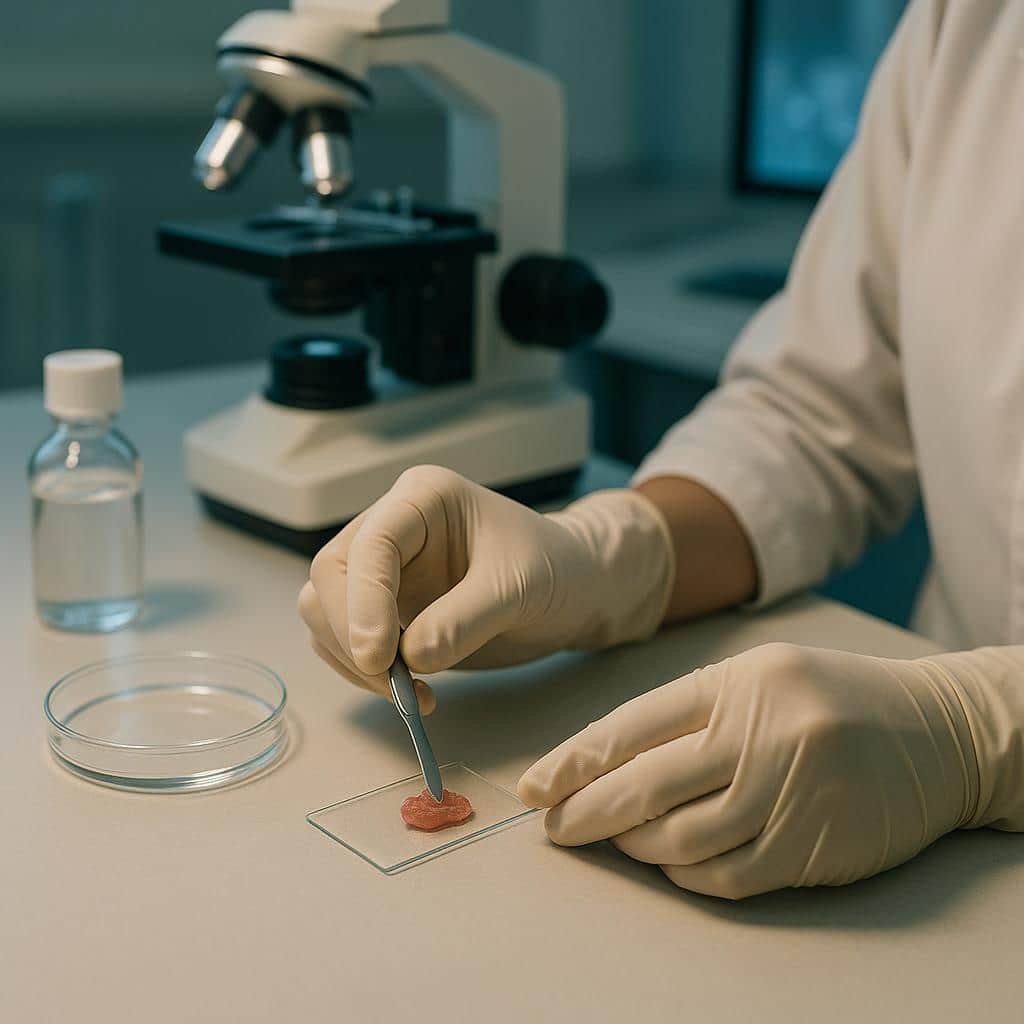
Endosalpingiosis is generally considered uncommon, but how rare it is depends on who is studied and how it is found. Many cases are found incidentally when tissue is examined after surgery for other reasons, so it is likely underrecognized.
Endosalpingiosis is generally considered uncommon, but how rare it is depends heavily on who’s being studied and how it’s found. Many cases are discovered incidentally on pathology, meaning tissue is identified under the microscope after surgery done for other reasons, so it’s likely underrecognized in the general population. In other settings, such as surgical cohorts, it may appear more often simply because more tissue is sampled and examined carefully.
What matters most for patients is that endosalpingiosis can be confused with endometriosis on imaging or even at surgery, but it doesn’t always behave the same way clinically. If you’ve been told you have endosalpingiosis and also have pelvic pain, bowel/bladder symptoms, or fertility concerns, our team can help interpret what that finding means in the context of your symptoms and operative/pathology reports. You’re welcome to explore our educational content on related endometriosis and uterine conditions, and reach out to schedule a consultation if you want a personalized plan.
Where to go from here
Understand it, compare it with what you're feeling, then talk it through with us.
Step 1 · Understand
Understand the condition
Step 3 · Speak with Us
Get clarity on your pathology
Endosalpingiosis is often underrecognized and can look like endometriosis on imaging or during surgery. Our specialists can review your records and pathology and guide next steps for diagnosis and symptom relief.
Questions people ask next
All diagnosis questionsWhat does endometriosis show on a pathology report?
A pathology report typically describes endometriosis as endometrial-type glands and stroma outside the uterus. It may also note signs of bleeding, but a negative result can occur if the right tissue from the right spot was not sampled.
How common is endometriosis?
Endometriosis is common, affecting about 1 in 10 people of reproductive age. Higher rates are seen among people being evaluated for infertility or chronic pelvic pain, and many patients live with it for years before getting a clear explanation for their pain.
Further reading
Endometriosis Biopsy: A Definitive Method for Diagnosis
Learn when a biopsy is essential for confirming endometriosis or adenomyosis. Explore symptoms, research findings, and options beyond surgery.
What Else Could It Be? Ruling Out Other Causes
Explore essential insights on endometriosis and other causes of pelvic pain. Learn about differential diagnoses and effective treatment options.
Can Scans and Tests Find Endometriosis? Know the Limits
Discover why ultrasounds may miss endometriosis. Learn about imaging limits and recent research in our latest blog. Find clarity in your diagnosis.