

You suspect you may have endometriosis or adenomyosis
How common is endometriosis?
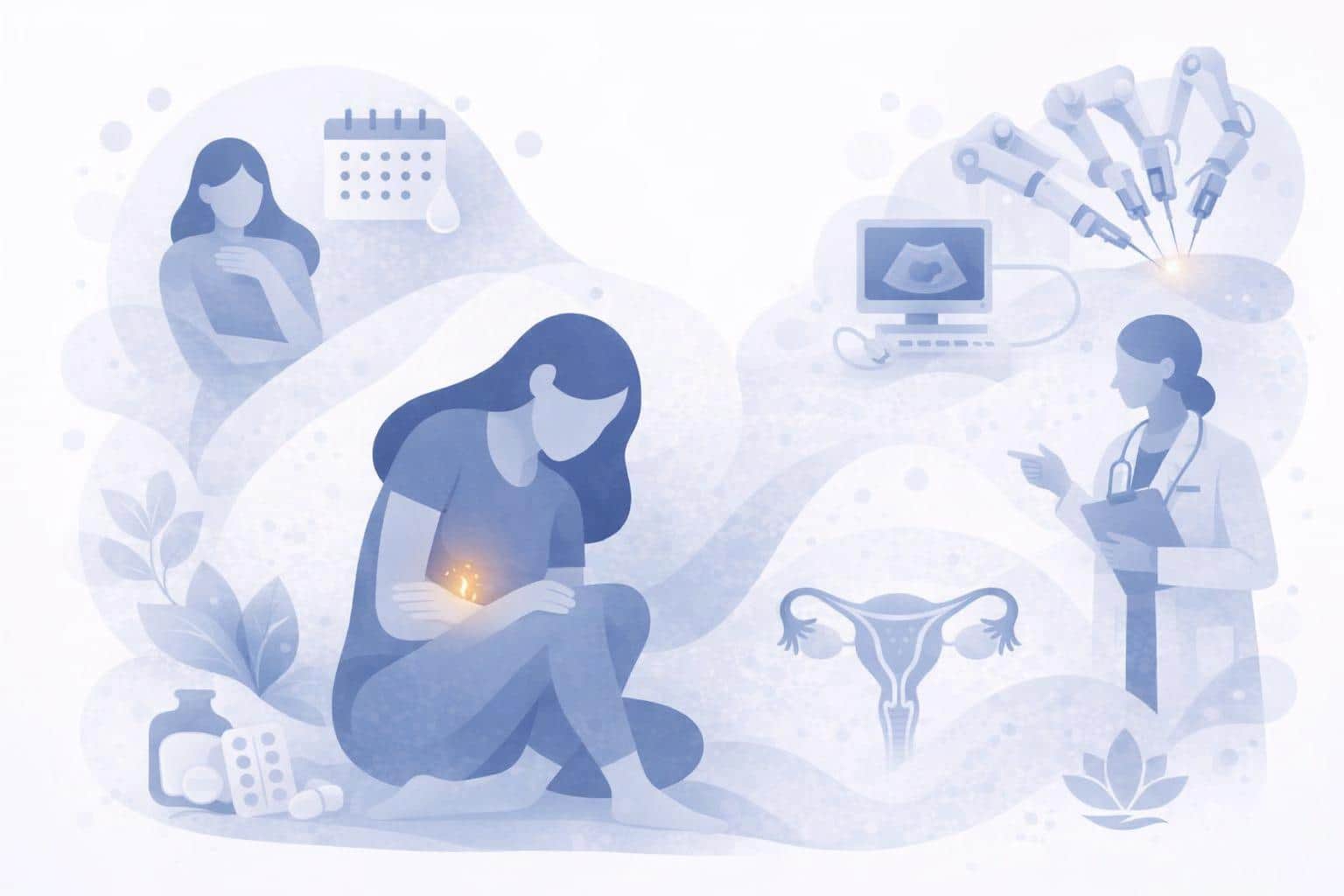
Endometriosis is common—about 1 in 10 people of reproductive age are affected. Because symptoms can be dismissed or overlap with other conditions, many patients live with it for years before getting a clear explanation for their pain.
We also see higher rates in certain settings, especially among people being evaluated for infertility or chronic pelvic pain. If your symptoms fit, our team can help you understand whether endometriosis is a likely contributor and what a thoughtful diagnostic and treatment plan could look like.
Could You Have Endometriosis?
Endometriosis affects 1 in 10 people of reproductive age and often goes undiagnosed for years. Our specialists can help confirm if your symptoms are due to endometriosis and guide you through diagnosis and treatment options.
Check Your SymptomsRelated Symptoms
Related Procedures
Learn More
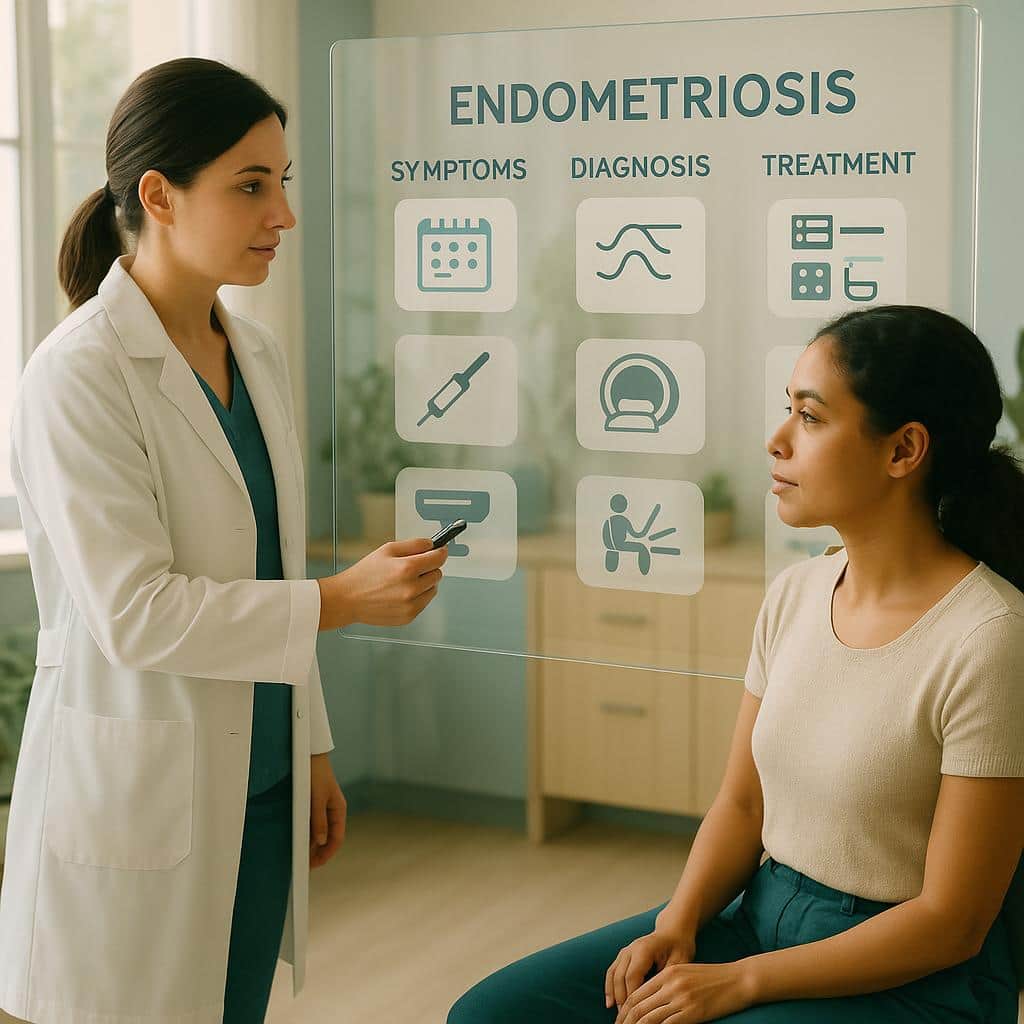
How to Recognize Endometriosis Symptoms
Recognize endometriosis: painful periods, GI and urinary symptoms, dyspareunia, infertility. Understand causes, complications, diagnosis, and medical/surgical treatment options.
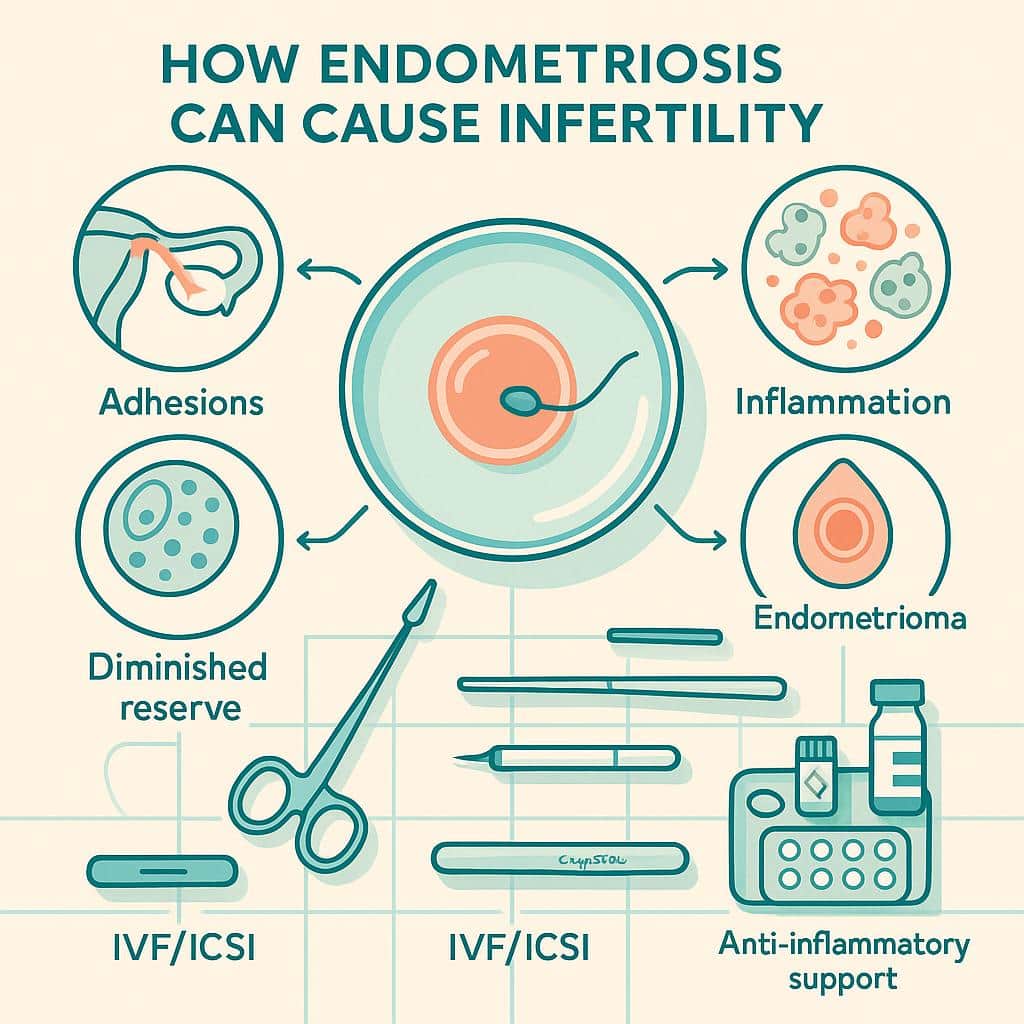
How Endometriosis Contributes to Infertility
How endometriosis leads to infertility: pathogenesis; effects on gametes, tubes, and endometrium; and treatments—expectant care, surgery, and ART.
Related Pages
Endometriosis
Endometriosis isn't just one disease — it's many. Our team tailors our approach to your unique condition, using evidence-based integrative support and world-class excision for lasting results.
Evaluation & Diagnosis
At the Lotus Endometriosis Institute, evaluation begins with listening. Our diagnostic process uncovers the true source of pain and related conditions often missed elsewhere.
New Patients Guide
Lotus Endometriosis: step-by-step overview of our intake process, telehealth consultations, insurance considerations, and travel planning for care.