

You suspect you may have endometriosis or adenomyosis
Why is endometriosis often misdiagnosed?
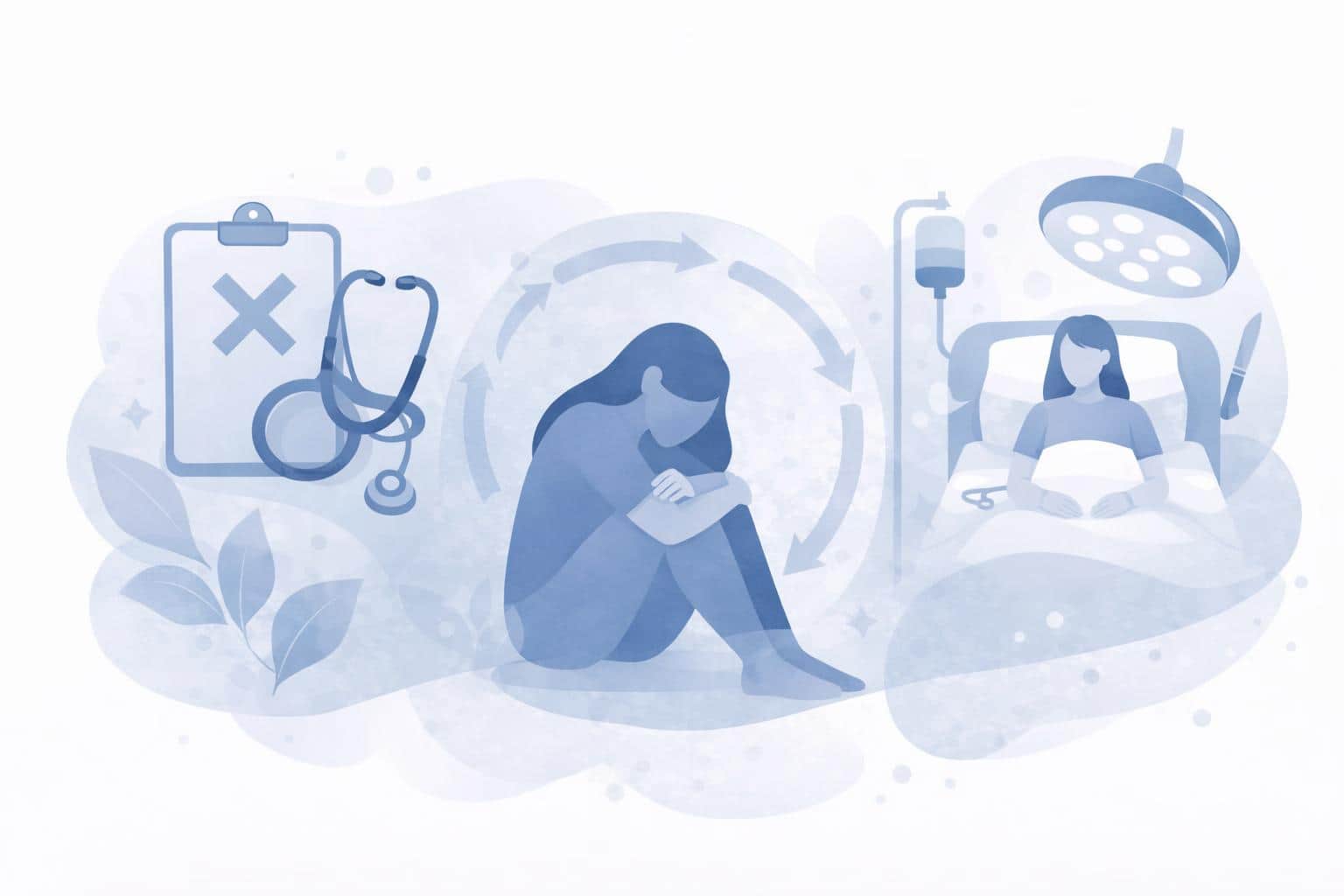
Endometriosis is often misdiagnosed because its symptoms can look like many other conditions, including gastrointestinal, urinary, musculoskeletal, and gynecologic problems. When pain, bloating, urinary urgency, or bowel changes are evaluated one system at a time, it’s easy for the bigger pattern to be missed.
Misdiagnosis is also common because many clinicians receive limited training in recognizing endometriosis across its many presentations, and patients are too often dismissed or told symptoms are “normal.” When care becomes fragmented across multiple specialists, each may view the same symptoms through a narrow lens, leading to tunnel vision and delayed answers. Our team focuses on connecting the symptom history to a whole-pelvis evaluation so we can clarify what’s driving the pain and discuss next steps, including whether excision surgery may be appropriate.
Don't Accept Misdiagnosis
Endometriosis symptoms can be mistaken for other conditions, leading to delays in proper care. Our specialists understand the complex patterns and are here to guide you to the right diagnosis and treatment.
Schedule Your EvaluationRelated Symptoms
Related Procedures
Learn More
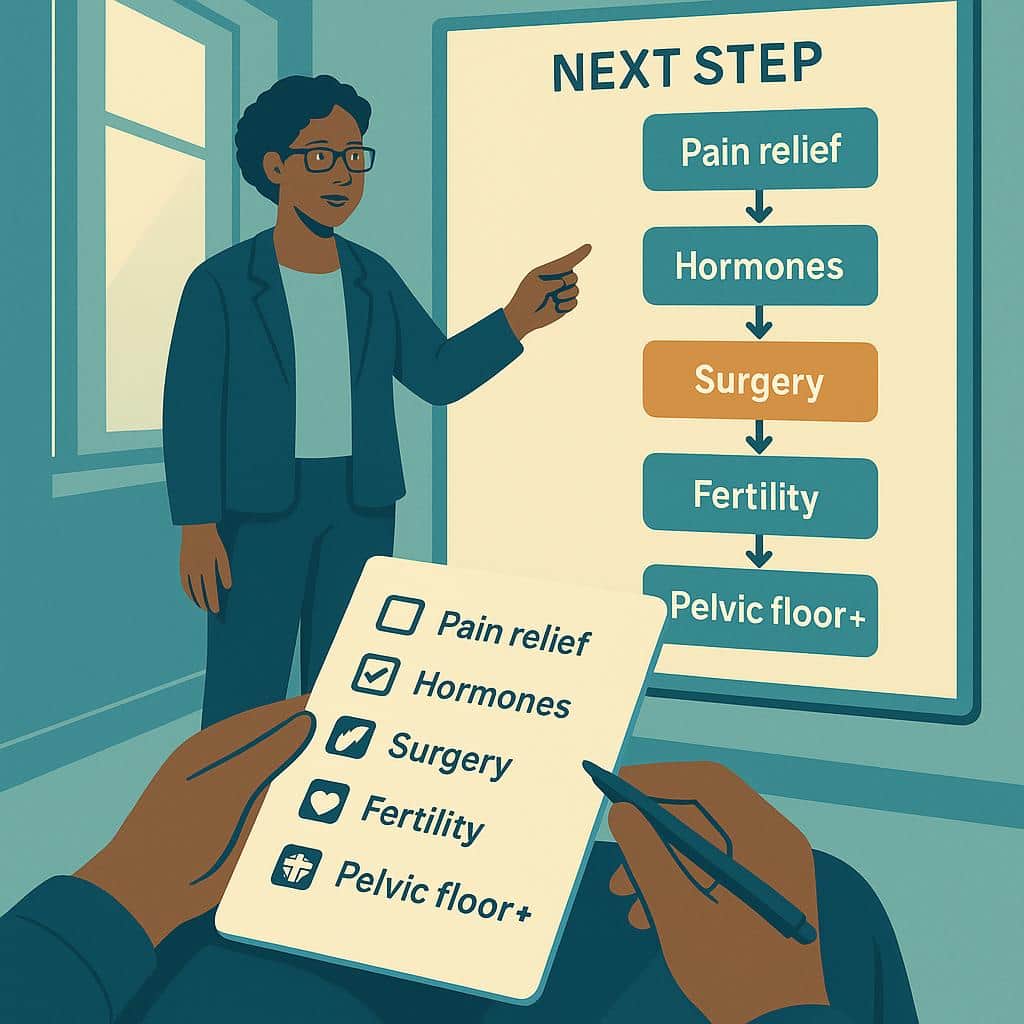
Clearing Up Confusion in Endometriosis Care (Part 2)
Part 2 demystifies endometriosis treatment confusion, reviews major guidelines, and distills evidence-based recommendations you can use.
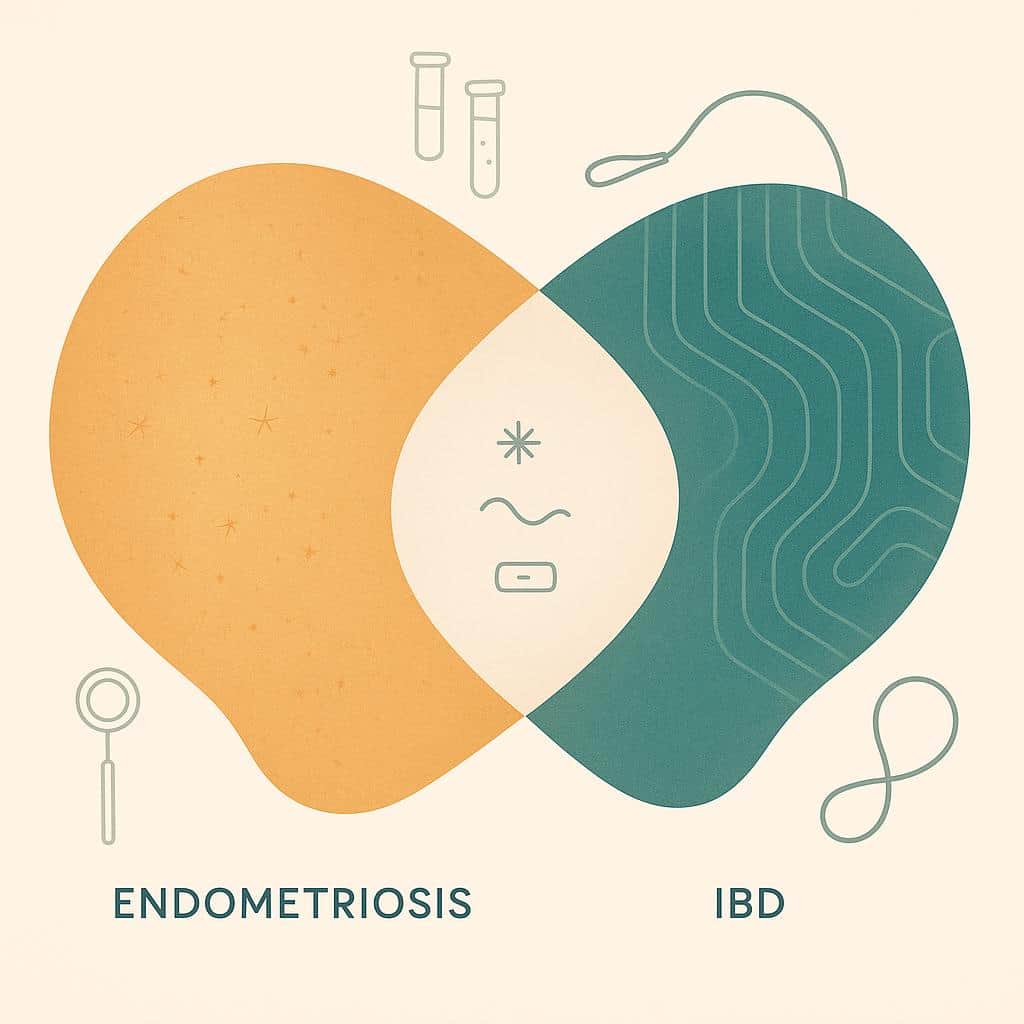
Endometriosis or Inflammatory Bowel Disease? The Key Differences
How endometriosis and inflammatory bowel disease differ and overlap. Symptoms, diagnostic challenges, epidemiology, treatment risks, and research gaps.
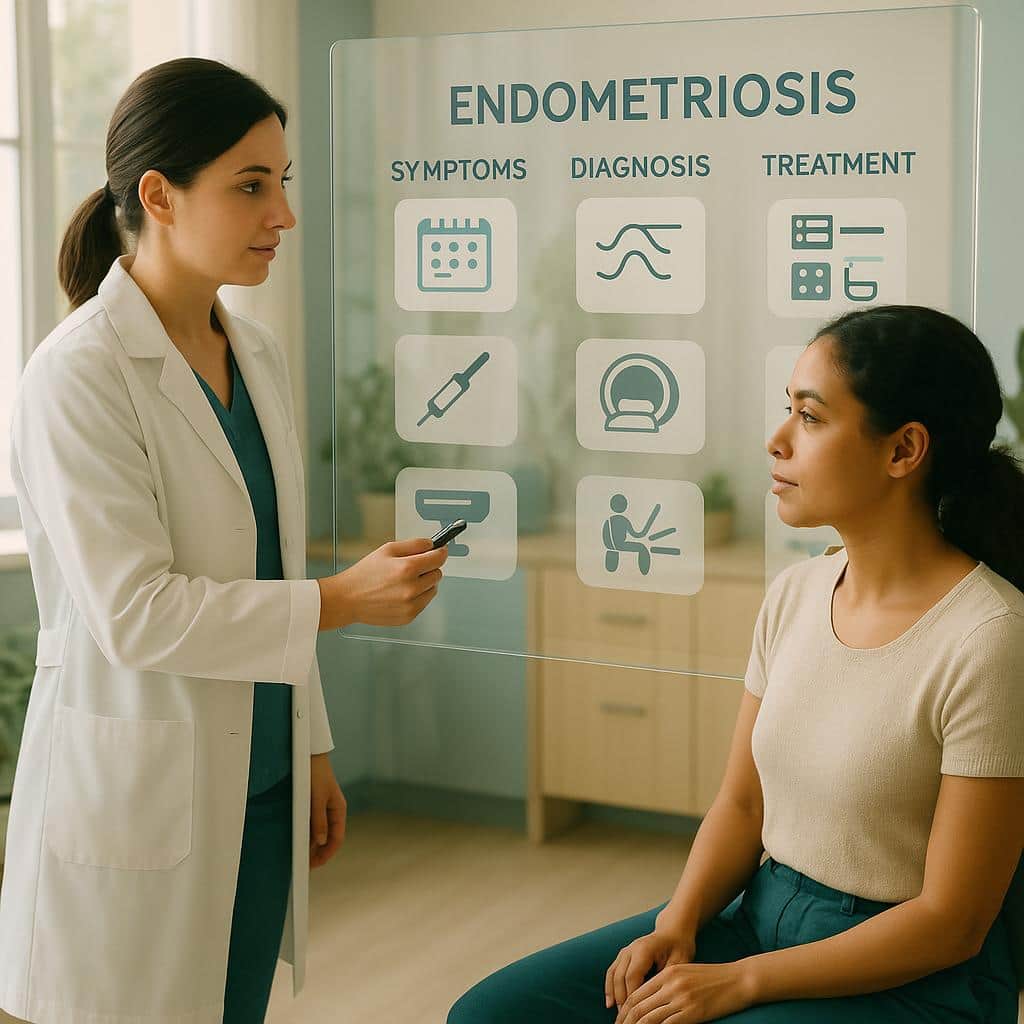
How to Recognize Endometriosis Symptoms
Recognize endometriosis: painful periods, GI and urinary symptoms, dyspareunia, infertility. Understand causes, complications, diagnosis, and medical/surgical treatment options.
Related Pages
Evaluation & Diagnosis
At the Lotus Endometriosis Institute, evaluation begins with listening. Our diagnostic process uncovers the true source of pain and related conditions often missed elsewhere.
Related Conditions
Many conditions mimic, worsen, or coexist with endometriosis. We look deeper, so that nothing important is missed.