


Endometrioma (Chocolate Cyst): Ultrasound Clues and When to Treat
Discover vital ultrasound clues and treatment options for endometriomas (chocolate cysts) related to endometriosis. Learn about fertility and pain management.
9 minute read
Read moreDiscover how Lotus can guide you toward lasting relief.
Explore why patients choose Lotus
Search expert-written answers, browse by topic, or find information based on where you are in your journey.
Explore All KnowledgeReach out and start your healing journey.
Schedule an AppointmentExplore how endometriosis is detected and distinguished: differential diagnosis, biomarkers, ultrasound, and MRI—what each test shows, when it’s used, and how results guide accurate, timely care.
Reliable evaluation of endometriosis depends on understanding what each diagnostic tool reveals about the pelvis. Expert Ultrasound and MRI are the most valuable imaging methods, each offering unique strengths. Ultrasound is excellent for identifying endometriomas and certain deep lesions, while MRI provides a comprehensive map of structures affected by disease and is especially useful for planning treatment, including Excision Surgery when that is indicated.
Imaging also plays a critical role when symptoms resemble overlapping conditions such as IBS / IBD or Interstitial Cystitis. Differentiating these possibilities helps target the right therapeutic approach and prevents delays in care.
Even with advanced technology, many lesions—especially superficial or microscopic ones—remain invisible. A normal scan does not rule out endometriosis, nor does an abnormal scan determine the full extent of disease. Understanding what imaging can and cannot show leads to better expectations and more informed decisions about next steps in treatment and symptom management.
Painful urination with pelvic cramping between periods can happen when the bladder, ureters, uterus, pelvic floor, or nerves are irritated, sometimes in a subtle cycle pattern even if you’re not actively bleeding. Endometriosis can contribute by affecting the bladder wall or tissues around the bladder and ureters, and symptoms don’t have to include visible blood in the urine. Importantly, urinary tract endometriosis isn’t always obviously urinary, and ureter involvement can be quiet but still significant. That’s why we take these symptoms seriously.
These symptoms can also come from conditions that overlap with or mimic endometriosis, such as bladder pain syndrome/interstitial cystitis, pelvic floor overactivity, adenomyosis-related uterine cramping, or other pelvic pain drivers. In our evaluation, we focus on your full flare pattern: what triggers it, how it relates to your cycle, and whether urine tests have been repeatedly negative. We then use a targeted exam and the right imaging, often expertly interpreted ultrasound and/or MRI, to map what’s actually going on.
If you’re noticing recurring burning with urination, pressure, cramping, or symptoms that predictably flare mid-cycle or before your period, that pattern is useful diagnostic information, not something to dismiss. You can explore our urinary symptom and diagnostic evaluation resources to see how we approach UTI-like symptoms with negative cultures, and you’re welcome to reach out to schedule a consultation so our team can help you sort out whether this is bladder/ureter endometriosis, a look-alike condition, or a combination.
At an adenomyosis surgery consult, we want you to leave clear on the goal of treatment: are we primarily trying to control heavy bleeding, relieve pain/pressure, protect fertility, or all three? Ask what is driving your symptoms based on your history and imaging (ultrasound/MRI), and whether adenomyosis seems diffuse or is a more localized adenomyoma, because that often changes what surgery can realistically accomplish. It’s also important to ask how often adenomyosis overlaps with endometriosis in cases like yours and whether your surgical plan accounts for both.
Then get specific about options and tradeoffs: ask whether a uterus-preserving approach is feasible for you or whether hysterectomy is the most definitive path, and what symptom relief you can reasonably expect with each. Ask about the anticipated scope of surgery, whether it involves the uterus only or evaluation/treatment of other pelvic sites, what surgical approach will be used (laparoscopic vs. robotic), and how the team plans to maximize completeness and safety in complex anatomy. Finally, ask about recovery logistics: same-day vs. overnight stay, the typical timeline back to daily activities, and what postoperative follow-up looks like, so you can plan your life around the procedure. If you’d like, reach out and we can review your records and imaging with you and map a surgical plan aligned with your goals.
Endosalpingiosis is generally considered uncommon, but how rare it is depends heavily on who’s being studied and how it’s found. Many cases are discovered incidentally on pathology, meaning tissue is identified under the microscope after surgery done for other reasons, so it’s likely underrecognized in the general population. In other settings, such as surgical cohorts, it may appear more often simply because more tissue is sampled and examined carefully.
What matters most for patients is that endosalpingiosis can be confused with endometriosis on imaging or even at surgery, but it doesn’t always behave the same way clinically. If you’ve been told you have endosalpingiosis and also have pelvic pain, bowel/bladder symptoms, or fertility concerns, our team can help interpret what that finding means in the context of your symptoms and operative/pathology reports. You’re welcome to explore our educational content on related endometriosis and uterine conditions, and reach out to schedule a consultation if you want a personalized plan.
The AAGL endometriosis classification system is a standardized way for surgeons to describe what they found at surgery: where endometriosis is located, how extensive it is, and how complex the disease appears. Its goal is to create a more consistent shared language than older staging alone provides, especially when symptoms and imaging don’t tell the full story.
Unlike simple stage labels, AAGL-style classification is meant to better capture surgical complexity, including deeper disease that can involve structures such as the uterosacral ligaments, rectovaginal space, bowel, bladder, or ureters. This matters because location and depth (for example, deep infiltrating disease) can drive very different symptoms and may change imaging choices and surgical planning. If you’re reading an operative report or trying to make sense of what a surgeon told you, our team can help explain what the classification likely means for your body, your symptoms, and the treatment path you’re considering.
Yes, endometriosis can occur outside the pelvis, and it has been reported in distant parts of the body. That said, brain involvement is extremely rare compared with pelvic disease or even other extra-pelvic locations like the diaphragm and chest.
When people worry about endometriosis in the brain, it’s often because they’re experiencing neurologic symptoms (headaches, nerve-type pain, numbness or weakness) that seem to flare with their cycle. Sometimes those symptoms are related to endometriosis affecting nerves or areas higher in the abdomen or chest rather than the brain itself, and the cyclical timing can be an important clue. If you have unusual symptoms that track with menstruation, our team can help you look at the full-body picture, determine what’s most likely, and plan next steps for accurate diagnosis and treatment, including minimally invasive excision when appropriate.
The Enzian score is a detailed way for clinicians to describe where deep infiltrating endometriosis (DIE) is located and how extensive it is. Unlike simple staging systems, Enzian focuses on endometriosis that grows into deeper tissues and can involve structures like the uterosacral ligaments, rectovaginal area, bowel, bladder, and ureters. These areas often drive bowel, urinary, or deep pain symptoms.
In practice, an Enzian classification helps your surgical team communicate the anatomic pattern of disease and plan the right imaging, operative approach, and multidisciplinary support when organs may be involved. It’s also a reminder that symptom severity doesn’t always match what’s seen on exam or imaging: deep disease can be easy to miss without a targeted evaluation. If you’ve been told your findings are “mild” but your symptoms suggest deeper involvement, our team can help interpret prior reports and discuss what an Enzian-style mapping and excision-focused plan could look like.
Endometriosis doesn’t grow at one predictable rate. It’s a heterogeneous condition, meaning different subtypes and lesion types can behave very differently, so one person may have slow, relatively stable disease while another has more biologically aggressive, invasive lesions that progress faster. Growth is influenced by its location (surface vs. deeper tissues or organs), the local inflammatory environment, and hormone signaling, including local estrogen activity and reduced progesterone response.
What most people notice first isn’t literal growth they can feel happening day to day, but changing symptoms over months or years: new bowel or bladder symptoms, worsening pain, or the appearance or enlargement of an endometrioma on imaging. This also explains why stage doesn’t reliably predict pain, and why a normal exam (or even normal imaging) doesn’t rule out active disease, especially with deep infiltrating endometriosis. If you’re trying to understand whether your symptoms suggest progression, our team can help you connect your symptom pattern with the most likely disease types and next diagnostic steps, and discuss when strategic excision surgery is appropriate.
Yes. A ruptured ovarian cyst can cause sudden, severe pelvic pain, often sharp and one-sided, and may be intense enough to feel alarming, especially if there’s internal bleeding or irritation of the lining of the pelvis. Some people also notice nausea, shoulder-tip pain, dizziness, or pain that worsens with movement, while others have a milder ache that fades over hours to days.
Because pelvic pain has many look-alikes and coexisting causes (including endometriosis, adenomyosis, ovarian/paraovarian cysts, torsion, bladder pain, or pelvic floor spasm), what matters is the pattern of your symptoms, your exam, and correctly interpreted imaging such as ultrasound or MRI when appropriate. Our team focuses on sorting out whether a cyst rupture is the whole story or one piece of a bigger picture so you’re not stuck treating the wrong problem. If you’re having severe pain, recurrent episodes attributed to cysts, or pain that tracks with your cycle, reach out to schedule an evaluation so we can pinpoint the driver and map out next steps.
Discover vital ultrasound clues and treatment options for endometriomas (chocolate cysts) related to endometriosis. Learn about fertility and pain management.

Discover ovarian remnant syndrome: its symptoms, risk factors, and treatment options after oophorectomy. Learn how to manage pelvic pain effectively.

Explore the link between a retroverted uterus and endometriosis/adenomyosis. Learn about symptoms, myths, and when it matters for your health.

Discover why multidisciplinary care is vital for managing complex endometriosis and enhancing quality of life. Learn more in our latest research overview.

Explore essential insights on endometriosis and other causes of pelvic pain. Learn about differential diagnoses and effective treatment options.

Discover why ultrasounds may miss endometriosis. Learn about imaging limits and recent research in our latest blog. Find clarity in your diagnosis.

Discover why endometriosis is frequently misdiagnosed, the causes of delays, and how to advocate for better care. Get informed today!
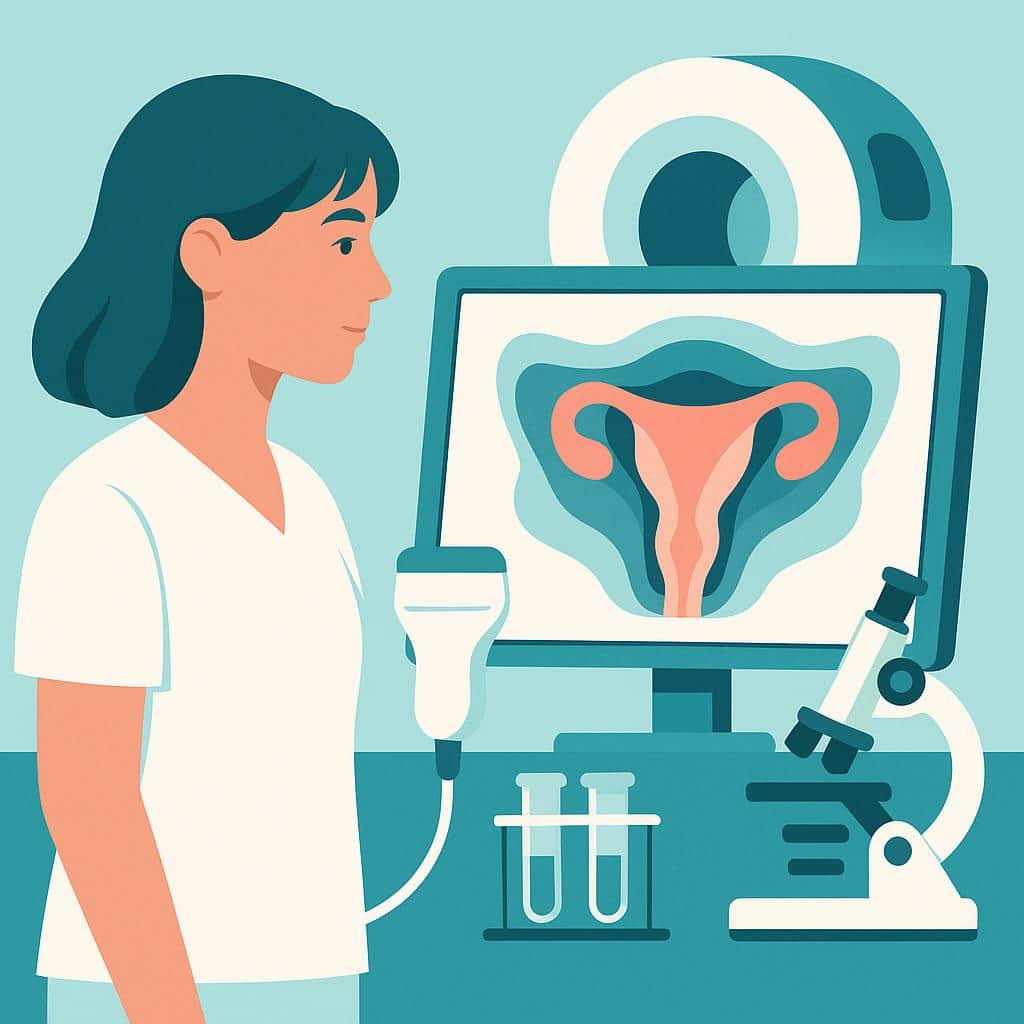
Discover how adenomyosis might be diagnosed through imaging tests. Learn what to expect and understand your symptoms better.

Explore the key differences between adenomyosis and endometriosis, their symptoms, overlap, and treatment options for better fertility outcomes.
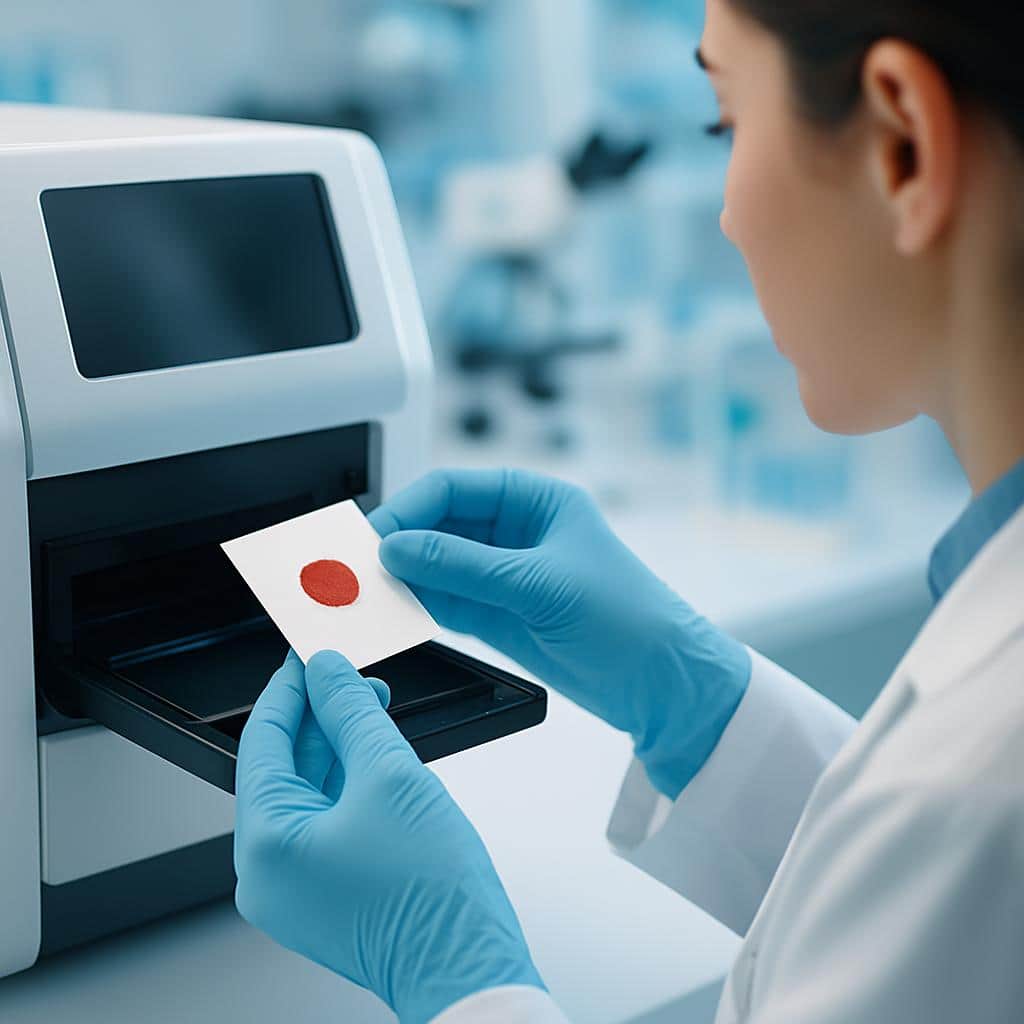
Discover how a menstrual blood test may revolutionize endometriosis diagnosis. Learn about new research and its potential impact on early detection.

Discover if genetic testing could soon help diagnose endometriosis. Learn about new research and what it means for patients seeking answers.

Discover the latest research on blood tests for endometriosis. Learn how microRNAs could lead to earlier diagnosis and better management.
Lotus Endometriosis Institute provides California-based surgical evaluation and advanced excision care for patients with suspected endometriosis, adenomyosis, complex pelvic pain, and related conditions.
Many patients contact us from outside California to learn whether traveling for in-person evaluation and possible surgery may be appropriate.
2121 Santa Monica Blvd, Santa Monica, CA 90404
8am - 5pm
Monday - Friday
154 Traffic Way, Arroyo Grande, CA 93420